Now Reading: Tesla Car Insurance: What You Need to Know
-
01
Tesla Car Insurance: What You Need to Know
Tesla Car Insurance: What You Need to Know
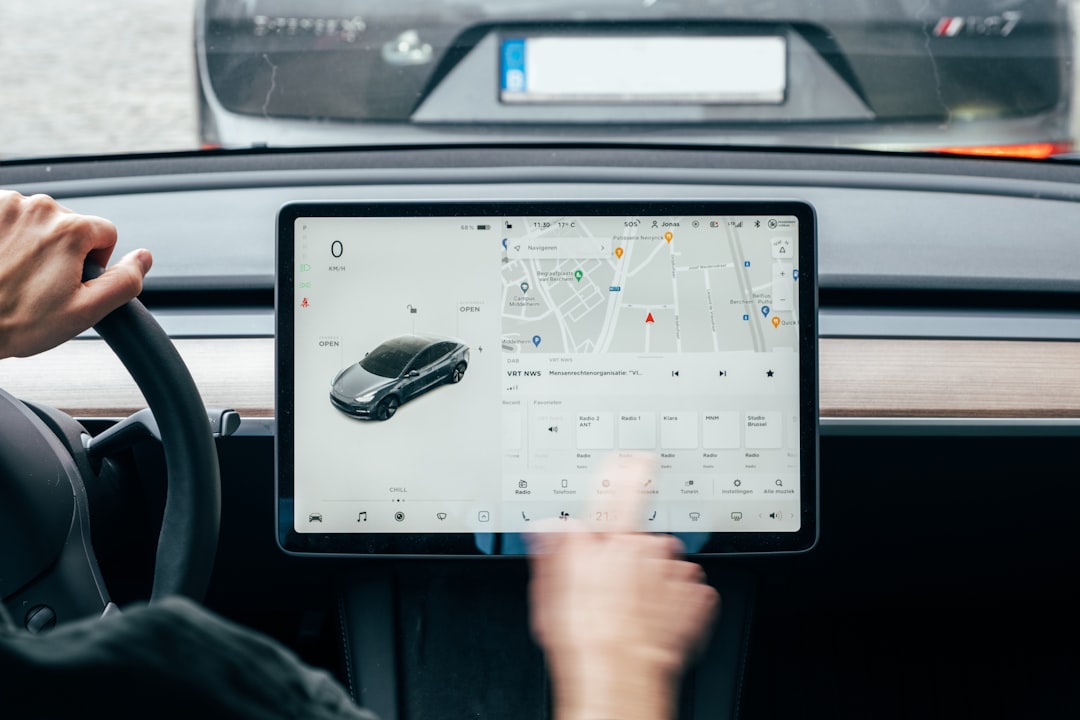
Tesla car insurance is a specialized form of coverage designed to meet the unique needs of Tesla vehicle owners. Unlike traditional auto insurance, Tesla’s insurance policies are tailored to the specific features and technologies inherent in their electric vehicles. This innovative approach not only provides comprehensive coverage but also reflects the advanced engineering and safety features that Tesla vehicles are known for.
Tesla Insurance aims to simplify the insurance process, offering competitive rates and a seamless experience for policyholders. Tesla’s insurance offerings are built on a foundation of data-driven insights, leveraging the company’s extensive knowledge of its vehicles’ performance and safety records. By utilizing real-time data from the vehicle, Tesla can assess risk more accurately, potentially leading to lower premiums for drivers who exhibit safe driving behaviors.
This model represents a significant shift in how auto insurance is traditionally approached, emphasizing a more personalized and technology-driven experience.
Key Takeaways
- Tesla car insurance is a necessity for all Tesla owners, and it’s important to understand the basics of how it works.
- Factors such as driving record, location, and coverage level can affect Tesla car insurance rates.
- Finding the best Tesla car insurance policy involves comparing quotes from different providers and considering the specific needs of Tesla owners.
- Understanding Tesla car insurance coverage options is crucial for ensuring adequate protection for the vehicle and its owner.
- Tesla’s unique safety features can impact insurance rates positively, and it’s important to explore potential discounts and savings for Tesla car insurance.
Factors Affecting Tesla Car Insurance Rates
Several factors influence the cost of Tesla car insurance premiums.
For instance, high-performance models like the Tesla Model S may incur higher insurance costs due to their increased value and repair expenses.
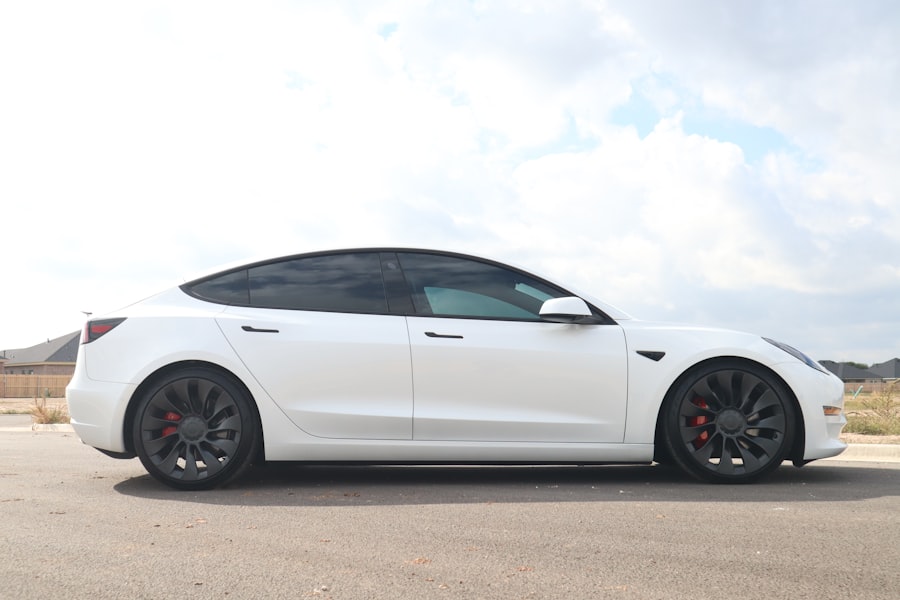
Conversely, more affordable models like the Model 3 may attract lower premiums, making them more accessible for budget-conscious consumers. Other critical factors include the driver’s age, driving history, and location. Younger drivers or those with a history of accidents may face higher rates due to perceived risk.
Additionally, urban areas with higher traffic density often lead to increased premiums compared to rural locations. Furthermore, the level of coverage selected—whether liability, comprehensive, or collision—also plays a pivotal role in determining overall costs.
How to Find the Best Tesla Car Insurance Policy
Finding the optimal Tesla car insurance policy requires thorough research and comparison. Start by gathering quotes from multiple insurance providers that specialize in electric vehicles or have experience with Tesla models. Online comparison tools can streamline this process, allowing potential policyholders to evaluate coverage options and premiums side by side. When assessing policies, consider not only the cost but also the coverage limits and deductibles.
Look for insurers that offer specific benefits for Tesla owners, such as coverage for battery replacement or repairs related to advanced technology features. Reading customer reviews and ratings can provide insight into the insurer’s reputation for customer service and claims handling, which are crucial factors in selecting a reliable policy.
Understanding Tesla Car Insurance Coverage Options
| Insurance Coverage Options | Details |
|---|---|
| Liability Coverage | Provides coverage for bodily injury and property damage to others in the event of an accident where you are at fault. |
| Collision Coverage | Helps pay for repairs to your Tesla vehicle if it’s damaged in a collision with another vehicle or object. |
| Comprehensive Coverage | Covers damage to your Tesla caused by events other than a collision, such as theft, vandalism, or natural disasters. |
| Uninsured/Underinsured Motorist Coverage | Protects you if you’re involved in an accident with a driver who doesn’t have insurance or doesn’t have enough insurance to cover your expenses. |
| Personal Injury Protection (PIP) | Provides coverage for medical expenses and lost wages for you and your passengers, regardless of who is at fault in an accident. |
Tesla car insurance policies typically offer a range of coverage options tailored to meet diverse needs. Standard coverage includes liability protection, which covers damages to other vehicles or property in the event of an accident. Comprehensive coverage protects against non-collision incidents such as theft, vandalism, or natural disasters, while collision coverage addresses damages incurred during an accident.
Additionally, Tesla offers unique coverage options that cater specifically to its vehicles. For example, some policies may include coverage for charging equipment or roadside assistance tailored for electric vehicles. Understanding these options is essential for ensuring that policyholders have adequate protection against potential risks associated with owning a Tesla.
Tesla’s Unique Safety Features and Their Impact on Insurance
Tesla vehicles are renowned for their advanced safety features, which can significantly influence insurance premiums. Equipped with cutting-edge technology such as Autopilot, collision avoidance systems, and advanced airbag systems, Teslas are designed to minimize the risk of accidents. Insurers often recognize these safety enhancements by offering lower premiums to drivers who own vehicles with superior safety ratings.
Moreover, Tesla’s commitment to continuous software updates means that safety features can improve over time without requiring new hardware. This ongoing enhancement can further reduce risk factors associated with insuring these vehicles, potentially leading to additional savings on premiums for conscientious drivers.
Tesla Car Insurance Discounts and Savings
Tesla owners may be eligible for various discounts that can help reduce their insurance costs. Many insurers offer safe driver discounts for individuals with clean driving records or those who complete defensive driving courses. Additionally, some companies provide discounts for bundling multiple policies, such as home and auto insurance.
By utilizing telematics data from the vehicle, drivers can receive feedback on their driving habits and potentially qualify for further discounts based on their performance. This innovative approach not only incentivizes safe driving but also fosters a community of responsible Tesla owners.
Tesla Car Insurance Claims Process
The claims process for Tesla car insurance is designed to be straightforward and efficient. In the event of an accident or damage to the vehicle, policyholders should first ensure their safety and then document the incident thoroughly. This includes taking photographs of any damages and gathering contact information from other parties involved.
Once documentation is complete, drivers can initiate a claim through their insurer’s website or mobile app. Many insurers offer dedicated claims representatives who guide policyholders through the process, ensuring that all necessary information is submitted promptly. Given Tesla’s emphasis on technology, some insurers may even allow claims to be filed directly through the Tesla app, streamlining communication and expediting resolution.
Tesla Car Insurance for Leased and Financed Vehicles
Leased and financed Tesla vehicles often require specific insurance considerations. Lenders typically mandate that drivers maintain comprehensive coverage throughout the duration of the lease or loan term to protect their investment. This requirement ensures that in the event of an accident or total loss, the financial interests of both the driver and lender are safeguarded.
When insuring a leased or financed Tesla, it is crucial to understand any additional requirements set forth by the leasing company or lender. Some may require higher liability limits or specific types of coverage that go beyond standard policies. Therefore, it is advisable for drivers to consult with their insurer to ensure compliance with all contractual obligations while securing adequate protection.
Tesla Car Insurance for Model S, Model 3, Model X, and Model Y
Each Tesla model presents unique characteristics that can influence insurance rates and coverage needs. The Model S, known for its luxury features and high performance, may attract higher premiums due to its elevated value and repair costs. In contrast, the Model 3 is often viewed as a more economical option, potentially resulting in lower insurance rates.
The Model X, with its distinctive design and advanced safety features, may also incur higher premiums similar to the Model S due to its complexity and repair expenses. Meanwhile, the Model Y combines elements from both the Model 3 and Model X, appealing to families seeking versatility without compromising on safety or performance. Understanding these distinctions is essential when selecting an insurance policy tailored to each model’s specific needs.
Tesla Car Insurance for Business and Commercial Use
For businesses utilizing Tesla vehicles for commercial purposes, specialized insurance coverage is essential. Commercial auto insurance policies differ significantly from personal auto insurance in terms of coverage limits and liability protections. Businesses must consider factors such as employee usage patterns, vehicle modifications for commercial purposes, and potential liability exposure when selecting an appropriate policy.
Additionally, businesses may benefit from fleet insurance options if they operate multiple Teslas or other vehicles within their operations. Fleet policies can provide cost savings while ensuring comprehensive coverage across all vehicles used in business activities.
Tesla Car Insurance and Autonomous Driving Technology
Tesla’s autonomous driving technology presents unique challenges and opportunities within the realm of car insurance. As vehicles become increasingly automated, questions arise regarding liability in the event of an accident involving autonomous features like Autopilot. Insurers are adapting their policies to address these complexities by incorporating specific clauses related to autonomous driving capabilities.
Furthermore, as regulatory frameworks evolve around autonomous vehicles, insurers will need to stay informed about changes that could impact coverage requirements and liability standards. Understanding how these advancements affect insurance policies will be crucial for both consumers and insurers alike as we move toward a future where autonomous driving becomes more prevalent. In summary, Tesla car insurance represents a modern approach to vehicle coverage tailored specifically for electric vehicle owners.
Factors such as vehicle model, driver history, and location significantly influence premium rates. By understanding available coverage options and leveraging discounts, policyholders can find suitable policies that meet their needs while benefiting from Tesla’s advanced safety features. The claims process is designed for efficiency, ensuring that drivers receive prompt assistance when needed.
As technology continues to evolve within the automotive industry, so too will the landscape of car insurance—requiring ongoing adaptation from both consumers and insurers alike.
Tesla recently announced their plans to offer car insurance for their vehicles, a move that could potentially disrupt the traditional insurance industry. This development is particularly interesting in light of the forecast for Tesla’s stock price in 2025, as discussed in a recent article on Boogger. The article delves into the factors that could impact Tesla’s stock performance in the coming years, including their expansion into new markets such as insurance. It will be fascinating to see how Tesla’s foray into insurance will affect their overall business strategy and stock value in the long run. Read more here.
FAQs
What is Tesla car insurance?
Tesla car insurance is an insurance policy specifically designed for Tesla vehicles. It is offered by Tesla in partnership with insurance companies to provide coverage for Tesla owners.
How is Tesla car insurance different from regular car insurance?
Tesla car insurance is tailored to the unique features and technology of Tesla vehicles. It may offer specific coverage for features such as Autopilot and Full Self-Driving capabilities. Additionally, Tesla car insurance may provide benefits such as access to Tesla service centers and parts.
Is Tesla car insurance available for all Tesla models?
Tesla car insurance is currently available for all Tesla models in the United States. However, availability may vary by location and is subject to change.
Can I purchase Tesla car insurance if I already have a Tesla vehicle?
Yes, Tesla car insurance is available for both new and existing Tesla owners. Existing Tesla owners can switch to Tesla car insurance when their current policy expires.
How can I purchase Tesla car insurance?
Tesla car insurance can be purchased online through the Tesla website. Customers can also contact Tesla directly for more information and assistance with purchasing a policy.
What are the benefits of Tesla car insurance?
Benefits of Tesla car insurance may include competitive rates, comprehensive coverage tailored to Tesla vehicles, access to Tesla service centers, and potential discounts for Tesla owners. Tesla car insurance may also offer a seamless claims process and support for Tesla-specific features and technology.