Now Reading: Understanding Common Heart Problems
-
01
Understanding Common Heart Problems
Understanding Common Heart Problems
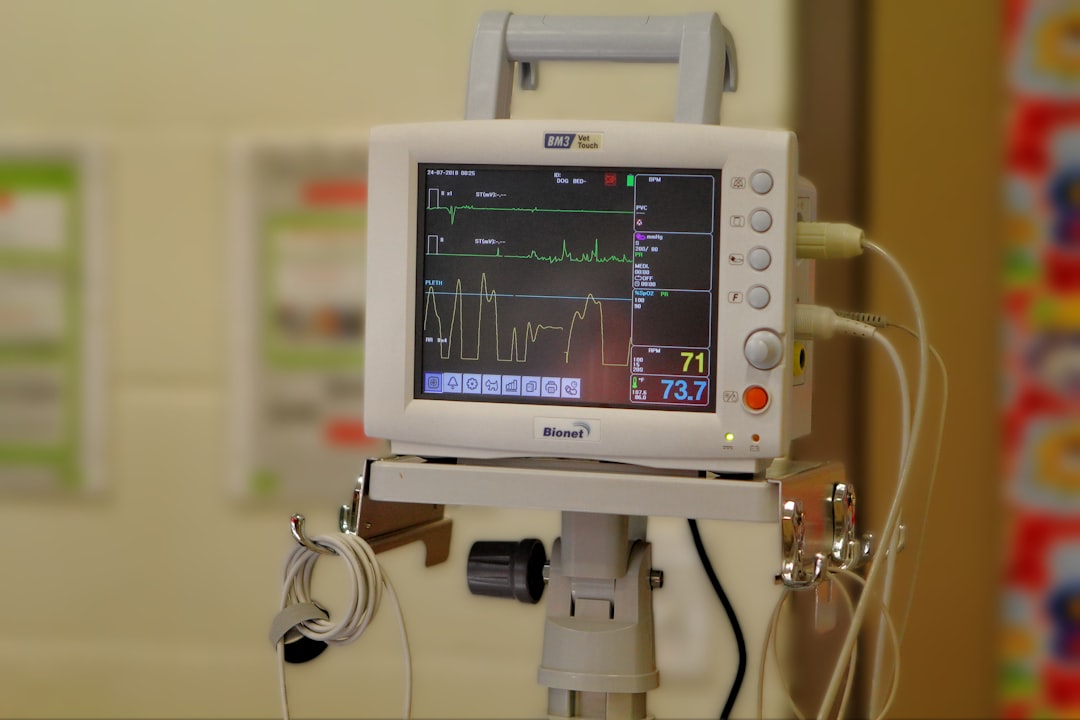
Heart problems encompass a wide range of conditions that affect the heart’s structure and function. The heart, a muscular organ responsible for pumping blood throughout the body, is vital for sustaining life. When it encounters issues, the repercussions can be severe, leading to complications that may threaten overall health.
Cardiovascular diseases, which include heart problems, are among the leading causes of morbidity and mortality worldwide. According to the World Health Organization (WHO), approximately 17.9 million people die from cardiovascular diseases each year, accounting for 32% of all global deaths. Understanding heart problems is crucial for early detection and effective management.
The heart’s intricate system relies on a delicate balance of electrical impulses and blood flow, and any disruption can lead to significant health challenges. This article aims to provide a comprehensive overview of heart disease, its risk factors, symptoms, types, and treatment options, as well as preventive measures to maintain cardiovascular health.
Key Takeaways
- Heart problems can range from arrhythmias to heart failure and can have serious consequences if left untreated.
- Understanding the common risk factors for heart problems, such as high blood pressure and smoking, can help in prevention and early detection.
- Symptoms of heart problems can include chest pain, shortness of breath, and fatigue, and should be taken seriously.
- Heart attacks, arrhythmias, and atherosclerosis are all different types of heart problems that require different approaches to diagnosis and treatment.
- Prevention of heart problems involves maintaining a healthy lifestyle, managing risk factors, and seeking regular medical check-ups.
Understanding Heart Disease
Heart disease refers to a variety of conditions that affect the heart’s ability to function optimally. These conditions can range from congenital defects present at birth to acquired diseases that develop over time due to lifestyle choices or genetic predispositions. The most common form of heart disease is coronary artery disease (CAD), which occurs when the coronary arteries become narrowed or blocked due to atherosclerosis—a buildup of fatty deposits on the arterial walls.
The pathophysiology of heart disease often involves complex interactions between genetic factors, environmental influences, and lifestyle choices. For instance, high blood pressure (hypertension) can lead to left ventricular hypertrophy, where the heart muscle thickens in response to increased workload. This can eventually result in heart failure if left untreated.
Additionally, inflammation plays a significant role in the development of heart disease, as it can contribute to plaque formation in the arteries.
Common Risk Factors for Heart Problems

Several risk factors contribute to the development of heart problems, many of which are modifiable through lifestyle changes. Key risk factors include: 1. **Hypertension**: Elevated blood pressure increases the workload on the heart and can lead to damage over time.
**Hyperlipidemia**: High levels of low-density lipoprotein (LDL) cholesterol can lead to plaque buildup in the arteries.
3.
**Diabetes Mellitus**: Poorly controlled blood sugar levels can damage blood vessels and nerves that control the heart.
4. **Obesity**: Excess body weight is associated with increased blood pressure, cholesterol levels, and diabetes risk.
5. **Smoking**: Tobacco use is a significant risk factor for cardiovascular diseases due to its harmful effects on blood vessels and heart function.
6.
**Sedentary Lifestyle**: Lack of physical activity contributes to obesity and other risk factors.
7. **Family History**: A genetic predisposition to heart disease can increase an individual’s risk. Understanding these risk factors is essential for implementing preventive strategies and reducing the likelihood of developing heart problems.
Symptoms of Heart Problems
| Symptom | Description |
|---|---|
| Chest pain or discomfort | Feeling of pressure, squeezing, or fullness in the chest |
| Shortness of breath | Difficulty breathing or feeling like you can’t get enough air |
| Palpitations | Irregular heartbeats or feeling like your heart is skipping a beat |
| Dizziness or lightheadedness | Feeling faint or like you might pass out |
| Fatigue | Feeling unusually tired or weak, especially with activity |
Recognizing the symptoms of heart problems is critical for timely intervention. Common manifestations include: 1. **Chest Pain or Discomfort**: Often described as pressure, squeezing, or fullness in the chest, this symptom may indicate angina or a heart attack.
2.
**Shortness of Breath**: Difficulty breathing during physical activity or at rest can signal underlying cardiac issues.
3. **Fatigue**: Unexplained fatigue or weakness may be an early warning sign of heart failure.
4. **Palpitations**: Irregular heartbeats or a racing heart can indicate arrhythmias or other cardiac conditions.
5.
**Swelling**: Edema in the legs, ankles, or abdomen may suggest heart failure or fluid retention due to poor circulation. It is essential for individuals experiencing these symptoms to seek medical attention promptly, as early diagnosis can significantly improve outcomes.
Types of Heart Problems
Heart problems can be classified into several categories based on their nature and underlying causes: 1. **Coronary Artery Disease (CAD)**: The most prevalent type, CAD occurs when the coronary arteries become narrowed due to plaque buildup, leading to reduced blood flow to the heart muscle.
2. **Heart Failure**: A condition where the heart cannot pump blood effectively, resulting in fluid buildup and inadequate circulation.
3.
**Arrhythmias**: Abnormal heart rhythms that can lead to palpitations, dizziness, or even sudden cardiac arrest.
4. **Valvular Heart Disease**: Involves damage or dysfunction of one or more heart valves, affecting blood flow through the heart.
5. **Congenital Heart Defects**: Structural abnormalities present at birth that can affect normal heart function.
Each type of heart problem requires specific diagnostic approaches and treatment strategies tailored to the individual patient’s needs.
Understanding Heart Attacks

A heart attack, or myocardial infarction, occurs when blood flow to a part of the heart is obstructed, typically by a blood clot that forms on a ruptured plaque in a coronary artery. This blockage deprives the heart muscle of oxygen and nutrients, leading to tissue damage or death if not resolved quickly. The classic symptoms of a heart attack include intense chest pain radiating to the arms, neck, jaw, or back; shortness of breath; cold sweats; nausea; and lightheadedness.
Risk factors such as hypertension, hyperlipidemia, diabetes, and smoking significantly increase the likelihood of experiencing a heart attack. Immediate medical intervention is crucial during a heart attack. Treatments may include medications such as aspirin and thrombolytics to dissolve clots, as well as procedures like angioplasty or coronary artery bypass grafting (CABG) to restore blood flow.
Understanding Arrhythmias
Arrhythmias are irregularities in the heartbeat that can manifest as too fast (tachycardia), too slow (bradycardia), or erratic rhythms. These disturbances can arise from various causes, including electrolyte imbalances, structural heart changes, or ischemic conditions. Symptoms may vary from mild palpitations to severe dizziness or syncope (fainting).
Some arrhythmias are benign and require no treatment; however, others may necessitate interventions such as antiarrhythmic medications, catheter ablation procedures, or implantation of pacemakers or defibrillators.
Understanding Heart Failure
Heart failure is a chronic condition characterized by the heart’s inability to pump sufficient blood to meet the body’s needs. It can result from various underlying conditions such as CAD, hypertension, or previous myocardial infarctions. Patients with heart failure often experience symptoms like fatigue, shortness of breath during exertion or while lying flat (orthopnea), and fluid retention leading to swelling in the legs and abdomen.
Diagnosis typically involves echocardiograms and blood tests measuring biomarkers like B-type natriuretic peptide (BNP). Management strategies for heart failure include lifestyle modifications (dietary changes and exercise), medications such as ACE inhibitors and beta-blockers, and advanced therapies like implantable devices or heart transplants in severe cases.
Understanding Atherosclerosis
Atherosclerosis is a progressive condition characterized by the buildup of fatty deposits (plaques) within arterial walls, leading to narrowed arteries and reduced blood flow.
Risk factors for atherosclerosis include high cholesterol levels, hypertension, smoking, diabetes, and sedentary lifestyle choices.
The condition often develops silently over decades before manifesting as angina or acute coronary syndromes. Preventive measures focus on lifestyle modifications such as adopting a heart-healthy diet rich in fruits, vegetables, whole grains, and healthy fats while minimizing saturated fats and sugars. Medications like statins may also be prescribed to manage cholesterol levels effectively.
Diagnosis and Treatment of Heart Problems
Diagnosing heart problems typically involves a combination of patient history assessment, physical examination, and diagnostic tests such as electrocardiograms (ECGs), echocardiograms, stress tests, and cardiac catheterization. Treatment options vary based on the specific condition diagnosed but generally include lifestyle modifications (dietary changes and exercise), pharmacological interventions (antihypertensives, antiplatelet agents), and surgical procedures (angioplasty or bypass surgery). For arrhythmias, antiarrhythmic medications or catheter ablation may be indicated.
In cases where medication alone is insufficient for managing symptoms or preventing complications, advanced therapies such as implantable cardioverter-defibrillators (ICDs) or left ventricular assist devices (LVADs) may be necessary.
Prevention of Heart Problems
Preventing heart problems involves adopting a multifaceted approach that addresses modifiable risk factors through lifestyle changes: 1. **Healthy Diet**: Emphasize fruits, vegetables, whole grains, lean proteins, and healthy fats while limiting processed foods high in sugars and saturated fats.
2. **Regular Exercise**: Aim for at least 150 minutes of moderate-intensity aerobic activity per week combined with strength training exercises.
3.
**Weight Management**: Maintain a healthy body weight through balanced nutrition and physical activity.
4. **Smoking Cessation**: Quitting smoking significantly reduces cardiovascular risk.
5. **Regular Health Screenings**: Monitor blood pressure, cholesterol levels, and blood sugar regularly to identify potential issues early.
By implementing these preventive measures and remaining vigilant about cardiovascular health, individuals can significantly reduce their risk of developing heart problems. In summary, understanding heart problems is essential for effective prevention and management strategies. By recognizing risk factors and symptoms associated with various cardiac conditions—such as coronary artery disease, arrhythmias, and heart failure—individuals can take proactive steps toward maintaining their cardiovascular health through lifestyle modifications and appropriate medical interventions when necessary.
Heart problems are a serious health concern that can have a significant impact on one’s quality of life. According to a recent article on Boogger, “How to Choose a Lawyer for Your Needs in 2025,” it is important to prioritize your health and seek medical attention if you are experiencing symptoms of heart issues. To learn more about the warning signs of heart problems and how to prevent them, check out this informative article on Boogger.
FAQs
What are common symptoms of heart problems?
Common symptoms of heart problems include chest pain or discomfort, shortness of breath, fatigue, dizziness, and irregular heartbeats.
What are the risk factors for heart problems?
Risk factors for heart problems include high blood pressure, high cholesterol, smoking, diabetes, obesity, and a family history of heart disease.
How are heart problems diagnosed?
Heart problems can be diagnosed through various tests including electrocardiogram (ECG), echocardiogram, stress test, cardiac catheterization, and blood tests to measure cardiac enzymes.
What are the treatment options for heart problems?
Treatment options for heart problems may include lifestyle changes, medications, medical procedures such as angioplasty or bypass surgery, and cardiac rehabilitation.
How can heart problems be prevented?
Heart problems can be prevented by maintaining a healthy lifestyle, including regular exercise, a balanced diet, not smoking, managing stress, and getting regular check-ups with a healthcare provider.