Now Reading: The Link Between Hypertension and Heart Disease
-
01
The Link Between Hypertension and Heart Disease
The Link Between Hypertension and Heart Disease
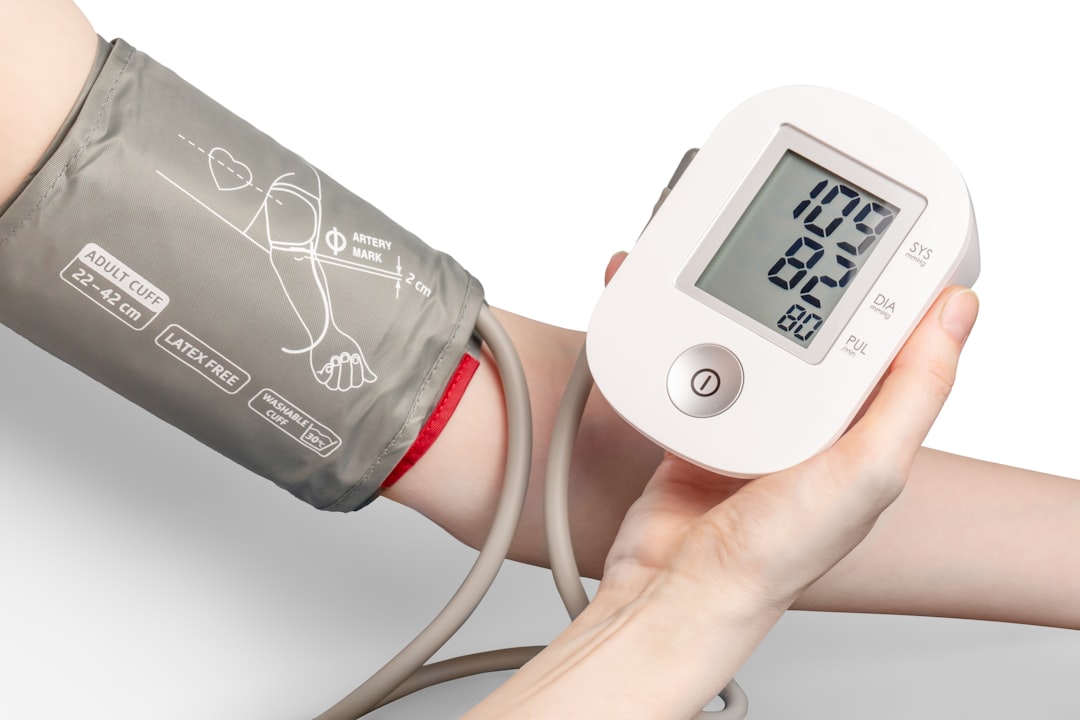
Hypertension, commonly referred to as high blood pressure, is a chronic medical condition characterized by elevated pressure in the arteries. Blood pressure is measured in millimeters of mercury (mmHg) and is expressed with two numbers: systolic pressure (the pressure in arteries when the heart beats) over diastolic pressure (the pressure in arteries when the heart rests between beats). A normal blood pressure reading is typically around 120/80 mmHg.
Hypertension is diagnosed when blood pressure readings consistently exceed 130/80 mmHg. This condition can be classified into two main categories: primary (essential) hypertension, which has no identifiable cause, and secondary hypertension, which results from underlying health issues such as kidney disease or hormonal disorders. The prevalence of hypertension is staggering, affecting approximately 1.13 billion people worldwide, according to the World Health Organization.
This condition often goes unnoticed due to its asymptomatic nature, leading to its designation as a “silent killer.” Chronic hypertension can lead to severe complications, including heart disease, stroke, and kidney failure. Understanding the mechanisms behind hypertension is crucial for effective management and prevention strategies.
Key Takeaways
- Hypertension is a condition characterized by high blood pressure, which can lead to serious health complications.
- Hypertension can have a significant impact on the heart, increasing the risk of heart disease and other cardiovascular issues.
- Risk factors for hypertension and heart disease include genetics, age, unhealthy diet, lack of physical activity, and smoking.
- Lifestyle changes such as regular exercise, healthy diet, stress management, and limiting alcohol intake can help manage hypertension and reduce the risk of heart disease.
- Regular blood pressure monitoring is crucial for early detection and management of hypertension, as well as preventing potential heart complications.
The Impact of Hypertension on the Heart
Hypertension exerts significant strain on the cardiovascular system, leading to various structural and functional changes in the heart. Over time, the increased pressure causes the heart muscle to thicken, a condition known as left ventricular hypertrophy (LVH). This adaptation may initially help the heart cope with the elevated workload; however, it ultimately compromises cardiac efficiency and increases the risk of heart failure.
Moreover, hypertension can lead to coronary artery disease (CAD), where the arteries supplying blood to the heart become narrowed or blocked due to plaque buildup. This condition can result in angina (chest pain) or myocardial infarction (heart attack). The relationship between hypertension and heart disease is well-established; studies indicate that individuals with untreated high blood pressure are at a significantly higher risk of developing cardiovascular complications compared to those with normal blood pressure levels.
Risk Factors for Hypertension and Heart Disease
Several risk factors contribute to the development of hypertension and subsequent heart disease. These factors can be categorized into modifiable and non-modifiable categories. Non-modifiable risk factors include age, gender, and family history.
As individuals age, their blood vessels become less elastic, increasing the likelihood of elevated blood pressure. Men are generally at a higher risk than women until women reach menopause, after which their risk increases. Modifiable risk factors encompass lifestyle choices and health conditions that can be altered to reduce hypertension risk.
These include obesity, physical inactivity, excessive alcohol consumption, smoking, high sodium intake, and poor dietary habits. Additionally, conditions such as diabetes mellitus and hyperlipidemia significantly elevate the risk of developing hypertension and heart disease. Addressing these modifiable factors through lifestyle changes can substantially decrease the incidence of hypertension-related complications.
The Role of Lifestyle in Managing Hypertension and Heart Disease
| Category | Metrics |
|---|---|
| Physical Activity | 150 minutes of moderate-intensity exercise per week |
| Diet | Limit sodium intake to less than 2,300 mg per day |
| Weight Management | Maintain a healthy body weight (BMI of 18.5-24.9) |
| Stress Management | Practice relaxation techniques and mindfulness |
| Smoking Cessation | Avoid tobacco and smoking |
Lifestyle modifications play a pivotal role in managing hypertension and reducing the risk of heart disease. A balanced diet rich in fruits, vegetables, whole grains, lean proteins, and healthy fats is essential for maintaining optimal blood pressure levels. The Dietary Approaches to Stop Hypertension (DASH) diet is particularly effective; it emphasizes low sodium intake while promoting nutrient-dense foods that support cardiovascular health.
Regular physical activity is another cornerstone of hypertension management. Engaging in at least 150 minutes of moderate-intensity aerobic exercise per week can help lower blood pressure and improve overall cardiovascular fitness. Activities such as walking, cycling, swimming, and strength training are beneficial for maintaining a healthy weight and reducing stress levels.
Furthermore, stress management techniques such as mindfulness meditation, yoga, and deep-breathing exercises can help mitigate the physiological effects of stress on blood pressure. Avoiding tobacco products and limiting alcohol consumption are also critical components of a heart-healthy lifestyle.
The Connection Between Hypertension and Atherosclerosis
Atherosclerosis is a progressive condition characterized by the buildup of fatty deposits (plaques) within arterial walls, leading to narrowed arteries and reduced blood flow. Hypertension accelerates this process by causing endothelial injury and promoting inflammation within blood vessels. The increased shear stress from elevated blood pressure contributes to endothelial dysfunction, which is a precursor to atherosclerosis.
As atherosclerosis progresses, it can lead to serious cardiovascular events such as heart attacks and strokes. The relationship between hypertension and atherosclerosis underscores the importance of early detection and management of high blood pressure to prevent the development of arterial plaque formation. Regular monitoring of blood pressure levels and adopting preventive measures can significantly reduce the risk of atherosclerosis-related complications.
Hypertension and its Effect on the Heart’s Function
The impact of hypertension on cardiac function is profound and multifaceted. Chronic high blood pressure leads to alterations in both systolic and diastolic function. Systolic dysfunction occurs when the heart’s ability to contract effectively diminishes due to increased workload and hypertrophy.
Conversely, diastolic dysfunction arises when the heart struggles to relax properly between beats, leading to impaired filling of the ventricles. These functional impairments can manifest as symptoms such as shortness of breath, fatigue, and exercise intolerance. Over time, untreated hypertension can culminate in heart failure—a condition where the heart cannot pump sufficient blood to meet the body’s needs.
The interplay between hypertension and cardiac function highlights the necessity for timely intervention and ongoing management strategies.
The Importance of Regular Blood Pressure Monitoring
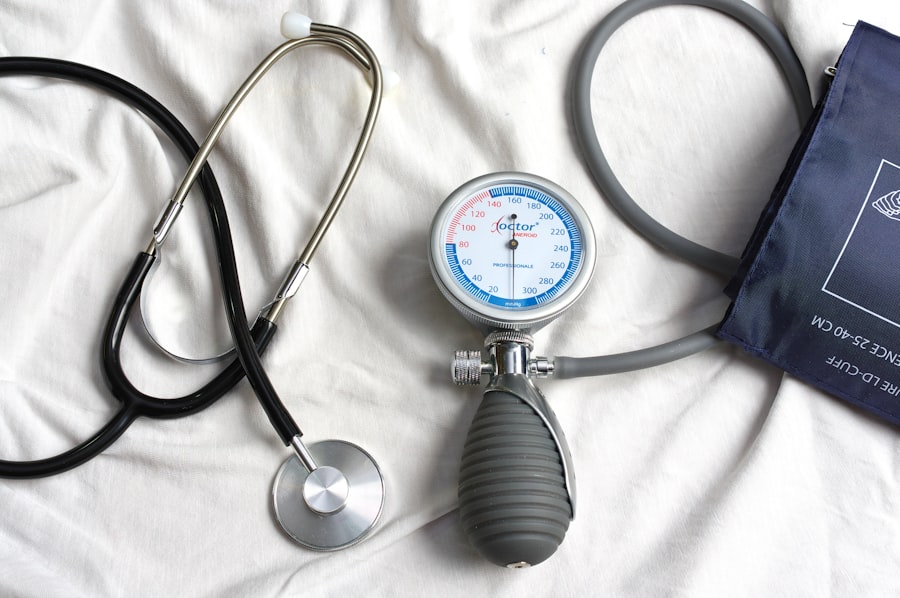
Regular blood pressure monitoring is essential for individuals at risk for hypertension or those already diagnosed with the condition. Home blood pressure monitors provide an accessible means for patients to track their readings consistently. Healthcare providers recommend measuring blood pressure at different times throughout the day to obtain an accurate assessment of an individual’s baseline levels.
Monitoring allows for early detection of fluctuations in blood pressure that may necessitate adjustments in treatment plans or lifestyle modifications. Additionally, it empowers patients by fostering awareness of their health status and encouraging adherence to prescribed interventions. Regular check-ups with healthcare professionals are also crucial for evaluating overall cardiovascular health and making necessary adjustments to management strategies.
Treatment Options for Hypertension and Heart Disease
The treatment landscape for hypertension encompasses both pharmacological and non-pharmacological approaches. First-line pharmacotherapy typically includes diuretics, ACE inhibitors, angiotensin II receptor blockers (ARBs), calcium channel blockers, and beta-blockers. Each class of medication works through different mechanisms to lower blood pressure effectively.
For instance, diuretics promote sodium excretion through urine, reducing blood volume and subsequently lowering blood pressure. ACE inhibitors block the conversion of angiotensin I to angiotensin II—a potent vasoconstrictor—thereby promoting vasodilation and reducing vascular resistance. ARBs function similarly by blocking angiotensin II receptors directly.
In addition to medication, lifestyle modifications remain integral to treatment plans. Patients are encouraged to adopt heart-healthy diets, engage in regular physical activity, manage stress levels, and avoid tobacco use. In some cases where lifestyle changes alone are insufficient, combination therapy may be necessary to achieve target blood pressure goals.
The Link Between Hypertension and Heart Attack
The association between hypertension and heart attack is well-documented in medical literature. Elevated blood pressure contributes to coronary artery disease by promoting atherosclerosis—a process that narrows coronary arteries and restricts blood flow to the heart muscle. When oxygen supply becomes insufficient due to narrowed arteries or complete blockage from a clot, myocardial ischemia occurs, leading to a heart attack.
Individuals with uncontrolled hypertension are at a significantly higher risk for experiencing acute coronary events compared to those with well-managed blood pressure levels. Preventive measures such as regular monitoring, adherence to treatment regimens, and lifestyle modifications are crucial for reducing this risk.
Hypertension and its Relationship to Stroke
Hypertension is one of the most significant modifiable risk factors for stroke—an event characterized by disrupted blood flow to the brain due to either ischemia or hemorrhage. Chronic high blood pressure weakens arterial walls over time, increasing susceptibility to rupture or blockage by clots.
Hemorrhagic strokes result from ruptured blood vessels due to elevated pressures causing vessel wall damage. Both types of strokes can lead to severe neurological deficits or death. Effective management of hypertension through lifestyle changes and pharmacotherapy can significantly reduce stroke risk.
Regular monitoring of blood pressure levels is essential for identifying individuals at high risk for cerebrovascular events.
Preventing Hypertension and Heart Disease through Healthy Habits
Preventing hypertension and associated cardiovascular diseases hinges on adopting healthy lifestyle habits early in life. A balanced diet low in saturated fats, trans fats, cholesterol, sodium, and added sugars is vital for maintaining optimal cardiovascular health. Emphasizing whole foods such as fruits, vegetables, whole grains, lean proteins, and healthy fats can help mitigate hypertension risk.
Engaging in regular physical activity—aiming for at least 150 minutes per week—can help maintain a healthy weight while improving cardiovascular fitness. Additionally, avoiding tobacco products and limiting alcohol consumption are critical components of prevention strategies. Stress management techniques such as mindfulness practices or engaging in hobbies can also contribute positively to overall well-being.
Regular health check-ups that include blood pressure monitoring are essential for early detection of hypertension or other cardiovascular risk factors. In summary, hypertension is a prevalent condition with significant implications for cardiovascular health. Understanding its impact on the heart, recognizing risk factors, implementing lifestyle changes, monitoring blood pressure regularly, and adhering to treatment options are crucial steps in managing this silent killer effectively.
By prioritizing prevention through healthy habits, individuals can significantly reduce their risk of developing hypertension-related complications such as heart disease or stroke.
Hypertension and heart disease are serious health conditions that can have a significant impact on one’s overall well-being. According to a recent article on boogger.
It is important to stay informed and take proactive steps to manage these conditions in order to reduce the risk of complications.
FAQs
What is hypertension?
Hypertension, also known as high blood pressure, is a condition in which the force of the blood against the artery walls is consistently too high. This can lead to serious health problems, including heart disease.
What is heart disease?
Heart disease refers to a range of conditions that affect the heart, including coronary artery disease, heart rhythm problems, and heart defects. It is a leading cause of death worldwide and is often linked to risk factors such as hypertension.
How are hypertension and heart disease related?
Hypertension is a major risk factor for heart disease. Over time, the high pressure of the blood against the artery walls can cause damage to the arteries, leading to atherosclerosis (hardening of the arteries) and increasing the risk of heart attack, stroke, and other heart-related complications.
What are the symptoms of hypertension and heart disease?
Hypertension is often called the “silent killer” because it typically has no symptoms. However, some people with high blood pressure may experience headaches, shortness of breath, or nosebleeds. Symptoms of heart disease can include chest pain, shortness of breath, and fatigue.
How can hypertension and heart disease be prevented?
Preventing hypertension and heart disease involves maintaining a healthy lifestyle, including regular exercise, a balanced diet low in sodium and saturated fats, maintaining a healthy weight, managing stress, and avoiding tobacco and excessive alcohol consumption. Regular check-ups with a healthcare provider are also important for monitoring blood pressure and overall heart health.
What are the treatment options for hypertension and heart disease?
Treatment for hypertension may include lifestyle changes, such as diet and exercise, as well as medication to lower blood pressure. Treatment for heart disease may involve medications, medical procedures, and lifestyle changes, depending on the specific condition and severity. It is important for individuals with these conditions to work closely with their healthcare provider to develop a personalized treatment plan.