Now Reading: Understanding Coronary Artery Disease: Causes and Treatment
-
01
Understanding Coronary Artery Disease: Causes and Treatment
Understanding Coronary Artery Disease: Causes and Treatment
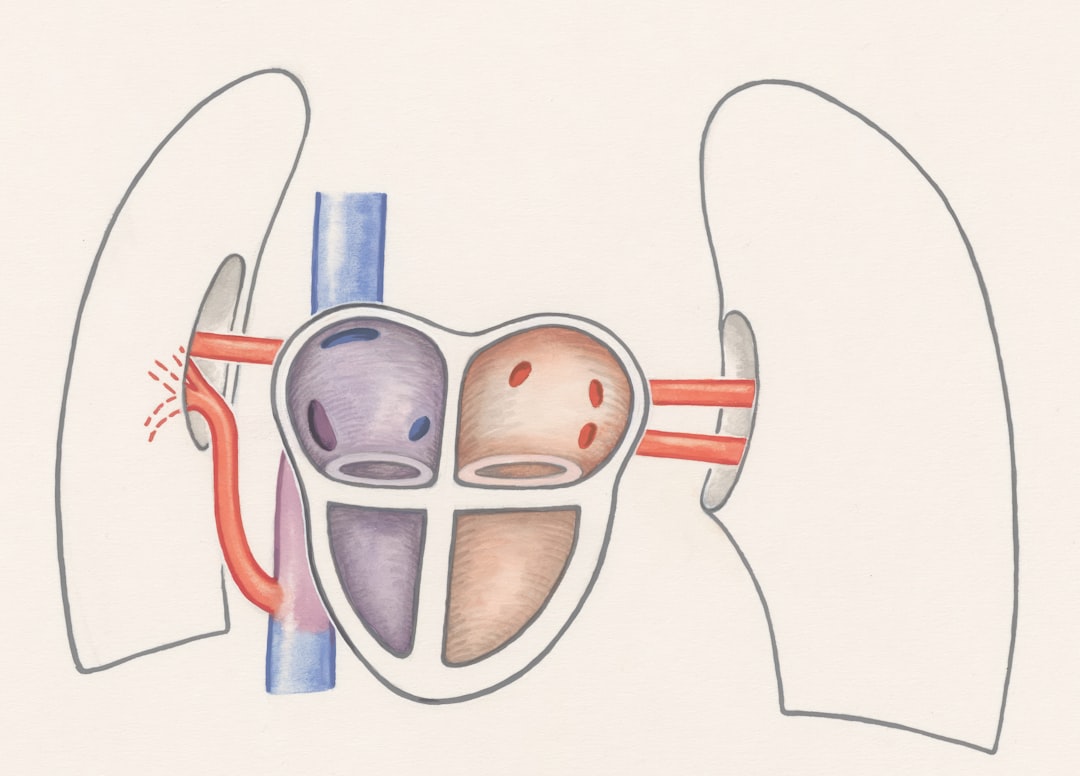
Coronary Artery Disease (CAD) is a prevalent cardiovascular condition characterized by the narrowing or blockage of the coronary arteries, which supply blood to the heart muscle. This condition is primarily caused by atherosclerosis, a process where fatty deposits, known as plaques, accumulate on the arterial walls, leading to reduced blood flow. CAD is a leading cause of morbidity and mortality worldwide, contributing significantly to heart attacks and other cardiovascular complications.
Understanding the intricacies of this disease is crucial for effective management and prevention. The impact of CAD extends beyond individual health, affecting healthcare systems and economies globally. In the United States alone, CAD accounts for approximately 697,000 deaths annually, making it a critical public health concern.
The complexity of CAD necessitates a comprehensive approach that encompasses prevention, early detection, and advanced treatment options. This article aims to provide an in-depth exploration of CAD, including its causes, risk factors, symptoms, diagnostic methods, treatment modalities, and future research directions.
Key Takeaways
- Coronary Artery Disease (CAD) is a condition where the blood vessels that supply the heart with oxygen and nutrients become narrowed or blocked.
- Causes of CAD include atherosclerosis, which is the buildup of plaque in the arteries, and inflammation.
- Risk factors for CAD include high blood pressure, high cholesterol, smoking, diabetes, and a family history of heart disease.
- Symptoms of CAD can include chest pain, shortness of breath, and fatigue, and diagnosis is typically made through a combination of medical history, physical examination, and tests such as an electrocardiogram or stress test.
- Lifestyle changes such as regular exercise, a healthy diet, and quitting smoking can help prevent and manage CAD, along with medications and procedures such as angioplasty, stent placement, and bypass surgery.
Understanding the Causes of Coronary Artery Disease
The primary cause of CAD is atherosclerosis, a multifactorial process influenced by various biological and environmental factors. Atherosclerosis begins with endothelial injury, which can be triggered by factors such as hypertension, hyperlipidemia, smoking, and diabetes mellitus. Once the endothelium is damaged, low-density lipoprotein (LDL) cholesterol infiltrates the arterial wall, leading to inflammation and plaque formation.
Over time, these plaques can calcify and harden, resulting in significant arterial stenosis. In addition to atherosclerosis, other less common causes of CAD include coronary artery spasm and congenital heart defects. Coronary artery spasm can occur due to stress, smoking, or drug use (such as cocaine), leading to temporary reductions in blood flow.
Congenital heart defects may predispose individuals to CAD at an earlier age due to structural abnormalities in the coronary arteries. Understanding these underlying mechanisms is essential for developing targeted interventions and preventive strategies.
Risk Factors for Coronary Artery Disease
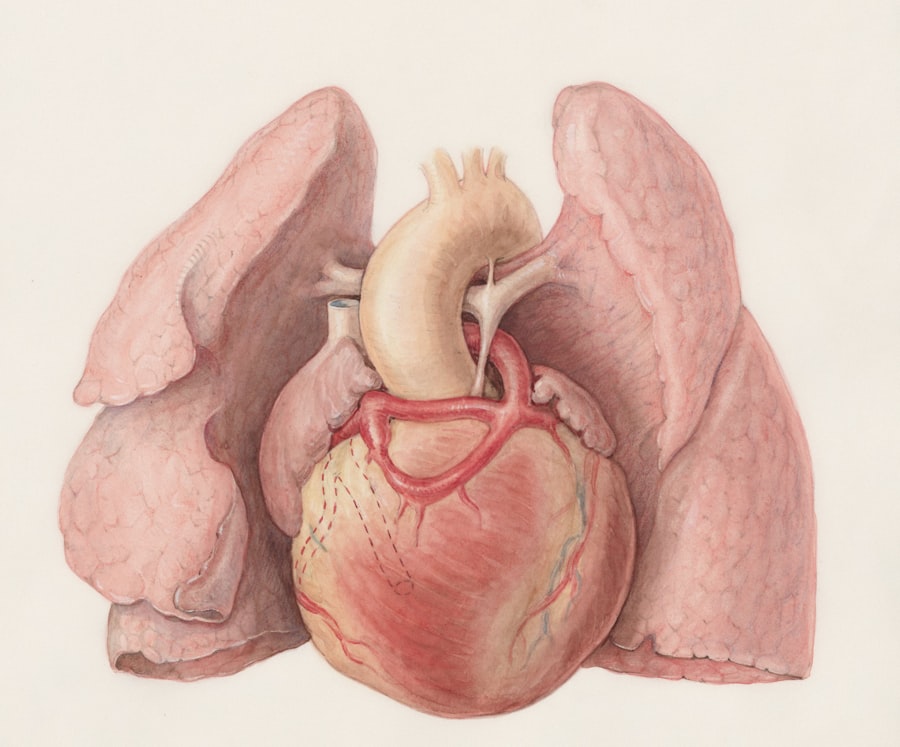
Several risk factors contribute to the development of CAD, which can be categorized into modifiable and non-modifiable factors. Non-modifiable risk factors include age, gender, and family history. As individuals age, the risk of developing CAD increases significantly; men are generally at higher risk than women until menopause when women’s risk approaches that of men.
A family history of premature coronary artery disease can also indicate a genetic predisposition. Modifiable risk factors play a crucial role in the prevention and management of CAD. These include hypertension, hyperlipidemia, diabetes mellitus, obesity, physical inactivity, smoking, and poor dietary habits.
Elevated blood pressure can damage arterial walls over time, while high levels of LDL cholesterol contribute to plaque formation. Diabetes mellitus accelerates atherosclerosis due to increased inflammation and oxidative stress. Lifestyle modifications targeting these risk factors can significantly reduce the incidence of CAD.
Symptoms and Diagnosis of Coronary Artery Disease
| Symptoms | Diagnosis |
|---|---|
| Chest pain or discomfort | Electrocardiogram (ECG) |
| Shortness of breath | Stress test |
| Heart palpitations | Coronary angiography |
| Fatigue | Blood tests for cholesterol and other markers |
| Dizziness or lightheadedness | Cardiac CT scan |
The clinical presentation of CAD can vary widely among individuals. Common symptoms include angina pectoris (chest pain or discomfort), shortness of breath, fatigue, and palpitations.
In some cases, individuals may experience atypical symptoms such as indigestion or nausea, particularly in women. Diagnosis of CAD typically involves a combination of clinical evaluation and diagnostic testing. Healthcare providers may perform a thorough medical history assessment and physical examination to identify risk factors and symptoms.
Non-invasive tests such as electrocardiograms (ECGs), stress tests, and echocardiograms can help assess cardiac function and blood flow. In more complex cases, invasive procedures like coronary angiography may be employed to visualize the coronary arteries directly.
Lifestyle Changes and Prevention of Coronary Artery Disease
Preventing CAD requires a multifaceted approach that emphasizes lifestyle modifications aimed at reducing risk factors. Regular physical activity is paramount; engaging in at least 150 minutes of moderate-intensity aerobic exercise weekly can improve cardiovascular health significantly. Exercise helps lower blood pressure, improve lipid profiles, and enhance overall fitness.
Dietary changes are equally important in preventing CAD. Adopting a heart-healthy diet rich in fruits, vegetables, whole grains, lean proteins, and healthy fats can help manage weight and cholesterol levels. The Mediterranean diet is often recommended due to its emphasis on healthy fats from sources like olive oil and fish while minimizing saturated fats and processed foods.
Additionally, smoking cessation is critical; quitting smoking can reduce the risk of CAD by improving endothelial function and lowering blood pressure.
Medications for Coronary Artery Disease
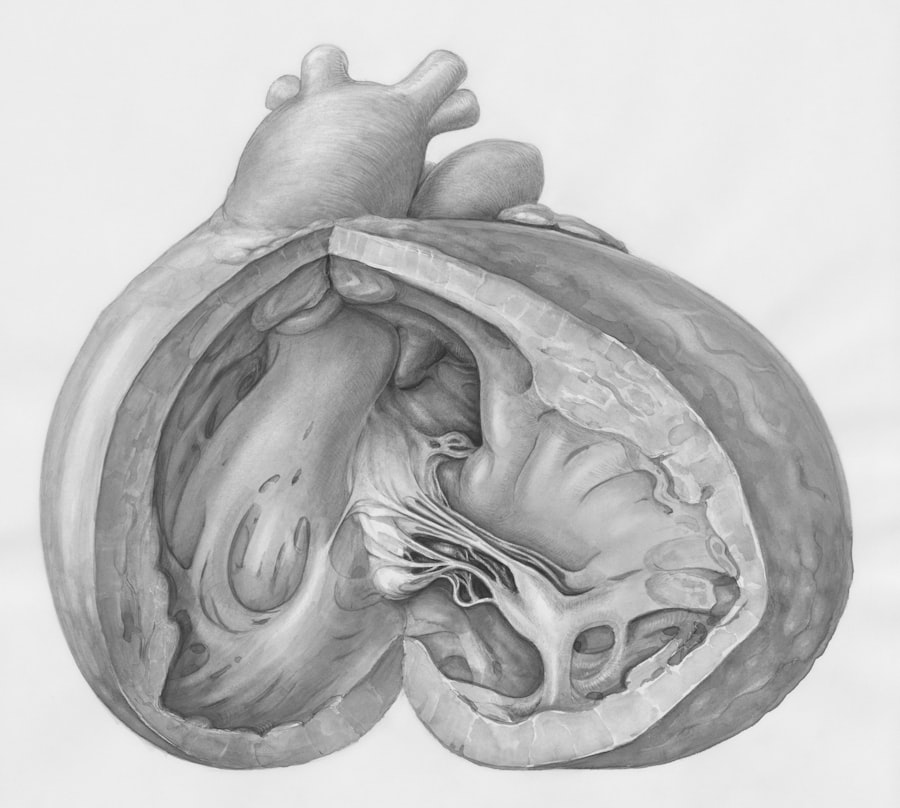
Pharmacological management plays a vital role in treating CAD and preventing its complications. Several classes of medications are commonly prescribed to manage this condition effectively: 1. **Antiplatelet Agents**: Aspirin is often used to reduce the risk of thrombus formation by inhibiting platelet aggregation.
Clopidogrel may be prescribed for patients who are intolerant to aspirin or require additional protection. 2. **Statins**: These lipid-lowering agents are essential for managing hyperlipidemia by reducing LDL cholesterol levels and stabilizing plaques within the arteries.
3. **Beta-Blockers**: These medications help lower heart rate and blood pressure while reducing myocardial oxygen demand during episodes of angina. 4.
**ACE Inhibitors**: Angiotensin-converting enzyme inhibitors are beneficial for patients with hypertension or heart failure by promoting vasodilation and reducing cardiac workload. 5. **Nitrates**: These agents are used for symptomatic relief of angina by dilating coronary arteries and improving blood flow to the heart muscle.
The choice of medication depends on individual patient profiles and comorbidities; therefore, it is essential for healthcare providers to tailor treatment plans accordingly.
Angioplasty and Stent Placement for Coronary Artery Disease
Percutaneous coronary intervention (PCI), commonly known as angioplasty with stent placement, is a minimally invasive procedure used to treat obstructed coronary arteries. During this procedure, a catheter with a balloon at its tip is inserted into the affected artery. Once positioned at the site of stenosis, the balloon is inflated to compress the plaque against the arterial wall, thereby widening the vessel lumen.
Following balloon angioplasty, a stent—a small mesh-like device—is often deployed to maintain arterial patency and prevent restenosis (re-narrowing). Stents can be bare-metal or drug-eluting; drug-eluting stents release medication that inhibits cell proliferation and reduces the risk of restenosis over time. PCI has been shown to improve symptoms significantly and enhance quality of life for patients with CAD.
Coronary Artery Bypass Surgery
Coronary artery bypass grafting (CABG) is a surgical intervention indicated for patients with severe CAD or those who have not responded adequately to medical therapy or PCI. During CABG, surgeons create new pathways for blood flow by grafting healthy blood vessels from other parts of the body (such as the saphenous vein or internal mammary artery) to bypass blocked coronary arteries. CABG has been associated with improved survival rates in patients with extensive coronary artery disease or those with left main coronary artery involvement.
The procedure can alleviate angina symptoms effectively while enhancing overall cardiac function. However, it requires careful preoperative assessment and postoperative management to minimize complications such as infection or graft failure.
Cardiac Rehabilitation for Coronary Artery Disease
Cardiac rehabilitation is an essential component of comprehensive care for individuals with CAD following diagnosis or intervention. This structured program typically includes supervised exercise training, education on heart-healthy living, nutritional counseling, and psychosocial support aimed at promoting recovery and preventing future cardiovascular events. Participants in cardiac rehabilitation programs often experience improved exercise tolerance, reduced anxiety levels, and enhanced quality of life.
Studies have shown that engaging in cardiac rehabilitation can lead to significant reductions in mortality rates among patients with CAD. The multidisciplinary approach ensures that patients receive holistic care tailored to their specific needs.
Managing Complications of Coronary Artery Disease
Complications arising from CAD can significantly impact patient outcomes if not managed appropriately. Common complications include heart failure, arrhythmias, myocardial infarction (heart attack), and sudden cardiac death. Early recognition of these complications is crucial for timely intervention.
Management strategies may involve optimizing pharmacotherapy to control heart failure symptoms or arrhythmias while providing education on recognizing warning signs such as chest pain or shortness of breath. Regular follow-up appointments are essential for monitoring disease progression and adjusting treatment plans accordingly.
Future Research and Treatment Options for Coronary Artery Disease
Ongoing research into CAD aims to uncover novel therapeutic targets and improve existing treatment modalities. Advances in genomics may lead to personalized medicine approaches that tailor interventions based on individual genetic profiles. Additionally, studies exploring regenerative medicine techniques such as stem cell therapy hold promise for repairing damaged cardiac tissue.
Innovations in minimally invasive surgical techniques continue to evolve as well; robotic-assisted surgeries may enhance precision while reducing recovery times for patients undergoing CABG or other interventions. Furthermore, wearable technology that monitors cardiovascular health in real-time could revolutionize patient management by providing continuous data on heart function. In conclusion, Coronary Artery Disease remains a significant public health challenge requiring comprehensive understanding and management strategies.
By addressing modifiable risk factors through lifestyle changes and utilizing advanced medical therapies and surgical interventions when necessary, healthcare providers can improve patient outcomes significantly while reducing the burden of this condition on society as a whole. ### FAQ Section 1. **What are the early signs of Coronary Artery Disease?**
– Early signs may include mild chest discomfort (angina), shortness of breath during exertion, fatigue during physical activity, or atypical symptoms like indigestion.
2. **How is Coronary Artery Disease diagnosed?**
– Diagnosis typically involves a combination of medical history assessment, physical examination, ECGs, stress tests, echocardiograms, and possibly coronary angiography. 3.
**What lifestyle changes can help prevent Coronary Artery Disease?**
– Key lifestyle changes include regular exercise (150 minutes weekly), adopting a heart-healthy diet rich in fruits and vegetables, quitting smoking, managing stress levels, and maintaining a healthy weight. 4. **What medications are commonly prescribed for CAD?**
– Common medications include antiplatelet agents (aspirin), statins for cholesterol management, beta-blockers for heart rate control, ACE inhibitors for hypertension management, and nitrates for angina relief.
5. **What is the role of angioplasty in treating CAD?**
– Angioplasty is a minimally invasive procedure that opens blocked coronary arteries using a balloon catheter; stents may be placed to maintain arterial patency post-procedure. 6.
**When is Coronary Artery Bypass Surgery necessary?**
– CABG is indicated for patients with severe CAD who have not responded adequately to medical therapy or PCI or those with extensive blockages affecting multiple vessels. 7. **What does cardiac rehabilitation involve?**
– Cardiac rehabilitation includes supervised exercise training programs combined with education on lifestyle modifications aimed at improving cardiovascular health post-diagnosis or intervention.
8. **How can complications from CAD be managed?**
– Complications can be managed through optimized pharmacotherapy tailored to individual needs while ensuring regular follow-up appointments for monitoring disease progression. 9.
**What advancements are being made in CAD research?**
– Research focuses on personalized medicine approaches based on genetic profiles, regenerative medicine techniques like stem cell therapy, minimally invasive surgical innovations, and wearable technology for real-time monitoring. 10. **Is it possible to reverse Coronary Artery Disease?**
– While complete reversal may not be feasible for everyone, significant improvements in symptoms and progression can be achieved through aggressive lifestyle changes combined with appropriate medical therapies.
In summary, understanding Coronary Artery Disease encompasses recognizing its causes and risk factors while implementing effective prevention strategies through lifestyle modifications and medical interventions. With ongoing research paving the way for innovative treatments and management approaches, there is hope for improved outcomes for individuals affected by this condition.
If you are interested in learning more about coronary artery health, you may want to check out this article on investing in Amazon stock in 2025. While it may seem unrelated at first glance, understanding the financial implications of healthcare trends, such as advancements in coronary artery treatments, can provide valuable insights for investors looking to make informed decisions about their portfolios. By staying informed about both medical and financial news, you can gain a more comprehensive understanding of the factors that may impact your health and wealth in the future.
FAQs
What is a coronary artery?
A coronary artery is a blood vessel that supplies oxygenated blood to the heart muscle. There are two main coronary arteries, the left coronary artery and the right coronary artery, which branch off into smaller arteries and supply blood to different areas of the heart.
What is the function of the coronary artery?
The main function of the coronary artery is to deliver oxygenated blood to the heart muscle, allowing the heart to pump effectively and maintain its function. Without adequate blood supply from the coronary arteries, the heart muscle can become damaged, leading to serious health problems.
What are the common conditions affecting the coronary artery?
Common conditions affecting the coronary artery include coronary artery disease (CAD), which is caused by the buildup of plaque in the arteries, leading to reduced blood flow to the heart. This can result in chest pain (angina), heart attack, or other serious complications.
What are the risk factors for coronary artery disease?
Risk factors for coronary artery disease include high blood pressure, high cholesterol, smoking, diabetes, obesity, lack of physical activity, and a family history of heart disease. These factors can contribute to the development of plaque in the coronary arteries and increase the risk of heart-related problems.
How is coronary artery disease diagnosed and treated?
Coronary artery disease can be diagnosed through various tests such as a stress test, coronary angiography, or cardiac CT scan. Treatment options may include lifestyle changes, medications, angioplasty and stenting, or coronary artery bypass surgery, depending on the severity of the condition.