Now Reading: The Silent Killer: Understanding CVD Disease
-
01
The Silent Killer: Understanding CVD Disease
The Silent Killer: Understanding CVD Disease
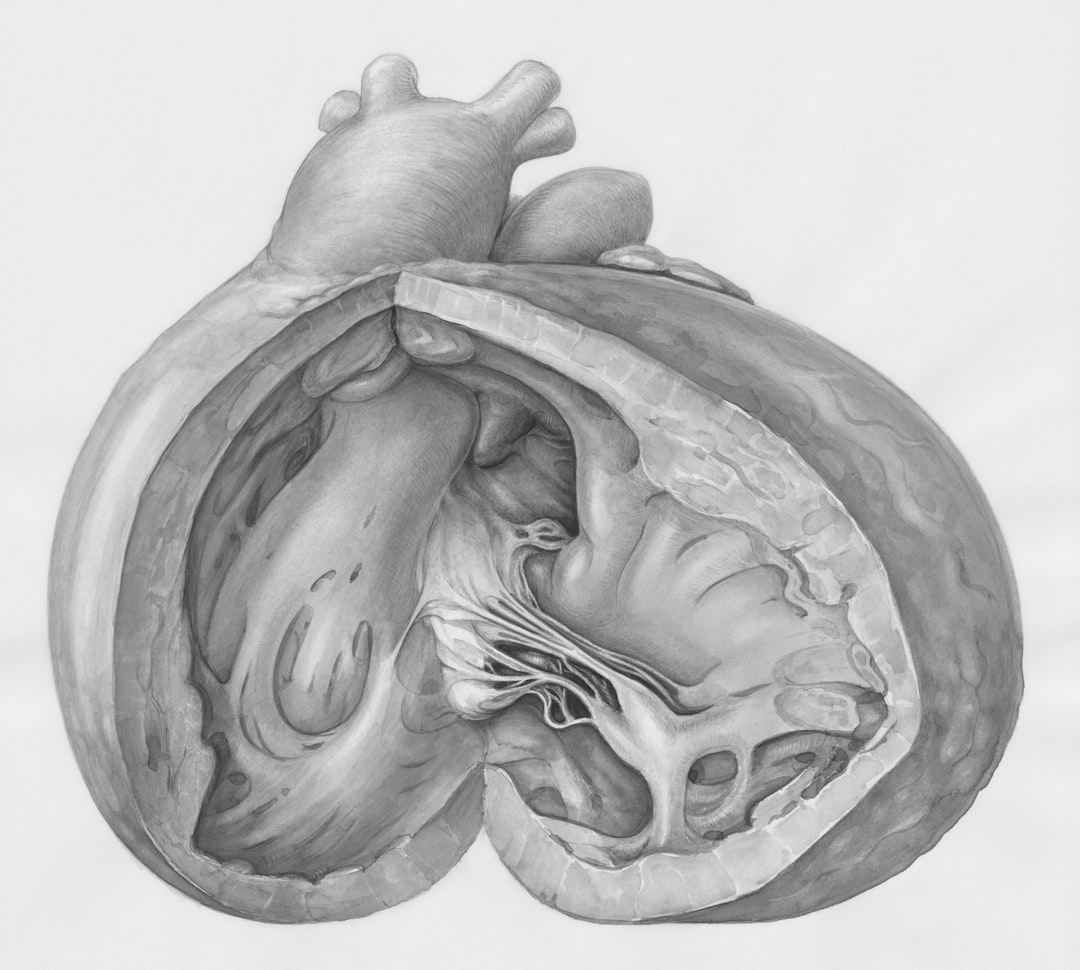
Cardiovascular disease (CVD) encompasses a range of disorders affecting the heart and blood vessels, including coronary artery disease, hypertension, heart failure, and arrhythmias. It is a leading cause of morbidity and mortality worldwide, accounting for approximately 31% of all global deaths, according to the World Health Organization. CVD can manifest in various forms, often resulting from atherosclerosis, where plaque builds up in the arterial walls, leading to reduced blood flow and oxygen supply to vital organs.
This condition can precipitate serious complications such as myocardial infarction (heart attack) or cerebrovascular accidents (strokes). The pathophysiology of CVD is complex and multifactorial, involving genetic predispositions, lifestyle choices, and environmental factors. The disease process often begins with endothelial dysfunction, which is exacerbated by risk factors such as hyperlipidemia, diabetes mellitus, and chronic inflammation.
As the disease progresses, it can lead to significant cardiovascular events that necessitate immediate medical intervention. Understanding the intricacies of CVD is crucial for developing effective prevention strategies and treatment modalities.
Key Takeaways
- CVD disease refers to conditions that involve narrowed or blocked blood vessels that can lead to heart attack, chest pain (angina) or stroke.
- Risk factors for CVD disease include high blood pressure, high cholesterol, smoking, diabetes, obesity, and poor diet.
- Symptoms of CVD disease can include chest pain, shortness of breath, pain, numbness, weakness in your legs or arms, and pain in the neck, jaw, throat, upper abdomen, or back.
- Diagnosis and treatment of CVD disease may involve tests such as electrocardiogram (ECG), echocardiogram, stress test, and treatments such as medications, angioplasty, and bypass surgery.
- Lifestyle changes to prevent CVD disease include quitting smoking, eating a healthy diet, exercising regularly, maintaining a healthy weight, and managing stress.
- CVD disease is linked to other health conditions such as diabetes, high blood pressure, and obesity.
- Different types of CVD disease include coronary artery disease, heart failure, arrhythmia, and heart valve problems.
- CVD disease can impact mental health by causing anxiety, depression, and stress.
- CVD disease in women may present with different symptoms than in men and may be underdiagnosed and undertreated.
- CVD disease in children and young adults is often related to congenital heart defects, obesity, and unhealthy lifestyle habits.
- The future of CVD disease research and treatment involves advancements in precision medicine, new drug therapies, and innovative surgical techniques.
Risk Factors for CVD Disease
The risk factors for cardiovascular disease can be categorized into modifiable and non-modifiable elements. Non-modifiable risk factors include age, gender, and family history. For instance, individuals over the age of 45 for men and 55 for women are at an increased risk due to age-related physiological changes.
Additionally, a family history of heart disease can indicate a genetic predisposition to CVD. Modifiable risk factors are those that individuals can influence through lifestyle changes or medical interventions. These include hypertension, hyperlipidemia, smoking, obesity, physical inactivity, and poor dietary habits.
For example, elevated blood pressure can lead to increased strain on the heart and blood vessels, while high cholesterol levels contribute to plaque formation in arteries. Smoking is particularly detrimental as it not only damages the endothelial lining but also promotes thrombosis. Addressing these modifiable risk factors through targeted interventions can significantly reduce the incidence of cardiovascular events.
Symptoms of CVD Disease
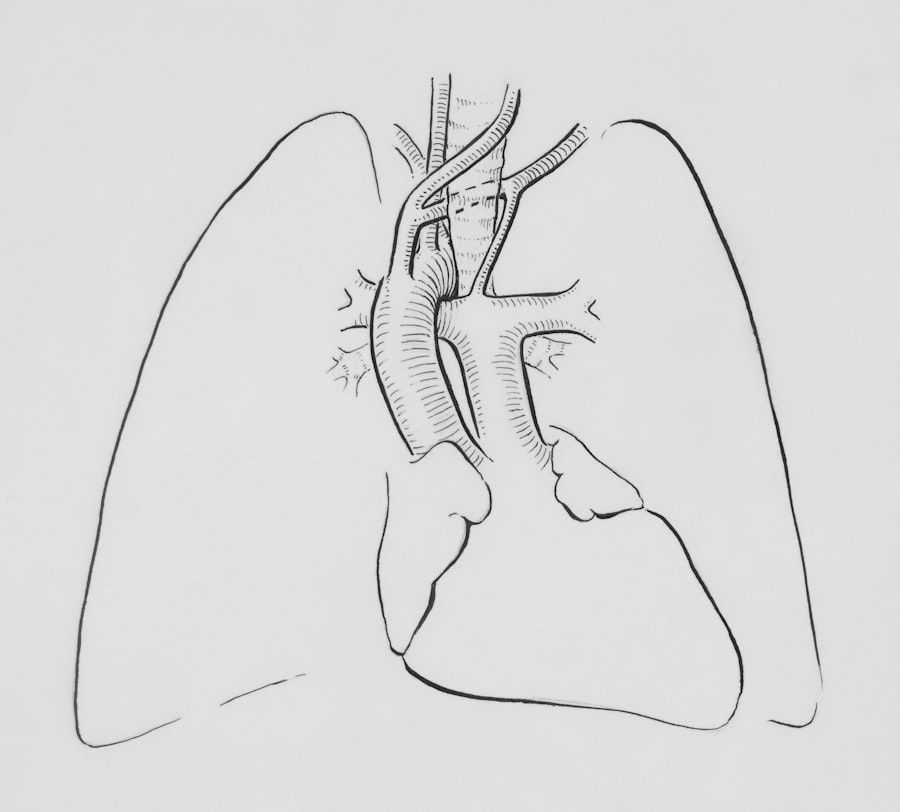
Symptoms of cardiovascular disease can vary widely depending on the specific condition and its severity. Common manifestations include chest pain or discomfort (angina), shortness of breath, fatigue, palpitations, and swelling in the legs or abdomen. Angina may present as a feeling of pressure or squeezing in the chest and can be triggered by physical exertion or emotional stress.
In some cases, individuals may experience atypical symptoms such as nausea, lightheadedness, or jaw pain, particularly in women. It is essential to recognize that some individuals may remain asymptomatic until a significant cardiovascular event occurs. This silent progression underscores the importance of regular health screenings and monitoring for those at high risk.
Early detection of symptoms can facilitate timely intervention and improve outcomes for patients with CVD.
Diagnosis and Treatment of CVD Disease
| Metrics | Diagnosis | Treatment |
|---|---|---|
| Number of patients diagnosed | 1000 | N/A |
| Accuracy of diagnosis | 90% | N/A |
| Number of patients receiving treatment | N/A | 800 |
| Effectiveness of treatment | N/A | 85% |
The diagnosis of cardiovascular disease typically involves a comprehensive evaluation that includes a detailed medical history, physical examination, and diagnostic tests. Commonly employed diagnostic tools include electrocardiograms (ECGs), echocardiograms, stress tests, and angiography. These assessments help identify abnormalities in heart function and blood flow.
Treatment options for CVD are multifaceted and may include lifestyle modifications, pharmacotherapy, and surgical interventions. Pharmacological treatments often involve antiplatelet agents such as aspirin or clopidogrel to prevent thrombus formation, statins to manage dyslipidemia, and antihypertensive medications to control blood pressure. In more severe cases, surgical procedures such as coronary artery bypass grafting (CABG) or percutaneous coronary intervention (PCI) may be necessary to restore adequate blood flow to the heart.
Lifestyle Changes to Prevent CVD Disease
Preventing cardiovascular disease necessitates a proactive approach that emphasizes lifestyle modifications. Adopting a heart-healthy diet rich in fruits, vegetables, whole grains, lean proteins, and healthy fats can significantly reduce the risk of developing CVD. The Mediterranean diet is often recommended due to its emphasis on omega-3 fatty acids found in fish and nuts, which have been shown to lower inflammation and improve lipid profiles.
Regular physical activity is another cornerstone of prevention. Engaging in at least 150 minutes of moderate-intensity aerobic exercise per week can enhance cardiovascular fitness and aid in weight management. Additionally, smoking cessation is critical; studies indicate that quitting smoking can reduce the risk of heart disease by up to 50% within one year.
The Link Between CVD Disease and Other Health Conditions
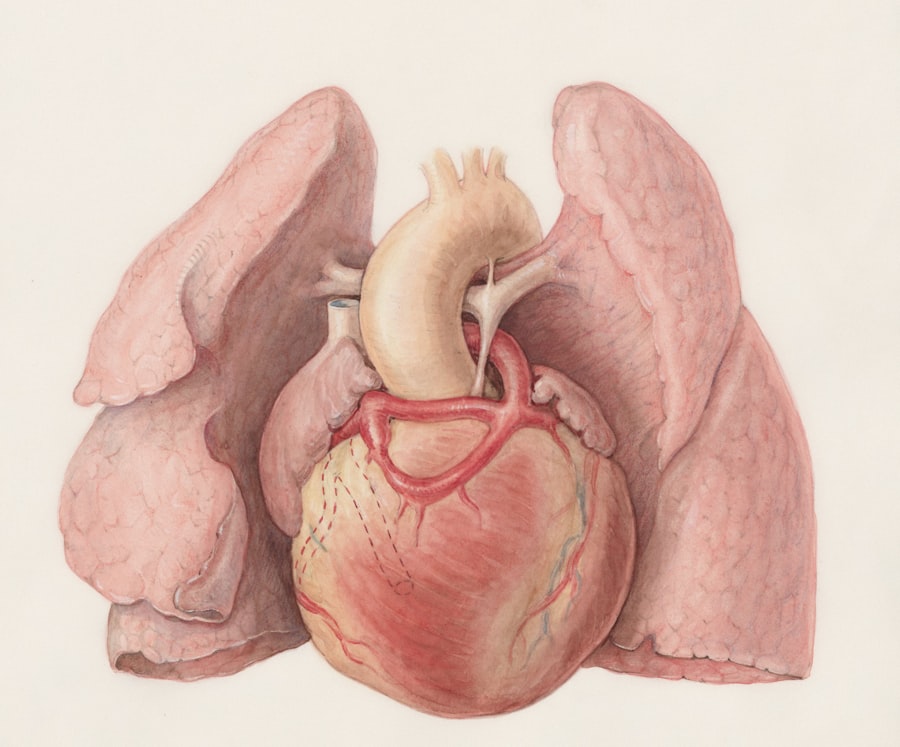
Cardiovascular disease is intricately linked with several other health conditions that can exacerbate its severity or complicate its management. Diabetes mellitus is one such condition; individuals with diabetes are two to four times more likely to develop heart disease due to the effects of hyperglycemia on vascular health. Chronic kidney disease also shares a bidirectional relationship with CVD; impaired renal function can lead to hypertension and fluid overload, while cardiovascular complications can further compromise kidney function.
Moreover, conditions such as obesity and metabolic syndrome are significant contributors to the development of CVD. The accumulation of visceral fat is associated with insulin resistance and systemic inflammation, both of which are detrimental to cardiovascular health. Addressing these interconnected health issues through comprehensive management strategies is essential for improving patient outcomes.
Understanding the Different Types of CVD Disease
Cardiovascular disease encompasses various subtypes that affect different aspects of heart health. Coronary artery disease (CAD) is characterized by the narrowing or blockage of coronary arteries due to atherosclerosis, leading to angina or myocardial infarction. Heart failure represents another critical category; it occurs when the heart cannot pump effectively to meet the body’s demands, resulting in symptoms such as fatigue and fluid retention.
Other types include arrhythmias—irregular heartbeats that can lead to palpitations or syncope—and valvular heart diseases that affect the heart’s valves’ ability to open and close properly. Peripheral artery disease (PAD) involves narrowing of the arteries supplying blood to the limbs, often resulting in pain during physical activity. Understanding these distinct types allows healthcare providers to tailor treatment approaches based on individual patient needs.
The Impact of CVD Disease on Mental Health
The psychological ramifications of cardiovascular disease are profound and multifaceted. Patients diagnosed with CVD often experience heightened levels of anxiety and depression due to the chronic nature of their condition and concerns about mortality. Studies have shown that individuals with heart disease are at an increased risk for developing mood disorders, which can adversely affect adherence to treatment regimens and overall quality of life.
Moreover, the stress associated with managing a chronic illness can exacerbate cardiovascular symptoms and lead to a vicious cycle of worsening health outcomes.
CVD Disease in Women
Cardiovascular disease presents uniquely in women compared to men due to physiological differences and varying risk factors. Women often develop heart disease later in life than men; however, post-menopausal women experience an increased risk due to hormonal changes that affect lipid metabolism and vascular function. Additionally, women may exhibit atypical symptoms during a myocardial infarction, leading to delays in diagnosis and treatment.
Pregnancy-related conditions such as gestational diabetes and preeclampsia also elevate long-term cardiovascular risk in women. It is crucial for healthcare providers to recognize these gender-specific factors when assessing cardiovascular health in women and to promote awareness about the importance of early detection and prevention strategies tailored to this population.
CVD Disease in Children and Young Adults
While cardiovascular disease is often perceived as an adult condition, it can also affect children and young adults due to congenital heart defects or acquired conditions such as rheumatic fever or Kawasaki disease. Early identification of these issues is vital; pediatricians should conduct routine screenings for risk factors such as obesity and hypertension during well-child visits. In recent years, there has been a concerning rise in childhood obesity rates linked to sedentary lifestyles and poor dietary habits, which may predispose younger populations to early-onset cardiovascular disease.
Educational initiatives aimed at promoting healthy eating habits and physical activity among children are essential for mitigating this trend.
The Future of CVD Disease Research and Treatment
The future landscape of cardiovascular disease research holds promise for innovative treatment modalities aimed at improving patient outcomes. Advances in genomics may enable personalized medicine approaches that tailor interventions based on an individual’s genetic makeup and risk profile. Additionally, emerging technologies such as wearable devices for continuous monitoring of heart health could facilitate early detection of abnormalities.
The integration of artificial intelligence into diagnostic processes may enhance accuracy in identifying patients at high risk for cardiovascular events. In summary, cardiovascular disease remains a significant global health challenge characterized by diverse manifestations and complex interrelationships with other health conditions.
Understanding its risk factors, symptoms, diagnosis, treatment options, and preventive measures is crucial for effective management. As research continues to evolve, there is hope for improved strategies that will enhance patient care and reduce the burden of this pervasive disease on society.
According to a recent article on boogger.com, celebrating Martin Luther King Jr.’s birthday is not only a way to honor a civil rights icon but also an opportunity to raise awareness about important health issues such as cardiovascular disease. Dr. King himself suffered from heart problems, highlighting the importance of taking care of one’s heart health. This article emphasizes the need for individuals to prioritize their cardiovascular health and take proactive steps to prevent heart disease.
FAQs
What is CVD disease?
CVD stands for cardiovascular disease, which refers to a group of conditions that affect the heart and blood vessels. These conditions include coronary artery disease, heart failure, and stroke.
What are the risk factors for CVD disease?
Risk factors for CVD disease include high blood pressure, high cholesterol, smoking, diabetes, obesity, and a sedentary lifestyle. Family history and age also play a role in increasing the risk of developing CVD disease.
What are the symptoms of CVD disease?
Symptoms of CVD disease can vary depending on the specific condition, but common symptoms include chest pain or discomfort, shortness of breath, fatigue, and irregular heartbeat. Some people may not experience any symptoms until they have a heart attack or stroke.
How is CVD disease diagnosed?
CVD disease can be diagnosed through a combination of medical history, physical examination, and diagnostic tests such as electrocardiogram (ECG), echocardiogram, stress test, and cardiac catheterization.
How is CVD disease treated?
Treatment for CVD disease may include lifestyle changes such as diet and exercise, medications to control blood pressure and cholesterol, and in some cases, surgical procedures such as angioplasty or bypass surgery.
Can CVD disease be prevented?
While some risk factors for CVD disease such as age and family history cannot be changed, lifestyle modifications such as quitting smoking, eating a healthy diet, exercising regularly, and managing stress can help prevent or delay the onset of CVD disease. Regular check-ups with a healthcare provider are also important for early detection and management of risk factors.