Now Reading: Understanding Cardiovascular Accidents
-
01
Understanding Cardiovascular Accidents
Understanding Cardiovascular Accidents
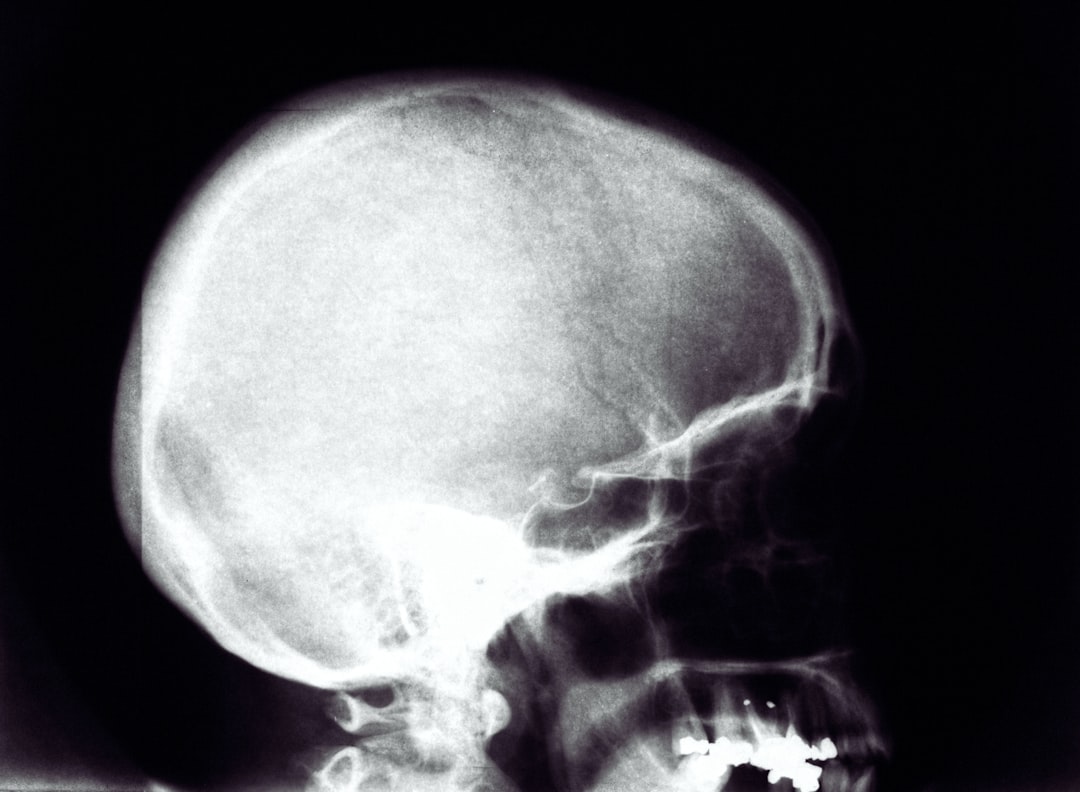
A cardiovascular accident, commonly referred to as a stroke, is a medical emergency that occurs when blood flow to a part of the brain is interrupted or reduced, preventing brain tissue from receiving necessary oxygen and nutrients. This interruption can lead to the death of brain cells within minutes, resulting in significant neurological impairment. The term “cardiovascular accident” encompasses both ischemic strokes, which are caused by blockages in blood vessels, and hemorrhagic strokes, which occur when a blood vessel ruptures.
Understanding the nature of these accidents is crucial for timely intervention and effective treatment. The impact of a cardiovascular accident can be profound, affecting not only the individual’s physical capabilities but also their cognitive functions and emotional well-being. The consequences can range from mild impairments to severe disabilities, necessitating comprehensive medical care and rehabilitation.
The urgency of recognizing the signs of a stroke cannot be overstated, as prompt treatment can significantly improve outcomes and reduce the risk of long-term complications.
Key Takeaways
- A cardiovascular accident, also known as a stroke, occurs when blood flow to the brain is interrupted, leading to brain damage.
- There are two main types of cardiovascular accidents: ischemic stroke, caused by a blood clot, and hemorrhagic stroke, caused by a burst blood vessel.
- Causes of cardiovascular accidents include high blood pressure, smoking, diabetes, and heart disease.
- Risk factors for cardiovascular accidents include age, family history, and race, as well as lifestyle factors such as diet and exercise.
- Signs and symptoms of cardiovascular accidents can include sudden numbness or weakness, confusion, trouble speaking or understanding, and severe headache.
Types of Cardiovascular Accidents
Cardiovascular accidents can be classified into two primary categories: ischemic and hemorrhagic strokes. Ischemic strokes account for approximately 87% of all stroke cases and occur when a blood clot obstructs a blood vessel supplying blood to the brain. This blockage can result from various factors, including thrombosis (a clot forming in a blood vessel) or embolism (a clot traveling from another part of the body).
This type of stroke can be further divided into intracerebral hemorrhage, where bleeding occurs within the brain tissue, and subarachnoid hemorrhage, which involves bleeding in the space surrounding the brain. Each type presents unique challenges in terms of diagnosis and treatment, underscoring the importance of understanding their distinctions.
Causes of Cardiovascular Accidents

The causes of cardiovascular accidents are multifaceted and can vary significantly between ischemic and hemorrhagic strokes. In ischemic strokes, common causes include atherosclerosis, where fatty deposits build up in arteries, narrowing them and increasing the risk of clot formation. Other contributing factors may include atrial fibrillation, a heart rhythm disorder that can lead to the formation of clots in the heart that may travel to the brain.
Hemorrhagic strokes are often linked to conditions that weaken blood vessels, such as hypertension (high blood pressure), aneurysms (bulges in blood vessels), or arteriovenous malformations (abnormal connections between arteries and veins). Additionally, certain lifestyle choices, such as excessive alcohol consumption or illicit drug use, can exacerbate these risks. Understanding these underlying causes is essential for developing effective prevention strategies.
Risk Factors for Cardiovascular Accidents
| Risk Factor | Description |
|---|---|
| High Blood Pressure | Elevated blood pressure increases the risk of cardiovascular accidents. |
| High Cholesterol | Elevated levels of cholesterol can lead to plaque buildup in the arteries, increasing the risk of cardiovascular accidents. |
| Smoking | Tobacco smoke contains chemicals that can damage the heart and blood vessels, increasing the risk of cardiovascular accidents. |
| Obesity | Excess body weight can lead to conditions such as diabetes and high blood pressure, increasing the risk of cardiovascular accidents. |
| Diabetes | Uncontrolled diabetes can damage blood vessels and the heart, increasing the risk of cardiovascular accidents. |
Several risk factors contribute to the likelihood of experiencing a cardiovascular accident. These factors can be categorized into non-modifiable and modifiable risks. Non-modifiable risk factors include age, gender, and family history.
For instance, individuals over the age of 55 are at a higher risk, as are men compared to women, particularly at younger ages. Modifiable risk factors encompass lifestyle choices and medical conditions that can be managed or altered. These include hypertension, diabetes mellitus, hyperlipidemia (high cholesterol levels), smoking, obesity, and physical inactivity.
Addressing these modifiable factors through lifestyle changes and medical interventions can significantly reduce the risk of stroke and improve overall cardiovascular health.
Signs and Symptoms of Cardiovascular Accidents
Recognizing the signs and symptoms of a cardiovascular accident is critical for prompt medical intervention. The acronym FAST is often used to help identify potential stroke symptoms: Face drooping (one side of the face may droop or feel numb), Arm weakness (one arm may be weak or numb), Speech difficulties (slurred speech or inability to speak), and Time to call emergency services (immediate action is essential). Other symptoms may include sudden confusion, trouble seeing in one or both eyes, and difficulty walking or maintaining balance.
It is important to note that symptoms can vary depending on the area of the brain affected and the severity of the stroke. Immediate recognition and response to these symptoms can significantly influence recovery outcomes.
Diagnosis of Cardiovascular Accidents

The diagnosis of a cardiovascular accident typically involves a combination of clinical evaluation and imaging studies. Upon arrival at a medical facility, healthcare professionals will conduct a thorough neurological examination to assess cognitive function, motor skills, and sensory responses. This assessment helps determine the extent of neurological impairment.
Imaging techniques such as computed tomography (CT) scans or magnetic resonance imaging (MRI) are crucial for visualizing brain structures and identifying the type of stroke. CT scans are often performed first due to their speed and availability; they can help rule out hemorrhagic strokes by detecting bleeding in the brain. MRI provides more detailed images and can identify ischemic strokes by revealing areas of reduced blood flow.
Treatment Options for Cardiovascular Accidents
Treatment options for cardiovascular accidents vary based on the type of stroke and its severity. For ischemic strokes, intravenous thrombolysis with tissue plasminogen activator (tPA) is often administered within a specific time window (typically within 3-4.5 hours from symptom onset) to dissolve clots and restore blood flow. In some cases, mechanical thrombectomy may be performed to physically remove large clots from major arteries.
For hemorrhagic strokes, treatment focuses on controlling bleeding and reducing intracranial pressure. Surgical interventions may be necessary to repair ruptured blood vessels or remove accumulated blood from the brain. Additionally, medications may be prescribed to manage blood pressure and prevent further complications.
Rehabilitation and Recovery from Cardiovascular Accidents
Rehabilitation following a cardiovascular accident is essential for maximizing recovery potential and regaining independence. A multidisciplinary approach involving physical therapists, occupational therapists, speech-language pathologists, and neuropsychologists is often employed to address various aspects of recovery. Physical therapy focuses on improving mobility, strength, and coordination through tailored exercises.
Occupational therapy assists individuals in relearning daily activities such as dressing, cooking, and bathing. Speech-language therapy addresses communication difficulties that may arise post-stroke. The duration and intensity of rehabilitation vary based on individual needs but typically begin shortly after stabilization.
Prevention of Cardiovascular Accidents
Preventing cardiovascular accidents involves addressing both modifiable risk factors and adopting healthy lifestyle practices. Regular monitoring and management of blood pressure, cholesterol levels, and diabetes are crucial components of prevention strategies. Engaging in regular physical activity—aiming for at least 150 minutes of moderate exercise per week—can significantly reduce stroke risk.
Additionally, maintaining a balanced diet rich in fruits, vegetables, whole grains, lean proteins, and healthy fats is essential for cardiovascular health. Avoiding tobacco use and limiting alcohol consumption also play vital roles in reducing stroke risk. Education about recognizing stroke symptoms can empower individuals to seek timely medical attention.
Living with the Aftermath of a Cardiovascular Accident
Life after a cardiovascular accident can present numerous challenges for survivors and their families. Many individuals experience physical limitations, cognitive impairments, or emotional changes that require ongoing support and adaptation. It is essential for survivors to engage in rehabilitation programs that promote recovery while fostering independence.
Emotional support is equally important; many individuals may experience depression or anxiety following a stroke due to changes in their abilities or lifestyle. Support groups can provide valuable resources for coping strategies and shared experiences among survivors and caregivers.
Support and Resources for Individuals and Families Affected by Cardiovascular Accidents
Numerous resources are available for individuals affected by cardiovascular accidents and their families. Organizations such as the American Stroke Association offer educational materials, support groups, and advocacy initiatives aimed at raising awareness about stroke prevention and recovery. Local community resources may also provide access to rehabilitation services, counseling programs, and caregiver support networks.
Engaging with healthcare providers for personalized care plans ensures that individuals receive comprehensive support tailored to their unique needs. In summary, cardiovascular accidents represent significant medical emergencies with profound implications for individuals’ health and well-being. Understanding their types, causes, risk factors, symptoms, diagnosis, treatment options, rehabilitation strategies, prevention methods, and available support resources is crucial for effective management and recovery.
By addressing modifiable risk factors through lifestyle changes and seeking timely medical intervention when symptoms arise, individuals can significantly reduce their risk of experiencing a stroke while enhancing their overall quality of life post-incident.
Cardiovascular accidents, also known as strokes, can have devastating effects on individuals and their families. According to a recent article on Amazon part-time jobs, stress and long hours at work can contribute to an increased risk of cardiovascular accidents. It is important for individuals to prioritize their health and well-being to reduce the likelihood of experiencing such a life-threatening event.
FAQs
What is a cardiovascular accident?
A cardiovascular accident, also known as a stroke, occurs when the blood supply to part of the brain is interrupted or reduced, depriving brain tissue of oxygen and nutrients. This can result in brain cell damage or death.
What are the risk factors for a cardiovascular accident?
Risk factors for a cardiovascular accident include high blood pressure, high cholesterol, smoking, diabetes, obesity, and a family history of strokes. Age, gender, and race also play a role in stroke risk.
What are the symptoms of a cardiovascular accident?
Symptoms of a cardiovascular accident can include sudden numbness or weakness in the face, arm, or leg, especially on one side of the body, sudden confusion, trouble speaking or understanding speech, sudden trouble seeing in one or both eyes, sudden trouble walking, dizziness, loss of balance or coordination, and sudden severe headache with no known cause.
How is a cardiovascular accident diagnosed?
A cardiovascular accident is typically diagnosed through a physical examination, neurological examination, and imaging tests such as a CT scan or MRI to determine the type and location of the stroke.
What are the treatment options for a cardiovascular accident?
Treatment for a cardiovascular accident may include medication to dissolve blood clots, surgery to remove a blood clot, or rehabilitation to regain lost skills and learn new ways of performing tasks.
How can a cardiovascular accident be prevented?
Preventative measures for a cardiovascular accident include maintaining a healthy diet, exercising regularly, not smoking, limiting alcohol consumption, and managing conditions such as high blood pressure, high cholesterol, and diabetes.