Now Reading: Understanding Atherosclerotic Heart Disease
-
01
Understanding Atherosclerotic Heart Disease
Understanding Atherosclerotic Heart Disease

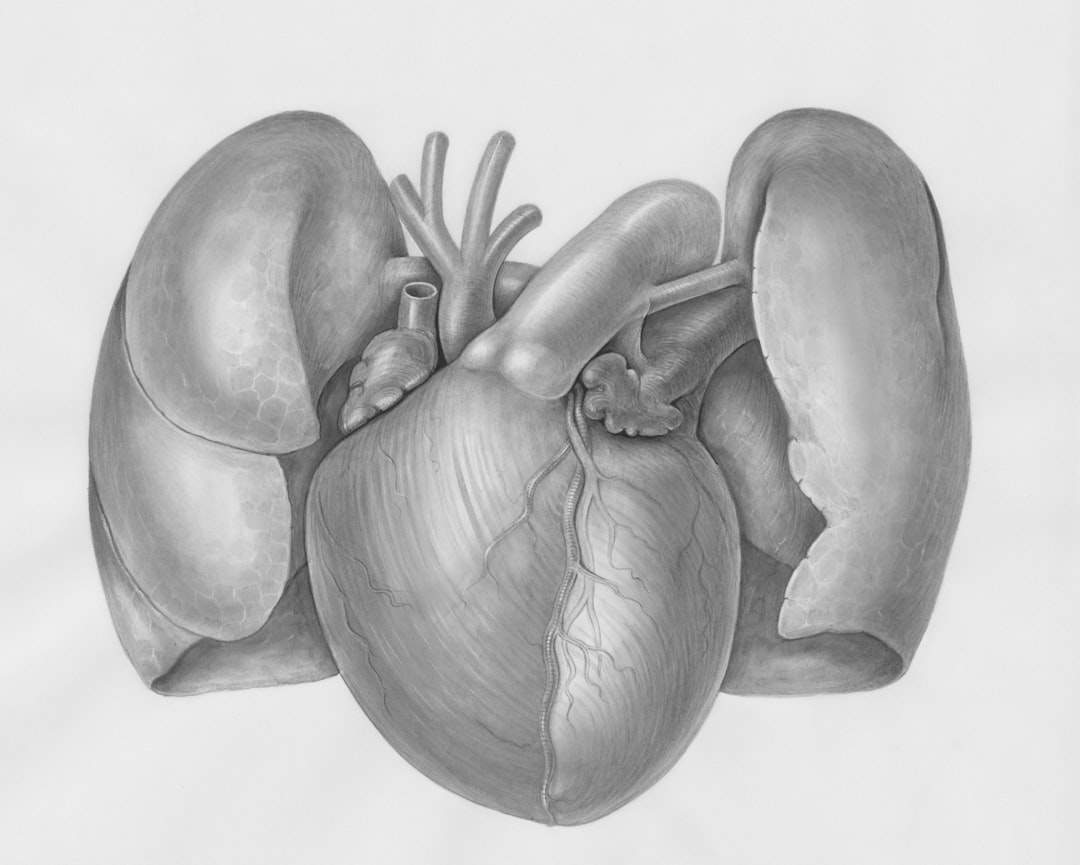
Atherosclerotic heart disease (ASHD) is a chronic condition characterized by the buildup of plaque within the arterial walls, leading to the narrowing and hardening of arteries. This pathological process, known as atherosclerosis, can significantly impede blood flow to vital organs, particularly the heart. The accumulation of lipids, cholesterol, cellular waste products, and inflammatory cells forms plaques that can rupture, resulting in acute cardiovascular events such as myocardial infarction or stroke.
ASHD is a leading cause of morbidity and mortality worldwide, necessitating a comprehensive understanding of its mechanisms, risk factors, and management strategies. The progression of atherosclerosis is often insidious, with many individuals remaining asymptomatic until advanced stages of the disease. The condition can affect any artery in the body but predominantly impacts coronary arteries, which supply blood to the heart muscle.
As the disease advances, it can lead to ischemia, where insufficient blood flow results in oxygen deprivation to cardiac tissues. This can manifest as angina pectoris or even lead to sudden cardiac death if not appropriately managed.
Key Takeaways
- Atherosclerotic Heart Disease is a condition where plaque builds up in the arteries, leading to reduced blood flow to the heart.
- Causes and risk factors include high cholesterol, high blood pressure, smoking, diabetes, and obesity.
- Symptoms and warning signs can include chest pain, shortness of breath, and fatigue.
- Diagnosis and testing may involve blood tests, imaging tests, and stress tests to assess the severity of the condition.
- Complications of Atherosclerotic Heart Disease can include heart attack, stroke, and heart failure.
Causes and Risk Factors of Atherosclerotic Heart Disease
The etiology of atherosclerotic heart disease is multifactorial, involving a complex interplay of genetic, environmental, and lifestyle factors. Key contributors include hyperlipidemia, hypertension, smoking, diabetes mellitus, and sedentary behavior. Elevated levels of low-density lipoprotein (LDL) cholesterol are particularly detrimental, as they promote plaque formation within arterial walls.
Conversely, high-density lipoprotein (HDL) cholesterol is considered protective due to its role in reverse cholesterol transport. In addition to lipid abnormalities, hypertension exerts mechanical stress on arterial walls, facilitating endothelial injury and promoting atherogenesis. Smoking introduces numerous toxic substances that damage endothelial cells and promote inflammation.
Other risk factors include age, gender (with males at higher risk), family history of cardiovascular disease, and certain inflammatory conditions such as rheumatoid arthritis or lupus.
Symptoms and Warning Signs of Atherosclerotic Heart Disease

The clinical presentation of atherosclerotic heart disease can vary widely among individuals. Many patients remain asymptomatic until significant arterial occlusion occurs. Common symptoms include chest pain or discomfort (angina), which may radiate to the arms, neck, jaw, or back.
Patients may also experience shortness of breath during physical exertion or emotional stress due to compromised blood flow to the myocardium. In more advanced stages, individuals may present with symptoms indicative of heart failure, such as fatigue, edema in the lower extremities, and persistent cough. Acute manifestations may include acute coronary syndrome (ACS), characterized by severe chest pain and potential loss of consciousness.
Recognizing these warning signs is crucial for timely intervention and management.
Diagnosis and Testing for Atherosclerotic Heart Disease
| Diagnosis and Testing for Atherosclerotic Heart Disease |
|---|
| 1. Electrocardiogram (ECG) |
| 2. Echocardiogram |
| 3. Stress test |
| 4. Coronary angiography |
| 5. Cardiac CT scan |
The diagnosis of atherosclerotic heart disease typically involves a combination of clinical evaluation and diagnostic testing. A thorough medical history and physical examination are essential components of the initial assessment. Healthcare providers may utilize various non-invasive tests to evaluate cardiac function and assess the extent of coronary artery disease.
Common diagnostic modalities include electrocardiography (ECG), which can reveal ischemic changes during episodes of angina; echocardiography, which assesses cardiac structure and function; and stress testing, which evaluates exercise tolerance and identifies inducible ischemia. Advanced imaging techniques such as coronary computed tomography angiography (CTA) or magnetic resonance angiography (MRA) provide detailed visualization of coronary arteries and can detect significant stenosis. In some cases, invasive procedures such as coronary angiography may be warranted to directly visualize arterial blockages and assess their severity.
This procedure often serves as both a diagnostic and therapeutic intervention.
Complications of Atherosclerotic Heart Disease
Atherosclerotic heart disease can lead to several serious complications that significantly impact patient outcomes. One of the most critical complications is acute coronary syndrome (ACS), which encompasses unstable angina and myocardial infarction. These events occur when a plaque ruptures, leading to thrombosis and complete occlusion of a coronary artery.
Other potential complications include heart failure due to chronic ischemia or myocardial damage, arrhythmias resulting from electrical disturbances in the heart muscle, and sudden cardiac death. Additionally, atherosclerosis can affect peripheral arteries, leading to peripheral artery disease (PAD), which may result in claudication or critical limb ischemia.
Treatment Options for Atherosclerotic Heart Disease
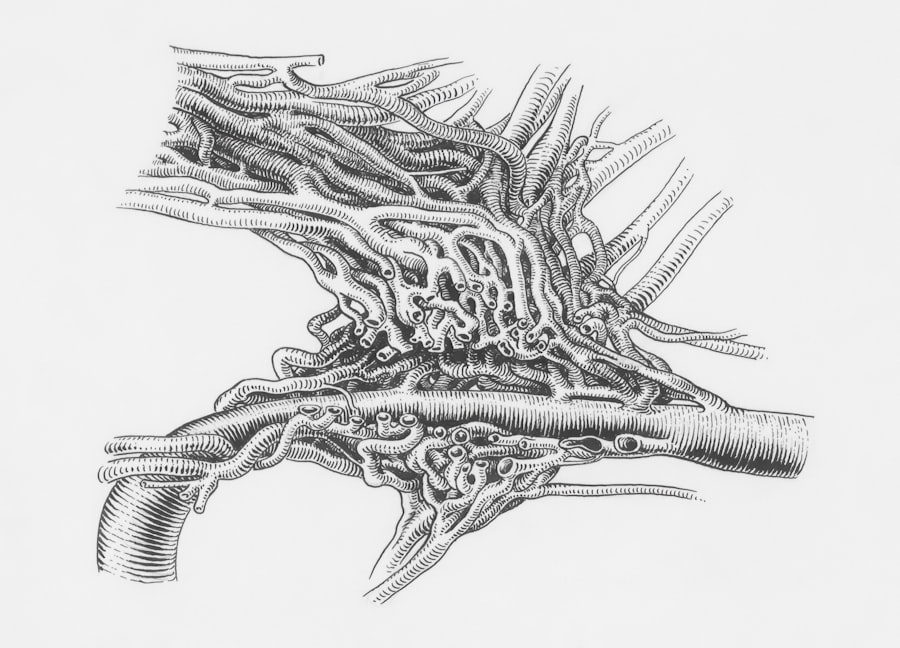
Management of atherosclerotic heart disease requires a multifaceted approach tailored to individual patient needs. Initial treatment often focuses on lifestyle modifications aimed at reducing risk factors such as smoking cessation, dietary changes, and increased physical activity. These interventions can significantly improve cardiovascular health and slow disease progression.
Pharmacological therapies play a crucial role in managing ASHD. Statins are commonly prescribed to lower LDL cholesterol levels and stabilize plaques. Antiplatelet agents such as aspirin are utilized to reduce thrombotic events by inhibiting platelet aggregation.
In cases where angina persists despite medical therapy, revascularization procedures may be indicated.
Lifestyle Changes to Manage Atherosclerotic Heart Disease
Adopting healthy lifestyle changes is paramount in managing atherosclerotic heart disease effectively. A heart-healthy diet rich in fruits, vegetables, whole grains, lean proteins, and healthy fats can help lower cholesterol levels and reduce inflammation. The Mediterranean diet has been shown to be particularly beneficial due to its emphasis on omega-3 fatty acids from fish and nuts.
Regular physical activity is essential for maintaining cardiovascular fitness and managing weight. Engaging in at least 150 minutes of moderate-intensity aerobic exercise per week can improve overall health outcomes. Additionally, stress management techniques such as mindfulness meditation or yoga can help mitigate psychological stressors that contribute to cardiovascular risk.
Medications for Atherosclerotic Heart Disease
Pharmacotherapy for atherosclerotic heart disease encompasses several classes of medications aimed at addressing various aspects of the disease process. Statins remain the cornerstone of lipid-lowering therapy due to their ability to reduce LDL cholesterol levels and provide pleiotropic benefits such as anti-inflammatory effects. Other lipid-lowering agents include ezetimibe and PCSK9 inhibitors, which further enhance cholesterol management in patients with familial hypercholesterolemia or those who are statin-intolerant.
Antihypertensive medications such as ACE inhibitors or beta-blockers are often prescribed to manage blood pressure and reduce myocardial workload. Antiplatelet therapy is critical for preventing thrombotic events; aspirin is commonly used for its efficacy in reducing cardiovascular morbidity and mortality. In certain cases, dual antiplatelet therapy may be indicated following acute coronary events or stent placement.
Surgical Procedures for Atherosclerotic Heart Disease
In cases where medical management fails to alleviate symptoms or when significant arterial blockages are present, surgical interventions may be necessary. Coronary artery bypass grafting (CABG) is a common procedure that involves creating new pathways for blood flow by bypassing blocked arteries using grafts from other vessels in the body. Percutaneous coronary intervention (PCI), also known as angioplasty with stenting, is another minimally invasive option that involves inserting a catheter into the affected artery to open it up and placing a stent to maintain patency.
Both procedures aim to restore adequate blood flow to the myocardium and alleviate symptoms associated with ischemia.
Prevention of Atherosclerotic Heart Disease
Preventive strategies are crucial in reducing the incidence of atherosclerotic heart disease. Primary prevention focuses on lifestyle modifications that target risk factors before the onset of disease. Regular health screenings for blood pressure, cholesterol levels, and diabetes management are essential components of preventive care.
Public health initiatives promoting smoking cessation programs, healthy eating campaigns, and increased physical activity can significantly impact population health outcomes. Education regarding the importance of maintaining a healthy weight and managing stress is also vital in preventing ASHD.
Living with Atherosclerotic Heart Disease: Tips for Managing the Condition
Living with atherosclerotic heart disease requires ongoing management and adherence to treatment plans.
Keeping track of medications and understanding their purpose can empower patients in their treatment journey.
Support groups or counseling services can provide emotional support for individuals coping with chronic illness. Engaging family members in discussions about lifestyle changes can foster a supportive environment conducive to healthier living. In summary, atherosclerotic heart disease is a complex condition characterized by plaque buildup in arteries leading to significant cardiovascular complications.
Understanding its causes, symptoms, diagnosis, treatment options, and preventive measures is essential for effective management. By adopting healthy lifestyle changes and adhering to prescribed therapies, individuals can significantly improve their quality of life while reducing the risk of severe complications associated with this prevalent condition.
A related article to atherosclerotic heart disease can be found in the link here. This article discusses the importance of recognizing federal holidays in 2022, which can provide individuals with opportunities to prioritize their health and well-being. By taking advantage of these holidays to rest, relax, and engage in activities that promote heart health, individuals can reduce their risk of developing atherosclerotic heart disease and other cardiovascular conditions.
FAQs
What is atherosclerotic heart disease?
Atherosclerotic heart disease, also known as coronary artery disease, is a condition caused by the buildup of plaque in the arteries that supply blood to the heart. This buildup can restrict blood flow to the heart, leading to chest pain (angina), heart attack, or other heart-related complications.
What are the risk factors for atherosclerotic heart disease?
Risk factors for atherosclerotic heart disease include high blood pressure, high cholesterol, smoking, diabetes, obesity, lack of physical activity, and a family history of heart disease. Age, gender, and race also play a role in the risk of developing the condition.
What are the symptoms of atherosclerotic heart disease?
Symptoms of atherosclerotic heart disease can include chest pain or discomfort, shortness of breath, fatigue, and weakness. Some people may also experience pain, numbness, or tingling in the arms, shoulders, neck, jaw, or back.
How is atherosclerotic heart disease diagnosed?
Atherosclerotic heart disease can be diagnosed through a combination of medical history, physical examination, and diagnostic tests such as electrocardiogram (ECG), stress test, echocardiogram, coronary angiography, and cardiac CT or MRI.
What are the treatment options for atherosclerotic heart disease?
Treatment for atherosclerotic heart disease may include lifestyle changes (such as diet and exercise), medications (such as statins, aspirin, and blood pressure-lowering drugs), and medical procedures (such as angioplasty, stent placement, or coronary artery bypass surgery).
Can atherosclerotic heart disease be prevented?
Preventive measures for atherosclerotic heart disease include maintaining a healthy lifestyle, managing risk factors such as high blood pressure and high cholesterol, avoiding smoking, and seeking regular medical check-ups for early detection and intervention.