Now Reading: Understanding Ameloblastoma: Diagnosis and Treatment Options
-
01
Understanding Ameloblastoma: Diagnosis and Treatment Options
Understanding Ameloblastoma: Diagnosis and Treatment Options
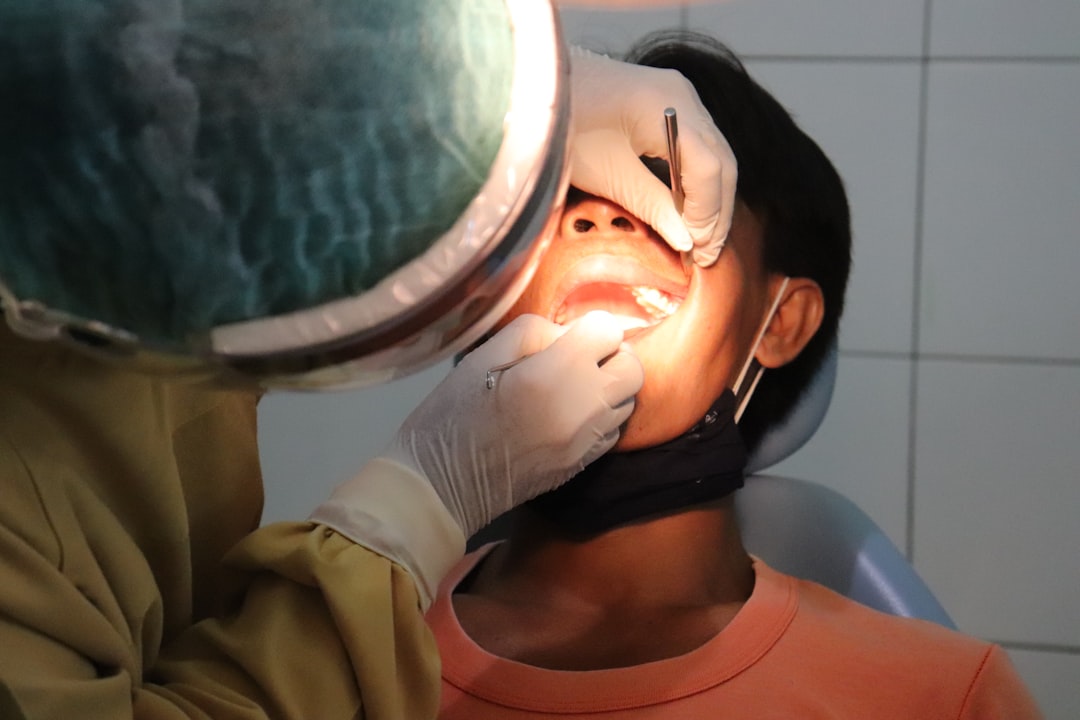
Ameloblastoma is a rare, benign neoplasm that originates from the odontogenic epithelium, which is the tissue responsible for tooth development. This tumor primarily affects the mandible (lower jaw) but can also occur in the maxilla (upper jaw). Characterized by its locally aggressive behavior, ameloblastoma can lead to significant bone destruction and facial deformity if left untreated.
The tumor is classified into several histological subtypes, including the conventional solid/multicystic type, unicystic type, peripheral type, and desmoplastic type, each exhibiting distinct biological behaviors and clinical presentations. The etiology of ameloblastoma remains largely unknown, although genetic mutations and environmental factors may play a role in its development. The tumor typically presents in adults between the ages of 20 and 50, with a slight predilection for males.
Key Takeaways
- Ameloblastoma is a rare, benign tumor that develops in the jawbone, often near the molars or the lower jaw.
- Symptoms of ameloblastoma may include swelling, pain, loose teeth, and difficulty chewing or opening the mouth.
- Diagnosis of ameloblastoma involves a thorough dental and medical history, physical examination, and imaging tests such as X-rays, CT scans, and MRI.
- Biopsy procedures are essential for confirming the diagnosis of ameloblastoma and determining the specific type of tumor cells present.
- Surgical treatment options for ameloblastoma may include enucleation, curettage, or resection, depending on the size and location of the tumor.
Symptoms and Signs of Ameloblastoma
Patients with ameloblastoma may present with a variety of symptoms, often depending on the tumor’s size and location. One of the most common initial signs is swelling or expansion of the jaw, which may be accompanied by facial asymmetry. As the tumor progresses, individuals may experience pain or discomfort in the affected area, particularly if there is associated bone involvement or nerve compression.
Other clinical manifestations can include dental mobility or displacement of teeth adjacent to the tumor site. In some cases, patients may report difficulty in chewing or speaking due to the structural changes caused by the tumor’s growth. Additionally, if the tumor invades surrounding tissues, it may lead to paresthesia or numbness in the lower lip or chin area, indicating potential nerve involvement.
Early recognition of these symptoms is crucial for timely intervention and improved outcomes.
How is Ameloblastoma Diagnosed?
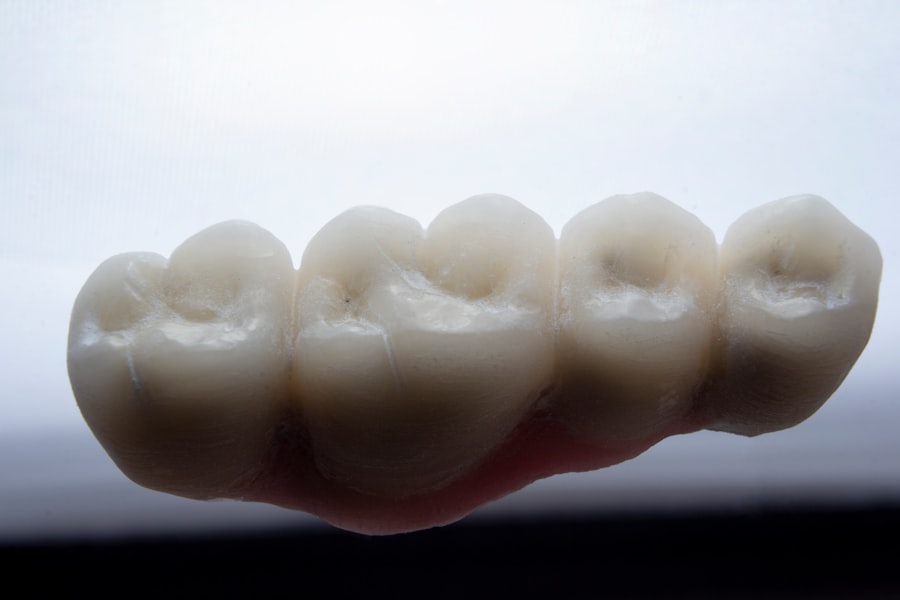
The diagnosis of ameloblastoma typically begins with a thorough clinical examination and patient history. Dentists or oral surgeons often suspect ameloblastoma based on clinical findings such as jaw swelling or dental abnormalities. However, definitive diagnosis requires imaging studies and histopathological evaluation.
Imaging techniques such as panoramic radiography and computed tomography (CT) scans are essential for assessing the extent of the tumor and its relationship with surrounding structures. Once imaging suggests the presence of ameloblastoma, a biopsy is performed to obtain tissue samples for microscopic examination. Histopathological analysis reveals characteristic features of ameloblastoma, including the presence of odontogenic epithelium arranged in various patterns, which aids in confirming the diagnosis.
Imaging Techniques for Diagnosing Ameloblastoma
| Imaging Technique | Advantages | Disadvantages |
|---|---|---|
| Panoramic Radiography | Low cost, easy to perform | Limited information on bone expansion |
| Computed Tomography (CT) | High resolution, detailed 3D images | High radiation dose, expensive |
| Magnetic Resonance Imaging (MRI) | No radiation, good soft tissue contrast | Expensive, limited availability |
| Cone Beam Computed Tomography (CBCT) | Low radiation dose, detailed images | Limited soft tissue contrast |
Imaging plays a pivotal role in diagnosing ameloblastoma and determining its extent. Panoramic radiography is often the first imaging modality employed, providing a broad view of the jaw and revealing any radiolucent lesions indicative of bone destruction. These lesions typically appear as well-defined radiolucencies that may displace teeth or cause cortical bone expansion.
Computed tomography (CT) scans offer enhanced detail regarding the tumor’s size, location, and relationship with adjacent anatomical structures. CT imaging can also help identify any potential metastasis or involvement of critical structures such as nerves and blood vessels. Magnetic resonance imaging (MRI) may be utilized in select cases to provide additional information about soft tissue involvement and to assess the tumor’s relationship with surrounding tissues more accurately.
Biopsy Procedures for Confirming Ameloblastoma
Biopsy procedures are essential for confirming the diagnosis of ameloblastoma. The most common techniques include incisional biopsy and excisional biopsy. An incisional biopsy involves removing a small portion of the tumor for histopathological analysis while preserving surrounding tissues.
This method is particularly useful when dealing with larger tumors or when complete excision poses significant risks. In contrast, an excisional biopsy entails the complete removal of the tumor along with a margin of healthy tissue. This approach is often employed when the tumor is small and localized, allowing for both diagnosis and potential treatment in one procedure.
The choice of biopsy technique depends on various factors, including tumor size, location, and the surgeon’s clinical judgment.
Surgical Treatment Options for Ameloblastoma
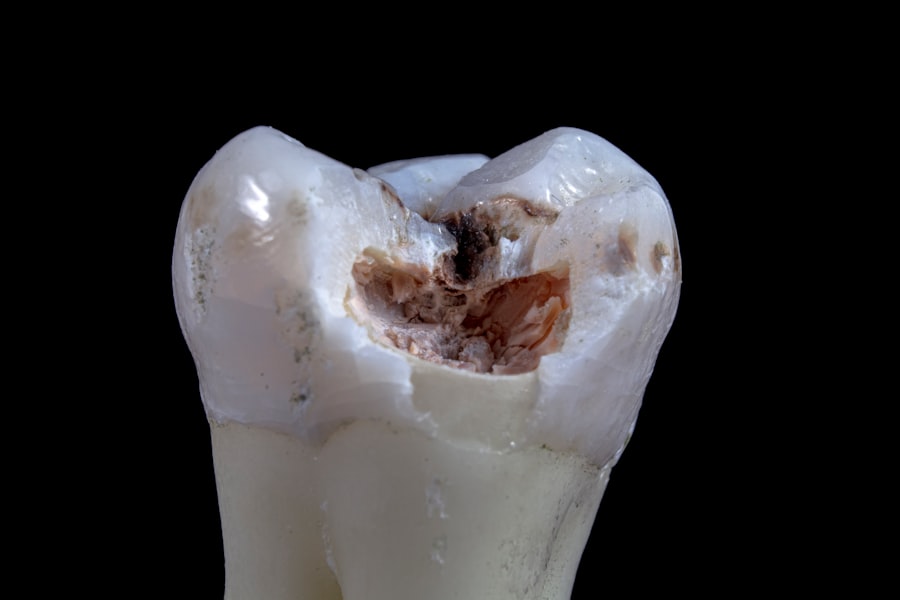
Surgical intervention remains the primary treatment modality for ameloblastoma due to its locally aggressive nature. The goal of surgery is to achieve complete resection of the tumor while preserving as much surrounding healthy tissue as possible. The surgical approach may vary based on the tumor’s size and location; however, en bloc resection is often recommended for larger tumors to minimize recurrence risk.
In cases where significant bone loss has occurred, reconstructive surgery may be necessary to restore jaw function and aesthetics. This can involve bone grafting or the use of prosthetic implants to replace lost structures. Postoperative follow-up is critical to monitor for any signs of recurrence, which can occur in up to 15-20% of cases despite initial successful treatment.
Radiation Therapy for Ameloblastoma
Radiation therapy is generally not considered a primary treatment option for ameloblastoma due to its benign nature; however, it may be utilized in specific circumstances. For patients who are not surgical candidates due to comorbidities or those with recurrent disease after surgical intervention, radiation therapy can serve as an adjunctive treatment modality. Radiation therapy aims to target residual tumor cells following surgery or to manage local recurrence effectively.
The typical regimen involves external beam radiation delivered over several weeks. While radiation can help control tumor growth, it is essential to weigh its potential benefits against risks such as damage to surrounding healthy tissues and long-term complications.
Chemotherapy for Ameloblastoma
Chemotherapy is not routinely employed in the management of ameloblastoma due to its benign classification; however, it may be considered in rare cases where aggressive variants are present or when surgery is not feasible. The use of chemotherapeutic agents aims to inhibit tumor growth and prevent metastasis. Agents such as cisplatin and doxorubicin have been explored in clinical settings; however, their efficacy remains limited due to the tumor’s inherent resistance to conventional chemotherapy regimens.
Ongoing research into targeted therapies and novel agents may provide future avenues for effective medical management of ameloblastoma.
Recurrence and Prognosis of Ameloblastoma
Recurrence rates for ameloblastoma vary depending on several factors, including histological subtype and surgical margins achieved during resection. The conventional solid/multicystic type exhibits higher recurrence rates compared to unicystic variants. Studies indicate that recurrence can occur in approximately 15-20% of cases within five years post-treatment.
Long-term survival rates are high; however, continuous monitoring through regular follow-up appointments is essential to detect any signs of recurrence early. Patients should be educated about potential symptoms that may indicate recurrence, such as swelling or pain in the jaw area.
Follow-Up Care for Patients with Ameloblastoma
Follow-up care is crucial for patients who have undergone treatment for ameloblastoma. Regular dental check-ups and imaging studies are recommended to monitor for any signs of recurrence or complications arising from surgical intervention. Typically, follow-up appointments are scheduled every six months during the first few years post-treatment and may be extended to annual visits thereafter if no issues arise.
Patients should also be encouraged to maintain good oral hygiene practices and report any new symptoms promptly. Education regarding potential complications related to surgery, such as changes in sensation or function, can help patients manage their expectations and seek timely intervention if needed.
Emerging Research and Treatment Options for Ameloblastoma
Emerging research into ameloblastoma focuses on understanding its molecular biology and identifying potential therapeutic targets that could improve treatment outcomes. Genetic studies have revealed mutations in genes such as BRAF and SMO that may play a role in tumorigenesis, paving the way for targeted therapies that could offer more effective management options. Clinical trials investigating novel agents and combination therapies are underway, aiming to enhance treatment efficacy while minimizing side effects associated with traditional approaches.
Additionally, advancements in minimally invasive surgical techniques hold promise for reducing recovery times and improving patient quality of life post-treatment. In summary, ameloblastoma is a benign yet locally aggressive odontogenic tumor that necessitates comprehensive management strategies due to its potential for recurrence and associated complications. Early diagnosis through imaging and biopsy procedures is critical for effective treatment planning.
Surgical resection remains the cornerstone of therapy, while adjunctive treatments such as radiation therapy may be considered in select cases. Ongoing research into molecular pathways offers hope for future advancements in targeted therapies that could revolutionize the management of this challenging condition. Regular follow-up care ensures early detection of recurrence and supports optimal patient outcomes over time.
Ameloblastoma is a rare type of tumor that forms in the jaw near the molars and can cause pain and swelling. For more information on rare medical conditions like ameloblastoma, check out this article on 10 Unique Christmas Tree Toppers to Elevate Your Holiday Decor. This article explores unique and creative ways to decorate your Christmas tree, offering a fun and festive distraction from the seriousness of medical conditions like ameloblastoma.
FAQs
What is ameloblastoma?
Ameloblastoma is a rare, noncancerous tumor that develops in the jaw, specifically in the tissues that surround the teeth.
What are the symptoms of ameloblastoma?
Symptoms of ameloblastoma may include swelling in the jaw, pain, difficulty chewing, loose teeth, and in some cases, a visible mass in the jaw.
What causes ameloblastoma?
The exact cause of ameloblastoma is not known, but it is believed to develop from the cells that form the enamel of the teeth.
How is ameloblastoma diagnosed?
Ameloblastoma is typically diagnosed through a combination of imaging tests such as X-rays, CT scans, and MRIs, as well as a biopsy to examine the tissue.
What are the treatment options for ameloblastoma?
Treatment for ameloblastoma often involves surgery to remove the tumor, and in some cases, may also include radiation therapy or chemotherapy.
Is ameloblastoma cancerous?
Ameloblastoma is considered a noncancerous tumor, but it can be locally aggressive and may have a high rate of recurrence if not completely removed.