Now Reading: Advancements in Metastatic Prostate Cancer Treatment
-
01
Advancements in Metastatic Prostate Cancer Treatment
Advancements in Metastatic Prostate Cancer Treatment

Metastatic prostate cancer (mPC) represents a significant challenge in oncology, characterized by the spread of malignant cells from the prostate gland to distant sites, such as bones, lymph nodes, and other organs. This advanced stage of prostate cancer often arises when the disease is not detected early, leading to a more complex clinical scenario. The incidence of metastatic prostate cancer has been on the rise, with approximately 20-30% of men diagnosed with prostate cancer eventually developing metastases.
The prognosis for mPC varies widely, influenced by factors such as the extent of metastasis, patient age, and overall health. Understanding the biology of metastatic prostate cancer is crucial for developing effective treatment strategies. The disease is primarily driven by androgens, which stimulate prostate cancer cell growth.
As the cancer progresses, it may develop resistance to standard hormonal therapies, necessitating a multifaceted approach to management. This article will explore various treatment modalities, including traditional therapies, targeted treatments, immunotherapy, and emerging surgical techniques, while also addressing the importance of personalized medicine and integrative approaches in managing this complex disease.
Key Takeaways
- Metastatic prostate cancer occurs when cancer cells from the prostate spread to other parts of the body, such as the bones, lymph nodes, or other organs.
- Traditional treatment options for metastatic prostate cancer include hormone therapy, chemotherapy, and surgery to remove the testicles.
- Targeted therapies for metastatic prostate cancer focus on specific genetic mutations or proteins in cancer cells to block their growth and spread.
- Immunotherapy for metastatic prostate cancer uses the body’s immune system to recognize and attack cancer cells, potentially leading to long-term remission.
- Advances in radiation therapy for metastatic prostate cancer, such as stereotactic body radiation therapy (SBRT), offer more precise and effective treatment while minimizing damage to surrounding healthy tissue.
Traditional Treatment Options for Metastatic Prostate Cancer
Traditional treatment options for metastatic prostate cancer primarily include androgen deprivation therapy (ADT), chemotherapy, and radiation therapy. ADT aims to reduce androgen levels in the body, thereby inhibiting the growth of prostate cancer cells. This can be achieved through surgical castration (orchiectomy) or pharmacological methods using luteinizing hormone-releasing hormone (LHRH) agonists or antagonists.
Commonly used agents include leuprolide and goserelin, which effectively lower testosterone levels. Chemotherapy is often employed in cases where the disease has progressed despite ADT. Docetaxel, a taxane-based chemotherapy agent, has been a cornerstone in treating mPAdministered intravenously, docetaxel works by disrupting the microtubule structures within cancer cells, leading to cell death.
Clinical trials have demonstrated that docetaxel can improve survival rates in men with metastatic castration-resistant prostate cancer (mCRPC). Additionally, cabazitaxel is another chemotherapy option that may be utilized after docetaxel treatment failure. Radiation therapy plays a pivotal role in managing metastatic prostate cancer, particularly for patients with bone metastases.
Palliative radiation can alleviate pain and improve quality of life by targeting specific metastatic sites. External beam radiation therapy (EBRT) is commonly used, delivering high doses of radiation to tumor sites while sparing surrounding healthy tissue. In some cases, radiopharmaceuticals like radium-223 are employed to target bone metastases directly.
Targeted Therapies for Metastatic Prostate Cancer

Targeted therapies have emerged as a promising avenue for treating metastatic prostate cancer, focusing on specific molecular pathways involved in tumor growth and progression. One notable example is the use of androgen receptor inhibitors such as enzalutamide and abiraterone acetate. These agents work by blocking androgen receptor signaling or inhibiting androgen synthesis, respectively.
Enzalutamide has shown significant efficacy in prolonging survival in men with mCRPC who have previously undergone ADT. Another targeted approach involves the use of poly(ADP-ribose) polymerase (PARP) inhibitors like olaparib and rucaparib. These agents are particularly effective in patients with homologous recombination repair (HRR) gene mutations, such as BRCA1 or BRCA2.
By exploiting the DNA repair deficiencies in these tumors, PARP inhibitors induce synthetic lethality, leading to cancer cell death. Clinical trials have demonstrated that these agents can significantly improve outcomes in select patient populations. Additionally, the development of radium-223 represents a targeted therapy specifically designed for patients with symptomatic bone metastases.
This radiopharmaceutical selectively targets bone tissue and emits alpha particles that induce localized cell death while minimizing damage to surrounding healthy tissue. Radium-223 has been shown to improve overall survival and quality of life in patients with mPC.
Immunotherapy for Metastatic Prostate Cancer
| Study | Number of Patients | Overall Survival (months) | Progression-Free Survival (months) |
|---|---|---|---|
| Keynote-365 | 200 | 22 | 8 |
| CheckMate 650 | 270 | 20 | 7 |
| IMbassador250 | 300 | 24 | 9 |
Immunotherapy has gained traction as a potential treatment modality for metastatic prostate cancer, harnessing the body’s immune system to recognize and attack cancer cells. One of the most established immunotherapeutic approaches is sipuleucel-T, an autologous dendritic cell vaccine designed to stimulate an immune response against prostatic acid phosphatase (PAP), a protein overexpressed in prostate cancer cells. Clinical studies have demonstrated that sipuleucel-T can extend survival in men with asymptomatic or minimally symptomatic mCRPC.
Checkpoint inhibitors represent another class of immunotherapy that has shown promise in various malignancies. While their efficacy in prostate cancer has been limited compared to other cancers like melanoma or lung cancer, ongoing research is exploring combinations of checkpoint inhibitors with other therapies to enhance immune responses. Agents such as pembrolizumab and nivolumab are being investigated in clinical trials for their potential benefits in mPC.
Moreover, adoptive cell transfer therapies, including chimeric antigen receptor (CAR) T-cell therapy, are being explored for their ability to target prostate-specific antigens. These innovative approaches aim to enhance the specificity and potency of immune responses against prostate cancer cells.
Advances in Radiation Therapy for Metastatic Prostate Cancer
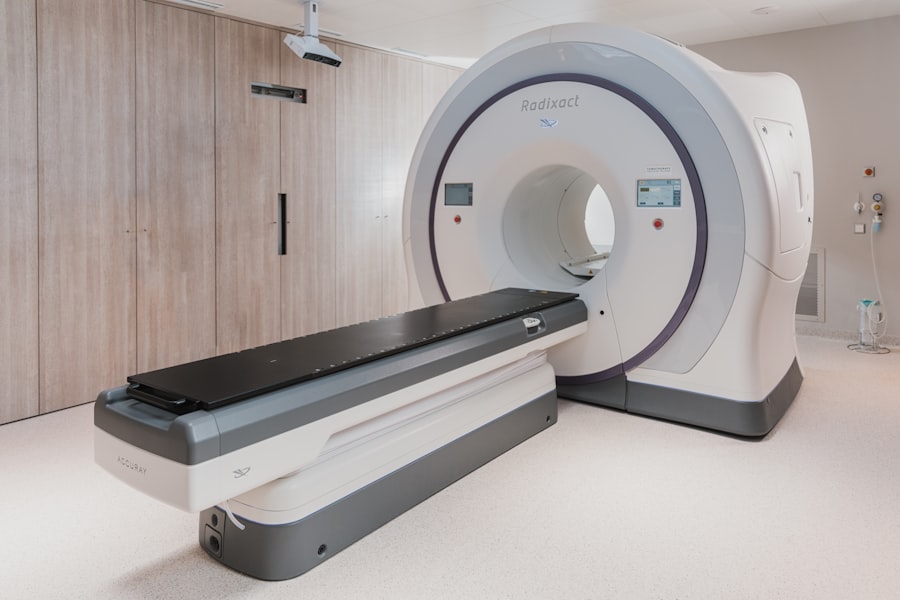
Recent advancements in radiation therapy have significantly improved treatment outcomes for patients with metastatic prostate cancer. Stereotactic body radiation therapy (SBRT) is one such innovation that delivers high doses of radiation precisely to tumor sites while minimizing exposure to surrounding healthy tissues. This technique allows for fewer treatment sessions compared to conventional radiation therapy while achieving comparable or superior tumor control.
Another notable advancement is the use of radioligand therapy (RLT), which combines targeted radiopharmaceuticals with specific ligands that bind to prostate-specific membrane antigen (PSMA). PSMA-targeted radioligands deliver localized radiation directly to prostate cancer cells expressing PSMA, resulting in enhanced therapeutic effects with reduced systemic toxicity. Clinical trials have shown promising results with agents like lutetium-177-PSMA-617 in patients with advanced mPC.
Furthermore, advancements in imaging techniques such as positron emission tomography (PET) have improved the ability to detect and localize metastatic lesions accurately. This enhanced imaging capability allows for more precise targeting during radiation therapy and better assessment of treatment response.
Emerging Surgical Techniques for Metastatic Prostate Cancer
Robot-Assisted Laparoscopic Surgery
One innovative approach is robot-assisted laparoscopic surgery, which offers enhanced precision and reduced recovery times compared to traditional open surgery. This technique may be considered for patients with isolated metastases or those requiring palliative interventions.
Surgical Resection of Metastases
In cases where metastases are confined to specific areas, such as lymph nodes or bones, surgical resection may be considered as part of a multimodal treatment strategy. For instance, lymphadenectomy can be performed to remove affected lymph nodes, potentially improving outcomes when combined with systemic therapies.
Ablative Techniques for Localized Metastases
Additionally, ablative techniques such as cryoablation or radiofrequency ablation are being explored for their potential to target localized metastatic lesions effectively. These minimally invasive procedures aim to destroy tumor cells while preserving surrounding healthy tissue.
New Drug Developments for Metastatic Prostate Cancer
The landscape of drug development for metastatic prostate cancer is rapidly evolving, with numerous investigational agents undergoing clinical trials. One area of focus is the development of next-generation androgen receptor inhibitors that aim to overcome resistance mechanisms associated with current therapies. Agents like darolutamide and apalutamide are being evaluated for their efficacy in both hormone-sensitive and castration-resistant settings.
Additionally, novel combinations of existing therapies are being explored to enhance treatment efficacy. For example, combining androgen receptor inhibitors with chemotherapy or immunotherapy may yield synergistic effects that improve patient outcomes. Furthermore, research into novel agents targeting specific molecular pathways involved in prostate cancer progression is ongoing.
These include inhibitors of signaling pathways such as PI3K/AKT/mTOR and Wnt/β-catenin, which play critical roles in tumor growth and metastasis.
Personalized Medicine in the Treatment of Metastatic Prostate Cancer
Personalized medicine represents a paradigm shift in oncology, tailoring treatment strategies based on individual patient characteristics and tumor biology. In metastatic prostate cancer, genomic profiling can identify specific mutations or alterations that may inform treatment decisions. For instance, patients with HRR gene mutations may benefit from PARP inhibitors, while those with specific androgen receptor mutations may respond better to targeted therapies.
Moreover, liquid biopsies are emerging as a non-invasive method for monitoring tumor dynamics and treatment response over time. By analyzing circulating tumor DNA (ctDNA) or circulating tumor cells (CTCs), clinicians can gain insights into tumor heterogeneity and adapt treatment strategies accordingly. The integration of biomarkers into clinical practice holds great promise for optimizing therapeutic approaches and improving patient outcomes in metastatic prostate cancer.
Integrative Approaches to Managing Metastatic Prostate Cancer
Integrative approaches encompass a holistic view of patient care, combining conventional medical treatments with complementary therapies aimed at enhancing overall well-being. For men diagnosed with metastatic prostate cancer, supportive care measures such as nutritional counseling, physical activity programs, and psychosocial support can play a vital role in improving quality of life. Mind-body interventions like mindfulness meditation and yoga have shown potential benefits in reducing stress and anxiety associated with cancer diagnosis and treatment.
Additionally, acupuncture may help alleviate pain and improve symptom management during treatment. Collaboration between oncologists and integrative health practitioners can provide patients with comprehensive care that addresses both physical and emotional aspects of living with metastatic prostate cancer.
Clinical Trials and Research in Metastatic Prostate Cancer Treatment
Clinical trials are essential for advancing our understanding of metastatic prostate cancer and developing new treatment options. Ongoing research efforts are focused on evaluating novel agents, combination therapies, and innovative treatment modalities across various stages of disease progression. Patients diagnosed with mPC are encouraged to consider participation in clinical trials as they may gain access to cutting-edge therapies not yet available through standard care pathways.
Clinical trial registries provide valuable resources for identifying ongoing studies based on specific eligibility criteria. Moreover, collaboration between academic institutions, pharmaceutical companies, and regulatory agencies is crucial for expediting the development of new treatments and ensuring their safety and efficacy through rigorous testing.
The Future of Metastatic Prostate Cancer Treatment
The future of metastatic prostate cancer treatment holds great promise as research continues to unveil new therapeutic strategies and insights into disease biology. Advances in precision medicine will likely lead to more tailored approaches that consider individual patient characteristics and tumor profiles. Emerging technologies such as artificial intelligence (AI) may enhance diagnostic accuracy and treatment planning by analyzing vast amounts of data from clinical trials and patient outcomes.
Furthermore, ongoing research into combination therapies will likely yield synergistic effects that improve survival rates and quality of life for men living with metastatic prostate cancer. As our understanding of this complex disease deepens, it is imperative that healthcare providers remain vigilant in exploring innovative treatment options while prioritizing patient-centered care throughout the journey of managing metastatic prostate cancer. In summary, metastatic prostate cancer presents significant challenges but also opportunities for advancements in treatment strategies ranging from traditional therapies to cutting-edge innovations like immunotherapy and personalized medicine.
Ongoing research efforts will continue to shape the future landscape of care for this complex disease.
Metastatic prostate cancer is a serious condition that requires careful management and treatment. According to a recent article on what to expect during your first meeting with a lawyer in 2025, it is important for patients with metastatic prostate cancer to seek legal advice and support to ensure their rights are protected and their wishes are respected. This article highlights the importance of planning ahead and being prepared for the future, especially when facing a challenging medical diagnosis like metastatic prostate cancer.
FAQs
What is metastatic prostate cancer?
Metastatic prostate cancer is a form of prostate cancer that has spread from the prostate to other parts of the body, such as the bones, lymph nodes, or other organs.
What are the symptoms of metastatic prostate cancer?
Symptoms of metastatic prostate cancer may include bone pain, urinary problems, erectile dysfunction, fatigue, weight loss, and weakness in the legs or feet.
How is metastatic prostate cancer diagnosed?
Metastatic prostate cancer is typically diagnosed through a combination of physical exams, blood tests (such as PSA levels), imaging tests (like bone scans or CT scans), and biopsies.
What are the treatment options for metastatic prostate cancer?
Treatment options for metastatic prostate cancer may include hormone therapy, chemotherapy, targeted therapy, immunotherapy, radiation therapy, and surgery to relieve symptoms or complications.
What is the prognosis for metastatic prostate cancer?
The prognosis for metastatic prostate cancer varies depending on factors such as the extent of the cancer, the response to treatment, and the overall health of the patient. It is important for patients to discuss their prognosis with their healthcare team.
What are the risk factors for developing metastatic prostate cancer?
Risk factors for developing metastatic prostate cancer include older age, family history of prostate cancer, African American ethnicity, and certain genetic mutations.