Now Reading: Advancements in Esophageal Cancer Treatments
-
01
Advancements in Esophageal Cancer Treatments
Advancements in Esophageal Cancer Treatments
Esophageal cancer is a malignant neoplasm that arises from the esophagus, the muscular tube connecting the throat to the stomach. This type of cancer is characterized by the uncontrolled growth of cells in the esophageal lining, which can lead to significant morbidity and mortality. According to the American Cancer Society, esophageal cancer ranks as the seventh most common cancer worldwide, with an estimated 604,000 new cases diagnosed in 2020 alone.
The two primary histological types of esophageal cancer are squamous cell carcinoma (SCC) and adenocarcinoma, each with distinct risk factors and demographic distributions. The etiology of esophageal cancer is multifactorial, with lifestyle choices such as tobacco use, excessive alcohol consumption, and obesity playing pivotal roles. Additionally, chronic conditions like gastroesophageal reflux disease (GERD) and Barrett’s esophagus significantly increase the risk of developing adenocarcinoma.
Symptoms often include dysphagia (difficulty swallowing), weight loss, chest pain, and persistent cough, which can lead to late-stage diagnosis. Early detection remains a challenge; thus, understanding risk factors and promoting preventive measures are crucial in reducing incidence rates.
Key Takeaways
- Esophageal cancer is a serious and often aggressive disease that affects the esophagus, the tube that carries food from the mouth to the stomach.
- Traditional treatments for esophageal cancer include surgery, chemotherapy, and radiation therapy, which have been the mainstays of treatment for many years.
- Surgical advancements in esophageal cancer treatment, such as minimally invasive procedures and robotic-assisted surgery, have improved outcomes and reduced recovery times for patients.
- Chemotherapy and radiation therapy continue to evolve with updates in drug regimens, radiation techniques, and targeted therapies to improve effectiveness and reduce side effects.
- Immunotherapy and targeted therapy are promising new approaches for esophageal cancer, offering more personalized and precise treatment options based on the patient’s specific tumor characteristics.
Traditional Treatments for Esophageal Cancer
Traditional treatment modalities for esophageal cancer primarily encompass surgery, chemotherapy, and radiation therapy. Surgical intervention is often the first-line approach for localized tumors.
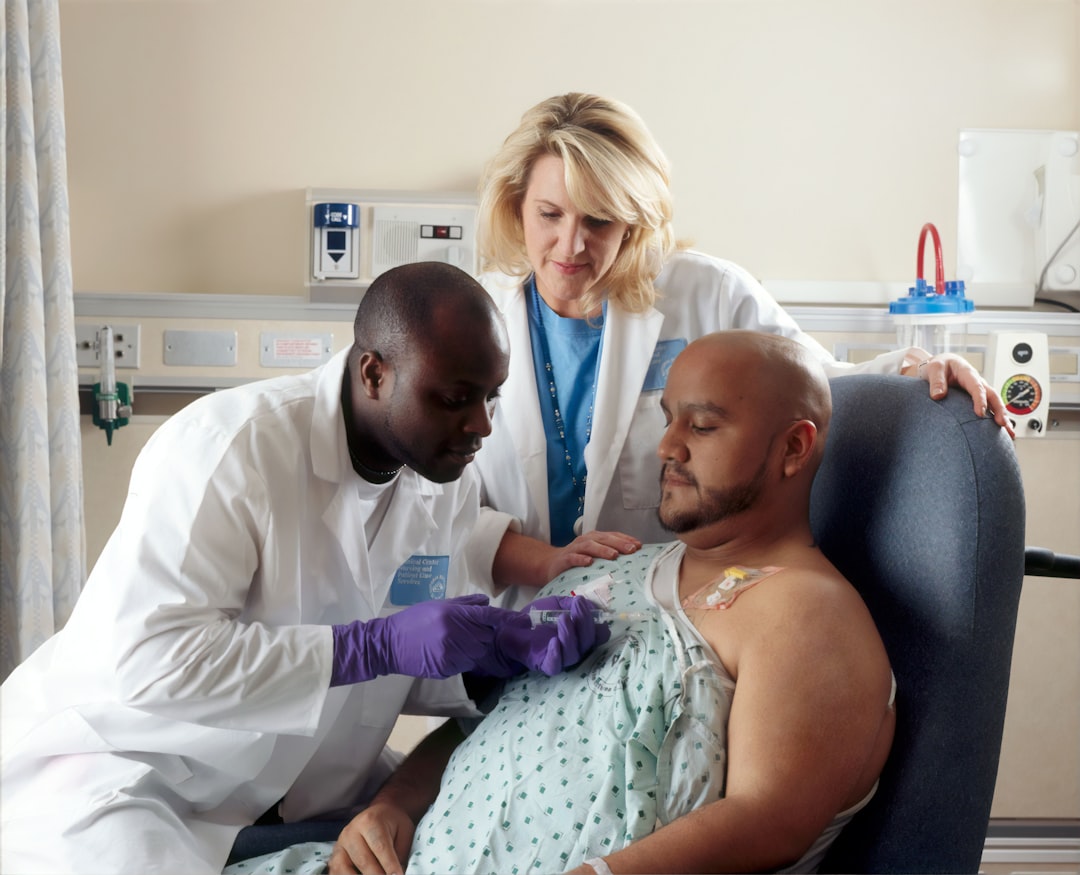
This procedure can be performed via open surgery or minimally invasive techniques, depending on tumor location and patient health status. Postoperative complications can include anastomotic leaks and respiratory issues, necessitating careful patient selection and preoperative optimization. Chemotherapy serves as an adjuvant or neoadjuvant treatment option, particularly for patients with advanced disease or those who are not surgical candidates.
Common chemotherapeutic agents include cisplatin, carboplatin, and paclitaxel, often administered in combination regimens to enhance efficacy. Radiation therapy may be utilized in conjunction with chemotherapy to improve local control of the disease, especially in cases where complete surgical resection is not feasible. The integration of these traditional modalities has improved survival rates; however, they are often associated with significant side effects that can impact patients’ quality of life.
Surgical Advancements in Esophageal Cancer Treatment

Recent advancements in surgical techniques have revolutionized the management of esophageal cancer. Robotic-assisted surgery has emerged as a promising alternative to traditional open approaches, offering enhanced precision and reduced postoperative recovery times. The da Vinci Surgical System allows surgeons to perform complex resections with greater dexterity and visualization, minimizing trauma to surrounding tissues.
Studies have shown that robotic esophagectomy can lead to lower rates of complications and shorter hospital stays compared to conventional methods. Another significant advancement is the development of transhiatal esophagectomy (THE), which provides an alternative approach for patients with tumors located in the lower esophagus. This technique avoids thoracotomy and focuses on accessing the esophagus through abdominal incisions.
The reduced invasiveness of THE has been associated with decreased postoperative pain and quicker recovery times. Furthermore, ongoing research into enhanced recovery after surgery (ERAS) protocols aims to optimize perioperative care, thereby improving outcomes for patients undergoing esophagectomy.
Chemotherapy and Radiation Therapy Updates
| Therapy Type | Updates |
|---|---|
| Chemotherapy | New drug combination shows promising results in clinical trials. |
| Radiation Therapy | Advancements in targeted radiation delivery reduce side effects. |
The landscape of chemotherapy and radiation therapy for esophageal cancer has evolved significantly over recent years. The introduction of novel agents and combination therapies has led to improved response rates and survival outcomes. For instance, the addition of immunotherapy agents such as pembrolizumab has shown promise in clinical trials for patients with advanced esophageal cancer who have progressed on standard chemotherapy regimens.
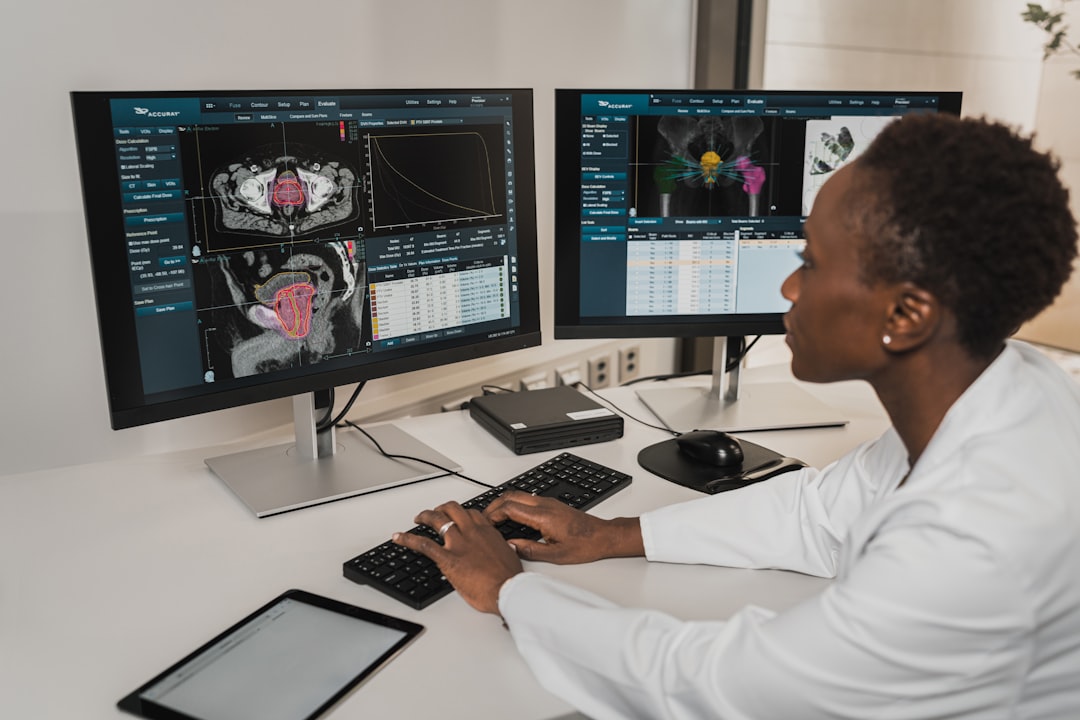
Radiation therapy techniques have also advanced with the advent of intensity-modulated radiation therapy (IMRT) and stereotactic body radiation therapy (SBRT). IMRT allows for more precise targeting of tumor tissues while sparing surrounding healthy structures, thereby reducing side effects such as esophagitis and dysphagia. SBRT offers a non-invasive option for patients with localized disease or those who are not surgical candidates, delivering high doses of radiation in fewer sessions.
Immunotherapy and Targeted Therapy for Esophageal Cancer
Immunotherapy has emerged as a groundbreaking approach in the treatment of esophageal cancer, particularly for patients with advanced disease. Immune checkpoint inhibitors such as nivolumab and pembrolizumab have demonstrated efficacy in clinical trials, leading to durable responses in a subset of patients. These agents work by blocking proteins that inhibit T-cell activation, thereby enhancing the immune system’s ability to recognize and attack cancer cells.
Targeted therapies have also gained traction in the management of esophageal adenocarcinoma. Trastuzumab, a monoclonal antibody targeting HER2-positive tumors, has been shown to improve outcomes when combined with chemotherapy in patients exhibiting HER2 overexpression. Ongoing research into molecular profiling aims to identify additional targets for therapy, paving the way for more personalized treatment strategies that can improve patient outcomes.
Minimally Invasive Procedures for Esophageal Cancer
Minimally invasive procedures have transformed the surgical landscape for esophageal cancer management. Techniques such as endoscopic mucosal resection (EMR) and endoscopic submucosal dissection (ESD) allow for the removal of early-stage tumors without the need for extensive surgery. These procedures are particularly beneficial for patients with superficial lesions or those who are not candidates for more invasive interventions.
Laparoscopic approaches to esophagectomy have also gained popularity due to their reduced postoperative morbidity compared to open techniques. The laparoscopic method involves smaller incisions and less tissue disruption, resulting in shorter recovery times and decreased pain levels. As technology continues to advance, further refinements in minimally invasive techniques are expected to enhance patient outcomes while minimizing complications.
Personalized Medicine and Precision Therapy for Esophageal Cancer
The advent of personalized medicine has ushered in a new era in oncology, including esophageal cancer treatment. Precision therapy involves tailoring treatment based on individual patient characteristics, including genetic mutations and tumor biomarkers. Next-generation sequencing technologies enable oncologists to identify specific alterations within tumor DNA that may be targeted by existing therapies or novel agents under investigation.
For example, patients with mutations in genes such as TP53 or PIK3CA may benefit from targeted therapies designed to inhibit pathways involved in tumor growth and survival. This approach not only enhances treatment efficacy but also minimizes unnecessary exposure to ineffective therapies, thereby improving overall patient quality of life.
Emerging Therapies and Clinical Trials for Esophageal Cancer
The field of esophageal cancer research is dynamic, with numerous emerging therapies currently under investigation through clinical trials. Novel agents targeting various pathways involved in tumorigenesis are being evaluated for their potential efficacy in treating this malignancy. For instance, investigational drugs targeting angiogenesis or specific oncogenic drivers are being tested in combination with standard therapies to enhance treatment responses.
Participation in clinical trials offers patients access to cutting-edge therapies that may not yet be available through standard treatment protocols. These trials are essential for advancing our understanding of esophageal cancer biology and identifying new therapeutic strategies that can improve patient outcomes.
Palliative Care and Supportive Treatments for Esophageal Cancer
Palliative care plays a crucial role in the comprehensive management of esophageal cancer patients, particularly those with advanced disease or poor prognosis. This multidisciplinary approach focuses on alleviating symptoms and improving quality of life rather than solely targeting disease eradication. Common symptoms such as pain, dysphagia, and nutritional deficiencies require careful assessment and management.
Supportive treatments may include nutritional counseling to address weight loss and malnutrition, pain management strategies utilizing opioids or adjuvant therapies such as nerve blocks, and psychological support to help patients cope with their diagnosis. Integrating palliative care early in the treatment process can significantly enhance patient comfort and overall well-being.
Survivorship and Quality of Life for Esophageal Cancer Patients
Survivorship after esophageal cancer treatment presents unique challenges that require ongoing support and monitoring. Many survivors experience long-term effects related to their treatment, including dysphagia, changes in dietary habits, and psychological distress. Addressing these issues is essential for improving quality of life post-treatment.
Support groups and survivorship programs can provide valuable resources for patients navigating life after cancer treatment. These programs often focus on education about lifestyle modifications that can reduce recurrence risk, such as smoking cessation and dietary changes aimed at maintaining a healthy weight.
Future Directions in Esophageal Cancer Research and Treatment
The future of esophageal cancer research holds great promise as scientists continue to explore innovative therapeutic strategies aimed at improving patient outcomes. Ongoing studies are investigating novel combinations of immunotherapy with traditional treatments to enhance efficacy while minimizing toxicity. Additionally, advancements in biomarker discovery may lead to more precise patient stratification for targeted therapies.
Collaborative efforts among researchers, clinicians, and patients will be essential in driving forward new discoveries that can ultimately transform the landscape of esophageal cancer care. In summary, esophageal cancer remains a significant health challenge globally due to its complex etiology and late-stage presentation at diagnosis.
Traditional treatments such as surgery, chemotherapy, and radiation therapy continue to evolve alongside advancements in minimally invasive techniques and personalized medicine approaches. Emerging therapies through clinical trials offer hope for improved outcomes while palliative care remains vital for enhancing quality of life among affected individuals. Future research endeavors will undoubtedly shape the trajectory of esophageal cancer management as we strive toward more effective treatments tailored to individual patient needs.
There are various treatments available for esophageal cancer, including surgery, chemotherapy, and radiation therapy. However, a recent article on Amazon Influencer Program Tips for Maximizing Your Earnings in 2025 discusses the importance of utilizing online platforms to increase revenue. This article highlights the potential for influencers to raise awareness about esophageal cancer treatments and support organizations dedicated to finding a cure. By leveraging social media and other digital tools, influencers can help spread information about the latest advancements in cancer treatment options.
FAQs
What are the common treatments for esophageal cancer?
The common treatments for esophageal cancer include surgery, chemotherapy, radiation therapy, targeted therapy, and immunotherapy.
How is the treatment plan for esophageal cancer determined?
The treatment plan for esophageal cancer is determined based on the stage of the cancer, the patient’s overall health, and other individual factors. It is usually decided by a multidisciplinary team of healthcare professionals.
What is the role of surgery in treating esophageal cancer?
Surgery is often used to remove the tumor and surrounding tissue in the treatment of esophageal cancer. It may be performed alone or in combination with other treatments.
What is the purpose of chemotherapy in treating esophageal cancer?
Chemotherapy is used to kill cancer cells or stop them from growing and dividing. It can be used before surgery to shrink the tumor, after surgery to kill any remaining cancer cells, or in combination with radiation therapy.
How does radiation therapy help in the treatment of esophageal cancer?
Radiation therapy uses high-energy rays to kill cancer cells. It can be used before surgery to shrink the tumor, after surgery to kill any remaining cancer cells, or in combination with chemotherapy.
What is targeted therapy and immunotherapy in the context of esophageal cancer treatment?
Targeted therapy uses drugs or other substances to identify and attack specific cancer cells without harming normal cells. Immunotherapy uses the body’s immune system to fight cancer. Both targeted therapy and immunotherapy are newer approaches to treating esophageal cancer and are being studied in clinical trials.