Now Reading: Understanding Stage 3 Breast Cancer
-
01
Understanding Stage 3 Breast Cancer
Understanding Stage 3 Breast Cancer

Stage 3 breast cancer is classified as a locally advanced form of the disease, indicating that the malignancy has spread beyond the breast tissue and nearby lymph nodes but has not yet metastasized to distant organs. This stage is characterized by a significant tumor size, typically greater than 5 centimeters, and the involvement of multiple lymph nodes, which may be fixed or matted together. The classification of breast cancer into stages is crucial for determining the appropriate treatment plan and understanding the prognosis.
In this stage, the cancer may present in various forms, including invasive ductal carcinoma or invasive lobular carcinoma. The tumor’s characteristics, such as hormone receptor status and HER2/neu expression, also play a pivotal role in treatment decisions. Stage 3 breast cancer is further divided into three subcategories: Stage 3A, Stage 3B, and Stage 3C, each reflecting different extents of lymph node involvement and local tissue invasion.
Understanding these nuances is essential for both patients and healthcare providers in navigating treatment options.
Key Takeaways
- Stage 3 breast cancer is an advanced stage of the disease where the cancer has spread to nearby lymph nodes and tissues.
- Symptoms of stage 3 breast cancer may include a lump in the breast, changes in breast size or shape, and skin changes. Diagnosis involves imaging tests and biopsy.
- Treatment options for stage 3 breast cancer may include surgery, chemotherapy, radiation therapy, hormone therapy, and targeted therapy.
- Early detection of breast cancer is crucial for better treatment outcomes and survival rates. Regular screenings and self-exams are important for early detection.
- The staging process for breast cancer helps determine the extent of the disease and guides treatment decisions. It includes factors such as tumor size and lymph node involvement.
Symptoms and Diagnosis of Stage 3 Breast Cancer
Patients with Stage 3 breast cancer may experience a range of symptoms that can significantly impact their quality of life. Common manifestations include a palpable lump in the breast or underarm area, changes in breast shape or size, skin dimpling or puckering, and discharge from the nipple. Additionally, patients may notice swelling in the breast or lymph nodes, which can be indicative of advanced disease.
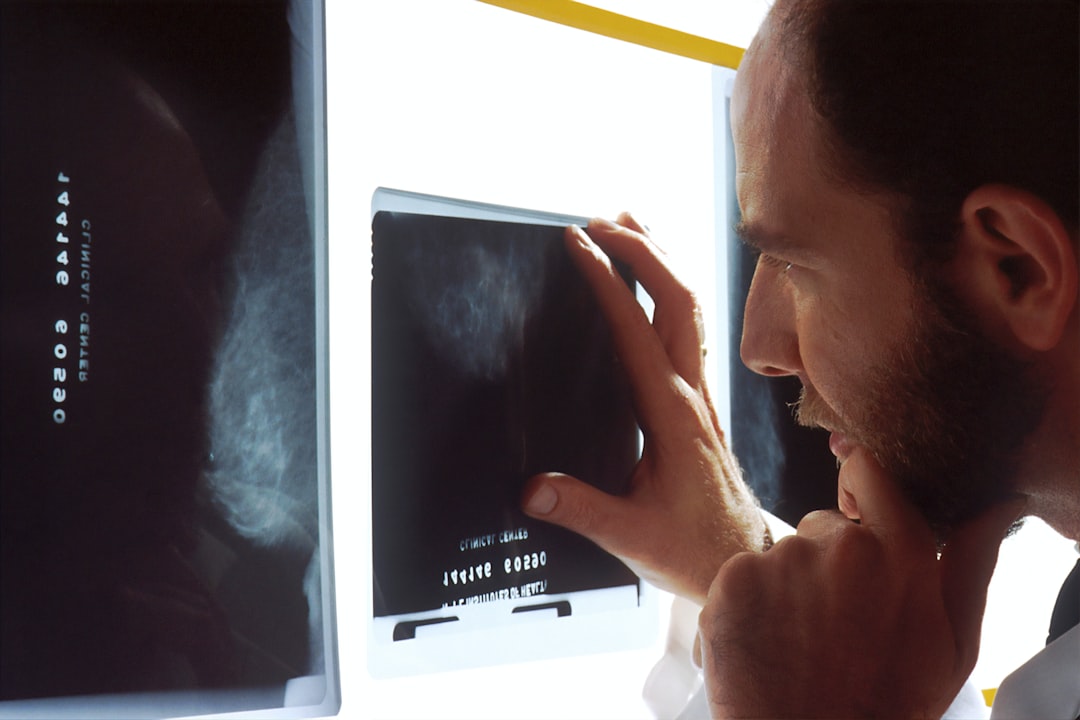
These symptoms often prompt individuals to seek medical evaluation, leading to further diagnostic procedures. Diagnosis typically involves a combination of imaging studies and biopsies. Mammography remains a cornerstone in breast cancer screening, but for those presenting with symptoms, ultrasound and magnetic resonance imaging (MRI) may provide more detailed insights into tumor characteristics and lymph node involvement.
A definitive diagnosis is achieved through a biopsy, where tissue samples are examined histologically for malignant cells. Immunohistochemical staining can also determine hormone receptor status and HER2/neu expression, guiding treatment decisions.
Treatment Options for Stage 3 Breast Cancer

The treatment landscape for Stage 3 breast cancer is multifaceted and often involves a multidisciplinary approach. The primary modalities include surgery, radiation therapy, chemotherapy, and targeted therapies. Neoadjuvant chemotherapy is frequently employed to shrink tumors before surgical intervention, allowing for more conservative surgical options such as lumpectomy rather than mastectomy.
Surgical options vary based on tumor size and location. A mastectomy may be necessary if the tumor is extensive or if there are multiple affected areas within the breast. Sentinel lymph node biopsy or axillary lymph node dissection may be performed to assess the extent of lymphatic involvement.
Targeted therapies have revolutionized the treatment of breast cancer, particularly for those with HER2-positive tumors.
Agents such as trastuzumab (Herceptin) and pertuzumab (Perjeta) are utilized to inhibit HER2 signaling pathways, enhancing treatment efficacy. Hormonal therapies like tamoxifen or aromatase inhibitors are indicated for hormone receptor-positive tumors, further tailoring treatment to individual patient profiles.
The Importance of Early Detection
| Metrics | Data |
|---|---|
| Survival Rate | Higher with early detection |
| Treatment Options | More effective with early detection |
| Cost of Treatment | Lower with early detection |
| Quality of Life | Improved with early detection |
Early detection of breast cancer significantly influences treatment outcomes and survival rates. Regular screening through mammography can identify tumors at an earlier stage when they are more amenable to treatment. Studies have shown that early-stage breast cancer has a five-year survival rate exceeding 90%, compared to lower rates for more advanced stages.
Public health initiatives emphasize the importance of awareness regarding breast cancer symptoms and risk factors. Women are encouraged to perform regular self-examinations and report any changes to their healthcare providers promptly. Additionally, understanding personal risk factors—such as family history, genetic predispositions, and lifestyle choices—can empower individuals to engage in proactive screening measures.
Understanding the Staging Process
The staging process for breast cancer is a systematic approach that assesses the extent of disease spread. The American Joint Committee on Cancer (AJCC) utilizes the TNM system, which evaluates Tumor size (T), Node involvement (N), and Metastasis (M). Each component is assigned a numerical value that collectively determines the overall stage.
For Stage 3 breast cancer, T typically ranges from T2 to T4, indicating larger tumor sizes or extensive local invasion. N values can range from N1 to N3, reflecting varying degrees of lymph node involvement. Importantly, M is always classified as M0 in Stage 3, indicating no distant metastasis.
This comprehensive staging process not only aids in treatment planning but also provides critical prognostic information.
Prognosis and Survival Rates for Stage 3 Breast Cancer

The prognosis for individuals diagnosed with Stage 3 breast cancer varies based on several factors, including tumor biology, response to treatment, and overall health status. The five-year relative survival rate for Stage 3 breast cancer is approximately 72%, although this figure can fluctuate based on specific characteristics such as hormone receptor status and lymph node involvement. Survival rates are generally higher for patients with hormone receptor-positive tumors compared to those with triple-negative breast cancer (TNBC), which tends to be more aggressive and less responsive to standard hormonal therapies.
Continuous advancements in treatment modalities have improved outcomes for many patients; however, ongoing research is essential to further enhance survival rates and quality of life.
The Role of Genetics in Stage 3 Breast Cancer
Genetic factors play a significant role in the development and progression of breast cancer. Mutations in genes such as BRCA1 and BRCA2 are well-documented risk factors that can predispose individuals to more aggressive forms of the disease. Genetic testing is increasingly recommended for patients with a family history of breast or ovarian cancer, as identifying these mutations can inform treatment strategies and preventive measures for at-risk relatives.
Understanding the genetic landscape of an individual’s tumor can also guide targeted therapy decisions. For instance, tumors exhibiting specific mutations may respond better to certain treatments like PARP inhibitors or immunotherapy agents. As research continues to evolve in the field of precision medicine, genetic profiling will likely become an integral component of personalized treatment plans for Stage 3 breast cancer patients.
Managing Side Effects of Treatment
The side effects associated with treatments for Stage 3 breast cancer can be multifaceted and may significantly impact patients’ quality of life. Common side effects include fatigue, nausea, hair loss, and changes in appetite due to chemotherapy; while radiation therapy may lead to skin irritation and localized discomfort. It is crucial for healthcare providers to address these side effects proactively.
Supportive care measures can alleviate many adverse effects experienced during treatment. Antiemetic medications can effectively manage nausea and vomiting associated with chemotherapy regimens. Additionally, counseling services and support groups can provide emotional support during this challenging time.
Integrative approaches such as acupuncture or yoga may also help mitigate stress and improve overall well-being.
Support and Resources for Patients with Stage 3 Breast Cancer
Navigating a diagnosis of Stage 3 breast cancer can be overwhelming; however, numerous resources are available to support patients throughout their journey. Organizations such as the American Cancer Society offer educational materials, support groups, and financial assistance programs tailored to individuals facing this diagnosis. Local hospitals often provide access to oncology social workers who can assist with practical concerns such as transportation to appointments or navigating insurance coverage.
Online platforms also offer virtual support groups where patients can connect with others experiencing similar challenges. Engaging with these resources fosters a sense of community and empowerment during treatment.
Lifestyle Changes and Prevention Strategies
Adopting healthy lifestyle changes can play a pivotal role in reducing the risk of breast cancer recurrence and improving overall health during treatment. Regular physical activity has been shown to enhance physical fitness and reduce fatigue associated with cancer therapies. A balanced diet rich in fruits, vegetables, whole grains, and lean proteins supports immune function and overall well-being.
Additionally, maintaining a healthy weight is crucial; obesity has been linked to poorer outcomes in breast cancer patients. Limiting alcohol consumption and avoiding tobacco products are also essential preventive measures that contribute to long-term health benefits. Engaging in regular screenings post-treatment ensures early detection of any potential recurrences.
The Emotional Impact of Stage 3 Breast Cancer
The emotional toll of a Stage 3 breast cancer diagnosis can be profound, affecting not only the patient but also their loved ones. Feelings of anxiety, depression, fear of recurrence, and uncertainty about the future are common among individuals facing this diagnosis. It is essential for patients to acknowledge these emotions and seek support when needed.
Support groups provide an invaluable space for sharing experiences and fostering connections with others who understand the challenges faced during this time. In summary, Stage 3 breast cancer represents a significant challenge that requires comprehensive management strategies encompassing medical treatment, emotional support, lifestyle modifications, and community resources.
Early detection remains paramount in improving outcomes while ongoing research continues to enhance our understanding of this complex disease. By addressing both physical and emotional aspects of care, patients can navigate their journey with resilience and hope for a positive future.
Stage 3 breast cancer is a serious diagnosis that requires prompt and aggressive treatment. According to a recent article on