Now Reading: Understanding Carcinoma Cancer: Causes, Symptoms, and Treatment
-
01
Understanding Carcinoma Cancer: Causes, Symptoms, and Treatment
Understanding Carcinoma Cancer: Causes, Symptoms, and Treatment
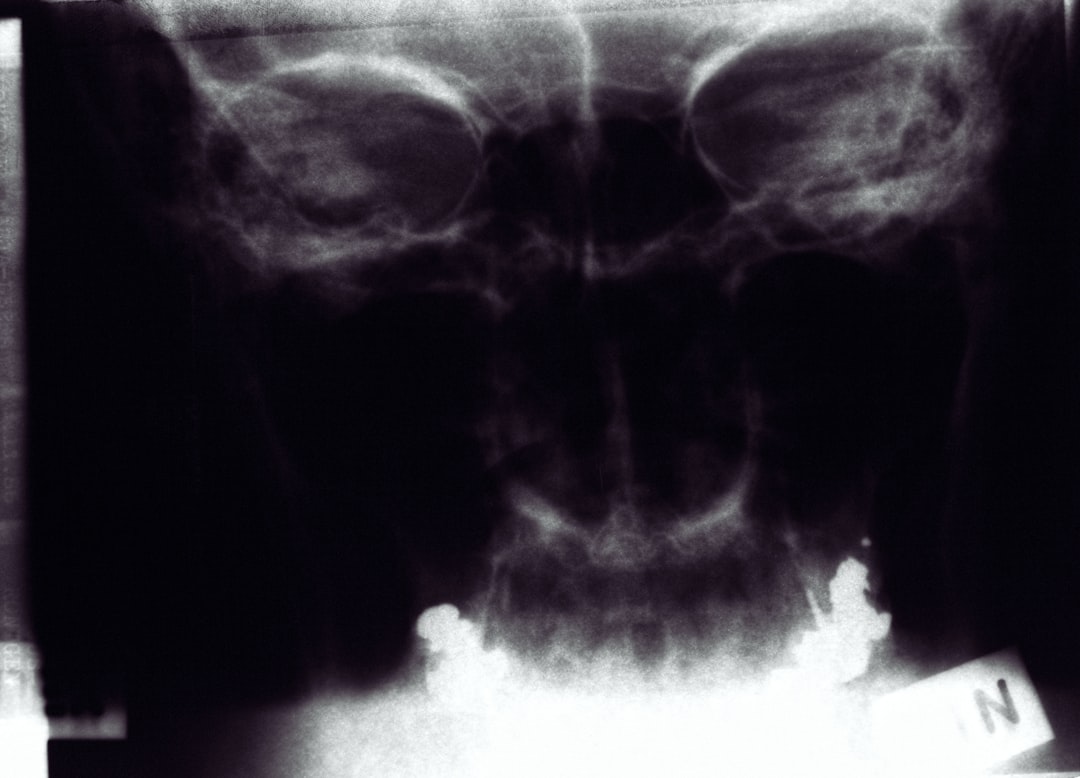
Carcinoma cancer represents a significant category of malignancies that originate from epithelial cells, which line the surfaces of organs and structures throughout the body. This type of cancer is characterized by the uncontrolled proliferation of these cells, leading to the formation of tumors that can invade surrounding tissues and metastasize to distant sites. Carcinomas are the most prevalent form of cancer, accounting for approximately 80-90% of all cancer diagnoses.
Carcinomas can arise in various organs, including the lungs, breast, prostate, colon, and skin. The classification of carcinoma is primarily based on the specific type of epithelial cell from which it originates.
This categorization is crucial for determining prognosis and treatment strategies. Understanding the biological behavior of carcinoma is essential for both patients and healthcare providers, as it influences clinical management and outcomes.
Key Takeaways
- Carcinoma cancer is a type of cancer that begins in the cells that line the organs and tissues of the body.
- There are several different types of carcinoma cancer, including adenocarcinoma, squamous cell carcinoma, and basal cell carcinoma.
- Causes and risk factors of carcinoma cancer include smoking, exposure to UV radiation, and certain genetic mutations.
- Common symptoms of carcinoma cancer may include a new lump or growth, changes in a mole or wart, and persistent cough or hoarseness.
- Diagnosing carcinoma cancer involves a combination of physical exams, imaging tests, and biopsy to confirm the presence of cancer cells.
Different Types of Carcinoma Cancer
Carcinomas are broadly classified into several subtypes, each with distinct characteristics and clinical implications. The most common types include: 1. **Adenocarcinoma**: This subtype originates from glandular epithelial cells and is frequently found in organs such as the breast, prostate, pancreas, and colon.
Adenocarcinomas are known for their ability to produce mucus and other secretions. 2. **Squamous Cell Carcinoma (SCC)**: Arising from squamous epithelial cells, SCC commonly occurs in the skin, lungs, and cervix.
It is characterized by the presence of keratinized cells and can be aggressive if not detected early. 3. **Basal Cell Carcinoma (BCC)**: This is the most common form of skin cancer, originating from basal cells in the epidermis.
BCC typically grows slowly and rarely metastasizes but can cause significant local damage if left untreated. 4. **Transitional Cell Carcinoma**: This type arises from transitional epithelium, primarily found in the urinary bladder.
It is known for its potential to recur after treatment. 5. **Renal Cell Carcinoma (RCC)**: Originating in the kidneys, RCC is characterized by a variety of histological subtypes and can present with systemic symptoms such as hematuria and weight loss.
Each subtype exhibits unique histopathological features and clinical behaviors, necessitating tailored approaches to diagnosis and treatment.
Causes and Risk Factors of Carcinoma Cancer
The etiology of carcinoma cancer is multifactorial, involving a complex interplay between genetic predisposition and environmental influences. Key risk factors include: 1. **Tobacco Use**: Smoking is a well-established risk factor for various carcinomas, particularly lung cancer and head and neck cancers.
The carcinogenic compounds in tobacco smoke induce DNA damage in epithelial cells. 2. **Exposure to Carcinogens**: Prolonged exposure to certain chemicals, such as asbestos, benzene, and formaldehyde, can increase the risk of developing carcinoma.
Occupational exposure in industries like construction and manufacturing poses significant risks. 3. **Radiation Exposure**: Ultraviolet (UV) radiation from sunlight is a major contributor to skin carcinomas, while ionizing radiation has been linked to several internal malignancies.
4. **Viral Infections**: Certain viruses, including human papillomavirus (HPV), hepatitis B virus (HBV), and Epstein-Barr virus (EBV), are associated with an increased risk of specific carcinomas. 5.
**Genetic Predisposition**: Inherited mutations in genes such as BRCA1 and BRCA2 significantly elevate the risk of breast and ovarian carcinomas. Family history plays a crucial role in assessing individual risk. Understanding these risk factors is vital for implementing preventive measures and early detection strategies.
Common Symptoms of Carcinoma Cancer
| Symptom | Description |
|---|---|
| Lump or thickening in the breast or other parts of the body | Unusual mass or swelling that can be felt under the skin |
| Changes in the skin | Changes in the size, shape, or color of a mole or other skin lesion |
| Unexplained weight loss | Significant and unexplained weight loss without trying |
| Fatigue | Feeling extremely tired and lacking energy |
| Persistent cough or hoarseness | Long-lasting cough or hoarseness that doesn’t go away |
The clinical presentation of carcinoma cancer varies widely depending on the site of origin and extent of disease progression. Common symptoms may include: 1. **Unexplained Weight Loss**: Many patients experience significant weight loss without changes in diet or physical activity, often due to metabolic alterations associated with malignancy.
2. **Persistent Cough or Hoarseness**: In lung carcinoma, patients may present with a chronic cough or changes in voice quality due to tumor involvement in the respiratory tract. 3.
**Changes in Bowel or Bladder Habits**: Colorectal carcinoma may manifest as altered bowel habits, including diarrhea or constipation, while bladder carcinoma can lead to hematuria or increased urinary frequency. 4. **Skin Changes**: In cases of skin carcinoma, patients may notice new growths or changes in existing moles, including asymmetry, irregular borders, or color variation.
**Fatigue and Weakness**: Generalized fatigue is a common symptom across various carcinomas, often resulting from anemia or metabolic demands imposed by tumor growth. Recognizing these symptoms early can facilitate timely diagnosis and intervention.
Diagnosing Carcinoma Cancer
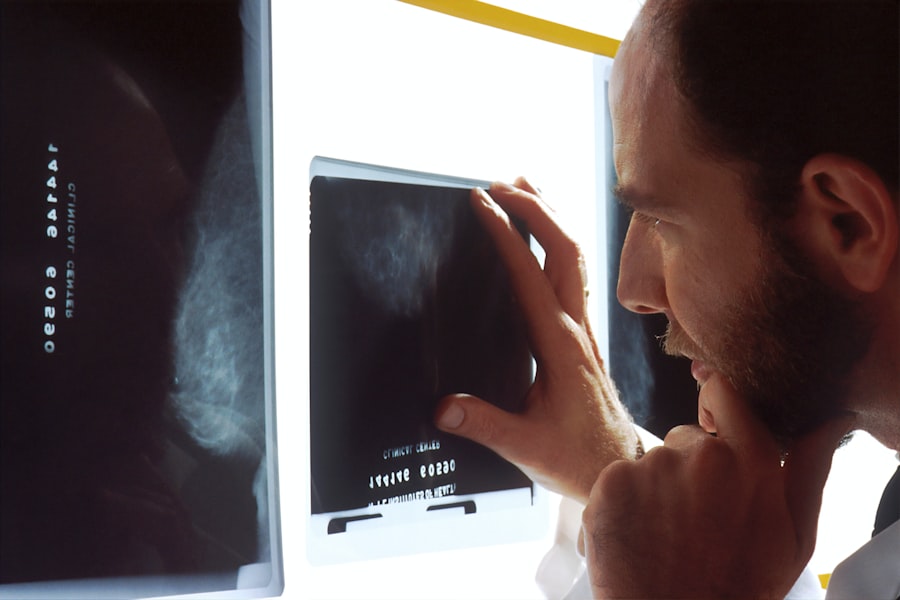
The diagnostic process for carcinoma cancer typically involves a combination of imaging studies, laboratory tests, and histopathological evaluation. Initial steps may include: 1. **Imaging Studies**: Techniques such as X-rays, computed tomography (CT) scans, magnetic resonance imaging (MRI), and positron emission tomography (PET) scans are employed to visualize tumors and assess their extent.
2. **Biopsy**: A definitive diagnosis often requires obtaining tissue samples through various methods such as fine-needle aspiration (FNA), core needle biopsy, or excisional biopsy. Histopathological examination by a pathologist confirms the presence of malignant cells.
3. **Blood Tests**: Tumor markers may be assessed through blood tests to aid in diagnosis and monitor treatment response. For example, prostate-specific antigen (PSA) is used for prostate carcinoma evaluation.
4. **Endoscopy**: In cases where carcinoma arises in hollow organs (e.g., gastrointestinal tract), endoscopic procedures allow direct visualization and biopsy of suspicious lesions. An accurate diagnosis is crucial for determining appropriate treatment strategies and prognostic implications.
Stages of Carcinoma Cancer
Staging carcinoma cancer involves assessing the extent of disease spread within the body using established systems such as the TNM classification: 1. **T (Tumor Size)**: This component evaluates the size of the primary tumor and its local extent. 2. **N (Lymph Node Involvement)**: This aspect assesses whether regional lymph nodes are affected by metastatic spread. 3. **M (Distant Metastasis)**: This parameter indicates whether the carcinoma has spread to distant organs or tissues. Staging ranges from Stage 0 (in situ) to Stage IV (advanced disease), with each stage dictating specific treatment approaches and prognostic outcomes. Accurate staging is essential for tailoring therapy and predicting patient survival rates.
Treatment Options for Carcinoma Cancer
The management of carcinoma cancer is multifaceted and often involves a combination of therapeutic modalities tailored to individual patient needs. Treatment options may include: 1. **Surgery**: Surgical intervention aims to remove the tumor along with surrounding healthy tissue to achieve clear margins.
2. **Chemotherapy**: Systemic chemotherapy employs cytotoxic agents to target rapidly dividing cancer cells throughout the body. 3.
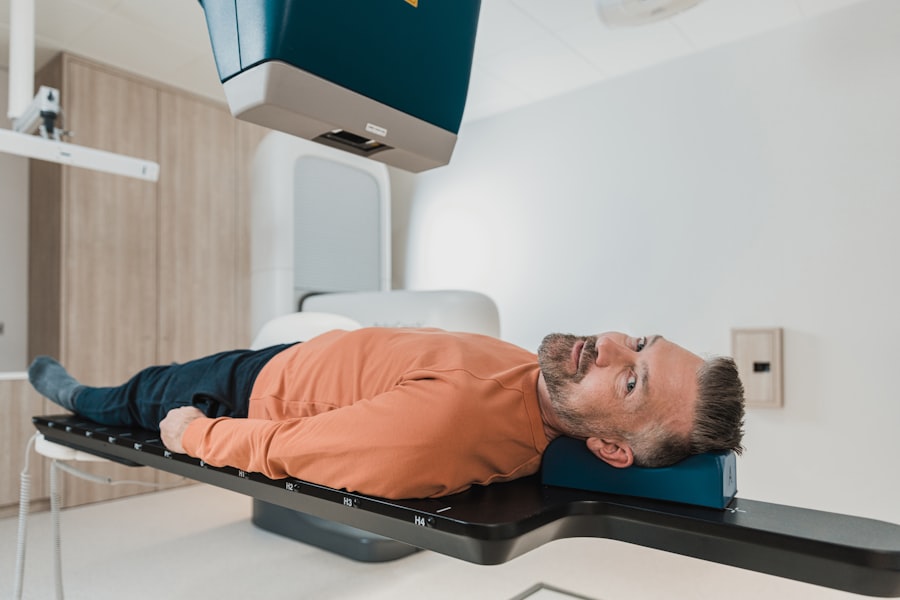
**Radiation Therapy**: This modality utilizes high-energy radiation to destroy cancer cells or shrink tumors, often used in conjunction with surgery or chemotherapy. 4. **Targeted Therapy**: These agents specifically target molecular pathways involved in tumor growth and progression, offering a more personalized approach to treatment.
5. **Immunotherapy**: This innovative treatment harnesses the body’s immune system to recognize and attack cancer cells more effectively. The choice of treatment depends on various factors including tumor type, stage, patient health status, and preferences.
Surgery for Carcinoma Cancer
Surgical intervention remains a cornerstone in the management of many carcinomas, particularly when diagnosed at an early stage. The primary goal is complete resection of the tumor while preserving surrounding healthy tissue whenever possible. Surgical techniques may vary based on tumor location: 1.
**Lumpectomy**: In breast carcinoma, this procedure involves removing the tumor along with a margin of surrounding tissue while conserving breast structure. 2. **Mastectomy**: For more advanced breast cancers or those with significant risk factors, total mastectomy may be indicated to eliminate all breast tissue.
3. **Colectomy**: In colorectal carcinoma, partial or total colectomy may be performed to remove affected segments of the colon along with nearby lymph nodes. 4.
**Lobectomy or Pneumonectomy**: In lung carcinoma cases, lobectomy involves removing a lobe of the lung while pneumonectomy entails complete removal of one lung. Postoperative care is critical for recovery and may involve monitoring for complications such as infection or bleeding.
Chemotherapy and Radiation Therapy for Carcinoma Cancer
Chemotherapy plays a pivotal role in managing carcinoma cancer by targeting rapidly dividing cells throughout the body. Various chemotherapeutic agents are utilized based on tumor type: 1. **Alkylating Agents**: These drugs work by damaging DNA strands within cancer cells, preventing replication (e.g., cyclophosphamide).
2. **Antimetabolites**: These agents mimic natural substances within cells to disrupt DNA synthesis (e.g., methotrexate). 3.
**Taxanes**: These drugs inhibit cell division by interfering with microtubule function (e.g., paclitaxel). Radiation therapy complements chemotherapy by delivering targeted high-energy radiation to destroy cancer cells while minimizing damage to surrounding healthy tissue: 1. **External Beam Radiation Therapy (EBRT)**: This technique directs radiation beams from outside the body toward the tumor site.
2. **Brachytherapy**: This method involves placing radioactive sources directly within or near the tumor for localized treatment. Both chemotherapy and radiation therapy can lead to side effects such as nausea, fatigue, hair loss, and immunosuppression; thus careful management is essential during treatment.
Targeted Therapy and Immunotherapy for Carcinoma Cancer
Targeted therapy represents a paradigm shift in cancer treatment by focusing on specific molecular targets associated with carcinoma growth: 1. **Monoclonal Antibodies**: These engineered antibodies bind to specific antigens on cancer cells (e.g., trastuzumab for HER2-positive breast cancer). 2. **Tyrosine Kinase Inhibitors (TKIs)**: These agents block signaling pathways that promote tumor growth (e.g., imatinib for chronic myeloid leukemia). Immunotherapy harnesses the body’s immune system to combat cancer more effectively: 1. **Checkpoint Inhibitors**: These drugs release brakes on immune responses, allowing T-cells to attack cancer cells more vigorously (e.g., pembrolizumab). 2. **CAR T-cell Therapy**: This innovative approach involves modifying a patient’s T-cells to enhance their ability to recognize and destroy cancer cells. Both targeted therapy and immunotherapy have shown promising results in improving outcomes for patients with advanced carcinoma cancers that are resistant to traditional treatments.
Managing Side Effects and Supportive Care for Carcinoma Cancer
The management of side effects associated with carcinoma treatment is crucial for maintaining quality of life during therapy: 1. **Nausea Management**: Antiemetic medications such as ondansetron can help alleviate nausea induced by chemotherapy or radiation therapy. 2. **Pain Management**: Analgesics ranging from non-steroidal anti-inflammatory drugs (NSAIDs) to opioids may be necessary for managing pain associated with tumors or treatment side effects. 3. **Nutritional Support**: Maintaining adequate nutrition is vital; dietary consultations can help address issues related to appetite loss or changes in taste perception. 4. **Psychosocial Support**: Counseling services can provide emotional support for patients coping with anxiety or depression related to their diagnosis and treatment journey. 5. **Palliative Care**: For advanced stages of carcinoma where curative treatment is no longer feasible, palliative care focuses on symptom relief and enhancing quality of life through comprehensive support services. Effective management strategies are essential for optimizing patient outcomes throughout their cancer journey. In summary, carcinoma cancer encompasses a diverse group of malignancies originating from epithelial cells with varying characteristics based on subtype and location within the body. Understanding its causes, symptoms, diagnostic methods, staging systems, and treatment options—including surgery, chemotherapy, radiation therapy, targeted therapy, and immunotherapy—is crucial for effective management. Addressing side effects through supportive care enhances patient quality of life during treatment processes while ongoing research continues to advance therapeutic strategies against this prevalent disease.
There is a fascinating article on how one individual generated $2000 in their first month with the Amazon Influencer Program. This success story is inspiring and showcases the potential for earning money through online platforms. In a similar vein, advancements in technology and online platforms have also revolutionized the way we approach healthcare, including the treatment of diseases like carcinoma cancer. Researchers are constantly exploring new ways to diagnose and treat this deadly disease, offering hope to patients and their families.
FAQs
What is carcinoma cancer?
Carcinoma cancer is a type of cancer that begins in the cells that line the organs and tissues of the body. It is the most common type of cancer and can occur in various parts of the body, including the skin, lungs, breasts, and digestive system.
What are the symptoms of carcinoma cancer?
The symptoms of carcinoma cancer can vary depending on the location of the cancer. Common symptoms may include lumps or thickening of the skin or tissue, changes in bowel or bladder habits, persistent cough or hoarseness, and unexplained weight loss.
What are the risk factors for carcinoma cancer?
Risk factors for carcinoma cancer include smoking, excessive alcohol consumption, exposure to certain chemicals or radiation, a family history of cancer, and a weakened immune system. Age and gender can also play a role in the risk of developing carcinoma cancer.
How is carcinoma cancer diagnosed?
Carcinoma cancer is typically diagnosed through a combination of physical examination, imaging tests (such as X-rays, CT scans, or MRIs), and biopsy. A biopsy involves removing a small sample of tissue for examination under a microscope to determine if cancer cells are present.
What are the treatment options for carcinoma cancer?
Treatment for carcinoma cancer may include surgery to remove the cancerous tissue, radiation therapy to destroy cancer cells, chemotherapy to kill cancer cells throughout the body, targeted therapy to attack specific cancer cells, and immunotherapy to boost the body’s immune system to fight cancer.
What is the prognosis for carcinoma cancer?
The prognosis for carcinoma cancer varies depending on the stage of the cancer, the location of the cancer, and the overall health of the individual. Early detection and treatment can improve the prognosis, while advanced stages of carcinoma cancer may have a poorer prognosis.