Now Reading: Understanding Paraganglioma: Symptoms and Treatment
-
01
Understanding Paraganglioma: Symptoms and Treatment
Understanding Paraganglioma: Symptoms and Treatment
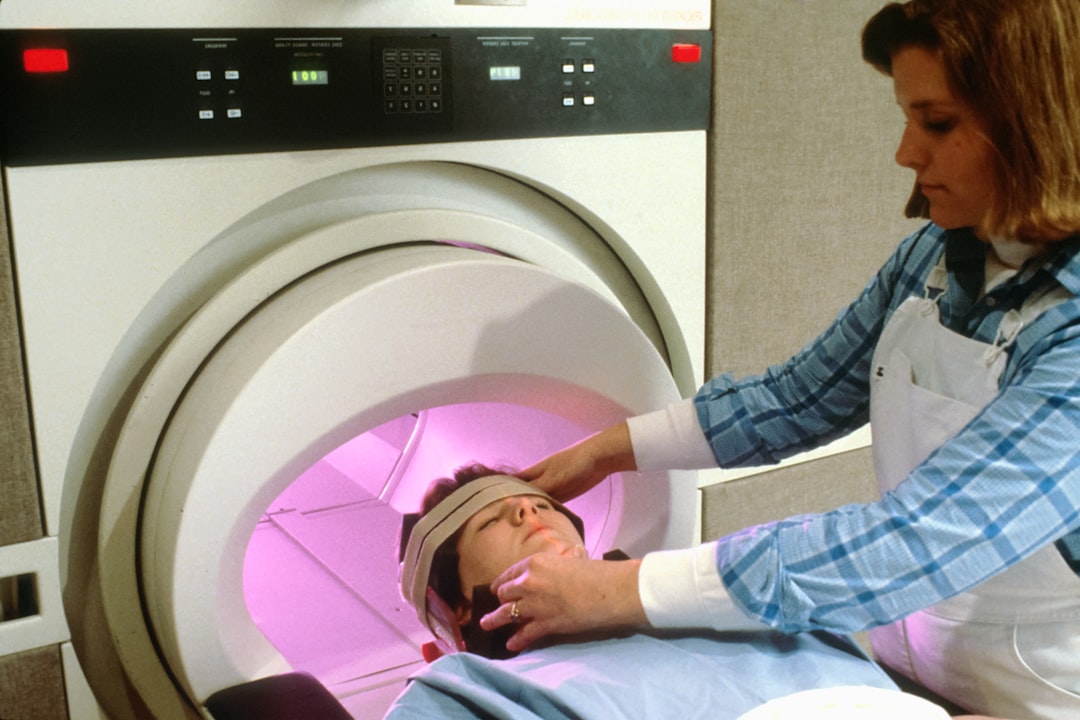
Paraganglioma is a rare neuroendocrine tumor that arises from paraganglia, which are clusters of neuroendocrine cells located throughout the body. These tumors can develop in various anatomical locations, including the head, neck, thorax, abdomen, and pelvis. Paragangliomas are classified into two main categories: sympathetic and parasympathetic.
Sympathetic paragangliomas typically secrete catecholamines, leading to symptoms associated with excess adrenaline, while parasympathetic paragangliomas are often non-functional and do not produce hormones. The incidence of paragangliomas is estimated to be approximately 1-2 cases per 100,000 individuals annually. Although these tumors can occur at any age, they are most commonly diagnosed in adults between the ages of 30 and 50.
Genetic predisposition plays a significant role in the development of paragangliomas, with mutations in genes such as SDHB, SDHC, and SDHD being implicated in familial cases. Understanding the nature of paragangliomas is crucial for early detection and effective management.
Key Takeaways
- Paraganglioma is a rare type of tumor that develops in the nerve cells of the autonomic nervous system.
- Symptoms of Paraganglioma may include high blood pressure, headaches, sweating, and rapid heart rate.
- The causes of Paraganglioma are often related to genetic mutations, but can also be sporadic in nature.
- Diagnosis of Paraganglioma involves imaging tests, blood and urine tests, and genetic testing to confirm the presence of the tumor.
- Treatment options for Paraganglioma may include surgery, radiation therapy, and medications to manage symptoms and shrink the tumor.
Symptoms of Paraganglioma
The clinical presentation of paragangliomas can vary significantly depending on their location and whether they are functional or non-functional. Functional paragangliomas, particularly those that secrete catecholamines, may present with symptoms such as hypertension, palpitations, excessive sweating, and anxiety. These symptoms arise from the overproduction of hormones like epinephrine and norepinephrine, which can lead to episodes of paroxysmal hypertension.
In contrast, non-functional paragangliomas may not exhibit any overt symptoms until they reach a significant size or cause local compressive effects on surrounding structures. Patients may experience pain or discomfort in the affected area, difficulty swallowing if located in the neck, or respiratory issues if situated in the thoracic cavity. Additionally, some individuals may present with neurological symptoms if the tumor exerts pressure on adjacent nerves or structures.
Causes of Paraganglioma

The etiology of paragangliomas is multifactorial, with genetic predisposition being a significant contributor. Approximately 30-50% of paragangliomas are associated with hereditary syndromes such as Multiple Endocrine Neoplasia (MEN) type 2, von Hippel-Lindau disease, and neurofibromatosis type 1. Mutations in succinate dehydrogenase (SDH) genes have been identified as key players in the pathogenesis of these tumors. These genetic alterations disrupt normal cellular metabolism and promote tumorigenesis.
Environmental factors may also play a role in the development of paragangliomas, although research in this area remains limited. Chronic exposure to certain chemicals or radiation has been suggested as potential risk factors. However, further studies are needed to establish definitive links between environmental exposures and the incidence of paragangliomas.
Diagnosis of Paraganglioma
| Diagnostic Method | Sensitivity | Specificity |
|---|---|---|
| Blood and urine tests for catecholamines and metanephrines | 97% | 92% |
| Imaging studies (CT, MRI, PET scan) | 85-95% | 80-90% |
| Genetic testing | Up to 95% | Up to 95% |
The diagnostic process for paraganglioma typically begins with a thorough clinical evaluation and a detailed medical history. Imaging studies such as computed tomography (CT) scans or magnetic resonance imaging (MRI) are essential for visualizing the tumor’s location and size. Functional imaging techniques like positron emission tomography (PET) scans may also be employed to assess metabolic activity and detect metastases.
Biochemical testing is crucial for identifying functional paragangliomas. Measurement of plasma free metanephrines or urinary catecholamines can help confirm the diagnosis in patients exhibiting symptoms consistent with catecholamine excess. In some cases, a biopsy may be performed to obtain histological confirmation of the tumor type.
Treatment options for Paraganglioma
The management of paraganglioma is tailored to the individual patient based on tumor characteristics, location, and functional status. Surgical resection remains the primary treatment modality for localized tumors. Complete excision can lead to favorable outcomes, particularly for non-functional tumors or those that do not exhibit aggressive behavior.
For patients with metastatic disease or those who are not surgical candidates due to comorbidities or tumor location, alternative treatment options may be considered. These can include targeted therapies aimed at specific genetic mutations or pathways involved in tumor growth. Additionally, palliative care measures may be implemented to alleviate symptoms and improve quality of life.
Surgical options for Paraganglioma

Surgical intervention is often the cornerstone of treatment for paragangliomas, particularly when tumors are localized and resectable. The surgical approach depends on the tumor’s anatomical location and size. For example, neck paragangliomas may require a carotid body resection or excision of surrounding tissues to ensure complete removal while preserving critical vascular structures.
In cases where tumors are larger or involve adjacent organs, more extensive surgical procedures may be necessary. The goal of surgery is to achieve complete resection while minimizing complications such as nerve damage or excessive bleeding. Postoperative monitoring is essential to assess for potential complications and ensure optimal recovery.
Medications for Paraganglioma
Pharmacological management plays a vital role in treating functional paragangliomas that secrete catecholamines. Alpha-adrenergic blockers such as phenoxybenzamine are often prescribed preoperatively to control hypertension and prevent hypertensive crises during surgery. Beta-blockers may also be utilized to manage tachycardia and other cardiovascular symptoms associated with catecholamine excess.
In cases where surgery is not feasible or for patients with metastatic disease, targeted therapies may be explored based on specific genetic mutations identified in the tumor. For instance, drugs that inhibit pathways involved in tumor growth or angiogenesis may offer therapeutic benefits. Ongoing clinical trials continue to investigate novel pharmacological agents for managing paragangliomas.
Radiation therapy for Paraganglioma
Radiation therapy can serve as an adjunctive treatment option for patients with unresectable or metastatic paragangliomas. Stereotactic radiosurgery (SRS) is a non-invasive technique that delivers high doses of radiation precisely to the tumor while sparing surrounding healthy tissue. This approach can effectively reduce tumor size and alleviate symptoms associated with mass effect.
Additionally, external beam radiation therapy (EBRT) may be employed in cases where tumors are not amenable to surgical resection or when there is a need for palliation of symptoms related to metastatic disease. The decision to utilize radiation therapy is made on a case-by-case basis, considering factors such as tumor location, size, and patient overall health status.
Monitoring and follow-up for Paraganglioma
Long-term follow-up is essential for individuals diagnosed with paraganglioma due to the potential for recurrence or metastasis. Regular imaging studies and biochemical assessments are recommended to monitor for any signs of disease progression or new tumor development. The frequency of follow-up visits may vary based on individual risk factors and treatment history.
Patients with hereditary syndromes associated with paragangliomas should undergo genetic counseling and screening for other related tumors as part of their ongoing care plan. Multidisciplinary collaboration among oncologists, endocrinologists, and geneticists is crucial for providing comprehensive management and support throughout the patient’s journey.
Lifestyle changes for managing Paraganglioma
Adopting a healthy lifestyle can play a significant role in managing paraganglioma and improving overall well-being. Patients are encouraged to maintain a balanced diet rich in fruits, vegetables, whole grains, and lean proteins while minimizing processed foods high in sugars and unhealthy fats. Regular physical activity can enhance cardiovascular health and improve mood.
Stress management techniques such as mindfulness meditation, yoga, or counseling may also benefit individuals coping with the emotional challenges associated with a cancer diagnosis. Additionally, avoiding tobacco use and limiting alcohol consumption can contribute to better health outcomes during treatment and recovery.
Support and resources for individuals with Paraganglioma
Navigating a diagnosis of paraganglioma can be overwhelming; therefore, access to support resources is vital for patients and their families. Numerous organizations provide educational materials, support groups, and advocacy services tailored specifically for individuals affected by rare tumors like paraganglioma. Connecting with others who have experienced similar challenges can foster a sense of community and provide valuable insights into coping strategies and treatment options.
Online forums and local support groups offer platforms for sharing experiences and receiving emotional support throughout the treatment journey. In summary, paraganglioma is a rare neuroendocrine tumor that requires careful diagnosis and management due to its diverse clinical presentations and potential complications. Treatment options include surgical resection, pharmacological interventions, radiation therapy, and ongoing monitoring to ensure optimal outcomes.
Lifestyle modifications can enhance overall health during treatment, while support resources provide essential assistance for patients navigating their journey with this complex condition.
Paragangliomas are rare tumors that can develop in various parts of the body, including the head, neck, and abdomen. These tumors are often benign but can cause symptoms such as high blood pressure and headaches. For more information on the latest advancements in the treatment of paragangliomas, check out this article on navigating the complexities of pet insurance.
FAQs
What is a paraganglioma?
A paraganglioma is a rare type of tumor that develops in the cells of the paraganglia, which are clusters of cells located near certain blood vessels and nerves in the body.
What are the symptoms of paraganglioma?
The symptoms of paraganglioma can vary depending on the location of the tumor, but common symptoms may include high blood pressure, headaches, sweating, and palpitations.
What causes paraganglioma?
Paragangliomas are caused by mutations in certain genes that control the growth and division of cells. In some cases, these mutations may be inherited, while in other cases they may occur spontaneously.
How is paraganglioma diagnosed?
Paragangliomas are typically diagnosed through imaging tests such as CT scans, MRI scans, and PET scans, as well as through blood and urine tests to measure hormone levels.
What are the treatment options for paraganglioma?
Treatment for paraganglioma may include surgery to remove the tumor, radiation therapy, and medications to control blood pressure and hormone levels. In some cases, genetic testing and counseling may also be recommended.
What is the prognosis for paraganglioma?
The prognosis for paraganglioma can vary depending on the size and location of the tumor, as well as whether it has spread to other parts of the body. With early detection and appropriate treatment, the prognosis is generally favorable.