Now Reading: Understanding Melanoma Skin Cancer: Prevention and Treatment
-
01
Understanding Melanoma Skin Cancer: Prevention and Treatment
Understanding Melanoma Skin Cancer: Prevention and Treatment

Melanoma is a malignant neoplasm that arises from melanocytes, the pigment-producing cells located in the epidermis. This form of skin cancer is particularly aggressive and can metastasize to other parts of the body if not detected and treated early. Melanoma is characterized by the uncontrolled proliferation of melanocytes, leading to the formation of tumors that can vary in color, size, and shape.
The most common type of melanoma is cutaneous melanoma, which occurs on the skin, but it can also manifest in mucosal surfaces and the eyes. The incidence of melanoma has been rising steadily over the past few decades, making it a significant public health concern. According to the American Cancer Society, an estimated 99,780 new cases of melanoma will be diagnosed in the United States in 2022 alone.
The prognosis for melanoma largely depends on the stage at which it is diagnosed; early detection significantly improves survival rates. Melanoma can be identified by its distinctive features, often summarized by the ABCDE rule: Asymmetry, Border irregularity, Color variation, Diameter greater than 6mm, and Evolving characteristics.
Key Takeaways
- Melanoma skin cancer is a type of cancer that begins in the cells that produce pigment in the skin.
- Risk factors for melanoma skin cancer include excessive sun exposure, a history of sunburns, a family history of melanoma, and having fair skin, light hair, or light-colored eyes.
- Prevention of melanoma skin cancer involves protecting the skin from UV radiation, avoiding tanning beds, and performing regular skin self-exams.
- Early detection and diagnosis of melanoma skin cancer is crucial for successful treatment and involves regular skin checks and seeking medical attention for any suspicious moles or skin changes.
- Treatment options for melanoma skin cancer include surgical procedures, immunotherapy, targeted therapy, radiation therapy, and participation in clinical trials for new treatments. Supportive care is also important for melanoma skin cancer patients to manage symptoms and improve quality of life.
Risk Factors for Melanoma Skin Cancer
Several risk factors contribute to the development of melanoma skin cancer, with ultraviolet (UV) radiation exposure being the most significant. Individuals who frequently engage in outdoor activities without adequate sun protection are at a heightened risk. Tanning beds also pose a considerable threat, particularly to adolescents and young adults.
Genetic predisposition plays a crucial role; individuals with a family history of melanoma or those with certain genetic mutations, such as mutations in the CDKN2A gene, are more susceptible. Other risk factors include having fair skin, light-colored eyes, and red or blonde hair, as these traits are associated with lower levels of melanin, which provides some protection against UV radiation. Additionally, the presence of numerous moles or atypical nevi increases the likelihood of developing melanoma.
Age is another factor; while melanoma can occur at any age, it is more commonly diagnosed in older adults. Furthermore, immunosuppression due to conditions such as HIV/AIDS or organ transplantation can elevate the risk of melanoma.
Prevention of Melanoma Skin Cancer
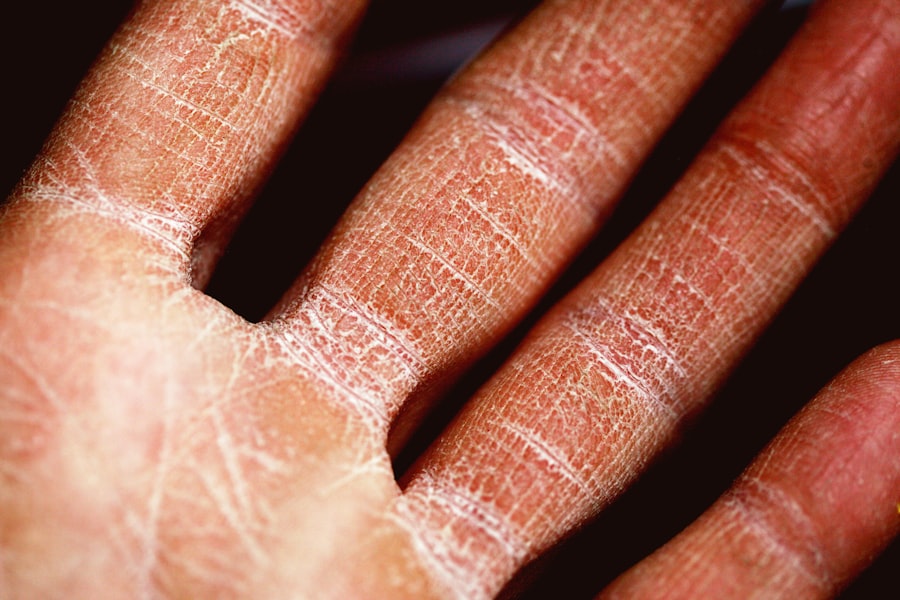
Preventive measures are essential in reducing the incidence of melanoma skin cancer. The most effective strategy is minimizing UV exposure through various means. Wearing broad-spectrum sunscreen with an SPF of 30 or higher is crucial when spending time outdoors.
It is advisable to reapply sunscreen every two hours and after swimming or sweating.
Protective clothing, such as long-sleeved shirts and wide-brimmed hats, can also shield the skin from harmful rays.
In addition to physical barriers, seeking shade during peak sun hours (10 a.m. to 4 p.m.) can significantly reduce UV exposure. Regular skin examinations are vital for early detection; individuals should perform self-examinations monthly and consult a dermatologist annually for professional evaluations.
Education about the dangers of tanning beds and promoting sun-safe behaviors among adolescents can further contribute to prevention efforts.
Early Detection and Diagnosis of Melanoma Skin Cancer
| Metrics | 2018 | 2019 | 2020 |
|---|---|---|---|
| Number of skin cancer screenings | 100,000 | 120,000 | 150,000 |
| Percentage of early detection cases | 65% | 70% | 75% |
| Number of diagnosed melanoma cases | 5,000 | 4,500 | 4,000 |
| Survival rate of early detected melanoma | 90% | 92% | 95% |
Early detection is paramount in improving outcomes for melanoma patients. Dermatologists utilize various diagnostic tools to identify suspicious lesions. The initial assessment often involves a thorough physical examination of the skin, focusing on moles and pigmented lesions.
If a lesion appears concerning based on the ABCDE criteria, a biopsy is typically performed to confirm the diagnosis. There are several types of biopsies used in diagnosing melanoma: excisional biopsy, where the entire lesion is removed; incisional biopsy, where only a portion is taken; and punch biopsy, which removes a small cylindrical section of skin. Once a biopsy confirms melanoma, further staging tests may be conducted to determine the extent of disease spread.
Staging involves imaging studies such as CT scans or MRIs to assess lymph node involvement or distant metastasis.
Treatment Options for Melanoma Skin Cancer
The treatment approach for melanoma skin cancer depends on several factors, including the stage of cancer, location of the tumor, and overall health of the patient. For localized melanoma (stages 0 and I), surgical excision remains the primary treatment modality. The goal is to remove the tumor along with a margin of healthy tissue to ensure complete removal.
For more advanced stages (II and III), additional treatment options may be necessary. Adjuvant therapies such as immunotherapy or targeted therapy may be recommended to reduce the risk of recurrence after surgery. In cases where melanoma has metastasized (stage IV), systemic therapies become crucial in managing the disease.
These may include chemotherapy, immunotherapy, targeted therapy, or participation in clinical trials exploring novel treatment options.
Surgical Procedures for Melanoma Skin Cancer
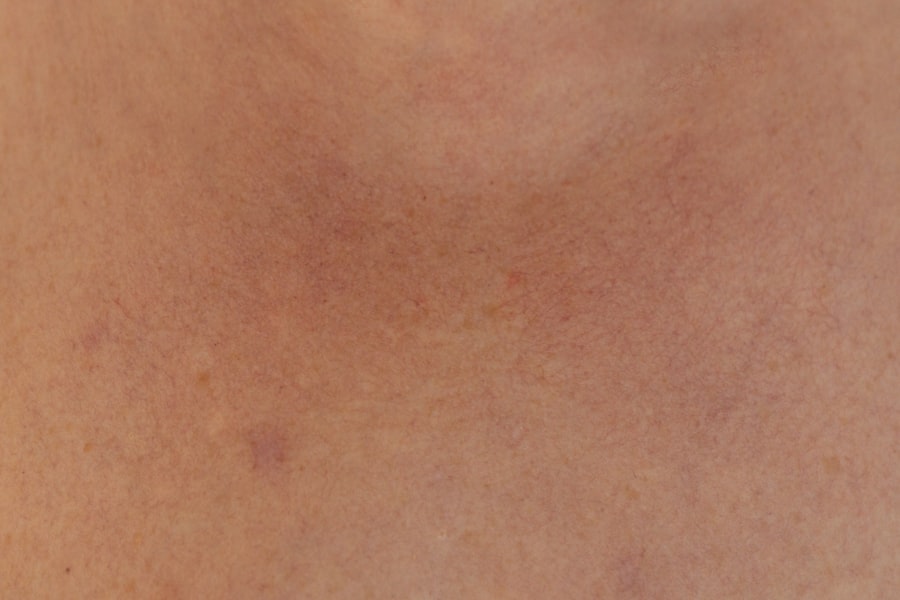
Surgical intervention is often the first line of treatment for melanoma skin cancer. The primary procedure involves wide local excision, where the tumor and surrounding healthy tissue are surgically removed to ensure clear margins. The size of the excised area depends on the thickness and characteristics of the melanoma; thicker lesions require larger margins to minimize recurrence risk.
In cases where melanoma has spread to nearby lymph nodes (stage III), a sentinel lymph node biopsy may be performed. This procedure involves identifying and removing the first lymph node(s) that drain from the tumor site to assess for cancer spread.
Immunotherapy for Melanoma Skin Cancer
Immunotherapy has revolutionized the treatment landscape for melanoma skin cancer by harnessing the body’s immune system to fight cancer cells. Immune checkpoint inhibitors such as pembrolizumab (Keytruda) and nivolumab (Opdivo) have shown remarkable efficacy in treating advanced melanoma by blocking proteins that inhibit immune responses against tumors. These therapies work by enhancing T-cell activity against melanoma cells, leading to improved survival rates in patients with metastatic disease.
Clinical trials have demonstrated that patients receiving immunotherapy experience durable responses, with some achieving long-term remission. However, potential side effects include immune-related adverse events affecting various organs; thus, careful monitoring during treatment is essential.
Targeted Therapy for Melanoma Skin Cancer
Targeted therapy represents another innovative approach for treating melanoma, particularly for patients with specific genetic mutations such as BRAF V600E/K mutations. Medications like vemurafenib (Zelboraf) and dabrafenib (Tafinlar) selectively inhibit mutated BRAF proteins, leading to reduced tumor growth. These therapies are often combined with MEK inhibitors like trametinib (Mekinist) to enhance efficacy and overcome resistance mechanisms that may develop during treatment.
Targeted therapies have shown significant improvements in progression-free survival rates among patients with advanced melanoma harboring BRAF mutations. However, patients must be monitored for potential side effects such as skin rash and fever.
Radiation Therapy for Melanoma Skin Cancer
Radiation therapy is not typically a primary treatment modality for melanoma but may be utilized in specific scenarios. It can be effective for palliative care in patients with metastatic disease experiencing pain or discomfort due to tumor burden. Additionally, radiation may be employed post-surgery to target residual cancer cells in high-risk patients.
Stereotactic body radiation therapy (SBRT) is a precise form of radiation that delivers high doses directly to tumors while minimizing damage to surrounding healthy tissue. This technique can be particularly beneficial for patients with limited metastatic sites or those who are not candidates for surgery.
Clinical Trials for Melanoma Skin Cancer
Clinical trials play a crucial role in advancing treatment options for melanoma skin cancer by evaluating new therapies and combinations that may improve patient outcomes. These studies often focus on novel immunotherapies, targeted agents, or combinations thereof that have shown promise in preclinical models. Participation in clinical trials offers patients access to cutting-edge treatments that may not yet be available through standard care protocols.
Patients considering enrollment should discuss potential risks and benefits with their healthcare team to make informed decisions about their treatment options.
Supportive Care for Melanoma Skin Cancer Patients
Supportive care is an integral component of comprehensive cancer management for melanoma patients. This approach encompasses symptom management, psychological support, nutritional guidance, and palliative care services aimed at enhancing quality of life throughout treatment. Patients may experience various side effects from treatments such as fatigue, pain, or emotional distress; therefore, multidisciplinary teams comprising oncologists, nurses, social workers, and nutritionists work collaboratively to address these needs holistically.
Support groups and counseling services can also provide emotional support and foster connections among individuals facing similar challenges. In summary, melanoma skin cancer represents a serious health concern characterized by aggressive behavior and rising incidence rates. Understanding risk factors and implementing preventive measures are crucial steps in reducing its prevalence.
Early detection through regular skin examinations enhances prognosis significantly while various treatment modalities—including surgery, immunotherapy, targeted therapy, radiation therapy, and participation in clinical trials—offer hope for affected individuals. Supportive care remains essential in addressing the multifaceted needs of patients throughout their journey with this challenging disease.
According to a recent study published in the Journal of Investigative Dermatology, researchers have found a potential link between melanoma skin cancer and certain genetic mutations. This discovery could lead to more targeted treatments for this deadly form of cancer. To learn more about the latest advancements in melanoma research, check out this article.
FAQs
What is melanoma skin cancer?
Melanoma is a type of skin cancer that develops in the cells that produce melanin, the pigment that gives your skin its color. It is the most serious type of skin cancer and can spread to other parts of the body if not detected and treated early.
What are the risk factors for melanoma skin cancer?
Risk factors for melanoma skin cancer include excessive sun exposure, a history of sunburns, having fair skin, a family history of melanoma, having many moles or atypical moles, and a weakened immune system.
What are the symptoms of melanoma skin cancer?
The most common sign of melanoma is a new spot on the skin or a spot that is changing in size, shape, or color. Other symptoms may include a sore that doesn’t heal, pigmented band on the nail, or a mole that itches or bleeds.
How is melanoma skin cancer diagnosed?
Melanoma is usually diagnosed through a skin biopsy, where a sample of the suspicious skin lesion is removed and examined under a microscope by a pathologist.
What are the treatment options for melanoma skin cancer?
Treatment for melanoma skin cancer may include surgery to remove the cancerous lesion, chemotherapy, radiation therapy, immunotherapy, targeted therapy, or a combination of these treatments.
How can melanoma skin cancer be prevented?
Preventive measures for melanoma skin cancer include avoiding excessive sun exposure, using sunscreen with a high SPF, wearing protective clothing and hats, avoiding tanning beds, and regularly checking your skin for any changes or new moles.