Now Reading: Proton Therapy: A Cutting-Edge Cancer Treatment
-
01
Proton Therapy: A Cutting-Edge Cancer Treatment
Proton Therapy: A Cutting-Edge Cancer Treatment

Proton therapy is an advanced form of radiation treatment that utilizes protons—positively charged particles—to target and destroy cancer cells. Unlike conventional X-ray radiation, which employs photons, proton therapy delivers a precise dose of radiation directly to the tumor while minimizing exposure to surrounding healthy tissues. This precision is achieved through the unique physical properties of protons, which deposit the majority of their energy at a specific depth, known as the Bragg peak.
This characteristic allows for a more focused treatment approach, making proton therapy particularly advantageous for tumors located near critical structures or in pediatric patients whose developing tissues are more sensitive to radiation. The technology behind proton therapy has evolved significantly since its inception in the 1940s. Today, state-of-the-art facilities utilize sophisticated imaging techniques and treatment planning systems to ensure optimal delivery of protons.
The treatment process involves meticulous planning, including imaging studies such as MRI or CT scans, to accurately map the tumor’s location and shape. This comprehensive approach ensures that the radiation is delivered with maximum efficacy while minimizing collateral damage to healthy tissues.
Key Takeaways
- Proton therapy uses high-energy protons to target and destroy cancer cells with minimal damage to surrounding healthy tissue.
- Unlike traditional radiation therapy, proton therapy delivers a lower dose of radiation to healthy tissue, reducing the risk of long-term side effects.
- The benefits of proton therapy for cancer patients include reduced side effects, improved quality of life during treatment, and better outcomes for certain types of cancer.
- Proton therapy is used to treat a variety of cancers, including brain, head and neck, lung, prostate, and pediatric cancers.
- The process of receiving proton therapy involves consultation, treatment planning, daily therapy sessions, and ongoing monitoring of the patient’s progress.
How Proton Therapy Differs from Traditional Radiation Therapy
The fundamental distinction between proton therapy and traditional radiation therapy lies in the type of particles used for treatment. Conventional radiation therapy primarily employs X-rays, which are high-energy photons that penetrate tissues and can affect both cancerous and healthy cells alike. In contrast, proton therapy uses protons that can be precisely controlled to release their energy at a predetermined depth within the body.
This targeted delivery reduces the risk of side effects and complications associated with radiation exposure to non-cancerous tissues. Another significant difference is the dose distribution pattern. Proton therapy’s Bragg peak allows for a steep dose fall-off beyond the tumor, meaning that healthy tissues adjacent to the tumor receive significantly lower doses of radiation compared to traditional methods.
This characteristic is particularly beneficial for treating tumors located near vital organs or in pediatric patients, where preserving healthy tissue is crucial for long-term health outcomes.
The Benefits of Proton Therapy for Cancer Patients

Proton therapy offers numerous advantages for cancer patients, making it an increasingly popular choice among oncologists and patients alike. One of the most significant benefits is its ability to minimize side effects associated with radiation treatment. By sparing healthy tissues from unnecessary radiation exposure, patients often experience fewer acute and long-term side effects compared to those receiving conventional radiation therapy.
This reduction in side effects can lead to improved quality of life during and after treatment. Additionally, proton therapy has shown promising results in terms of tumor control and overall survival rates for certain types of cancers. Studies have indicated that patients with localized tumors treated with proton therapy may experience higher rates of tumor control compared to traditional methods.
Moreover, the precision of proton therapy allows for higher doses of radiation to be delivered directly to the tumor, potentially enhancing treatment efficacy without increasing toxicity to surrounding healthy tissues.
The Types of Cancers Treated with Proton Therapy
| Cancer Type | Treatment Success Rate | Side Effects |
|---|---|---|
| Prostate Cancer | 90% | Minimal, compared to traditional radiation therapy |
| Breast Cancer | 85% | Less damage to the heart and lungs |
| Lung Cancer | 80% | Reduced risk of damage to healthy lung tissue |
| Brain Tumors | 75% | Less impact on cognitive function |
Proton therapy is effective in treating various types of cancers, particularly those located in sensitive areas where traditional radiation may pose risks to surrounding healthy structures. Common cancers treated with proton therapy include brain tumors, prostate cancer, breast cancer, lung cancer, and pediatric malignancies such as neuroblastoma and medulloblastoma. The ability to deliver targeted radiation makes it an ideal option for tumors situated near critical organs like the heart, lungs, and spinal cord.
In pediatric oncology, proton therapy is especially beneficial due to children’s developing tissues being more susceptible to radiation damage. By minimizing exposure to healthy tissues, proton therapy can reduce the risk of secondary cancers and other long-term complications that may arise from conventional radiation treatments. As research continues to expand the understanding of proton therapy’s applications, its use may extend to additional cancer types and stages.
The Process of Receiving Proton Therapy
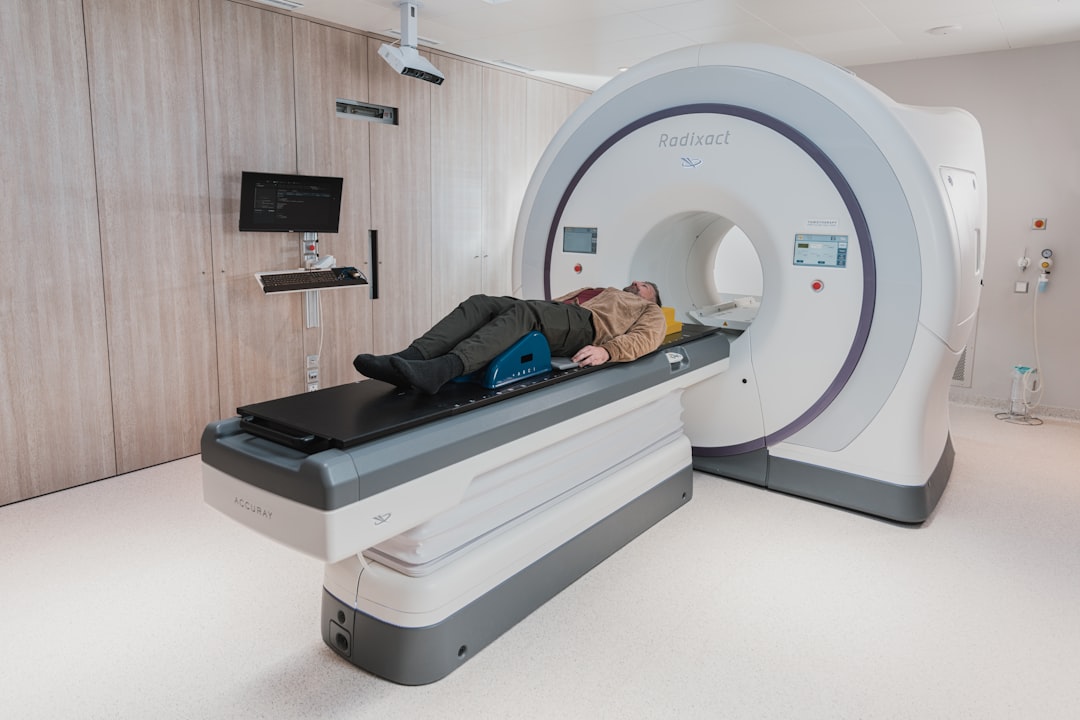
The process of receiving proton therapy typically begins with a comprehensive evaluation by a multidisciplinary team of healthcare professionals, including oncologists, radiation therapists, and medical physicists. Following an initial consultation, patients undergo imaging studies such as CT or MRI scans to accurately delineate the tumor’s size and location. This information is crucial for developing a personalized treatment plan tailored to the patient’s specific needs.
Once the treatment plan is established, patients undergo a process called simulation, where they are positioned in a manner that replicates their treatment position for each session.
Proton therapy sessions usually last between 30 minutes to an hour, with the actual delivery of protons taking only a few minutes.
Treatment schedules may vary but typically involve daily sessions over several weeks, depending on the tumor type and treatment goals.
The Side Effects of Proton Therapy

While proton therapy is associated with fewer side effects than traditional radiation therapy, it is not without potential adverse effects. Common side effects may include fatigue, skin irritation at the treatment site, and localized swelling or discomfort. These effects are generally mild and tend to resolve after treatment completion.
However, some patients may experience more significant side effects depending on the tumor’s location and the dose delivered. Long-term side effects can also occur but are less common than with conventional radiation treatments. For instance, patients treated for brain tumors may experience cognitive changes or hormonal imbalances if surrounding healthy tissue is affected.
It is essential for patients to discuss potential side effects with their healthcare team before starting treatment so they can be adequately prepared and monitored throughout their therapy.
The Cost of Proton Therapy and Insurance Coverage
The cost of proton therapy can be a significant consideration for patients seeking this advanced treatment option. On average, proton therapy can range from $30,000 to $120,000 per treatment course, depending on various factors such as tumor type, treatment duration, and facility location. While this cost may seem prohibitive compared to traditional radiation therapies, which typically range from $10,000 to $50,000, many patients find that the potential benefits justify the investment.
Insurance coverage for proton therapy varies widely among providers and plans. Some insurance companies recognize proton therapy as a medically necessary treatment for specific cancers and will cover a portion or all of the costs associated with it. However, others may require prior authorization or impose restrictions based on clinical guidelines.
Patients are encouraged to consult with their insurance providers and healthcare teams to understand their coverage options and any potential out-of-pocket expenses.
The Availability of Proton Therapy Centers
As awareness of proton therapy grows within the medical community and among patients, the number of proton therapy centers has increased significantly in recent years. Currently, there are over 40 operational proton therapy centers across the United States, with additional facilities under construction or in planning stages worldwide. These centers are equipped with advanced technology designed to deliver precise proton treatments tailored to individual patient needs.
Patients seeking proton therapy should consider factors such as location, facility accreditation, and available expertise when choosing a center. Many leading cancer institutions offer comprehensive cancer care alongside proton therapy services, providing patients access to multidisciplinary teams that can address all aspects of their treatment journey.
The Future of Proton Therapy in Cancer Treatment
The future of proton therapy appears promising as ongoing research continues to explore its applications across various cancer types and stages. Clinical trials are underway investigating the efficacy of proton therapy in combination with immunotherapy and targeted therapies, potentially enhancing treatment outcomes for patients with advanced malignancies. Additionally, advancements in technology are expected to improve treatment precision further while reducing costs associated with proton therapy delivery.
As more data becomes available regarding long-term outcomes and side effects associated with proton therapy, it is likely that its acceptance within the oncology community will continue to grow. Increased collaboration between researchers, clinicians, and industry stakeholders will be essential in advancing this innovative treatment modality and ensuring its accessibility for patients worldwide.
Success Stories of Patients Treated with Proton Therapy
Numerous success stories highlight the transformative impact of proton therapy on cancer patients’ lives. For instance, a young boy diagnosed with a brain tumor underwent proton therapy after traditional treatments failed to yield positive results. Following his treatment course, imaging studies revealed a significant reduction in tumor size, allowing him to return to school and resume normal activities.
Another patient with prostate cancer experienced remarkable results after receiving proton therapy as part of his treatment plan. He reported minimal side effects compared to his peers who underwent conventional radiation treatments and achieved excellent long-term control of his disease. These stories exemplify how proton therapy can provide hope and improved outcomes for individuals facing challenging cancer diagnoses.
Considerations for Choosing Proton Therapy as a Cancer Treatment Option
When considering proton therapy as a cancer treatment option, several factors should be taken into account. First and foremost is the type and stage of cancer being treated; not all cancers are suitable for proton therapy. Consulting with an oncologist experienced in this modality is crucial for determining whether it aligns with individual treatment goals.
Additionally, patients should evaluate their personal preferences regarding potential side effects and quality of life during treatment. Proton therapy’s reduced toxicity profile may appeal to those concerned about preserving healthy tissues while undergoing cancer treatment. Finally, logistical considerations such as travel distance to a proton therapy center and insurance coverage should also be factored into decision-making.
In summary, proton therapy represents a cutting-edge approach in cancer treatment that offers numerous advantages over traditional radiation methods. Its precision in targeting tumors while sparing healthy tissues makes it an appealing option for various malignancies—especially those located near critical structures or in pediatric populations. As research continues to expand our understanding of this innovative modality, its role in oncology will likely grow even more prominent in years to come.
Proton therapy is a cutting-edge cancer treatment that is gaining popularity due to its precision and effectiveness. According to a recent article on Boogger, Indigenous Peoples’ Day has been recognized as a new federal holiday, highlighting the importance of celebrating and honoring the contributions of Indigenous communities. This recognition of Indigenous Peoples’ Day aligns with the principles of inclusivity and diversity that are also reflected in the advancements of proton therapy as a treatment option for cancer patients. To read more about this significant holiday, visit this article.
FAQs
What is proton therapy?
Proton therapy is a type of radiation treatment that uses protons to target and destroy cancer cells. It is a precise and effective form of cancer treatment that minimizes damage to surrounding healthy tissue.
How does proton therapy work?
Proton therapy works by using a beam of protons to deliver radiation directly to the tumor. The protons deposit the majority of their energy at the tumor site, minimizing damage to surrounding healthy tissue.
What are the benefits of proton therapy?
Proton therapy offers several benefits, including reduced damage to healthy tissue, fewer side effects, and the ability to deliver higher doses of radiation to the tumor.
What types of cancer can be treated with proton therapy?
Proton therapy can be used to treat a variety of cancers, including brain tumors, head and neck cancers, prostate cancer, lung cancer, and pediatric cancers.
Is proton therapy widely available?
Proton therapy is becoming more widely available, with an increasing number of proton therapy centers opening around the world. However, it is still not as widely available as traditional radiation therapy.
What are the potential side effects of proton therapy?
The potential side effects of proton therapy are generally milder than those associated with traditional radiation therapy. However, some patients may experience fatigue, skin irritation, or other side effects depending on the location of the tumor being treated.