Now Reading: Improving Quality of Life: Prostate Surgery
-
01
Improving Quality of Life: Prostate Surgery
Improving Quality of Life: Prostate Surgery
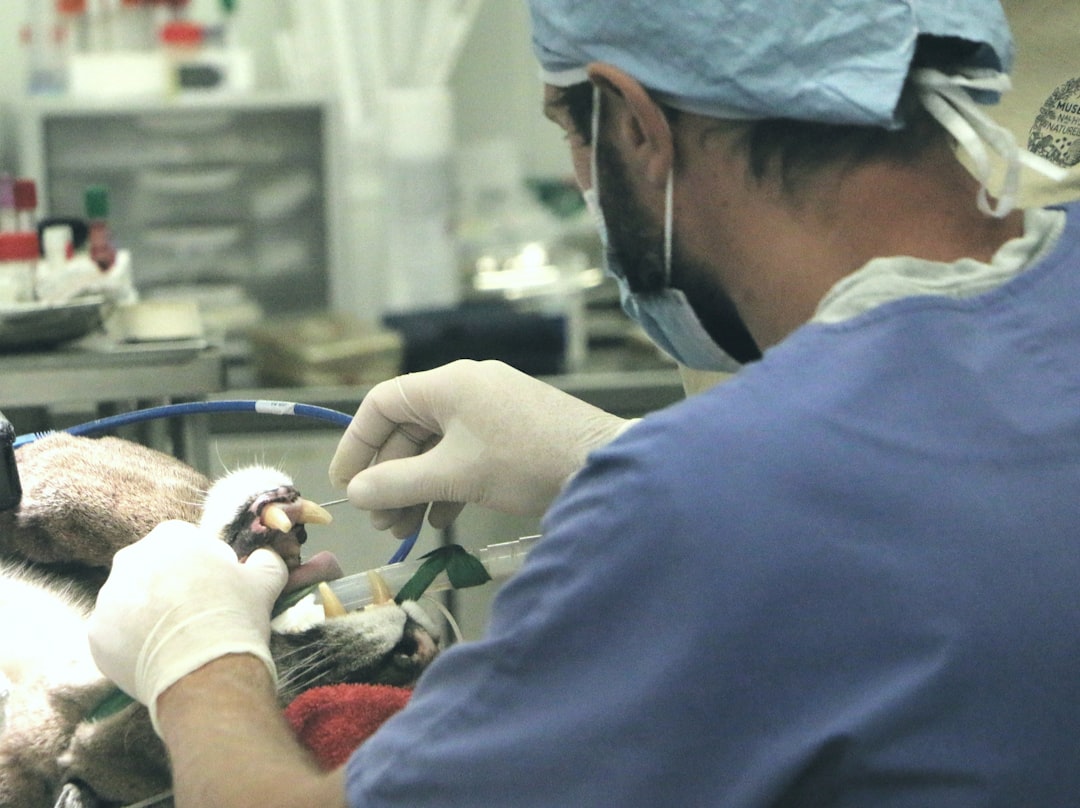
Prostate surgery is a critical intervention primarily aimed at treating prostate cancer, benign prostatic hyperplasia (BPH), or other prostate-related conditions. The most common surgical procedure is a radical prostatectomy, which involves the complete removal of the prostate gland along with some surrounding tissue. This surgery is typically recommended when cancer is localized and has not spread beyond the prostate.
The procedure can be performed using various techniques, including open surgery, laparoscopic surgery, and robotic-assisted surgery, each with its own set of advantages and potential complications. The decision to undergo prostate surgery is multifaceted and should be made after thorough discussions with healthcare professionals. Factors influencing this decision include the stage of cancer, the patient’s overall health, and personal preferences.
Understanding the anatomy of the prostate and its functions is essential for patients to grasp the implications of surgery. The prostate gland plays a crucial role in male reproductive health by producing seminal fluid, and its removal can lead to significant changes in bodily functions.
Key Takeaways
- Prostate surgery is a common treatment for prostate cancer and other prostate conditions, and it’s important to understand the procedure and its potential impact on your health.
- Preparing for prostate surgery involves discussing the procedure with your surgeon, understanding the potential risks and benefits, and making necessary lifestyle adjustments.
- Choosing the right surgeon for prostate surgery is crucial, and factors to consider include experience, expertise, and patient outcomes.
- Managing side effects of prostate surgery may include addressing urinary incontinence, erectile dysfunction, and other potential complications.
- Physical therapy and rehabilitation can play a key role in recovery after prostate surgery, helping to regain strength and function in the pelvic floor and other affected areas.
Preparing for Prostate Surgery
Preparation for prostate surgery involves several steps to ensure optimal outcomes and minimize risks. Patients are typically required to undergo a series of preoperative assessments, including blood tests, imaging studies, and possibly a biopsy to confirm the diagnosis. These evaluations help the surgical team gauge the extent of the disease and tailor the surgical approach accordingly.
Patients may also need to stop certain medications, particularly blood thinners, to reduce the risk of excessive bleeding during surgery. In addition to medical preparations, psychological readiness is equally important. Patients should engage in open discussions with their healthcare providers about what to expect before, during, and after the procedure.
This includes understanding potential side effects and recovery timelines. It may also be beneficial to attend preoperative education sessions or support groups where patients can share experiences and gain insights from others who have undergone similar procedures.
Choosing the Right Surgeon
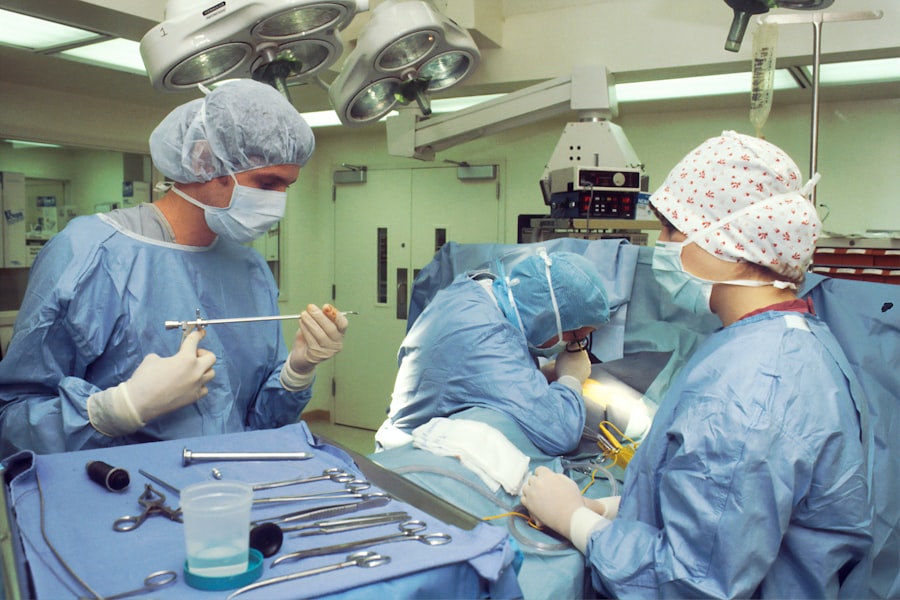
Selecting a qualified surgeon is one of the most critical decisions a patient will make regarding prostate surgery.
It is advisable to seek out surgeons who perform a high volume of prostate surgeries annually, as this often correlates with better outcomes and lower complication rates.
Additionally, seeking second opinions can provide further clarity and confidence in the chosen surgical path. Building a rapport with the surgeon is essential; patients should feel comfortable discussing their concerns and preferences openly.
Managing Side Effects
| Side Effect | Frequency | Management |
|---|---|---|
| Nausea | Common | Take medication with food |
| Fatigue | Common | Get plenty of rest |
| Headache | Occasional | Stay hydrated and take pain relievers |
| Insomnia | Occasional | Establish a bedtime routine |
Postoperative side effects are common after prostate surgery and can vary significantly among individuals. The most frequently reported side effects include urinary incontinence, erectile dysfunction, and changes in sexual function. Urinary incontinence may manifest as leakage during physical activities or a sudden urge to urinate, while erectile dysfunction can range from mild difficulties to complete inability to achieve an erection.
To manage these side effects effectively, patients should work closely with their healthcare team. Various treatment options are available for urinary incontinence, including pelvic floor exercises, medications, and in some cases, surgical interventions such as artificial urinary sphincters or slings. For erectile dysfunction, options may include oral medications like phosphodiesterase type 5 inhibitors (e.g., Viagra or Cialis), vacuum erection devices, or penile injections.
Physical Therapy and Rehabilitation
Physical therapy plays a vital role in recovery following prostate surgery. A tailored rehabilitation program can help patients regain strength, improve mobility, and enhance overall quality of life. Pelvic floor physical therapy is particularly beneficial for addressing urinary incontinence by strengthening the pelvic muscles that support bladder control.
Patients are encouraged to engage in gentle exercises as soon as they are cleared by their healthcare provider. Activities such as walking can promote circulation and aid in healing. A physical therapist specializing in post-prostate surgery rehabilitation can provide personalized exercise regimens that focus on core stability and pelvic floor strengthening.
Dietary Changes for Recovery

Nutrition plays a pivotal role in recovery after prostate surgery. A well-balanced diet rich in fruits, vegetables, whole grains, lean proteins, and healthy fats can support healing and overall health. Specific nutrients such as antioxidants found in berries and vitamins like vitamin E may help reduce inflammation and promote recovery.
Hydration is equally important; patients should aim to drink plenty of fluids to support kidney function and urinary health. Some studies suggest that certain dietary modifications may also help reduce the risk of recurrence in prostate cancer patients. For instance, incorporating foods high in omega-3 fatty acids (such as fish) and reducing red meat consumption may be beneficial.
Support Systems for Patients and Caregivers
Navigating the journey of prostate surgery can be challenging for both patients and their caregivers. Establishing a robust support system is crucial for emotional well-being and practical assistance during recovery. Family members, friends, and support groups can provide invaluable encouragement and understanding.
Support groups specifically for prostate cancer patients offer a platform for sharing experiences and coping strategies. These groups can help alleviate feelings of isolation by connecting individuals facing similar challenges. Caregivers also require support; they play a vital role in assisting with daily activities and emotional support while managing their own stressors.
Mental Health and Emotional Well-being
The psychological impact of prostate surgery should not be underestimated. Many patients experience anxiety or depression related to their diagnosis, treatment decisions, or changes in sexual function post-surgery. It is essential for patients to address these feelings openly with their healthcare providers.
Mental health professionals specializing in oncology can offer counseling services tailored to the unique challenges faced by prostate cancer patients. Techniques such as cognitive-behavioral therapy (CBT) can help individuals develop coping strategies to manage anxiety and improve emotional resilience during recovery.
Sexual Health After Prostate Surgery
Sexual health is a significant concern for many men following prostate surgery due to potential changes in erectile function and libido. Open communication with partners about these changes is essential for maintaining intimacy and emotional connections. Patients should discuss their concerns with their healthcare providers to explore available treatment options.
Rehabilitation programs focusing on sexual health can provide education on alternative methods of intimacy that do not rely solely on penetrative intercourse. Additionally, medications such as phosphodiesterase type 5 inhibitors or penile implants may be considered based on individual needs and preferences.
Follow-up Care and Monitoring
Postoperative follow-up care is crucial for monitoring recovery progress and detecting any potential complications early on. Patients typically have scheduled appointments with their urologist or oncologist to assess healing, manage side effects, and conduct necessary tests such as PSA (prostate-specific antigen) levels to monitor for cancer recurrence. Regular follow-up visits allow healthcare providers to adjust treatment plans as needed based on individual recovery trajectories.
Patients should remain proactive about their health by reporting any new symptoms or concerns promptly.
Lifestyle Changes for Long-term Health
Adopting a healthy lifestyle post-surgery can significantly impact long-term health outcomes for prostate cancer survivors. Regular physical activity is essential; engaging in aerobic exercises and strength training can improve overall fitness levels while reducing the risk of comorbidities such as obesity or cardiovascular disease. Additionally, maintaining a balanced diet rich in nutrients can support ongoing health and potentially reduce the risk of cancer recurrence.
Avoiding tobacco products and limiting alcohol consumption are also critical components of a healthy lifestyle that contribute to overall well-being. In summary, understanding prostate surgery encompasses various aspects from preparation to long-term health management. Patients must engage actively with their healthcare teams throughout this journey while considering physical rehabilitation, dietary adjustments, emotional support systems, and lifestyle changes that promote recovery and enhance quality of life post-surgery.
By addressing these multifaceted components holistically, individuals can navigate their recovery more effectively while maintaining their overall health and well-being.
If you or a loved one is considering prostate surgery, it’s important to be informed about the procedure and recovery process. One helpful resource is an article on Boogger.com titled “What to Expect After Prostate Surgery.” This article provides valuable information on what to expect during the recovery period, potential complications, and tips for a successful recovery. For more information, you can read the article here.
FAQs
What is prostate surgery?
Prostate surgery is a medical procedure used to treat various prostate conditions, such as prostate cancer, benign prostatic hyperplasia (BPH), and other prostate-related issues. The surgery may involve removing part or all of the prostate gland.
What are the different types of prostate surgery?
There are several types of prostate surgery, including radical prostatectomy, transurethral resection of the prostate (TURP), open prostatectomy, laparoscopic prostatectomy, and robotic-assisted prostatectomy. The type of surgery recommended depends on the specific condition and the patient’s overall health.
What are the common reasons for prostate surgery?
Prostate surgery is commonly performed to treat prostate cancer, relieve symptoms of BPH (enlarged prostate), alleviate urinary problems, and remove prostate tissue that is causing blockage or other issues.
What are the potential risks and complications of prostate surgery?
Risks and complications of prostate surgery may include bleeding, infection, urinary incontinence, erectile dysfunction, damage to surrounding tissues or organs, and in rare cases, death. It’s important for patients to discuss these risks with their healthcare provider before undergoing surgery.
What is the recovery process like after prostate surgery?
Recovery from prostate surgery varies depending on the type of surgery performed and the individual patient. In general, patients can expect to spend a few days in the hospital and may experience discomfort, urinary catheterization, and limitations on physical activity during the initial recovery period. It may take several weeks to months to fully recover and return to normal activities.
What are the potential long-term effects of prostate surgery?
Long-term effects of prostate surgery may include changes in urinary function, sexual function, and overall quality of life. Some patients may experience ongoing issues with urinary incontinence or erectile dysfunction, while others may see improvements in these areas over time. Regular follow-up with a healthcare provider is important to monitor and manage any long-term effects.