Now Reading: 5 Tips for Boosting Productivity in the Afternoon
-
01
5 Tips for Boosting Productivity in the Afternoon
5 Tips for Boosting Productivity in the Afternoon
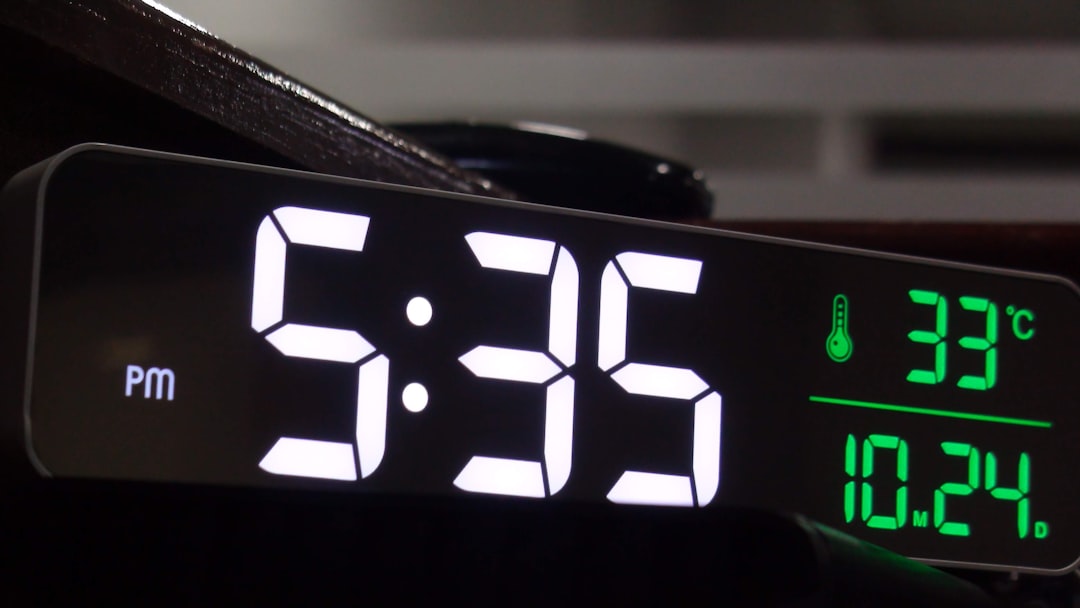
Creating a structured routine is fundamental for enhancing productivity and maintaining mental well-being. A well-defined schedule provides a framework that can help individuals manage their time effectively, reducing feelings of overwhelm and anxiety. By establishing a consistent daily routine, one can create a sense of normalcy and predictability, which is particularly beneficial in times of uncertainty.
This structure allows for the allocation of specific time slots for various activities, including work, exercise, and leisure, ensuring that all aspects of life receive adequate attention. To develop an effective routine, it is essential to identify personal goals and priorities. Begin by assessing daily responsibilities and determining which tasks require immediate attention.
Incorporating time for self-care, such as meditation or physical activity, is equally important. A balanced routine should include periods of focused work interspersed with breaks to recharge. Utilizing tools such as planners or digital calendars can aid in visualizing the day ahead, making it easier to adhere to the established schedule.
Consistency is key; over time, a well-practiced routine can lead to improved efficiency and a greater sense of accomplishment.
Key Takeaways
- Establishing a consistent routine enhances productivity and focus.
- Taking regular breaks helps maintain mental clarity and reduces fatigue.
- Staying hydrated and nourished supports overall energy and cognitive function.
- Minimizing distractions creates a more efficient and focused work environment.
- Prioritizing tasks ensures important work is completed first and deadlines are met.
Take Regular Breaks
In the pursuit of productivity, the importance of taking regular breaks cannot be overstated. Continuous work without intervals can lead to mental fatigue, decreased focus, and diminished creativity. Research indicates that short breaks can enhance cognitive function and overall performance.
By stepping away from tasks periodically, individuals allow their brains to rest and reset, which can lead to improved problem-solving abilities and innovative thinking. Implementing the Pomodoro Technique is one effective strategy for incorporating breaks into the workday. This method involves working for 25 minutes followed by a 5-minute break, with longer breaks after completing four cycles.
During these intervals, engaging in activities that promote relaxation—such as stretching, deep breathing exercises, or a brief walk—can significantly enhance mental clarity. It is crucial to recognize the signs of fatigue and take breaks proactively rather than waiting until productivity declines. By prioritizing rest, individuals can maintain sustained focus and energy throughout the day.
Stay Hydrated and Nourished

Maintaining proper hydration and nutrition is vital for optimal cognitive function and overall health. The human brain is composed of approximately 75% water, making hydration essential for maintaining concentration and mental clarity.
Therefore, it is crucial to consume adequate fluids throughout the day, aiming for at least 8-10 cups of water daily, depending on individual needs and activity levels. In addition to hydration, a balanced diet plays a significant role in cognitive health. Consuming nutrient-dense foods rich in vitamins, minerals, and antioxidants can support brain function and enhance mood.
Foods such as leafy greens, fatty fish high in omega-3 fatty acids, nuts, seeds, and whole grains should be staples in one’s diet. Regular meals that include a combination of protein, healthy fats, and complex carbohydrates can help stabilize blood sugar levels, preventing energy crashes that can hinder productivity. Planning meals ahead of time can ensure that nutritious options are readily available, reducing the temptation to resort to unhealthy snacks.
Minimize Distractions
In an increasingly connected world, distractions are ubiquitous and can significantly impede productivity. Identifying and minimizing these distractions is essential for maintaining focus on tasks at hand. Common distractions include notifications from smartphones, social media platforms, and even environmental factors such as noise or cluttered workspaces.
To combat these interruptions, individuals should create an environment conducive to concentration. One effective strategy is to designate a specific workspace that is free from distractions. This area should be organized and equipped with all necessary tools to minimize the need for frequent interruptions.
Additionally, utilizing technology to one’s advantage can help reduce distractions; for instance, employing apps that block social media during work hours or setting devices to “Do Not Disturb” mode can foster an uninterrupted workflow. Establishing boundaries with colleagues or family members regarding work hours can also help maintain focus during designated times.
Prioritize Tasks
| Metric | Description | Value | Unit |
|---|---|---|---|
| PM2.5 Concentration | Particulate matter with diameter less than 2.5 micrometers | 35 | µg/m³ |
| PM10 Concentration | Particulate matter with diameter less than 10 micrometers | 50 | µg/m³ |
| Daily Average PM2.5 | Average PM2.5 concentration over 24 hours | 28 | µg/m³ |
| Daily Average PM10 | Average PM10 concentration over 24 hours | 40 | µg/m³ |
| PM2.5 AQI | Air Quality Index based on PM2.5 levels | 85 | Index |
| PM10 AQI | Air Quality Index based on PM10 levels | 70 | Index |
Effective task prioritization is crucial for managing workloads efficiently and achieving goals. The Eisenhower Matrix is a popular tool that categorizes tasks based on urgency and importance, allowing individuals to focus on what truly matters.
To implement this strategy, begin by listing all tasks for the day or week ahead. Next, categorize each task into one of four quadrants: urgent and important, important but not urgent, urgent but not important, and neither urgent nor important. This visual representation helps clarify which tasks require immediate attention and which can be scheduled for later or delegated to others.
Regularly reviewing and adjusting priorities ensures that individuals remain aligned with their goals while managing their time effectively. In conclusion, establishing a routine, taking regular breaks, staying hydrated and nourished, minimizing distractions, and prioritizing tasks are essential strategies for enhancing productivity and overall well-being. By implementing these practices into daily life, individuals can create a balanced approach that fosters both efficiency and mental clarity.
For those interested in understanding the intricacies of car insurance policies, a great resource is the article titled “Understanding Car Insurance Policies: A 2025 Guide.” This comprehensive guide breaks down various aspects of car insurance, making it easier for readers to navigate their options. You can read it here: Understanding Car Insurance Policies: A 2025 Guide.
FAQs

What does “PM” stand for?
“PM” commonly stands for “Prime Minister,” the head of government in many countries. It can also refer to “post meridiem,” indicating the time period from noon to midnight in the 12-hour clock system.
What is the role of a Prime Minister?
A Prime Minister is the chief executive of a government, responsible for running the country, implementing laws, and leading the executive branch. They often represent the government domestically and internationally.
How is a Prime Minister appointed?
The appointment process varies by country but typically involves the leader of the majority party in the legislature being invited by the head of state to form a government.
What does “PM” mean in timekeeping?
In timekeeping, “PM” stands for “post meridiem,” a Latin phrase meaning “after midday.” It refers to the time from 12:00 noon to 11:59 at night.
Is “PM” used in other contexts?
Yes, “PM” can also refer to project management, private message, particulate matter (in environmental science), and other specialized terms depending on the context.