Now Reading: Unveiling the Arc Raiders Expedition Project
-
01
Unveiling the Arc Raiders Expedition Project
Unveiling the Arc Raiders Expedition Project

The Arc Raiders Expedition Project represents a groundbreaking initiative aimed at exploring and understanding the intricate ecosystems of the Arctic region. This ambitious endeavor seeks to uncover the mysteries of this remote area, which is often overlooked in scientific research due to its harsh conditions and inaccessibility. The project is not merely an exploration; it is a comprehensive study that integrates environmental science, climate change research, and conservation efforts.
By employing cutting-edge technology and a multidisciplinary approach, the Arc Raiders Expedition Project aspires to contribute significantly to our understanding of the Arctic’s role in global ecological dynamics. The Arctic is a region that is rapidly changing due to climate change, making it imperative to conduct thorough research. The melting ice caps, shifting wildlife patterns, and changing ocean currents are just a few of the phenomena that underscore the urgency of this expedition.
The Arc Raiders Expedition Project aims to document these changes, assess their implications, and develop strategies for mitigating adverse effects on both local and global scales. This initiative not only seeks to gather data but also aims to foster a deeper appreciation for the Arctic’s unique biodiversity and its critical importance in the Earth’s climate system.
Key Takeaways
- The Arc Raiders Expedition Project aims to explore and protect vulnerable ecosystems using advanced technology.
- A dedicated multidisciplinary team faces significant challenges and risks during the expedition.
- The project contributes valuable scientific research and supports global conservation efforts.
- Community involvement and outreach are key components to raising awareness and support.
- Future plans include expanding research scope and encouraging public participation in conservation activities.
The History and Background of the Project
The Arc Raiders Expedition Project was conceived in response to the growing need for comprehensive research in the Arctic region. The idea emerged from a collaboration between leading scientists, environmentalists, and conservationists who recognized that existing studies were often fragmented and lacked a cohesive approach.
Historically, the Arctic has been a focal point for scientific inquiry, yet many expeditions have been limited in scope or duration. The Arc Raiders Expedition Project aims to break this pattern by establishing a long-term research presence in the region. By leveraging historical data and integrating it with contemporary findings, the project seeks to create a robust framework for understanding the ongoing changes in this fragile environment.
This historical context provides a foundation for the expedition’s objectives and highlights the necessity of sustained research efforts in the face of rapid environmental change.
The Goals and Objectives of the Expedition
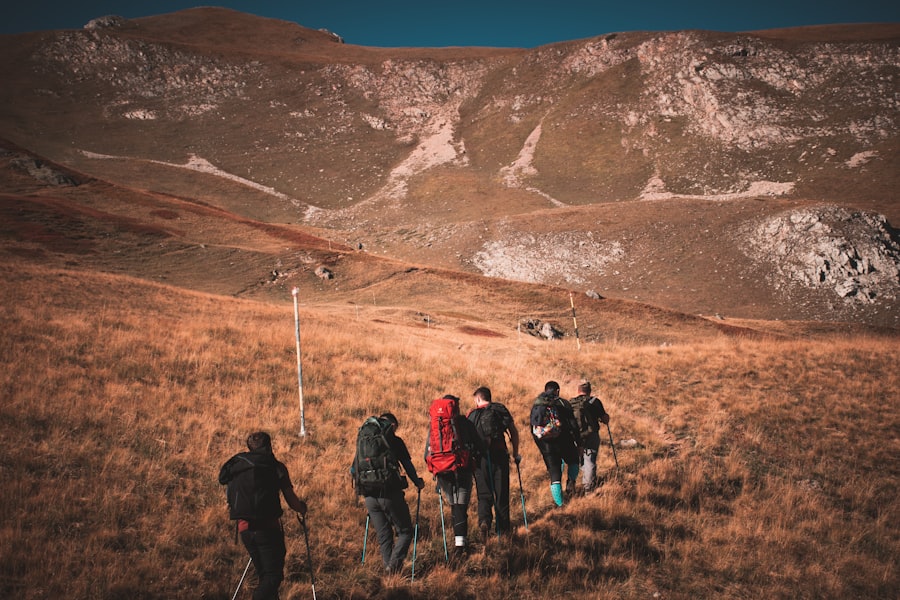
The primary goal of the Arc Raiders Expedition Project is to conduct comprehensive ecological assessments of various Arctic habitats. This includes studying marine ecosystems, terrestrial environments, and glacial regions to understand how climate change is impacting biodiversity. Specific objectives include documenting species diversity, monitoring population dynamics, and assessing habitat health.
By gathering this data, researchers aim to identify critical areas that require conservation efforts. Another significant objective is to investigate the interconnections between climate change and local communities. The expedition seeks to understand how shifts in the environment affect indigenous populations and their traditional ways of life.
By incorporating social science methodologies alongside ecological research, the project aims to create a holistic understanding of the Arctic’s challenges. This dual focus on ecology and human impact underscores the expedition’s commitment to fostering sustainable practices that benefit both nature and local communities.
The Team Behind the Arc Raiders Expedition Project
The success of the Arc Raiders Expedition Project hinges on the expertise and dedication of its diverse team. Comprising scientists from various disciplines—including marine biology, climatology, ecology, and anthropology—the team brings a wealth of knowledge and experience to the project.
In addition to scientists, the team includes skilled technicians and support staff who ensure that all equipment functions optimally during fieldwork. Their expertise in logistics, safety protocols, and data management is essential for navigating the challenging Arctic environment. Furthermore, collaboration with local indigenous communities enriches the project by incorporating traditional ecological knowledge, which enhances scientific understanding and fosters mutual respect between researchers and local populations.
The Technology and Equipment Used in the Expedition
| Metric | Value | Description |
|---|---|---|
| Project Name | Arc Raiders Expedition | Name of the expedition project |
| Start Date | 2023-09-15 | Date when the expedition began |
| End Date | 2024-03-30 | Projected completion date |
| Team Members | 12 | Number of participants in the expedition |
| Distance Covered (km) | 850 | Total distance traveled during the expedition |
| Data Collected (GB) | 120 | Amount of scientific data gathered |
| Equipment Used | 15 | Number of different equipment types deployed |
| Budget Utilized | 750000 | Amount of budget spent on the project |
| Current Status | Ongoing | Current phase of the expedition |
The Arc Raiders Expedition Project employs state-of-the-art technology and equipment designed for extreme conditions. Advanced remote sensing tools, such as satellite imagery and aerial drones, are utilized to monitor large areas efficiently. These technologies allow researchers to gather data on ice cover, vegetation patterns, and wildlife movements without disturbing sensitive habitats.
In addition to remote sensing, the expedition utilizes underwater drones equipped with high-resolution cameras and sensors for marine research. These devices enable scientists to explore underwater ecosystems with minimal human interference. Furthermore, portable laboratories are set up on-site to facilitate real-time analysis of samples collected during fieldwork.
This combination of innovative technology ensures that researchers can gather accurate data while minimizing their ecological footprint.
The Challenges and Risks Faced by the Team

Conducting research in the Arctic presents numerous challenges and risks that require careful planning and preparation. Extreme weather conditions, including severe cold temperatures, high winds, and unpredictable storms, pose significant threats to both personnel and equipment. The team must be equipped with specialized clothing and gear designed for survival in such harsh environments.
Logistical challenges also arise due to the remoteness of many research sites. Transporting equipment and personnel requires meticulous coordination with local authorities and support from indigenous communities familiar with the terrain. Additionally, navigating ice-covered waters can be perilous; thus, safety protocols are strictly enforced to mitigate risks associated with fieldwork.
The Importance of the Expedition for Scientific Research
The Arc Raiders Expedition Project holds immense significance for scientific research on multiple fronts. Firstly, it contributes valuable data on climate change impacts in one of the most vulnerable regions on Earth. By documenting changes in biodiversity and ecosystem health, researchers can better understand how these shifts affect global climate patterns.
Moreover, findings from this expedition can inform conservation strategies aimed at protecting endangered species and habitats. As ecosystems undergo rapid transformations, timely research becomes crucial for developing effective management plans that address both ecological integrity and human livelihoods. The knowledge gained from this project will serve as a vital resource for policymakers, conservationists, and future researchers.
The Impact of the Arc Raiders Expedition Project on Conservation Efforts
The outcomes of the Arc Raiders Expedition Project are poised to have a lasting impact on conservation efforts within the Arctic region. By identifying critical habitats and species at risk due to climate change, researchers can advocate for targeted conservation initiatives that prioritize these areas. This proactive approach aims to mitigate biodiversity loss while promoting sustainable practices among local communities.
Furthermore, collaboration with indigenous populations enhances conservation strategies by integrating traditional ecological knowledge into modern scientific frameworks. This partnership fosters a sense of stewardship among local communities while ensuring that conservation efforts are culturally relevant and effective. Ultimately, the expedition’s findings will contribute to broader global conservation goals aimed at preserving biodiversity in an era of unprecedented environmental change.
The Community Involvement and Outreach of the Project
Community involvement is a cornerstone of the Arc Raiders Expedition Project’s philosophy. Engaging local populations not only enriches research but also fosters goodwill and collaboration between scientists and indigenous communities. Outreach initiatives include educational programs designed to raise awareness about climate change impacts on local ecosystems.
Workshops and community meetings provide platforms for sharing knowledge and discussing research findings with residents. These interactions empower local communities by equipping them with information that can inform their own conservation efforts. Additionally, involving community members in data collection fosters a sense of ownership over research outcomes while enhancing cultural ties to the land.
The Future Plans and Potential Discoveries of the Expedition
Looking ahead, the Arc Raiders Expedition Project has ambitious plans for future research endeavors. As climate change continues to reshape Arctic landscapes, ongoing monitoring will be essential for understanding long-term trends in biodiversity and ecosystem health. Future expeditions aim to expand research into previously unexplored areas while deepening collaborations with local communities.
Potential discoveries may include new species previously undocumented or insights into how existing species adapt to changing conditions. Additionally, researchers hope to uncover critical information about carbon cycling in Arctic ecosystems—knowledge that could have far-reaching implications for global climate models.
How to Support and Get Involved with the Arc Raiders Expedition Project
Support for the Arc Raiders Expedition Project can take many forms, from financial contributions to volunteer opportunities. Individuals interested in supporting this vital research can donate directly through official channels or participate in fundraising events organized by project partners. Volunteering opportunities may arise during fieldwork or outreach initiatives, allowing individuals to engage directly with researchers while contributing their skills or time.
Educational institutions can also collaborate by integrating project findings into curricula or facilitating student involvement in research activities. In conclusion, the Arc Raiders Expedition Project stands as a beacon of hope for understanding one of Earth’s most fragile ecosystems—the Arctic region. Through its comprehensive approach encompassing scientific inquiry, community engagement, and conservation efforts, this initiative promises to yield invaluable insights into climate change impacts while fostering sustainable practices among local populations.
As we look toward an uncertain future shaped by environmental change, projects like these remind us of our collective responsibility to protect our planet’s biodiversity for generations to come.
The Arc Raiders Expedition Project is an exciting venture that explores the intersection of technology and adventure gaming. For those interested in understanding the broader implications of innovative projects in various fields, you might find the article on navigating the complexities of pet insurance particularly insightful. It discusses how emerging trends and technologies are reshaping industries, much like the advancements seen in gaming. You can read more about it in this