
Now Reading: Understanding Stage 4 Lung Cancer
-
01
Understanding Stage 4 Lung Cancer
Understanding Stage 4 Lung Cancer
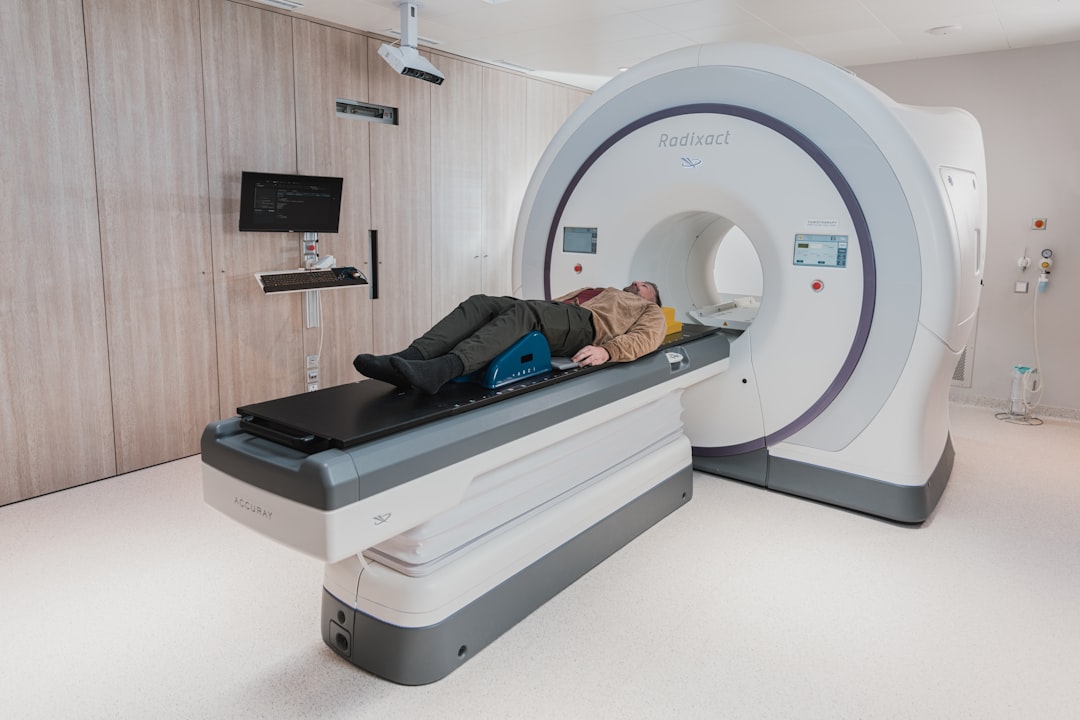
Stage 4 lung cancer, also known as metastatic lung cancer, represents the most advanced form of this malignancy. At this stage, the cancer has spread beyond the lungs to other parts of the body, such as the liver, brain, bones, or adrenal glands. This dissemination occurs through the lymphatic system or bloodstream, making it a systemic disease rather than localized.
The classification of lung cancer into stages is crucial for determining treatment options and prognostic outcomes. In terms of histological types, stage 4 lung cancer can be classified into two primary categories: non-small cell lung cancer (NSCLC) and small cell lung cancer (SCLC). NSCLC accounts for approximately 85% of lung cancer cases and is further divided into subtypes such as adenocarcinoma, squamous cell carcinoma, and large cell carcinoma.
SCLC, while less common, is known for its aggressive nature and rapid progression. Understanding the specific type of lung cancer is essential for tailoring treatment strategies.
Key Takeaways
- Stage 4 lung cancer is an advanced form of the disease that has spread to other parts of the body.
- Symptoms of stage 4 lung cancer may include persistent cough, chest pain, and unexplained weight loss, and diagnosis is typically confirmed through imaging tests and biopsies.
- Treatment options for stage 4 lung cancer may include chemotherapy, radiation therapy, targeted therapy, immunotherapy, and surgery in some cases.
- The prognosis for stage 4 lung cancer is generally poor, with a low 5-year survival rate, but advances in treatment have improved outcomes for some patients.
- Coping with the emotional impact of stage 4 lung cancer and managing pain and discomfort are important aspects of supportive care, and clinical trials and experimental treatments may offer hope for some patients.
Symptoms and Diagnosis of Stage 4 Lung Cancer
The symptoms associated with stage 4 lung cancer can be diverse and often debilitating. Patients may experience persistent cough, hemoptysis (coughing up blood), chest pain, and significant weight loss. Additionally, systemic symptoms such as fatigue, loss of appetite, and difficulty breathing may manifest as the disease progresses.
Neurological symptoms may also arise if the cancer metastasizes to the brain, leading to headaches, seizures, or cognitive changes. Diagnosis typically involves a combination of imaging studies and histopathological evaluation. Chest X-rays and computed tomography (CT) scans are commonly employed to visualize lung masses and assess for metastasis.
A definitive diagnosis often requires a biopsy, which can be performed via bronchoscopy or needle aspiration. Molecular testing may also be conducted to identify specific genetic mutations that could influence treatment options, such as EGFR or ALK mutations.
Treatment Options for Stage 4 Lung Cancer
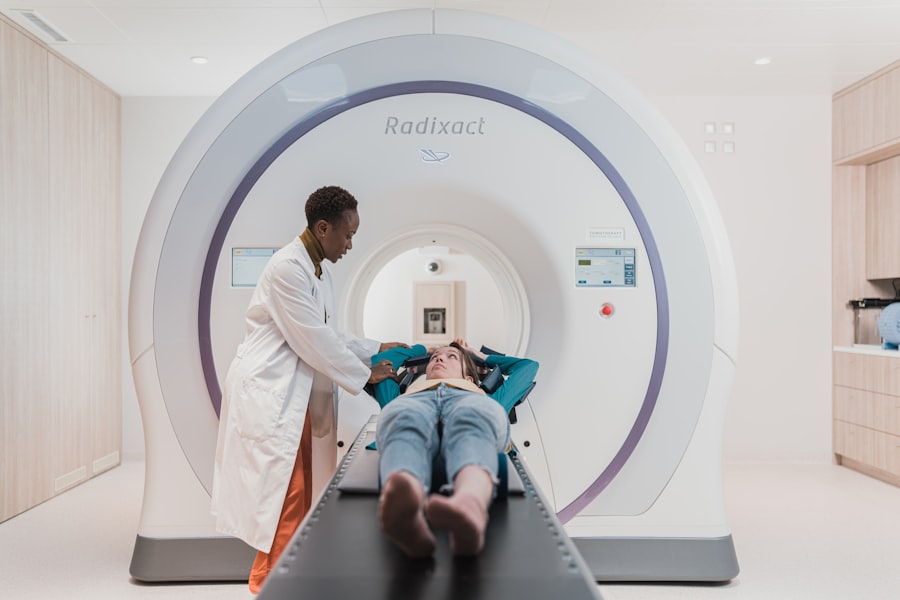
Treatment for stage 4 lung cancer is multifaceted and often tailored to the individual patient’s needs. The primary modalities include systemic therapies such as chemotherapy, targeted therapy, and immunotherapy. Chemotherapy remains a cornerstone of treatment for many patients with advanced NSCLC and SCLCommon regimens may include combinations of platinum-based drugs like cisplatin or carboplatin with other agents such as paclitaxel or gemcitabine.
Targeted therapies have revolutionized the management of lung cancer by focusing on specific genetic alterations within tumor cells. For instance, patients with EGFR mutations may benefit from tyrosine kinase inhibitors like erlotinib or osimertinib. Similarly, ALK-positive tumors can be treated with crizotinib or alectinib.
Immunotherapy has also emerged as a promising option, particularly for patients with high PD-L1 expression. Agents such as pembrolizumab and nivolumab harness the body’s immune system to combat cancer cells.
Prognosis and Survival Rates for Stage 4 Lung Cancer
| Survival Rate | Time Frame |
|---|---|
| 1-year survival rate | 15% |
| 5-year survival rate | 1% |
| Median survival time | 8 months |
The prognosis for stage 4 lung cancer is generally poor compared to earlier stages, with a five-year survival rate hovering around 5% to 10%.
For instance, patients with driver mutations who receive targeted therapies may experience improved outcomes compared to those without such mutations.
It is essential to recognize that survival statistics are based on large populations and may not accurately predict individual outcomes. Advances in treatment modalities have led to improved survival rates over recent years; thus, ongoing research continues to provide hope for better management strategies.
Understanding the Spread of Stage 4 Lung Cancer
The metastatic spread of stage 4 lung cancer can occur through various pathways.
Lymphatic spread occurs when cancer cells invade nearby lymph nodes and subsequently travel to other regions via lymphatic vessels.
Understanding these pathways is crucial for determining appropriate imaging studies and treatment approaches. The sites of metastasis significantly influence clinical presentation and management strategies. For example, bone metastases may lead to skeletal pain and fractures, while liver involvement can result in jaundice or abdominal discomfort.
Brain metastases may present with neurological deficits or seizures. Each metastatic site requires tailored interventions to alleviate symptoms and improve quality of life.
Coping with the Emotional Impact of Stage 4 Lung Cancer

The emotional toll of a stage 4 lung cancer diagnosis can be profound for both patients and their families. Feelings of anxiety, depression, and fear are common as individuals grapple with the implications of their illness. It is essential to acknowledge these emotions and seek support from mental health professionals or support groups specializing in cancer care.
Coping strategies may include mindfulness practices such as meditation or yoga, which can help reduce stress levels. Engaging in open conversations with loved ones about fears and concerns can also foster emotional resilience. Additionally, palliative care services can provide comprehensive support that addresses both physical symptoms and emotional well-being.
Managing Pain and Discomfort in Stage 4 Lung Cancer
Pain management is a critical component of care for patients with stage 4 lung cancer. The etiology of pain can be multifactorial, stemming from tumor growth, metastasis, or treatment-related side effects. A multidisciplinary approach involving oncologists, pain specialists, and palliative care teams is often necessary to develop an effective pain management plan.
Pharmacological interventions typically include non-opioid analgesics such as acetaminophen or NSAIDs for mild pain relief. For moderate to severe pain, opioids like morphine or oxycodone may be prescribed. Adjuvant therapies such as corticosteroids can help reduce inflammation and improve overall comfort.
Non-pharmacological approaches like physical therapy or acupuncture may also provide additional relief.
Supportive Care for Patients with Stage 4 Lung Cancer
Supportive care plays a vital role in enhancing the quality of life for patients with stage 4 lung cancer. This holistic approach encompasses various services designed to address physical, emotional, social, and spiritual needs. Palliative care teams focus on symptom management while providing psychological support to both patients and their families.
Nutritional support is another critical aspect of care; maintaining adequate nutrition can help combat weight loss and improve overall well-being. Occupational therapy may assist patients in adapting daily activities to their changing physical capabilities. Social workers can provide resources for financial assistance or community support services that alleviate some burdens associated with cancer care.
Clinical Trials and Experimental Treatments for Stage 4 Lung Cancer
Clinical trials offer patients access to cutting-edge therapies that are not yet widely available but show promise in treating stage 4 lung cancer. These studies evaluate new drugs, combinations of existing treatments, or novel approaches such as gene therapy or personalized medicine based on tumor profiling. Participation in clinical trials can provide patients with additional treatment options while contributing to the advancement of medical knowledge in oncology.
It is essential for patients to discuss potential eligibility for clinical trials with their healthcare team to explore opportunities that align with their treatment goals.
Communicating with Loved Ones about Stage 4 Lung Cancer
Effective communication with loved ones about a stage 4 lung cancer diagnosis is crucial for fostering understanding and support during this challenging time. Patients may feel apprehensive about discussing their condition due to fear of burdening others or facing difficult emotions. Open dialogue can help demystify the illness and allow family members to express their feelings and concerns.
It may be beneficial to set aside dedicated time for these conversations in a comfortable environment where everyone feels safe to share their thoughts openly. Utilizing resources such as counseling services can also facilitate these discussions.
Resources for Patients and Caregivers of Stage 4 Lung Cancer
Numerous resources are available for patients diagnosed with stage 4 lung cancer and their caregivers. Organizations such as the American Lung Association provide educational materials, support groups, and advocacy initiatives aimed at improving patient outcomes. Online platforms offer forums where individuals can connect with others facing similar challenges.
Local hospitals often have dedicated oncology social workers who can assist families in navigating healthcare systems and accessing community resources. Additionally, financial assistance programs may help alleviate some economic burdens associated with treatment costs. In summary, stage 4 lung cancer represents a complex medical challenge characterized by extensive metastasis and significant emotional impact on patients and families alike.
Understanding symptoms, diagnosis methods, treatment options, prognosis statistics, coping strategies, pain management techniques, supportive care avenues, clinical trial opportunities, communication strategies with loved ones, and available resources is essential for navigating this difficult journey effectively. With ongoing advancements in research and treatment modalities, there remains hope for improved outcomes in managing this formidable disease.
There is a heartbreaking article on Boogger that discusses the challenges faced by individuals diagnosed with stage 4 lung cancer. The article sheds light on the struggles of those battling this aggressive form of cancer and the importance of early detection and treatment. It serves as a reminder of the devastating impact that this disease can have on individuals and their loved ones.
FAQs
What is stage 4 lung cancer?
Stage 4 lung cancer is the most advanced stage of lung cancer. At this stage, the cancer has spread to both lungs, to distant lymph nodes, or to other organs in the body.
What are the symptoms of stage 4 lung cancer?
Symptoms of stage 4 lung cancer may include persistent cough, chest pain, shortness of breath, wheezing, hoarseness, weight loss, loss of appetite, fatigue, and coughing up blood.
What are the treatment options for stage 4 lung cancer?
Treatment options for stage 4 lung cancer may include chemotherapy, radiation therapy, targeted therapy, immunotherapy, and palliative care. The goal of treatment at this stage is to manage symptoms, improve quality of life, and slow the progression of the cancer.
What is the prognosis for stage 4 lung cancer?
The prognosis for stage 4 lung cancer is generally poor, with a low 5-year survival rate. However, advances in treatment options and personalized medicine have improved outcomes for some patients.
What are the risk factors for developing stage 4 lung cancer?
Risk factors for developing stage 4 lung cancer include smoking, exposure to secondhand smoke, exposure to radon gas, exposure to asbestos and other carcinogens, family history of lung cancer, and a history of certain lung diseases.


