Now Reading: Understanding Radiation Side Effects: Managing the Impact
-
01
Understanding Radiation Side Effects: Managing the Impact
Understanding Radiation Side Effects: Managing the Impact

Radiation therapy, a cornerstone in the arsenal of cancer treatment modalities, employs high-energy particles or waves, such as X-rays or gamma rays, to eradicate malignant cells. This therapeutic approach is primarily utilized to shrink tumors, alleviate symptoms, and enhance the efficacy of other treatments like chemotherapy and surgery. The mechanism of action involves damaging the DNA of cancerous cells, leading to their eventual death.
Radiation therapy can be administered externally, using a machine called a linear accelerator, or internally through brachytherapy, where radioactive sources are placed directly within or near the tumor. The decision to employ radiation therapy is multifaceted, often influenced by the type and stage of cancer, the patient’s overall health, and previous treatments.
As advancements in technology continue to evolve, techniques such as intensity-modulated radiation therapy (IMRT) and stereotactic body radiation therapy (SBRT) have emerged, allowing for more precise targeting of tumors while sparing surrounding healthy tissues.
Key Takeaways
- Radiation therapy is a common treatment for cancer that uses high-energy radiation to shrink tumors and kill cancer cells.
- Common side effects of radiation therapy include skin reactions, fatigue, nausea and vomiting, hair loss, and long-term side effects that require monitoring.
- Skin reactions from radiation therapy can be managed with gentle skincare, avoiding sun exposure, and using prescribed creams or ointments.
- Fatigue from radiation therapy can be combated with proper rest, light exercise, and maintaining a balanced diet.
- Nausea and vomiting caused by radiation therapy can be relieved with medication, dietary changes, and relaxation techniques.
Common Side Effects of Radiation Therapy
While radiation therapy can be highly effective in treating cancer, it is not without its side effects. The most commonly reported adverse effects include fatigue, skin reactions, nausea, vomiting, and hair loss. These side effects can vary significantly based on the treatment area, dosage, and individual patient factors.
Understanding these potential reactions is essential for patients to prepare for their treatment journey. Fatigue is one of the most prevalent side effects experienced by patients undergoing radiation therapy. It can manifest as a profound sense of tiredness that does not improve with rest.
Skin reactions are also common, particularly in areas where radiation is directed. Patients may experience redness, irritation, or peeling skin. Nausea and vomiting can occur depending on the treatment site, especially if the abdomen or brain is involved.
Hair loss may also be a concern for those receiving radiation to the head or neck region. Recognizing these side effects early allows for timely interventions and management strategies.
Skin Reactions and How to Manage Them

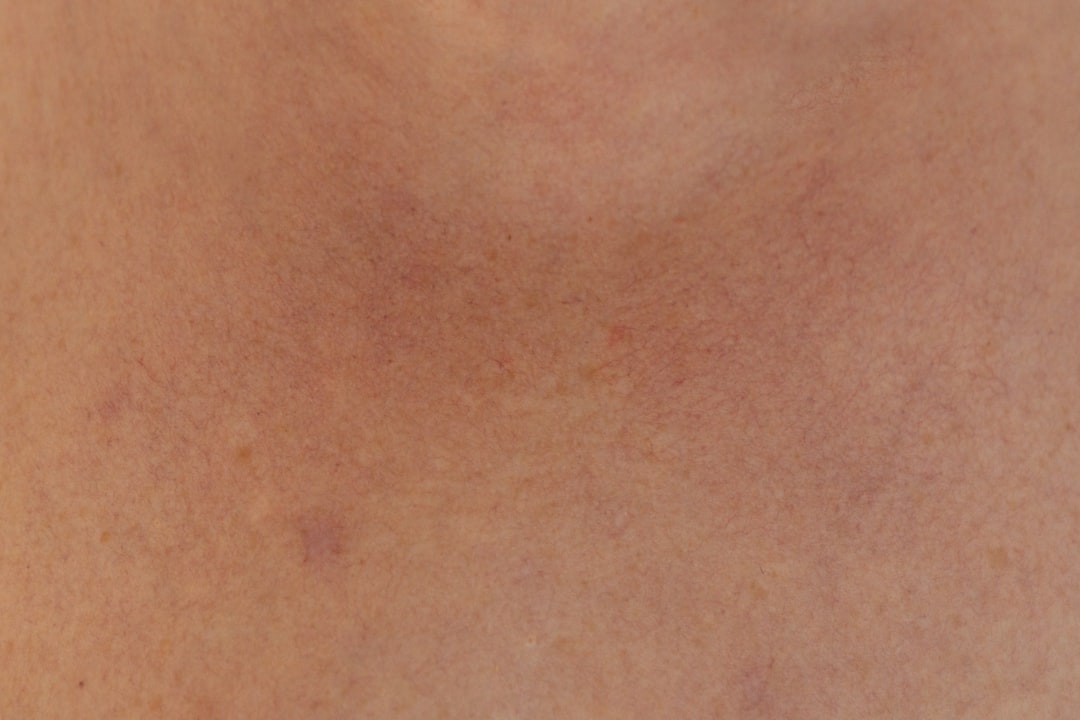
Skin reactions are a frequent consequence of radiation therapy, particularly when treatment is directed at areas with thinner skin or where the skin is already compromised. Patients may experience erythema (redness), desquamation (peeling), or even moist dermatitis in severe cases. These reactions can be uncomfortable and may lead to increased anxiety about appearance and self-esteem.
Keeping the affected area clean and moisturized is paramount; using gentle, fragrance-free cleansers and emollients can help maintain skin integrity.
Avoiding sun exposure and wearing protective clothing can prevent exacerbation of symptoms. In some cases, topical corticosteroids or other prescribed ointments may be recommended by healthcare providers to alleviate inflammation and discomfort. Regular follow-ups with dermatology specialists can also provide additional support and tailored treatment options.
Fatigue and Ways to Combat It
| Causes of Fatigue | Ways to Combat It |
|---|---|
| Lack of sleep | Ensure 7-9 hours of quality sleep each night |
| Poor diet | Eat a balanced diet with plenty of fruits and vegetables |
| Stress | Practice stress-reducing activities such as yoga or meditation |
| Physical inactivity | Engage in regular exercise to boost energy levels |
| Dehydration | Drink plenty of water throughout the day |
Fatigue resulting from radiation therapy can significantly impact a patient’s quality of life. This debilitating symptom often arises due to the body’s increased energy expenditure in repairing damaged tissues and combating cancer cells. Patients may find themselves feeling exhausted even after minimal exertion, which can lead to frustration and emotional distress.
To combat fatigue effectively, patients are encouraged to adopt a multifaceted approach. Prioritizing rest while incorporating short periods of light activity can help maintain energy levels without overwhelming the body. Nutritional support plays a vital role; a balanced diet rich in whole grains, lean proteins, fruits, and vegetables can provide essential nutrients that bolster energy levels.
Additionally, engaging in relaxation techniques such as yoga or meditation can help reduce stress and improve overall well-being. Consulting with a healthcare provider about potential pharmacological interventions may also be beneficial for managing severe fatigue.
Nausea and Vomiting: Tips for Relief
Nausea and vomiting are distressing side effects that can arise during radiation therapy, particularly when targeting abdominal or cranial regions. These symptoms can lead to decreased appetite, weight loss, and further complications if not managed appropriately. Understanding the triggers and implementing effective strategies for relief is crucial for maintaining nutritional intake and overall health.
Patients experiencing nausea should consider dietary modifications such as consuming small, frequent meals rather than large portions. Foods that are bland and easy to digest—such as crackers, rice, or bananas—can be more tolerable during episodes of nausea. Staying hydrated is essential; sipping clear fluids like ginger ale or herbal teas can help soothe the stomach.
Pharmacological options such as antiemetics may be prescribed by healthcare providers to alleviate severe nausea and vomiting. It is important for patients to communicate openly with their medical team about their symptoms so that appropriate interventions can be initiated promptly.
Hair Loss and Coping Strategies

Hair loss is a well-known side effect of radiation therapy, particularly when treatment is directed at the head or neck region. This phenomenon occurs due to the damage inflicted on hair follicles by radiation exposure. While hair loss may be temporary for some patients, others may experience permanent changes in hair texture or growth patterns.
Coping with hair loss requires both practical strategies and emotional support. Patients may consider using wigs or head coverings to enhance their self-esteem during this challenging time. Many organizations offer resources for finding suitable wigs or headscarves that match individual styles.
Additionally, discussing hair care practices with healthcare providers can help minimize further damage during treatment. Engaging in support groups or counseling services can provide emotional relief by connecting patients with others who share similar experiences.
Long-Term Side Effects and Monitoring
Long-term side effects of radiation therapy can manifest months or even years after treatment completion. These may include fibrosis (thickening or scarring of tissue), secondary cancers, or changes in organ function depending on the treatment area. Regular monitoring through follow-up appointments is essential for early detection and management of these potential complications.
Patients should remain vigilant about reporting any new symptoms or changes in their health status to their healthcare team. Imaging studies such as CT scans or MRIs may be employed periodically to assess for any late-onset effects related to radiation exposure. Engaging in a healthy lifestyle that includes regular exercise, a balanced diet, and avoiding tobacco use can also mitigate some long-term risks associated with radiation therapy.
Emotional and Psychological Impact of Radiation Therapy
The emotional toll of undergoing radiation therapy cannot be understated; patients often grapple with anxiety, depression, and fear regarding their diagnosis and treatment outcomes. The uncertainty surrounding cancer can lead to feelings of isolation and helplessness as individuals navigate their treatment journey. To address these psychological challenges, it is vital for patients to seek support from mental health professionals specializing in oncology care.
Cognitive-behavioral therapy (CBT) has shown efficacy in helping patients manage anxiety and depression related to cancer treatment. Additionally, support groups provide a platform for sharing experiences and coping strategies with others facing similar challenges. Open communication with family members about feelings and concerns can also foster a supportive environment conducive to emotional healing.
Nutritional Support for Managing Side Effects
Nutritional support plays a critical role in managing side effects associated with radiation therapy. A well-balanced diet not only helps maintain energy levels but also supports the body’s healing processes during treatment. Patients should focus on consuming nutrient-dense foods that provide essential vitamins and minerals necessary for recovery.
Incorporating high-protein foods such as lean meats, dairy products, legumes, and nuts can aid in tissue repair and immune function. Hydration is equally important; patients should aim to drink adequate fluids throughout the day to prevent dehydration caused by nausea or vomiting. Consulting with a registered dietitian who specializes in oncology nutrition can provide personalized dietary recommendations tailored to individual needs and preferences.
Exercise and Physical Therapy for Managing Side Effects
Engaging in regular physical activity during radiation therapy can significantly improve overall well-being and mitigate some side effects such as fatigue and muscle weakness. Exercise has been shown to enhance mood, boost energy levels, and improve physical function among cancer patients. Patients should consider incorporating low-impact activities such as walking, swimming, or yoga into their daily routines.
Tailored exercise programs designed by physical therapists can help address specific concerns related to mobility or strength deficits resulting from treatment. It is essential for patients to consult with their healthcare team before starting any new exercise regimen to ensure safety and appropriateness based on individual health status.
Supportive Care and Resources for Patients
Supportive care encompasses a wide range of services aimed at improving the quality of life for patients undergoing radiation therapy. This includes pain management, nutritional counseling, psychological support, and palliative care services designed to alleviate symptoms associated with cancer treatment. Numerous resources are available for patients seeking additional support during their treatment journey.
Organizations such as the American Cancer Society offer educational materials, support groups, and access to financial assistance programs for those facing economic challenges related to cancer care. Online platforms provide forums where patients can connect with others experiencing similar challenges while sharing coping strategies and advice. In summary, radiation therapy serves as an effective treatment modality for various cancers but comes with a spectrum of potential side effects that require careful management.
By understanding these side effects—ranging from skin reactions to emotional impacts—patients can better prepare themselves for their treatment journey. Implementing strategies such as nutritional support, exercise regimens, psychological counseling, and utilizing available resources can significantly enhance quality of life during this challenging time. Engaging actively with healthcare providers ensures that patients receive comprehensive care tailored to their unique needs throughout their radiation therapy experience.
Radiation therapy is a common treatment for cancer, but it can come with a range of side effects. One related article discusses the importance of managing these side effects to improve the quality of life for patients undergoing radiation treatment. To learn more about this topic, check out this article.
FAQs
What are the common side effects of radiation therapy?
Some common side effects of radiation therapy include fatigue, skin changes (such as redness, itching, and peeling), hair loss in the treated area, and potential damage to nearby organs.
How long do radiation side effects last?
The duration of radiation side effects can vary depending on the individual and the specific treatment. Some side effects may resolve shortly after treatment ends, while others may persist for weeks or months.
Are there any long-term side effects of radiation therapy?
Some individuals may experience long-term side effects of radiation therapy, such as changes in the texture and color of the skin, fibrosis (thickening and scarring of tissue), and potential damage to nearby organs.
How can radiation side effects be managed?
Radiation side effects can be managed through various methods, including medication to alleviate symptoms, skincare to address skin changes, and lifestyle adjustments to cope with fatigue and other side effects.
Are there any serious side effects of radiation therapy?
In some cases, radiation therapy can lead to serious side effects such as damage to healthy tissues and organs, which may require additional medical intervention. It is important for patients to discuss the potential risks and benefits of radiation therapy with their healthcare provider.