
Now Reading: Understanding Osteosarcoma: Symptoms, Treatment, and Prognosis
-
01
Understanding Osteosarcoma: Symptoms, Treatment, and Prognosis
Understanding Osteosarcoma: Symptoms, Treatment, and Prognosis
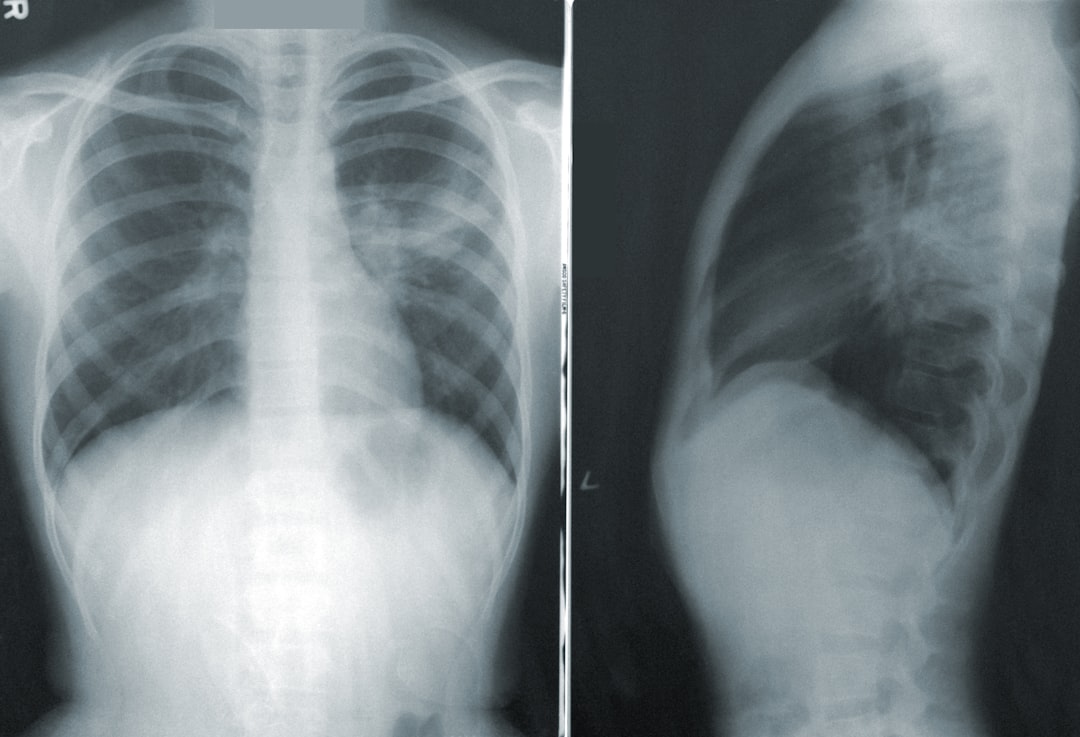
Osteosarcoma is a malignant neoplasm that primarily arises from the osteoblasts, the cells responsible for bone formation. This aggressive form of bone cancer predominantly affects adolescents and young adults, typically occurring in the long bones, such as the femur, tibia, and humerus. The etiology of osteosarcoma remains largely idiopathic, although certain genetic predispositions, such as Li-Fraumeni syndrome and hereditary retinoblastoma, have been identified as risk factors.
The tumor is characterized by the production of osteoid or immature bone by the malignant cells, leading to a distinct histological appearance that can be identified through biopsy. The incidence of osteosarcoma is estimated to be approximately 3-4 cases per million individuals annually, making it one of the most common primary bone cancers in this demographic. The peak incidence occurs during periods of rapid skeletal growth, typically between the ages of 10 and 20.
Osteosarcoma can metastasize to other organs, with the lungs being the most common site of distant spread. Early detection and intervention are crucial for improving outcomes, as the prognosis significantly worsens with metastatic disease.
Key Takeaways
- Osteosarcoma is a type of bone cancer that primarily affects children and young adults, and it usually develops in the long bones of the body.
- Common symptoms of osteosarcoma include bone pain, swelling, and limited movement in the affected area, as well as unexplained fractures.
- Diagnosing osteosarcoma involves a combination of imaging tests, such as X-rays and MRI scans, as well as a biopsy to confirm the presence of cancerous cells.
- Treatment options for osteosarcoma typically include a combination of surgery, chemotherapy, and radiation therapy to remove the tumor and prevent its spread.
- Surgery for osteosarcoma often involves removing the affected bone and replacing it with a prosthesis or bone graft to maintain function and mobility.
Common Symptoms of Osteosarcoma
Patients with osteosarcoma often present with a variety of symptoms that may initially be mistaken for less serious conditions. The most common clinical manifestation is localized pain, which may be persistent or intermittent and often worsens with activity. Swelling or a palpable mass may also be observed at the tumor site, typically around the knee or shoulder.
In some cases, patients may experience limited range of motion in the affected limb due to pain or mechanical obstruction caused by the tumor. Other systemic symptoms can include fatigue, unexplained weight loss, and fever, although these are less common. As the disease progresses, patients may develop complications related to metastasis, such as respiratory distress if lung involvement occurs.
It is essential for individuals experiencing these symptoms to seek medical evaluation promptly to rule out osteosarcoma or other serious conditions.
Diagnosing Osteosarcoma

The diagnostic process for osteosarcoma involves a combination of clinical evaluation, imaging studies, and histopathological examination. Initially, a thorough medical history and physical examination are conducted to assess symptoms and identify any risk factors. Radiographic imaging plays a pivotal role in diagnosis; X-rays are typically the first step, revealing characteristic features such as bone destruction and new bone formation.
Advanced imaging techniques, including magnetic resonance imaging (MRI) and computed tomography (CT) scans, are employed to evaluate the extent of the tumor and assess for possible metastasis. MRI is particularly useful for delineating soft tissue involvement and determining surgical margins. A definitive diagnosis is established through a biopsy, which can be performed via needle aspiration or open surgical techniques.
Histological analysis reveals the presence of malignant osteoblasts and characteristic osteoid production, confirming the diagnosis of osteosarcoma.
Treatment Options for Osteosarcoma
| Treatment Option | Success Rate | Side Effects |
|---|---|---|
| Surgery | 70-80% | Pain, infection, nerve damage |
| Chemotherapy | 60-70% | Nausea, hair loss, fatigue |
| Radiation Therapy | 50-60% | Skin changes, fatigue, infertility |
The management of osteosarcoma typically involves a multimodal approach that includes surgery, chemotherapy, and occasionally radiation therapy. The treatment plan is tailored to each patient based on factors such as tumor location, size, grade, and presence of metastasis. The primary goal is to achieve complete surgical resection of the tumor while preserving limb function whenever possible.
The combination of surgical intervention and chemotherapy has significantly improved survival rates over the past few decades. In select cases where surgical resection is not feasible due to tumor location or extent of disease, palliative care may be considered to manage symptoms and improve quality of life.
Surgery for Osteosarcoma
Surgical intervention remains the cornerstone of osteosarcoma treatment. The primary objective is to achieve complete excision of the tumor along with a margin of healthy tissue to minimize the risk of local recurrence. Limb-salvage surgery has become increasingly common in recent years, allowing for preservation of limb function while removing the affected bone segment.
This technique often involves reconstructive procedures using prosthetic devices or allografts. In cases where limb-salvage is not possible due to extensive disease or anatomical considerations, amputation may be necessary. Advances in surgical techniques and prosthetic technology have improved outcomes for patients undergoing amputation, enabling them to regain mobility and function postoperatively.
The choice between limb-salvage surgery and amputation is made collaboratively by a multidisciplinary team, considering both oncological control and functional outcomes.
Chemotherapy for Osteosarcoma

Chemotherapy is an integral component of osteosarcoma management, utilized both preoperatively (neoadjuvant) and postoperatively (adjuvant). The standard chemotherapy regimen typically includes a combination of agents such as methotrexate, doxorubicin (Adriamycin), and cisplatin. These cytotoxic drugs work synergistically to target rapidly dividing cancer cells, aiming to reduce tumor size before surgery and eliminate microscopic disease afterward.
The timing and duration of chemotherapy are critical factors influencing treatment efficacy. Neoadjuvant chemotherapy allows for assessment of tumor response through imaging and histological evaluation prior to surgical intervention. Patients who demonstrate a favorable response often have improved prognostic outcomes.
However, chemotherapy is associated with various side effects, including nausea, vomiting, myelosuppression, and increased susceptibility to infections. Close monitoring and supportive care are essential throughout the treatment process.
Radiation Therapy for Osteosarcoma
Radiation therapy is not typically a primary treatment modality for osteosarcoma due to its limited effectiveness against this type of cancer; however, it may be utilized in specific scenarios. For instance, radiation can be employed as an adjunctive treatment in cases where complete surgical resection is not achievable or when there is a high risk of local recurrence. It may also be indicated for palliative purposes in patients with metastatic disease to alleviate pain or other symptoms.
The application of radiation therapy requires careful consideration of potential side effects, including damage to surrounding healthy tissues and long-term complications such as secondary malignancies. Advances in radiation techniques, such as intensity-modulated radiation therapy (IMRT) and stereotactic body radiation therapy (SBRT), have improved precision in targeting tumors while sparing normal structures.
Prognosis and Survival Rates for Osteosarcoma
The prognosis for patients diagnosed with osteosarcoma varies significantly based on several factors including age at diagnosis, tumor location, size, histological grade, and presence of metastasis at presentation. Overall survival rates have improved over the past few decades due to advancements in treatment strategies; current five-year survival rates range from 60% to 70% for localized disease but drop significantly to approximately 20% for those with metastatic involvement. Early detection remains crucial for improving outcomes; patients diagnosed at an earlier stage tend to have better prognoses compared to those with advanced disease.
Ongoing research into molecular markers and genetic profiling aims to further refine prognostic assessments and tailor treatment approaches based on individual patient characteristics.
Managing Side Effects of Osteosarcoma Treatment
The management of side effects associated with osteosarcoma treatment is an essential aspect of patient care. Chemotherapy-induced side effects such as nausea, vomiting, fatigue, and myelosuppression require proactive management strategies. Antiemetic medications can help mitigate nausea and vomiting, while growth factor support may be necessary to address neutropenia or anemia resulting from myelosuppression.
Physical therapy plays a vital role in rehabilitation following surgery or during chemotherapy treatment to maintain mobility and strength. Psychological support services are also crucial in addressing emotional challenges faced by patients and their families throughout the treatment journey. Comprehensive care that addresses both physical and psychosocial aspects can significantly enhance quality of life during this challenging time.
Support and Resources for Osteosarcoma Patients
Support systems are vital for individuals diagnosed with osteosarcoma and their families. Numerous organizations provide resources ranging from educational materials to emotional support networks. The American Cancer Society offers comprehensive information on osteosarcoma treatment options and coping strategies for patients and caregivers.
Additionally, support groups provide a platform for patients to connect with others facing similar challenges, fostering a sense of community and shared experience.
Engaging with these resources can empower patients in their treatment journey while alleviating feelings of isolation.
Research and Advances in Osteosarcoma Treatment
Ongoing research into osteosarcoma aims to enhance understanding of its biology and improve treatment outcomes through innovative approaches. Clinical trials investigating novel therapeutic agents such as targeted therapies and immunotherapies are currently underway. These studies seek to identify specific molecular targets within osteosarcoma cells that can be exploited for more effective treatments with fewer side effects.
Advancements in genetic profiling are also paving the way for personalized medicine approaches in osteosarcoma management. By understanding the unique genetic alterations present in individual tumors, clinicians can tailor treatment strategies that maximize efficacy while minimizing toxicity. As research continues to evolve, there is hope for improved survival rates and quality of life for patients diagnosed with this challenging malignancy.
In summary, osteosarcoma is a complex malignancy requiring a multifaceted approach for effective management. Early diagnosis remains critical for improving outcomes through surgical intervention combined with chemotherapy. Ongoing research efforts aim to refine treatment strategies further while enhancing supportive care measures for patients navigating this challenging journey.
Osteosarcoma is a rare type of bone cancer that primarily affects children and young adults. It is important for patients and their families to be informed about the latest advancements in treatment options and research. One related article that provides valuable information on this topic is Common Mistakes to Avoid When Working with a Lawyer in 2025. This article discusses the importance of proper legal representation and avoiding pitfalls when seeking legal advice, which can be crucial for individuals dealing with a serious medical condition like osteosarcoma.
FAQs
What is osteosarcoma?
Osteosarcoma is the most common type of bone cancer that primarily affects children and young adults. It develops in the cells that form the bones and can occur in any bone, but most commonly affects the long bones of the arms and legs.
What are the symptoms of osteosarcoma?
Common symptoms of osteosarcoma include bone pain, swelling, and tenderness near the affected area. In some cases, a noticeable lump or mass may also be present. If the cancer has spread to other parts of the body, symptoms may include unexplained weight loss, fatigue, and difficulty breathing.
What are the risk factors for developing osteosarcoma?
Risk factors for osteosarcoma include a history of radiation therapy, certain genetic conditions such as Li-Fraumeni syndrome and hereditary retinoblastoma, and certain bone diseases such as Paget’s disease.
How is osteosarcoma diagnosed?
Diagnosis of osteosarcoma typically involves a physical examination, imaging tests such as X-rays, CT scans, and MRI scans, and a biopsy to examine a sample of the affected bone tissue under a microscope.
What are the treatment options for osteosarcoma?
Treatment for osteosarcoma often involves a combination of surgery to remove the tumor, chemotherapy to kill any remaining cancer cells, and in some cases, radiation therapy. In some cases, limb-sparing surgery may be an option to remove the tumor while preserving the affected limb.
What is the prognosis for osteosarcoma?
The prognosis for osteosarcoma depends on various factors including the stage of the cancer, the location of the tumor, and the patient’s overall health. With early detection and appropriate treatment, the prognosis for osteosarcoma can be favorable, but it can be more challenging if the cancer has spread to other parts of the body.


