
Now Reading: Understanding Liver Cancer Prognosis
-
01
Understanding Liver Cancer Prognosis
Understanding Liver Cancer Prognosis

Liver cancer prognosis refers to the anticipated outcome of the disease, including the likelihood of recovery, survival rates, and potential complications. Prognosis is influenced by various factors, including the type of liver cancer, the stage at which it is diagnosed, and the overall health of the patient. Hepatocellular carcinoma (HCC) is the most prevalent form of liver cancer, accounting for approximately 75% of cases.
Understanding prognosis is crucial for patients and their families as it guides treatment decisions and helps in planning for future care. The prognosis for liver cancer can vary significantly among individuals. Some patients may experience a favorable outcome with early detection and appropriate treatment, while others may face a more challenging journey.
The five-year survival rate for liver cancer is generally lower than that of many other cancers, primarily due to late-stage diagnosis and underlying liver diseases such as cirrhosis or hepatitis. Therefore, a comprehensive understanding of liver cancer prognosis is essential for effective management and support.
Key Takeaways
- Liver cancer prognosis depends on the stage of the cancer at the time of diagnosis and the overall health of the patient.
- Factors affecting liver cancer prognosis include the size and location of the tumor, the presence of cirrhosis, and the patient’s overall health.
- The stages of liver cancer, ranging from 0 to 4, determine the prognosis and treatment options for patients.
- Survival rates for liver cancer vary depending on the stage at diagnosis, with early-stage cancers having a better prognosis than advanced-stage cancers.
- Treatment options such as surgery, chemotherapy, and targeted therapy can impact the prognosis of liver cancer patients.
Factors Affecting Liver Cancer Prognosis
Several factors play a pivotal role in determining the prognosis of liver cancer. One of the most significant is the stage of the disease at diagnosis. Early-stage liver cancer, where the tumor is localized and has not spread beyond the liver, typically has a better prognosis compared to advanced stages where metastasis has occurred.
The presence of underlying liver conditions, such as cirrhosis or chronic hepatitis, can also adversely affect prognosis by compromising liver function and overall health. Another critical factor is the patient’s overall health and age. Younger patients with fewer comorbidities tend to have better outcomes than older individuals with multiple health issues.
Tumor characteristics, including size, number of tumors, and vascular invasion, also influence prognosis.
Additionally, the patient’s response to treatment modalities such as surgery, chemotherapy, or targeted therapies can significantly impact survival rates.
Stages of Liver Cancer and Prognosis
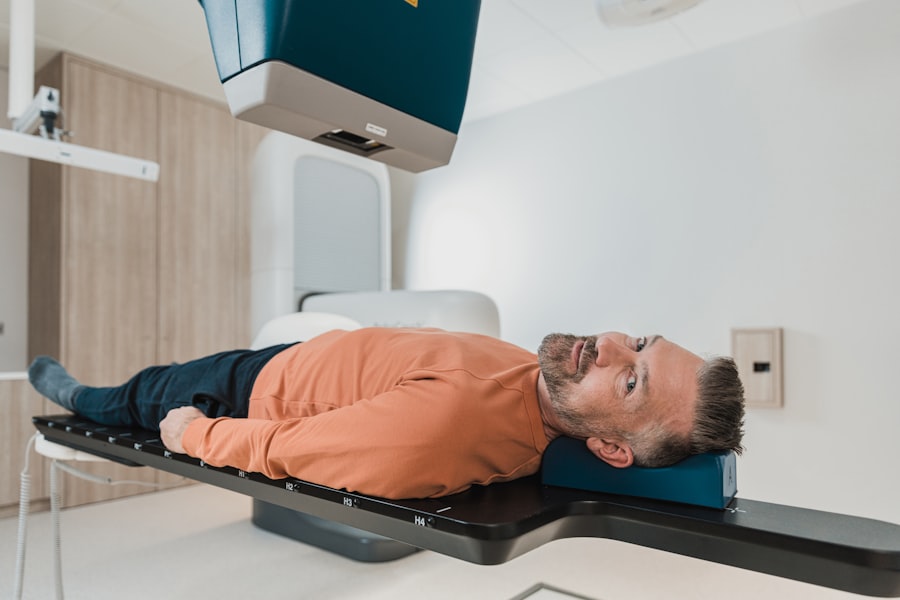
Liver cancer is classified into several stages based on tumor size, number, and extent of spread. The most commonly used staging system is the Barcelona Clinic Liver Cancer (BCLC) classification, which categorizes liver cancer into five stages: very early, early, intermediate, advanced, and terminal. Each stage has distinct characteristics that influence prognosis.
In very early stages (Stage 0), patients may have a single tumor less than 2 cm in size without vascular invasion or cirrhosis. The prognosis at this stage is excellent, with a five-year survival rate exceeding 70%. Early-stage (Stage A) patients may have a single tumor or up to three tumors without vascular invasion; their prognosis remains favorable with appropriate treatment options like surgical resection or liver transplantation.
Intermediate stages (Stage B) involve multiple tumors or larger tumors but still confined to the liver; prognosis begins to decline as treatment options become more limited. Advanced stages (Stage C) indicate that cancer has spread beyond the liver to nearby lymph nodes or distant organs. The prognosis at this stage is significantly poorer, with five-year survival rates dropping below 10%.
Terminal stage (Stage D) signifies end-stage disease with severe symptoms and limited treatment options; prognosis is grave, focusing primarily on palliative care.
Survival Rates for Liver Cancer
| Year | 5-Year Survival Rate | 10-Year Survival Rate |
|---|---|---|
| 2000-2004 | 17% | 11% |
| 2005-2009 | 18% | 12% |
| 2010-2014 | 20% | 14% |
Survival rates for liver cancer are often expressed in terms of five-year survival percentages, which indicate the proportion of patients who survive at least five years after diagnosis. According to recent statistics from the American Cancer Society, the overall five-year survival rate for liver cancer is approximately 20%. However, this figure varies widely based on several factors such as stage at diagnosis and treatment received.
For localized liver cancer (confined to the liver), the five-year survival rate can be as high as 30% to 40%. In contrast, when cancer has metastasized to distant organs (advanced stage), the five-year survival rate plummets to around 3% to 5%. These statistics underscore the importance of early detection and intervention in improving outcomes for patients diagnosed with liver cancer.
Treatment Options and Their Impact on Prognosis
Treatment options for liver cancer are diverse and depend on various factors including tumor size, location, stage of disease, and overall liver function. Surgical resection remains a cornerstone for early-stage liver cancer; it involves removing the tumor along with a margin of healthy tissue. This approach can lead to long-term survival in appropriately selected patients.
Liver transplantation is another effective treatment option for patients with early-stage disease who also have significant underlying liver dysfunction. This procedure not only removes the tumor but also addresses the underlying cirrhosis. For patients who are not candidates for surgery or transplantation, locoregional therapies such as radiofrequency ablation (RFA) or transarterial chemoembolization (TACE) may be employed to control tumor growth.
Systemic therapies including targeted therapies like sorafenib and immunotherapy agents such as nivolumab have emerged as viable options for advanced liver cancer. These treatments can improve survival rates by targeting specific pathways involved in tumor growth and immune evasion. The choice of treatment significantly impacts prognosis; thus, a multidisciplinary approach involving oncologists, hepatologists, and surgeons is essential for optimizing patient outcomes.
Recurrence of Liver Cancer and its Impact on Prognosis

Factors Contributing to Recurrence
Several factors contribute to the high recurrence rates, including tumor characteristics such as size and number, as well as the severity of underlying liver disease.
The Impact of Recurrence on Prognosis
The impact of recurrence on patient prognosis is profound. Patients who experience recurrence often face a more aggressive disease course with limited treatment options available.
Early Detection and Intervention
Surveillance strategies post-treatment are crucial for early detection of recurrence. Regular imaging studies and serum alpha-fetoprotein (AFP) monitoring can aid in identifying recurrent disease promptly, allowing for timely intervention.
Importance of Early Detection and Diagnosis for Prognosis
Early detection of liver cancer significantly enhances prognosis and treatment outcomes. Unfortunately, many cases are diagnosed at advanced stages due to the absence of specific symptoms in early disease stages. Routine screening is particularly important for high-risk populations such as individuals with chronic hepatitis B or C infections and those with cirrhosis.
Imaging modalities such as ultrasound, computed tomography (CT), and magnetic resonance imaging (MRI) play vital roles in detecting liver tumors at an early stage. Additionally, serum biomarkers like AFP can assist in identifying patients at risk for developing liver cancer. Implementing screening programs in high-risk populations can lead to earlier diagnosis and improved survival rates.
Lifestyle Changes and Prognosis for Liver Cancer Patients
Lifestyle modifications can play a crucial role in improving prognosis for liver cancer patients. Adopting a healthy diet rich in fruits, vegetables, whole grains, and lean proteins can support overall health and enhance treatment efficacy. Limiting alcohol consumption is particularly important as excessive alcohol intake can exacerbate liver damage and hinder recovery.
Regular physical activity is also beneficial; it helps maintain a healthy weight and improves overall well-being. Smoking cessation is critical as tobacco use has been linked to poorer outcomes in cancer patients. Furthermore, managing comorbid conditions such as diabetes or hypertension through lifestyle changes can positively influence prognosis.
Supportive Care and its Role in Improving Prognosis
Supportive care encompasses a range of services aimed at improving quality of life for patients with liver cancer. This includes pain management, nutritional support, psychological counseling, and palliative care services that focus on symptom relief rather than curative treatment alone. Integrating supportive care into the treatment plan can enhance patient comfort and emotional well-being during challenging times.
Access to social workers or support groups can provide valuable resources for coping with the emotional burden associated with a cancer diagnosis. By addressing both physical and emotional needs, supportive care plays an essential role in improving overall prognosis.
Research and Advances in Liver Cancer Prognosis
Ongoing research continues to advance our understanding of liver cancer prognosis and treatment options. Recent studies have focused on identifying genetic markers that may predict response to specific therapies or likelihood of recurrence. Additionally, clinical trials exploring novel therapeutic agents are underway to improve outcomes for patients with advanced disease.
Immunotherapy has emerged as a promising area of research; agents that harness the body’s immune system to fight cancer are being investigated in various clinical settings. Furthermore, advancements in imaging techniques are enhancing early detection capabilities, allowing for timely intervention that can significantly improve prognosis.
Coping with Uncertain Prognosis for Liver Cancer
Coping with an uncertain prognosis can be emotionally challenging for both patients and their families. Open communication with healthcare providers about treatment options, potential outcomes, and supportive resources is essential in navigating this difficult journey. Engaging in support groups or counseling services can provide emotional support and help individuals process their feelings regarding their diagnosis.
Establishing a strong support network comprising family members, friends, and healthcare professionals can foster resilience during this challenging time. In summary, understanding liver cancer prognosis involves recognizing various influencing factors such as disease stage, patient health status, treatment options available, and lifestyle modifications that can enhance outcomes.
Early detection remains paramount in improving survival rates while ongoing research continues to pave the way for innovative therapies that may alter the course of this challenging disease.
For more information on liver cancer prognosis, you can read the article here. This article discusses the importance of recognizing and honoring our nation’s heroes, which can also be relevant when considering the challenges faced by individuals battling liver cancer. Understanding the significance of federal holidays like Memorial Day and Good Friday can provide insight into the resilience and strength needed to navigate a difficult diagnosis like liver cancer.
FAQs
What is liver cancer prognosis?
Liver cancer prognosis refers to the likely outcome or course of the disease. It is an estimate of the chance of recovery or recurrence after treatment.
What factors affect liver cancer prognosis?
Several factors can affect liver cancer prognosis, including the stage of the cancer, the size and number of tumors, the presence of underlying liver disease, the patient’s overall health, and the effectiveness of treatment.
What is the survival rate for liver cancer?
The survival rate for liver cancer varies depending on the stage at which it is diagnosed. According to the American Cancer Society, the 5-year survival rate for localized liver cancer is about 31%, while the 5-year survival rate for regional and distant liver cancer is about 11% and 3%, respectively.
Can liver cancer be cured?
In some cases, liver cancer can be cured if it is diagnosed at an early stage and can be surgically removed. However, for many patients, especially those with advanced liver cancer, the goal of treatment is to control the disease and manage symptoms.
What are the treatment options for liver cancer?
Treatment options for liver cancer may include surgery, liver transplant, ablation therapy, embolization, radiation therapy, chemotherapy, targeted therapy, and immunotherapy. The choice of treatment depends on the stage of the cancer and the patient’s overall health.
What is the importance of early detection for liver cancer prognosis?
Early detection of liver cancer is crucial for improving prognosis and increasing the chances of successful treatment. Regular screening for individuals at high risk, such as those with chronic liver disease or a family history of liver cancer, can help detect the disease at an early stage.


