
Now Reading: Understanding Leukemia: Causes, Symptoms, and Treatment
-
01
Understanding Leukemia: Causes, Symptoms, and Treatment
Understanding Leukemia: Causes, Symptoms, and Treatment

Leukemia is a complex hematological malignancy characterized by the uncontrolled proliferation of abnormal white blood cells, which impairs the body’s ability to produce healthy blood cells. This neoplastic disorder primarily affects the bone marrow and blood, leading to a range of systemic complications. The term “leukemia” is derived from the Greek words “leukos,” meaning white, and “haima,” meaning blood, reflecting the disease’s association with elevated white blood cell counts.
The pathophysiology of leukemia involves genetic mutations that disrupt normal hematopoiesis, resulting in the accumulation of immature or dysfunctional leukocytes. The clinical manifestations of leukemia can vary significantly based on the type and stage of the disease. Patients may experience symptoms such as fatigue, recurrent infections, and easy bruising or bleeding due to the compromised function of red blood cells and platelets.
The prognosis for individuals diagnosed with leukemia can differ widely, influenced by factors such as age, overall health, and the specific subtype of leukemia. Early detection and intervention are crucial for improving outcomes and enhancing the quality of life for affected individuals.
Key Takeaways
- Leukemia is a type of cancer that affects the blood and bone marrow, causing an overproduction of abnormal white blood cells.
- There are four main types of leukemia: acute lymphoblastic leukemia (ALL), acute myeloid leukemia (AML), chronic lymphocytic leukemia (CLL), and chronic myeloid leukemia (CML).
- The exact causes of leukemia are not fully understood, but it is believed to result from a combination of genetic and environmental factors.
- Risk factors for leukemia include exposure to certain chemicals, radiation, genetic disorders, and a weakened immune system.
- Common signs and symptoms of leukemia include fatigue, frequent infections, easy bruising or bleeding, and swollen lymph nodes.
Types of Leukemia
Leukemia is classified into four primary types based on the speed of progression and the type of blood cell affected: acute lymphoblastic leukemia (ALL), acute myeloid leukemia (AML), chronic lymphocytic leukemia (CLL), and chronic myeloid leukemia (CML). Acute leukemias, such as ALL and AML, are characterized by rapid onset and require immediate treatment. In contrast, chronic leukemias, including CLL and CML, typically progress more slowly and may not necessitate immediate intervention.
Acute lymphoblastic leukemia predominantly affects lymphoid progenitor cells and is most common in children, although it can occur in adults. Acute myeloid leukemia arises from myeloid progenitor cells and is more prevalent in adults. Chronic lymphocytic leukemia primarily affects older adults and involves the accumulation of mature but dysfunctional lymphocytes.
Chronic myeloid leukemia is characterized by a specific genetic mutation known as the Philadelphia chromosome, which plays a critical role in its pathogenesis. Understanding these distinctions is essential for tailoring treatment strategies and improving patient outcomes.
Causes of Leukemia
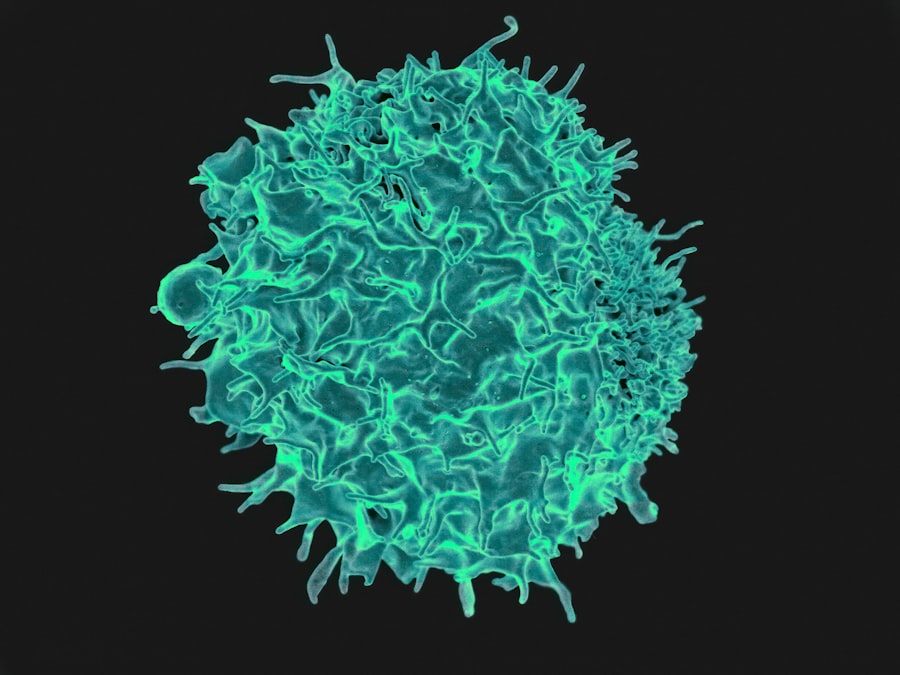
The etiology of leukemia is multifactorial, involving a combination of genetic predispositions and environmental exposures. Genetic mutations can occur spontaneously or be inherited, leading to chromosomal abnormalities that disrupt normal cell growth and differentiation. For instance, translocations involving oncogenes can result in the overproduction of growth factors that promote leukemic cell proliferation.
Environmental factors also contribute to the development of leukemia. Prolonged exposure to ionizing radiation, certain chemicals such as benzene, and some chemotherapy agents can increase the risk of developing this malignancy. Additionally, viral infections, particularly those caused by the Epstein-Barr virus (EBV) and human T-cell lymphotropic virus (HTLV-1), have been implicated in specific subtypes of leukemia.
Understanding these causative factors is vital for developing preventive strategies and targeted therapies.
Risk Factors for Leukemia
| Risk Factor | Description |
|---|---|
| Genetic predisposition | Family history of leukemia or genetic disorders such as Down syndrome |
| Exposure to radiation | High levels of radiation, such as from atomic bomb explosions or radiation therapy |
| Chemical exposure | Exposure to certain chemicals, such as benzene and formaldehyde |
| Smoking | Cigarette smoking has been linked to an increased risk of leukemia |
| Previous cancer treatment | Previous chemotherapy or radiation therapy for another cancer |
Several risk factors have been identified that may increase an individual’s likelihood of developing leukemia. Age is a significant determinant; most cases occur in adults over 55 years old, although certain types like ALL are more common in children. Gender also plays a role, with males being more frequently diagnosed than females.
Other notable risk factors include a family history of leukemia or other hematological malignancies, which suggests a genetic predisposition. Individuals with certain genetic syndromes, such as Down syndrome or Li-Fraumeni syndrome, are at an elevated risk for developing leukemia. Additionally, previous exposure to chemotherapy or radiation therapy for other cancers can predispose individuals to secondary leukemias.
Occupational exposures to carcinogenic substances in industries such as petrochemicals or rubber manufacturing further contribute to risk.
Signs and Symptoms of Leukemia
The clinical presentation of leukemia can be diverse and often nonspecific, making early diagnosis challenging. Common symptoms include fatigue and weakness due to anemia, frequent infections resulting from neutropenia, and easy bruising or bleeding due to thrombocytopenia. Patients may also experience unexplained weight loss, night sweats, and fever.
In some cases, leukemic infiltration can lead to splenomegaly or hepatomegaly, causing abdominal discomfort or fullness. Lymphadenopathy may also be present as leukemic cells accumulate in lymph nodes. It is essential for healthcare providers to recognize these signs and symptoms promptly to facilitate timely diagnostic evaluation and initiate appropriate treatment.
Diagnosing Leukemia

The diagnostic process for leukemia typically begins with a comprehensive medical history and physical examination. Blood tests are crucial for identifying abnormal white blood cell counts and assessing hemoglobin levels and platelet counts. A complete blood count (CBC) may reveal leukocytosis or leukopenia, along with other hematological abnormalities.
Bone marrow aspiration and biopsy are definitive diagnostic procedures that allow for direct examination of bone marrow samples. This analysis helps determine the presence of leukemic cells and provides information on their morphology and immunophenotype through flow cytometry. Cytogenetic studies are also performed to identify chromosomal abnormalities that can guide treatment decisions.
In some cases, molecular testing may be utilized to detect specific genetic mutations associated with particular subtypes of leukemia.
Treatment Options for Leukemia
The treatment landscape for leukemia has evolved significantly over recent years, with advancements in targeted therapies and immunotherapies complementing traditional approaches such as chemotherapy and radiation therapy. The choice of treatment depends on various factors, including the type of leukemia, disease stage, patient age, and overall health status. For acute leukemias, aggressive treatment regimens are often necessary to achieve remission quickly.
In contrast, chronic leukemias may require a more conservative approach initially, with treatment initiated only when symptoms arise or disease progression occurs. Multidisciplinary care involving hematologists, oncologists, nurses, and supportive care teams is essential for optimizing patient outcomes throughout the treatment journey.
Chemotherapy for Leukemia
Chemotherapy remains a cornerstone in the management of leukemia, particularly for acute forms of the disease. This systemic treatment utilizes cytotoxic agents to target rapidly dividing cancer cells while sparing normal cells to some extent. Commonly used chemotherapeutic agents include anthracyclines (e.g., daunorubicin), cytarabine, and vincristine.
The chemotherapy regimen is typically administered in cycles to allow recovery of normal bone marrow function between treatments.
Consolidation therapy follows induction to eliminate any residual disease and prevent relapse.
While chemotherapy can be effective in achieving remission, it is associated with various side effects such as nausea, hair loss, immunosuppression, and increased susceptibility to infections.
Radiation Therapy for Leukemia
Radiation therapy may be employed as an adjunctive treatment modality for certain cases of leukemia. It involves the use of high-energy radiation to target specific areas where leukemic cells are concentrated, such as the spleen or lymph nodes. Total body irradiation (TBI) is sometimes utilized before stem cell transplantation to eradicate residual leukemic cells and prepare the patient’s body for engraftment.
While radiation therapy can be effective in controlling localized disease manifestations, it is not typically used as a primary treatment for most types of leukemia due to its potential long-term side effects, including secondary malignancies and damage to surrounding healthy tissues. The decision to incorporate radiation therapy into a treatment plan should be made on an individual basis after careful consideration of potential benefits versus risks.
Stem Cell Transplant for Leukemia
Stem cell transplantation (SCT) represents a potentially curative approach for certain patients with high-risk or relapsed leukemia. This procedure involves replacing diseased bone marrow with healthy stem cells from a compatible donor or from the patient’s own body (autologous transplant). Allogeneic stem cell transplantation utilizes stem cells from a donor who may be related or unrelated but matches specific human leukocyte antigen (HLA) markers.
The transplant process typically follows high-dose chemotherapy or radiation therapy to eliminate existing leukemic cells in the bone marrow. Post-transplant care is critical to monitor for complications such as graft-versus-host disease (GVHD) and infections due to immunosuppression. SCT can offer a chance for long-term remission; however, it requires careful patient selection and comprehensive pre-transplant evaluation.
Living with Leukemia: Coping and Support
Living with leukemia presents unique challenges that extend beyond physical health concerns. Emotional well-being plays a crucial role in coping with the diagnosis and treatment journey. Patients often experience feelings of anxiety, depression, or uncertainty about their future health outcomes.
Support from healthcare providers, family members, friends, and support groups can significantly enhance coping mechanisms. Psychosocial interventions such as counseling or therapy can help patients navigate their emotional responses while providing strategies for managing stress and anxiety related to their condition. Engaging in support groups allows individuals to connect with others facing similar challenges, fostering a sense of community and shared understanding.
In addition to emotional support, maintaining open communication with healthcare providers is essential for addressing concerns about treatment side effects or changes in health status. Integrating holistic approaches such as nutrition counseling or physical activity into care plans can also contribute positively to overall well-being during treatment. In summary, leukemia is a multifaceted hematological malignancy that requires comprehensive understanding for effective management.
With various types characterized by distinct clinical features and treatment approaches ranging from chemotherapy to stem cell transplantation, early diagnosis remains critical for improving patient outcomes. Awareness of risk factors and symptoms can facilitate timely intervention while ongoing support plays an essential role in enhancing quality of life for those affected by this challenging disease.
Leukemia is a devastating disease that affects many individuals worldwide. According to a recent article on famous celebrities, several well-known figures have battled leukemia, bringing awareness to the importance of early detection and treatment. It is crucial for individuals to educate themselves about the symptoms and risk factors associated with leukemia in order to seek medical attention promptly. By staying informed and proactive, we can work towards improving outcomes for those affected by this disease.
FAQs
What is leukemia?
Leukemia is a type of cancer that affects the blood and bone marrow. It occurs when the body produces an excessive amount of abnormal white blood cells, which interfere with the production of normal blood cells.
What are the common symptoms of leukemia?
Common symptoms of leukemia include fatigue, weakness, frequent infections, fever, easy bruising or bleeding, weight loss, and swollen lymph nodes.
What are the different types of leukemia?
There are four main types of leukemia: acute lymphoblastic leukemia (ALL), acute myeloid leukemia (AML), chronic lymphocytic leukemia (CLL), and chronic myeloid leukemia (CML).
What are the risk factors for developing leukemia?
Risk factors for leukemia include exposure to high levels of radiation, certain genetic disorders, smoking, exposure to certain chemicals such as benzene, and a family history of leukemia.
How is leukemia diagnosed?
Leukemia is diagnosed through a combination of physical exams, blood tests, bone marrow aspiration and biopsy, and imaging tests such as CT scans or MRIs.
What are the treatment options for leukemia?
Treatment for leukemia may include chemotherapy, radiation therapy, targeted therapy, immunotherapy, and stem cell transplantation. The specific treatment plan depends on the type of leukemia and other individual factors.


