Now Reading: Understanding DCIS: What You Need to Know
-
01
Understanding DCIS: What You Need to Know
Understanding DCIS: What You Need to Know

Ductal Carcinoma In Situ (DCIS) is a non-invasive form of breast cancer characterized by the presence of abnormal cells within the ducts of the breast tissue. These cells have not yet invaded surrounding breast tissue, which distinguishes DCIS from invasive breast cancers. The term “in situ” translates to “in its original place,” indicating that the cancerous cells remain confined to the ducts.
DCIS is often detected through routine mammography screening, where microcalcifications may appear as suspicious findings. The significance of DCIS lies in its potential to progress to invasive breast cancer if left untreated. While not all cases of DCIS will lead to invasive disease, the diagnosis necessitates careful monitoring and management.
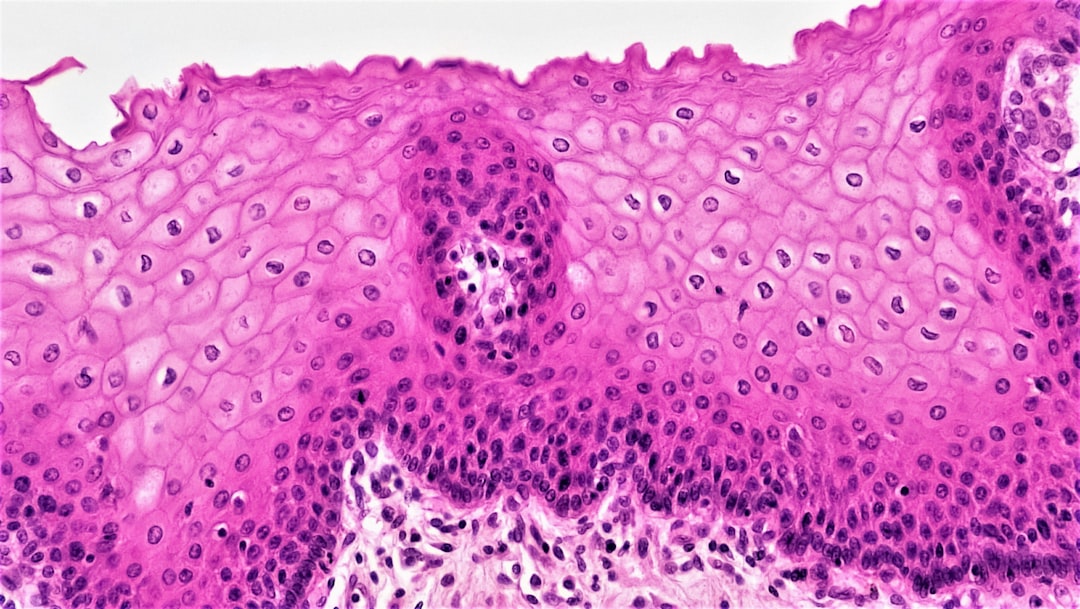
The condition is classified into various grades based on the appearance of the cells under a microscope, with higher-grade lesions indicating a greater likelihood of progression. Understanding DCIS is crucial for patients and healthcare providers alike, as it informs treatment decisions and long-term outcomes.
Key Takeaways
- DCIS stands for ductal carcinoma in situ, which is a non-invasive form of breast cancer where abnormal cells are found in the lining of a breast duct.
- Symptoms of DCIS may not be noticeable, but it can be detected through mammograms and diagnosed through a biopsy.
- Risk factors for DCIS include age, family history of breast cancer, genetic mutations, and certain reproductive factors.
- Treatment options for DCIS may include surgery, radiation therapy, hormone therapy, and active surveillance.
- Regular follow-up care and lifestyle changes, such as maintaining a healthy weight and exercising regularly, can help manage DCIS and reduce the risk of recurrence.
Symptoms and Diagnosis of DCIS
DCIS typically does not present with noticeable symptoms, which is why it is often discovered incidentally during routine mammograms. Patients may not experience any palpable lumps or changes in breast appearance, making early detection challenging. However, some individuals may report unusual findings such as nipple discharge or changes in the skin texture over the breast area.
Diagnosis of DCIS primarily involves imaging studies and biopsy procedures. Mammography remains the gold standard for initial detection, where microcalcifications can indicate the presence of abnormal cells. If suspicious areas are identified, a biopsy—either fine-needle aspiration or core needle biopsy—is performed to obtain tissue samples for histopathological examination.
The results will confirm the presence of DCIS and help determine its grade and extent, guiding subsequent treatment options.
Risk Factors for DCIS

Several risk factors have been identified that may increase the likelihood of developing DCIS. Age is a significant factor, with most cases occurring in women over 50 years old. Genetic predispositions, such as mutations in the BRCA1 and BRCA2 genes, also elevate risk levels.
Family history of breast cancer can further compound this risk, particularly if close relatives have been diagnosed at a young age. Hormonal factors play a crucial role in the development of DCIS as well. Women who have experienced late menopause or those who have never given birth may have an increased risk due to prolonged exposure to estrogen.
Additionally, lifestyle factors such as obesity, sedentary behavior, and alcohol consumption have been associated with higher incidences of breast cancer, including DCIS. Understanding these risk factors can empower individuals to engage in preventive measures and seek appropriate screenings.
Treatment Options for DCIS
| Treatment Option | Success Rate | Side Effects |
|---|---|---|
| Lumpectomy | 85% | Scarring, changes in breast shape |
| Mastectomy | 95% | Loss of breast tissue, potential for reconstruction |
| Radiation Therapy | 90% | Skin changes, fatigue |
| Hormone Therapy | 70% | Hot flashes, joint pain |
The treatment landscape for DCIS has evolved significantly over recent years, with several options available depending on the grade and extent of the disease. Surgical intervention is often the primary approach, with lumpectomy (breast-conserving surgery) being a common choice for localized cases. In some instances, mastectomy may be recommended, particularly for high-grade lesions or multifocal disease.
Adjuvant therapies may also be employed post-surgery to reduce recurrence risk. Radiation therapy is frequently utilized following lumpectomy to eliminate any residual cancer cells and minimize the chance of developing invasive cancer in the future. Hormonal therapy, such as selective estrogen receptor modulators (SERMs) or aromatase inhibitors, may be indicated for hormone receptor-positive DCIS cases to further reduce recurrence rates.
Understanding the Prognosis of DCIS
The prognosis for individuals diagnosed with DCIS is generally favorable, particularly when detected early and treated appropriately. The five-year survival rate for women with DCIS approaches 100%, reflecting the non-invasive nature of the disease. However, factors such as tumor grade, size, and margin status post-surgery can influence long-term outcomes.
Patients with high-grade DCIS or those with close or positive surgical margins may face a higher risk of recurrence or progression to invasive cancer. Regular follow-up care and surveillance are essential components of managing prognosis effectively. Engaging in discussions with healthcare providers about individual risk factors and treatment options can help patients make informed decisions regarding their care.
Lifestyle Changes to Help Manage DCIS

Healthy Weight and Nutrition
Maintaining a healthy weight through balanced nutrition and regular physical activity is crucial in managing DCIS and reducing overall breast cancer risk. A diet rich in fruits, vegetables, whole grains, and lean proteins can support overall health and bolster the immune system.
Lifestyle Changes to Reduce Risk
In addition to a healthy diet, there are several lifestyle changes that can help reduce breast cancer risk. Limiting alcohol consumption is essential, as even moderate intake may elevate breast cancer risk. Smoking cessation is equally vital, as tobacco use has been linked to various cancers, including breast cancer.
By incorporating these lifestyle modifications, individuals can play a proactive role in managing DCIS and reducing their overall breast cancer risk.
Support and Resources for Those with DCIS
Navigating a diagnosis of DCIS can be overwhelming; therefore, accessing support resources is essential for emotional and psychological well-being. Numerous organizations provide valuable information and support networks for individuals facing breast cancer diagnoses. The American Cancer Society offers educational materials and local support groups where patients can connect with others experiencing similar challenges.
Online forums and social media groups can also serve as platforms for sharing experiences and advice among patients. Additionally, counseling services or therapy may be beneficial for those struggling with anxiety or fear related to their diagnosis. Engaging with healthcare providers about available resources can help patients find tailored support systems that meet their needs.
Potential Complications of DCIS
While DCIS itself is non-invasive, there are potential complications associated with its diagnosis and treatment that patients should be aware of. One significant concern is the possibility of recurrence; although many patients achieve successful outcomes post-treatment, some may experience a return of DCIS or develop invasive breast cancer later on. Surgical interventions can also lead to complications such as infection, scarring, or changes in breast appearance.
Radiation therapy may result in side effects like skin irritation or fatigue. Hormonal therapies can produce adverse effects including hot flashes, mood changes, or increased risk of blood clots. It is crucial for patients to discuss these potential complications with their healthcare team to develop a comprehensive understanding of their treatment journey.
The Importance of Regular Follow-up Care
Regular follow-up care is paramount for individuals diagnosed with DCIS to monitor for any signs of recurrence or new developments. After initial treatment, patients typically undergo routine mammograms every six to twelve months for several years, transitioning to annual screenings thereafter based on individual risk factors. Follow-up appointments also provide opportunities for healthcare providers to assess any side effects from treatments and address ongoing concerns related to physical or emotional health.
Engaging in open communication with medical professionals during these visits fosters a collaborative approach to care and empowers patients to take an active role in their health management.
Research and Advances in DCIS Treatment
Ongoing research into DCIS continues to enhance understanding and treatment options for this condition. Recent studies focus on identifying biomarkers that could predict which cases are more likely to progress to invasive cancer, allowing for more personalized treatment approaches. Clinical trials are exploring novel therapies aimed at reducing recurrence rates while minimizing overtreatment.
Advancements in imaging technology are also improving diagnostic accuracy, enabling earlier detection and better characterization of lesions. As research progresses, it holds promise for refining treatment protocols and enhancing patient outcomes through targeted therapies tailored to individual tumor biology.
Talking to Your Doctor About DCIS
Effective communication with healthcare providers is essential for individuals diagnosed with DCIS to navigate their treatment journey successfully. Patients should feel empowered to ask questions regarding their diagnosis, treatment options, potential side effects, and long-term management strategies. Preparing a list of questions prior to appointments can facilitate productive discussions.
Additionally, discussing personal values and preferences regarding treatment choices is vital; understanding how different options align with individual lifestyles can lead to more satisfactory outcomes. Patients should also inquire about available support resources and educational materials that can aid in understanding their condition better. In summary, Ductal Carcinoma In Situ (DCIS) represents a non-invasive form of breast cancer that requires careful monitoring and management due to its potential progression to invasive disease.
Lifestyle modifications can further support health management alongside medical interventions. Regular follow-up care remains essential for monitoring recurrence risks, while ongoing research continues to advance treatment strategies for improved patient outcomes.
Engaging in open dialogue with healthcare providers empowers patients to make informed decisions about their care journey.
Ductal carcinoma in situ (DCIS) is a type of breast cancer that starts in the milk ducts and has not spread to surrounding breast tissue. It is considered a non-invasive form of breast cancer. For more information on breast cancer awareness and prevention, check out this article on