Now Reading: Understanding Cardiovascular Physiology: The Key to Heart Health
-
01
Understanding Cardiovascular Physiology: The Key to Heart Health
Understanding Cardiovascular Physiology: The Key to Heart Health

Cardiovascular physiology is a complex and intricate field that encompasses the study of the heart, blood vessels, and the blood itself. This discipline is essential for understanding how the body circulates blood, delivers oxygen and nutrients to tissues, and removes waste products. The cardiovascular system is a dynamic network that plays a pivotal role in maintaining homeostasis, regulating blood pressure, and responding to physiological demands.
The heart, as the central organ of this system, functions as a powerful pump that propels blood throughout the body, ensuring that every cell receives the necessary components for optimal function. The cardiovascular system is not merely a passive conduit for blood flow; it is an active participant in various physiological processes. For instance, it adapts to changes in physical activity, emotional states, and environmental conditions.
Understanding cardiovascular physiology is crucial for healthcare professionals as it lays the foundation for diagnosing and treating various cardiovascular diseases.
Key Takeaways
- Cardiovascular physiology is the study of how the heart and blood vessels function to support the body’s circulation.
- The heart and blood vessels make up the anatomy of the cardiovascular system, which is responsible for pumping and transporting blood throughout the body.
- Understanding blood pressure is important for monitoring cardiovascular health and preventing conditions such as hypertension.
- Cardiovascular fitness is crucial for overall health and can be achieved through regular exercise and physical activity.
- Maintaining a healthy heart involves managing stress, following a balanced diet, and taking medications as prescribed by a healthcare professional.
The Anatomy of the Heart and Blood Vessels
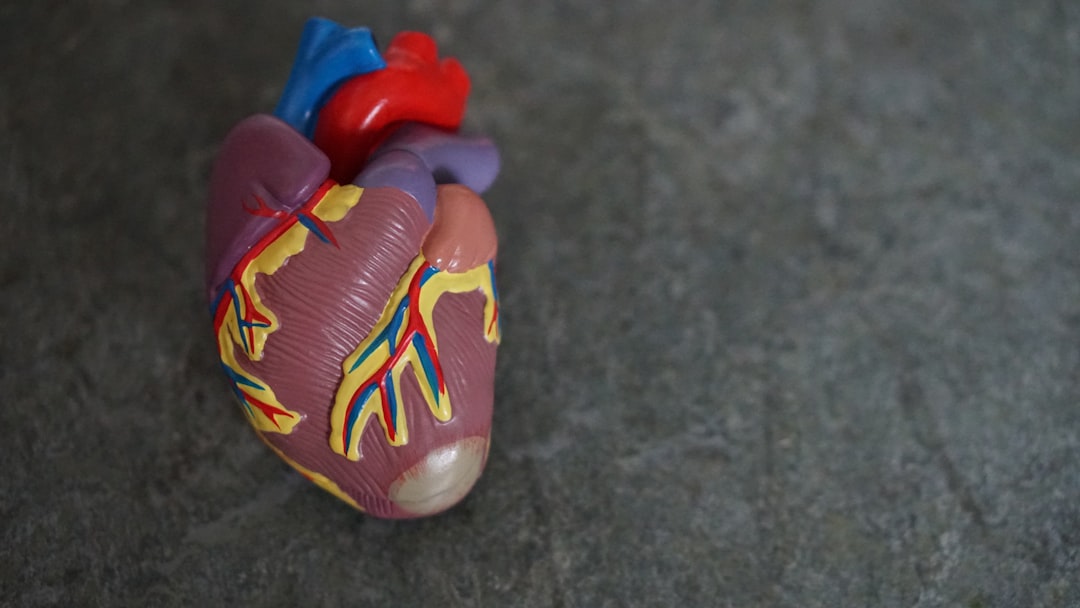
The heart is a muscular organ located in the thoracic cavity, encased within the pericardium. It consists of four chambers: the right atrium, right ventricle, left atrium, and left ventricle. The right atrium receives deoxygenated blood from the systemic circulation via the superior and inferior vena cavae.
This blood is then pumped into the right ventricle, which sends it to the lungs through the pulmonary arteries for oxygenation. Conversely, oxygen-rich blood returns to the left atrium from the lungs via the pulmonary veins, subsequently entering the left ventricle. The left ventricle is responsible for distributing oxygenated blood to the entire body through the aorta.
Blood vessels are classified into three main types: arteries, veins, and capillaries. Arteries carry oxygen-rich blood away from the heart under high pressure, while veins return deoxygenated blood back to the heart at lower pressure. Capillaries serve as the exchange sites between blood and tissues, allowing for nutrient delivery and waste removal.
The structure of these vessels is adapted to their specific functions; for example, arteries have thick muscular walls to withstand high pressure, while veins possess valves to prevent backflow.
The Role of the Heart in Circulation

The heart’s primary function is to maintain effective circulation throughout the body. It achieves this through a coordinated sequence of contractions known as the cardiac cycle, which consists of systole (contraction) and diastole (relaxation). During systole, the ventricles contract, propelling blood into the pulmonary and systemic circuits.
In diastole, the heart relaxes, allowing chambers to fill with blood. This rhythmic cycle is regulated by electrical impulses generated by specialized cells in the sinoatrial (SA) node, often referred to as the heart’s natural pacemaker. The efficiency of cardiac output—defined as the volume of blood pumped by the heart per minute—is influenced by several factors, including heart rate and stroke volume (the amount of blood ejected with each heartbeat).
A healthy heart can adjust its output based on metabolic demands; for instance, during exercise, increased heart rate and stroke volume ensure that muscles receive adequate oxygen and nutrients. Conversely, conditions such as heart failure can impair this ability, leading to inadequate perfusion of vital organs.
Understanding Blood Pressure and Its Importance
| Category | Measurement | Importance |
|---|---|---|
| Systolic Pressure | Top number | Indicates the pressure in the arteries when the heart beats |
| Diastolic Pressure | Bottom number | Indicates the pressure in the arteries when the heart rests between beats |
| Normal Blood Pressure | Less than 120/80 mmHg | Indicates a healthy cardiovascular system |
| High Blood Pressure (Hypertension) | 120-139/80-89 mmHg | Increases the risk of heart disease and stroke |
| Very High Blood Pressure (Hypertension Stage 2) | 140/90 mmHg or higher | Requires immediate medical attention |
Blood pressure is a critical physiological parameter that reflects the force exerted by circulating blood on vessel walls. It is expressed in millimeters of mercury (mmHg) and is represented by two values: systolic pressure (the pressure during ventricular contraction) over diastolic pressure (the pressure during ventricular relaxation). Normal blood pressure is typically around 120/80 mmHg; however, variations can occur based on age, activity level, and overall health.
Maintaining optimal blood pressure is vital for cardiovascular health. Hypertension, or high blood pressure, can lead to serious complications such as stroke, heart attack, and kidney failure. Conversely, hypotension (low blood pressure) may result in inadequate perfusion of organs and tissues, leading to symptoms like dizziness or fainting.
Regular monitoring of blood pressure is essential for early detection of abnormalities and timely intervention.
The Importance of Cardiovascular Fitness
Cardiovascular fitness refers to the efficiency with which the body delivers oxygen to muscles during sustained physical activity. It is a key indicator of overall health and well-being. Engaging in regular aerobic exercise—such as running, swimming, or cycling—can significantly enhance cardiovascular fitness by improving heart function, increasing lung capacity, and promoting efficient circulation.
Research has shown that individuals with higher levels of cardiovascular fitness have a lower risk of developing cardiovascular diseases. Exercise stimulates various physiological adaptations, including improved endothelial function (the health of blood vessel linings), reduced inflammation, and enhanced lipid profiles (lower levels of LDL cholesterol and higher levels of HDL cholesterol). Furthermore, regular physical activity can help manage weight, reduce stress levels, and improve mental health—all contributing factors to cardiovascular wellness.
The Impact of Diet and Lifestyle on Cardiovascular Health

Dietary choices play a crucial role in determining cardiovascular health. A diet rich in fruits, vegetables, whole grains, lean proteins, and healthy fats can significantly reduce the risk of developing cardiovascular diseases. Conversely, diets high in saturated fats, trans fats, sodium, and added sugars can contribute to obesity, hypertension, dyslipidemia (abnormal lipid levels), and inflammation—all risk factors for heart disease.
Lifestyle factors such as smoking cessation and alcohol moderation are equally important in promoting cardiovascular health. Smoking is a major risk factor for atherosclerosis (hardening of arteries) and other cardiovascular conditions due to its detrimental effects on endothelial function and increased oxidative stress. Limiting alcohol intake can also help maintain healthy blood pressure levels and reduce caloric intake.
Common Cardiovascular Diseases and Conditions
Cardiovascular diseases encompass a range of disorders affecting the heart and blood vessels. Some of the most prevalent conditions include coronary artery disease (CAD), heart failure, arrhythmias (irregular heartbeats), and valvular heart disease. CAD occurs when plaque builds up in coronary arteries, leading to reduced blood flow to the heart muscle and potentially resulting in angina or myocardial infarction (heart attack).
Heart failure is characterized by the heart’s inability to pump sufficient blood to meet the body’s needs. Symptoms may include shortness of breath, fatigue, and fluid retention. Arrhythmias can manifest as palpitations or dizziness due to irregular electrical activity in the heart.
Valvular heart disease involves dysfunction of one or more heart valves, which can lead to compromised blood flow and increased workload on the heart.
The Role of Genetics in Cardiovascular Health
Genetic predisposition plays a significant role in an individual’s risk for developing cardiovascular diseases. Family history can provide insight into inherited conditions such as familial hypercholesterolemia (a genetic disorder characterized by high cholesterol levels) or hypertrophic cardiomyopathy (a condition where the heart muscle becomes abnormally thick). Genetic factors can influence various aspects of cardiovascular health, including lipid metabolism, inflammatory responses, and vascular function.
Advancements in genetic research have led to increased understanding of how specific genes contribute to cardiovascular risk. Genetic testing may be beneficial for individuals with a strong family history of heart disease or those presenting with early-onset conditions. Identifying genetic markers can guide personalized prevention strategies and treatment options.
The Importance of Stress Management for Heart Health
Chronic stress has been linked to an increased risk of cardiovascular diseases due to its effects on hormonal balance and inflammatory processes within the body. Stress activates the sympathetic nervous system, leading to elevated heart rate and blood pressure—factors that can contribute to long-term cardiovascular damage if not managed effectively. Implementing stress management techniques such as mindfulness meditation, yoga, deep breathing exercises, or engaging in hobbies can significantly improve overall well-being and reduce cardiovascular risk.
Regular physical activity also serves as an effective stress reliever while simultaneously enhancing cardiovascular fitness.
The Role of Medications in Managing Cardiovascular Conditions
Pharmacological interventions are often necessary for managing various cardiovascular conditions effectively. Common classes of medications include antihypertensives (to lower blood pressure), statins (to manage cholesterol levels), antiplatelet agents (to prevent clot formation), and beta-blockers (to reduce heart rate). Each medication class targets specific pathways involved in cardiovascular health.
For instance, statins work by inhibiting HMG-CoA reductase—a key enzyme involved in cholesterol synthesis—resulting in lower LDL cholesterol levels and reduced risk of atherosclerosis. Antihypertensive medications may include ACE inhibitors or calcium channel blockers that help relax blood vessels and lower systemic vascular resistance.
Tips for Maintaining a Healthy Heart
Maintaining optimal cardiovascular health requires a multifaceted approach that encompasses diet, exercise, lifestyle modifications, and regular medical check-ups. Here are several actionable tips: 1. **Adopt a Heart-Healthy Diet**: Focus on whole foods rich in nutrients while minimizing processed foods high in sugars and unhealthy fats.
2.
**Engage in Regular Physical Activity**: Aim for at least 150 minutes of moderate-intensity aerobic exercise weekly.
3. **Monitor Blood Pressure**: Regularly check your blood pressure at home or during medical visits.
4. **Manage Stress**: Incorporate relaxation techniques into your daily routine.
5.
**Avoid Tobacco Products**: Quitting smoking significantly reduces cardiovascular risk.
6. **Limit Alcohol Consumption**: Adhere to recommended guidelines for alcohol intake.
7. **Stay Hydrated**: Adequate hydration supports overall health.
8.
In summary, understanding cardiovascular physiology is essential for promoting heart health through informed lifestyle choices and medical interventions. The anatomy of the heart and its role in circulation highlight its importance in maintaining overall well-being.
Blood pressure regulation is crucial for preventing complications associated with hypertension or hypotension. Cardiovascular fitness can be enhanced through regular exercise while diet plays a significant role in disease prevention. Genetic predisposition must be considered alongside lifestyle factors such as stress management when assessing individual risk profiles for cardiovascular diseases.
Medications serve as vital tools in managing existing conditions while proactive measures can help maintain a healthy heart throughout life.
If you are interested in learning more about cardiovascular physiology, you may also want to check out this article on the comprehensive guide to federal holidays in the United States. Understanding the impact of stress and lifestyle factors on heart health is crucial, and knowing when to take a break and relax during holidays can significantly benefit cardiovascular function. By exploring the relationship between holidays and heart health, you can gain a deeper insight into the importance of maintaining a healthy lifestyle for optimal cardiovascular physiology.
FAQs
What is cardiovascular physiology?
Cardiovascular physiology is the study of the function and regulation of the cardiovascular system, which includes the heart and blood vessels. It focuses on how the heart pumps blood, the regulation of blood flow, and the exchange of gases and nutrients in the body.
What are the main components of the cardiovascular system?
The main components of the cardiovascular system are the heart, blood vessels (arteries, veins, and capillaries), and blood. The heart pumps blood through the blood vessels, delivering oxygen and nutrients to the body’s tissues and removing waste products.
How does the heart pump blood?
The heart pumps blood through a series of coordinated contractions and relaxations. During each heartbeat, the atria (upper chambers) contract to push blood into the ventricles (lower chambers), and then the ventricles contract to pump blood out to the rest of the body.
What is the role of blood vessels in cardiovascular physiology?
Blood vessels play a crucial role in regulating blood flow and blood pressure. Arteries carry oxygenated blood away from the heart, while veins carry deoxygenated blood back to the heart. Capillaries are tiny blood vessels where the exchange of gases and nutrients occurs.
How is blood pressure regulated in the body?
Blood pressure is regulated by a combination of factors, including the pumping action of the heart, the elasticity of the blood vessels, and the volume of blood in the circulatory system. Hormones and the nervous system also play a role in regulating blood pressure.
What are some common disorders of the cardiovascular system?
Common disorders of the cardiovascular system include hypertension (high blood pressure), coronary artery disease, heart failure, arrhythmias, and peripheral artery disease. These conditions can have a significant impact on overall health and require medical management.