Now Reading: The Madrid Derby: Atlético vs Real
-
01
The Madrid Derby: Atlético vs Real
The Madrid Derby: Atlético vs Real

The Madrid Derby, a fierce contest between Atlético Madrid and Real Madrid, has a rich history that dates back to the early 20th century. The first official match occurred in 1906, marking the beginning of a rivalry that would evolve into one of the most intense in world football. Over the years, the derby has transcended mere sporting competition, becoming a cultural phenomenon that encapsulates the spirit of Madrid itself.
The matches are not just about points; they represent pride, identity, and a deep-seated rivalry that has been passed down through generations. As both clubs have grown in stature, so too has the significance of their encounters. Real Madrid, with its illustrious history and numerous accolades, often finds itself in the spotlight.
In contrast, Atlético Madrid, known for its passionate fan base and fighting spirit, has carved out its own identity as a formidable opponent. The derby has seen numerous changes in format and significance, but the underlying tension and excitement remain constant. Each match is a chapter in a long-standing narrative that continues to captivate fans around the globe.
Key Takeaways
- The Madrid Derby has a rich history dating back to the early 20th century, with both Atlético and Real Madrid experiencing periods of dominance.
- The rivalry between Atlético and Real Madrid is intense and deeply rooted in the history and culture of the city, with both teams vying for supremacy in La Liga and in European competitions.
- Key players to watch in the Madrid Derby include the likes of Lionel Messi, Karim Benzema, Jan Oblak, and Koke, who have been instrumental in shaping the outcome of past encounters.
- The Madrid Derby has a significant impact on La Liga, often influencing the title race and determining the final standings at the end of the season.
- Memorable moments in the Madrid Derby include dramatic comebacks, last-minute goals, and standout performances from legendary players, adding to the lore of the rivalry.
The Rivalry Between Atlético and Real Madrid
The rivalry between Atlético and Real Madrid is characterized by its intensity and emotional depth. It is not merely a contest of skill on the pitch; it embodies the socio-economic divide within Madrid. Real Madrid is often viewed as the club of the elite, while Atlético has historically represented the working class.
This dichotomy adds layers to the rivalry, making each encounter more than just a game; it becomes a battle for honor and respect. The animosity is palpable both on and off the field. Fans from both sides engage in passionate displays of loyalty, often leading to heated exchanges.
This rivalry has produced some of football’s most memorable moments, with players and managers alike feeling the weight of expectation that comes with each match. The stakes are high, and the desire to claim bragging rights fuels an ongoing cycle of competition.
Key Players to Watch in the Madrid Derby

In any derby match, key players often emerge as pivotal figures who can change the course of the game. For Atlético Madrid, players like Antoine Griezmann and João Félix have become central to their attacking strategy. Griezmann’s ability to find space and create opportunities makes him a constant threat, while Félix’s youthful exuberance and technical skill add dynamism to the team’s forward line.
Their performances can be game-changers, capable of turning the tide in favor of Atlético. On the other side, Real Madrid boasts an array of talent that includes stars like Karim Benzema and Vinícius Júnior. Benzema’s experience and goal-scoring prowess make him a crucial asset, while Vinícius’s speed and dribbling skills can unsettle even the most organized defenses.
The interplay between these key players often dictates the flow of the match, making them essential to their respective teams’ chances of success in this high-stakes encounter.
The Impact of the Madrid Derby on La Liga
| Metrics | Impact |
|---|---|
| TV Viewership | High viewership due to rivalry and star players |
| Attendance | Sold-out stadiums and intense atmosphere |
| Merchandise Sales | Increase in sales of team jerseys and memorabilia |
| Global Interest | Attracts international attention and fans |
| Revenue Generation | Boosts club and league revenue through sponsorships and partnerships |
The Madrid Derby holds significant implications for La Liga as a whole. Matches between these two giants often influence title races and European qualification spots. The outcome can shift momentum for either team, impacting their confidence and performance in subsequent fixtures.
A victory in the derby can serve as a springboard for success, while a defeat may lead to a period of introspection and reevaluation. Moreover, the derby attracts global attention, drawing viewers from around the world. This not only enhances the profile of La Liga but also contributes to its financial health through increased viewership and sponsorship opportunities.
The rivalry encapsulates the essence of Spanish football, showcasing skill, passion, and drama that resonates with fans far beyond Madrid’s borders.
Memorable Moments in the Madrid Derby
Throughout its storied history, the Madrid Derby has produced countless memorable moments that have etched themselves into football folklore. One such instance occurred during the 2014 UEFA Champions League final when Real Madrid triumphed over Atlético in dramatic fashion after extra time. This match not only highlighted the fierce competition between the two clubs but also underscored the emotional rollercoaster that accompanies every derby.
Another unforgettable moment came during a league match in 2016 when Atlético secured a stunning 1-0 victory at the Santiago Bernabéu Stadium. This win was particularly significant as it marked Atlético’s first league victory at their rivals’ home ground in over a decade. Such moments serve as reminders of the unpredictability and excitement inherent in derby matches, where anything can happen.
The Influence of Managers in the Madrid Derby
The role of managers in shaping the dynamics of the Madrid Derby cannot be overstated. Coaches like Diego Simeone for Atlético Madrid and Carlo Ancelotti for Real Madrid bring distinct philosophies that influence their teams’ approaches to these high-stakes encounters. Simeone’s tactical acumen emphasizes defensive solidity and counter-attacking prowess, while Ancelotti’s style often focuses on fluid attacking play and ball possession.
The decisions made by these managers—ranging from tactical formations to substitutions—can have profound effects on match outcomes. Their ability to motivate players and instill a sense of purpose is crucial in such emotionally charged environments. The tactical battles between these managerial minds add another layer of intrigue to an already captivating rivalry.
The Stadium Atmosphere at the Madrid Derby
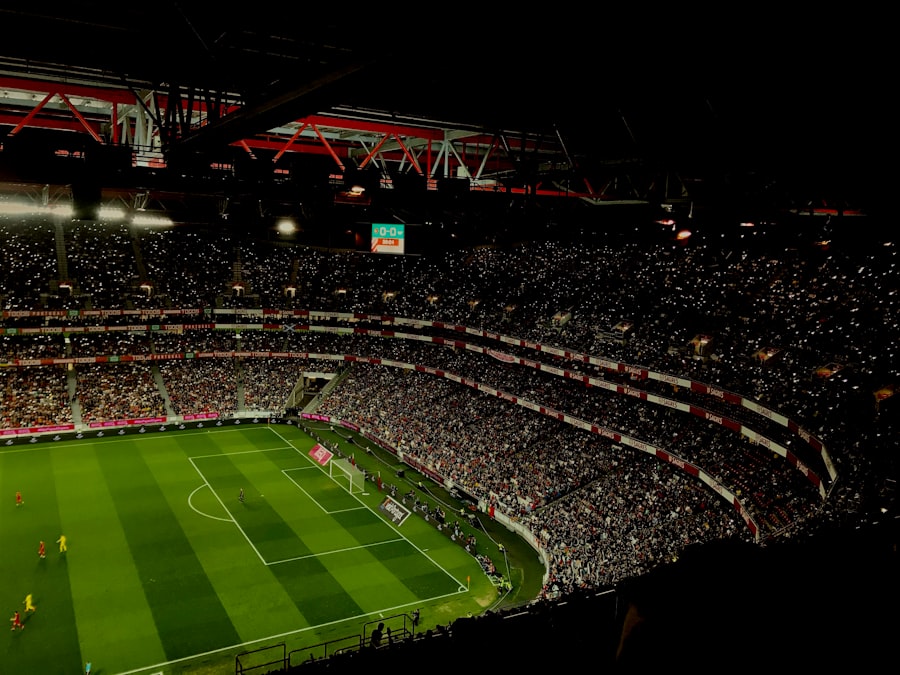
The atmosphere during a Madrid Derby is nothing short of electric. Whether held at Atlético’s Wanda Metropolitano or Real Madrid’s Santiago Bernabéu, fans create an ambiance filled with passion and intensity.
The pre-match build-up is equally significant, as fans gather outside stadiums to partake in festivities that celebrate their team’s heritage. This sense of community fosters an environment where rivalries are embraced rather than shunned, creating an unforgettable experience for all who attend. The palpable tension in the air serves as a reminder of what is at stake—pride, honor, and supremacy in one of football’s most storied rivalries.
The Importance of the Madrid Derby to the City of Madrid
The Madrid Derby extends beyond football; it is woven into the very fabric of life in Madrid. For many residents, supporting either Atlético or Real Madrid is a matter of identity that shapes social interactions and community ties. The derby serves as a focal point for discussions among friends, families, and colleagues, often igniting passionate debates about team loyalty.
Moreover, local businesses thrive during derby week as fans flock to bars and restaurants to celebrate or commiserate with fellow supporters. This economic impact underscores how deeply ingrained this rivalry is within the city’s culture. The derby not only unites fans but also fosters a sense of belonging that transcends mere sporting allegiance.
Recent Form and Head-to-Head Statistics in the Madrid Derby
Analyzing recent form provides insight into how both teams approach upcoming derbies. In recent seasons, Atlético has shown resilience against their rivals, often securing crucial victories that have bolstered their confidence. Head-to-head statistics reveal a competitive balance; while Real Madrid historically leads in overall wins, Atlético has made significant strides in closing that gap.
In terms of recent encounters, both teams have exchanged victories in league play and cup competitions alike. These statistics highlight not only the competitiveness of this rivalry but also its unpredictability—each match presents an opportunity for either side to assert dominance.
The Tactical Battle in the Madrid Derby
Tactical approaches play a pivotal role in determining outcomes during the Madrid Derby. Atlético typically adopts a pragmatic style characterized by disciplined defending and rapid counter-attacks. This strategy aims to exploit any defensive lapses from Real Madrid while maintaining structural integrity.
Conversely, Real Madrid often employs an attacking philosophy focused on ball possession and creative playmaking. Their ability to transition quickly from defense to attack can catch opponents off guard, making them formidable adversaries in open play. The tactical nuances between these two styles create an engaging spectacle for fans and analysts alike.
Predictions for the Next Madrid Derby
As anticipation builds for the next installment of this historic rivalry, predictions abound regarding potential outcomes. Analysts consider factors such as current form, injuries, and tactical setups when forecasting results. While Real Madrid may be favored due to their star-studded lineup, Atlético’s tenacity cannot be underestimated.
Ultimately, predicting outcomes in such a fiercely contested derby is fraught with uncertainty—anything can happen on match day. Fans eagerly await what promises to be another thrilling chapter in this ongoing saga between two of Spain’s most iconic clubs. In summary, the Madrid Derby represents more than just a football match; it embodies history, rivalry, culture, and community spirit within Madrid.
With its rich tapestry woven from memorable moments, key players, tactical battles, and passionate fan engagement, this derby continues to captivate audiences worldwide while shaping narratives within La Liga itself. As both teams prepare for their next encounter, one thing remains certain: excitement will reign supreme on derby day once again.
In the recent clash between Atlético Madrid and Real Madrid, fans were treated to an exhilarating display of football prowess, with both teams showcasing their tactical brilliance and competitive spirit. This match, a highlight of the La Liga season, drew attention from football enthusiasts worldwide, eager to see how these two giants of Spanish football would fare against each other. For those interested in exploring more about the cultural and social events surrounding such high-profile matches, you might find it intriguing to read about how sports events often coincide with significant holidays. An article that delves into this topic is available at Top June Holidays: Celebrating Father’s Day and the Summer Solstice, which discusses how major events can align with festive occasions, adding an extra layer of excitement for fans and communities alike.
FAQs
What is the history of the Atlético Madrid – Real Madrid rivalry?
The rivalry between Atlético Madrid and Real Madrid dates back to the early 20th century when both clubs were founded. The rivalry intensified during the 1950s and 1960s when both teams were dominant in Spanish football.
What is the significance of the Atlético Madrid – Real Madrid rivalry?
The rivalry between Atlético Madrid and Real Madrid is one of the most intense and historic in Spanish football. Matches between the two teams are highly anticipated and often have a significant impact on the La Liga title race.
What are some memorable moments from Atlético Madrid – Real Madrid matches?
Some memorable moments from Atlético Madrid – Real Madrid matches include the 2014 UEFA Champions League final, where Real Madrid won 4-1 after extra time, and the 2013-2014 La Liga season, where Atlético Madrid won the league title on the final day of the season at the Camp Nou.
How do the fans of Atlético Madrid and Real Madrid view each other?
The fans of Atlético Madrid and Real Madrid have a fierce rivalry and often engage in passionate and sometimes hostile interactions. The rivalry is deeply rooted in the history and culture of both clubs and their respective fan bases.
What are some key players from Atlético Madrid and Real Madrid in recent years?
Key players from Atlético Madrid in recent years include Antoine Griezmann, Diego Godín, and Jan Oblak. Key players from Real Madrid in recent years include Cristiano Ronaldo, Sergio Ramos, and Luka Modrić.