Now Reading: The Graceful Art of the Ballerina
-
01
The Graceful Art of the Ballerina
The Graceful Art of the Ballerina
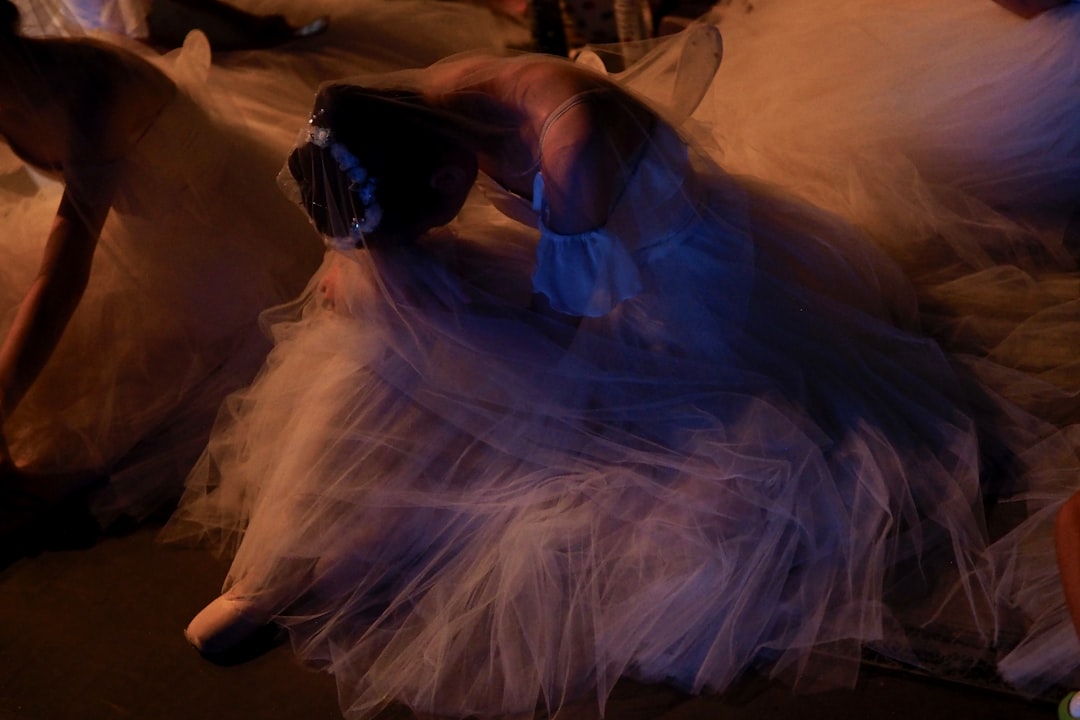
Ballet, a highly stylized form of dance, has its roots in the Italian Renaissance courts of the 15th century. Initially, it served as a form of entertainment for nobility, combining music, dance, and elaborate staging. The term “ballet” itself derives from the Italian word “ballare,” meaning “to dance.” As it evolved, ballet transitioned to France, where King Louis XIV established the Académie Royale de Danse in 1661, formalizing training and performance standards.
This period marked the emergence of the ballerina as a distinct figure within the art form, characterized by grace and technical prowess. The 19th century heralded a significant transformation in ballet, particularly with the advent of Romanticism. This era emphasized ethereal qualities and emotional expression, leading to the creation of iconic works such as “Giselle” and “La Sylphide.” The ballerina became a symbol of beauty and fragility, often portrayed as otherworldly beings.
The introduction of pointe shoes allowed female dancers to perform seemingly impossible feats, further enhancing their allure. This period solidified the ballerina’s role as a central figure in ballet, captivating audiences with her artistry and elegance.
Key Takeaways
- Ballet originated in the Italian Renaissance courts and later developed into a performance art in France.
- Ballerinas undergo rigorous training from a young age, often starting at around 6-8 years old.
- Ballet requires immense physical strength, flexibility, and endurance, leading to a high risk of injury.
- Ballerinas are known for their grace, elegance, and ability to convey emotion through movement.
- The role of the ballerina in ballet productions often involves portraying characters and conveying narratives through dance.
The Training and Discipline of a Ballerina
Becoming a ballerina requires rigorous training and unwavering discipline. Aspiring dancers typically begin their ballet education at a young age, often around five or six years old. Training involves mastering foundational techniques such as pliés, tendus, and jetés, which are essential for developing strength and flexibility.
Ballet schools often follow a structured curriculum, incorporating various styles like classical ballet, contemporary ballet, and character dance. The commitment to training is immense; many ballerinas attend classes daily, often for several hours at a time. This dedication extends beyond physical practice; mental fortitude is equally crucial.
Dancers must cultivate resilience to endure the physical demands of their art while maintaining a positive mindset. Regular assessments by instructors help track progress and identify areas for improvement. Additionally, many ballerinas participate in summer intensives or workshops to further refine their skills and gain exposure to different techniques.
The Physical Demands of Ballet

Ballet is one of the most physically demanding art forms, requiring exceptional strength, flexibility, and endurance. Dancers engage in extensive training to develop their muscles and improve their overall fitness levels. The rigorous nature of ballet can lead to various physical challenges, including injuries such as sprains, strains, and stress fractures.
Commonly affected areas include the feet, ankles, knees, and lower back due to the repetitive movements and high-impact landings involved in performances. To mitigate injury risks, ballerinas often incorporate cross-training into their routines. Activities such as Pilates, yoga, and swimming can enhance core strength and flexibility while providing a break from the high-impact nature of ballet.
Additionally, proper nutrition plays a vital role in maintaining energy levels and overall health. A balanced diet rich in carbohydrates, proteins, vitamins, and minerals is essential for sustaining the physical demands of ballet.
The Elegance and Poise of a Ballerina
| Aspect | Description |
|---|---|
| Gracefulness | The quality of moving in a smooth and elegant way |
| Poise | The graceful and elegant bearing in a person’s movement and posture |
| Balance | The ability to maintain equilibrium and control while performing intricate movements |
| Flexibility | The capacity to bend and stretch easily without breaking |
| Strength | The physical power and stamina required to execute demanding ballet movements |
The elegance and poise exhibited by ballerinas are hallmarks of the art form. A ballerina’s ability to convey grace through movement is cultivated through years of training and practice. Each gesture is meticulously crafted to reflect emotion and narrative, transforming technical skill into artistic expression.
The aesthetic quality of ballet relies heavily on the dancer’s posture, alignment, and fluidity of movement. Ballet emphasizes the importance of body awareness; dancers must maintain control over their limbs while executing intricate choreography. This level of precision requires not only physical strength but also mental focus.
A ballerina’s ability to project confidence and poise on stage captivates audiences and enhances the overall performance experience. The combination of technical mastery and artistic interpretation creates a mesmerizing spectacle that defines ballet as an art form.
The Role of the Ballerina in Ballet Productions
In ballet productions, the ballerina often assumes a central role that embodies both character and narrative. She is frequently cast as the lead in classical ballets, portraying iconic figures such as Odette in “Swan Lake” or Kitri in “Don Quixote.” The portrayal of these characters requires not only technical proficiency but also an understanding of the emotional depth inherent in their stories. The collaborative nature of ballet productions means that ballerinas work closely with choreographers, musicians, and fellow dancers to bring a vision to life.
Each performance is a culmination of collective effort, with the ballerina serving as a focal point that draws the audience’s attention. Her ability to connect with viewers through movement and expression is paramount in conveying the themes and emotions embedded within the choreography.
Famous Ballerinas Throughout History
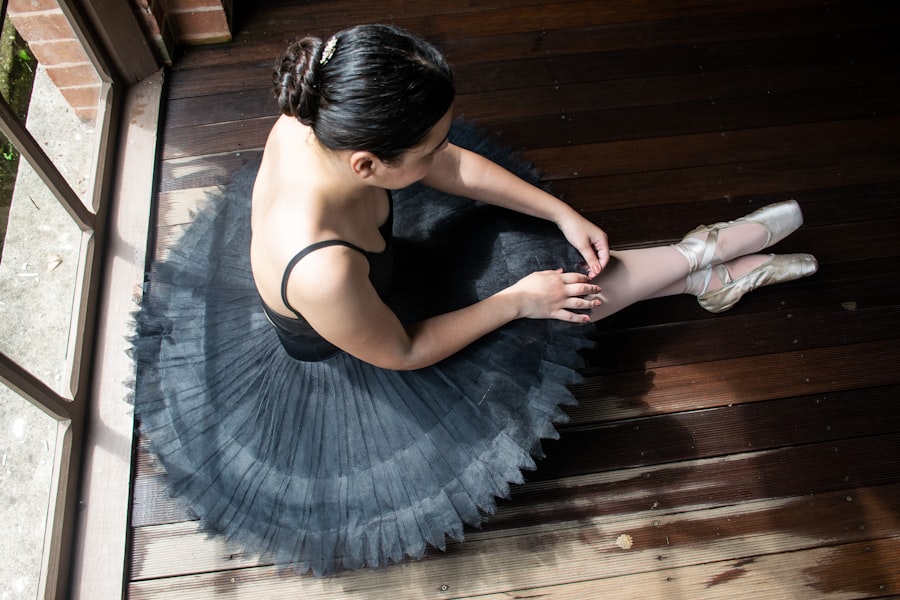
Throughout history, numerous ballerinas have left an indelible mark on the world of dance. One such figure is Anna Pavlova, renowned for her portrayal of “The Dying Swan,” which became emblematic of her artistry. Pavlova’s dedication to her craft helped elevate ballet’s status globally during the early 20th century.
Another iconic ballerina is Margot Fonteyn, celebrated for her partnership with Rudolf Nureyev in “Romeo and Juliet.” Fonteyn’s elegance and dramatic interpretation set new standards for female dancers in ballet. In contemporary times, Misty Copeland has emerged as a trailblazer, breaking barriers as the first African American principal dancer with the American Ballet Theatre.
The Importance of Costumes and Makeup for a Ballerina
Costumes and makeup play an integral role in enhancing a ballerina’s performance. The design of costumes is carefully considered to reflect the character being portrayed while allowing for freedom of movement. Fabrics must be lightweight yet durable to withstand rigorous choreography while maintaining an aesthetic appeal.
Makeup serves to accentuate facial expressions under stage lighting, ensuring that emotions are conveyed effectively to the audience. The application process often involves techniques that highlight features while maintaining a natural appearance from afar. Costumes and makeup work in tandem to create a cohesive visual narrative that complements the choreography.
The Emotional Expression of a Ballerina
Emotional expression is a cornerstone of ballet performance; it transforms technical execution into storytelling. A skilled ballerina must convey a range of emotions through her movements, allowing audiences to connect with the narrative on a deeper level. This requires an understanding of character motivations and emotional arcs within the choreography.
Training often includes acting techniques that help dancers embody their roles fully. By tapping into personal experiences or utilizing improvisation exercises, ballerinas can enhance their emotional range on stage. The ability to evoke feelings such as joy, sorrow, or longing through movement is what elevates ballet from mere technique to profound artistry.
The Relationship Between Music and Ballet
Music serves as the backbone of ballet; it provides rhythm, mood, and structure to performances. The relationship between music and dance is symbiotic; each element enhances the other to create a cohesive artistic experience. Composers such as Pyotr Ilyich Tchaikovsky and Igor Stravinsky have crafted iconic scores that have become synonymous with ballet classics.
Ballet choreography is often developed in tandem with musical composition; choreographers analyze musical phrasing to inform movement choices. Dancers must possess an acute sense of timing to synchronize their movements with musical cues effectively. This intricate interplay between music and dance creates an immersive experience for audiences, drawing them into the emotional landscape of the performance.
The Evolution of Ballet and the Modern Ballerina
Ballet has undergone significant evolution since its inception, adapting to cultural shifts and artistic movements over time. Contemporary ballet incorporates elements from various dance styles while embracing innovative choreography that challenges traditional norms. Modern ballerinas are often trained in multiple disciplines, allowing them to explore diverse forms of expression.
The rise of technology has also influenced ballet productions; multimedia elements are increasingly integrated into performances to enhance storytelling. This evolution reflects broader societal changes while maintaining ballet’s core principles of grace and artistry. Today’s ballerinas embody versatility and creativity, pushing boundaries while honoring the rich history of their craft.
The Impact of Ballet on Popular Culture
Ballet’s influence extends beyond theater stages; it permeates popular culture through film, fashion, and social media. Iconic films such as “Black Swan” have brought ballet into mainstream consciousness while exploring themes of ambition and identity within the dance world. Fashion designers often draw inspiration from ballet aesthetics, incorporating tutus and pointe shoes into contemporary collections.
Social media platforms have provided a new avenue for ballerinas to showcase their artistry; dancers can share performances with global audiences instantly. This accessibility has fostered a renewed interest in ballet among younger generations while allowing established dancers to connect with fans directly. Ballet continues to inspire creativity across various mediums, solidifying its place within popular culture.
In summary, ballet is an intricate art form steeped in history that requires immense dedication from its practitioners—particularly ballerinas who embody grace and technical skill on stage. Their training involves rigorous discipline while navigating physical demands that challenge their bodies daily. Through emotional expression and collaboration with music, they bring narratives to life in captivating performances that resonate with audiences worldwide.
As ballet evolves alongside modern influences, its impact on popular culture remains profound—ensuring that this timeless art form continues to inspire future generations.
In the world of dance, the life of a ballerina is often seen as one of grace, discipline, and dedication. While the art of ballet requires immense physical and mental commitment, it is also a career that many aspire to pursue. For those interested in exploring various career opportunities, not just in the arts but in other fields as well, it might be worth checking out different job options available in your area. For instance, if you’re located in Florida, you might find opportunities in logistics and delivery services. One such option is Amazon Flex, which offers delivery positions in Spring Hill, FL.