Now Reading: The Champions League: The Ultimate Test of European Football
-
01
The Champions League: The Ultimate Test of European Football
The Champions League: The Ultimate Test of European Football
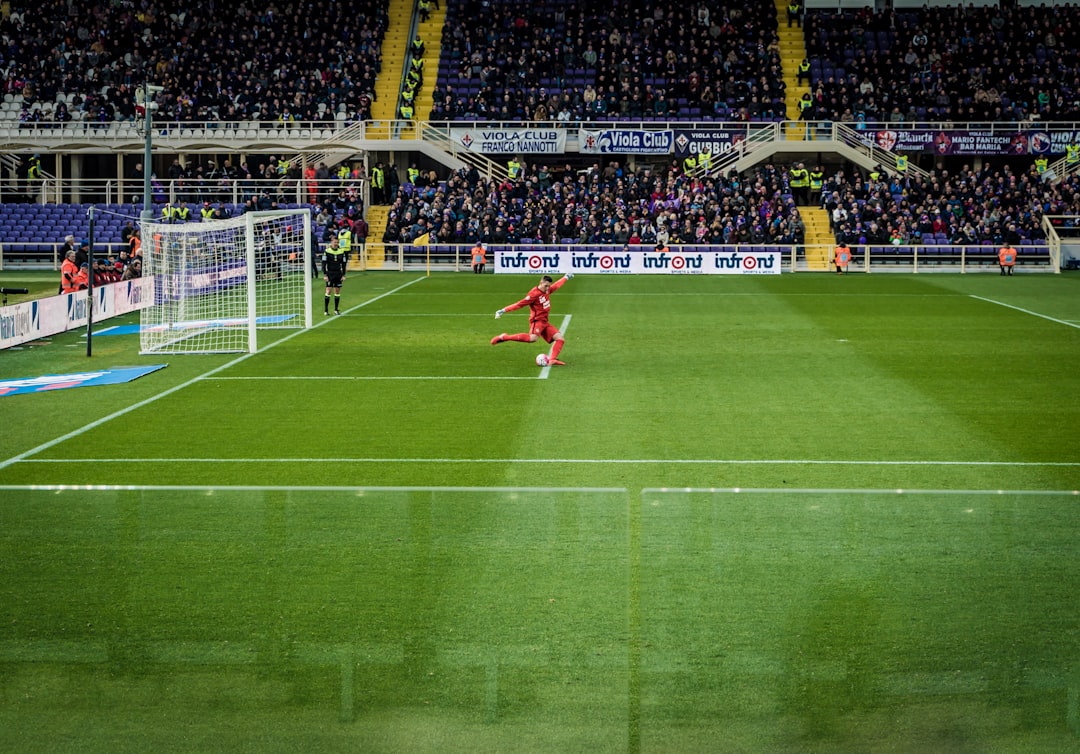
The UEFA Champions League, established in 1955, has evolved into one of the most prestigious tournaments in club football. Originally known as the European Cup, the competition was designed to bring together the elite clubs from across Europe to compete for the title of continental champion. The inaugural tournament featured 16 teams, with Real Madrid emerging as the first champions after defeating Stade de Reims in the final.
Over the decades, the competition has undergone significant transformations, including a rebranding in 1992 that introduced the current name and format. The Champions League has witnessed numerous memorable moments and legendary matches that have shaped its rich history. From the dominance of clubs like AC Milan and Liverpool to the rise of modern powerhouses such as Barcelona and Bayern Munich, the tournament has consistently showcased the highest level of football.
The introduction of a group stage in 1991 allowed for greater participation and excitement, enabling clubs from smaller nations to compete on a grand stage. This evolution has not only increased the tournament’s prestige but also its global appeal, making it a focal point for football fans worldwide.
Key Takeaways
- The Champions League has a rich history and has evolved significantly since its inception.
- Its format includes group stages followed by knockout rounds, emphasizing both home and away matches.
- The competition has produced legendary players and some of the most successful football clubs in Europe.
- The Champions League greatly impacts European football financially and in terms of player development.
- It holds a global influence, shaping the future of football and intensifying matchday experiences for fans worldwide.
The Format of the Champions League
The current format of the UEFA Champions League consists of several stages, beginning with a qualification round that includes teams from various European leagues. A total of 32 teams qualify for the group stage, which is divided into eight groups of four. Each team plays home and away matches against the others in their group, with the top two teams from each group advancing to the knockout stage.
This stage features a two-legged format, where teams compete over two matches, with aggregate scores determining who progresses to the next round. The knockout phase culminates in a single-match final held at a neutral venue, where the two remaining teams vie for the coveted trophy. This structure not only enhances competitiveness but also ensures that every match carries significant weight, as teams strive to secure their place in the next round.
The format has been praised for its ability to create thrilling encounters and dramatic storylines, making each season unique and unpredictable.
The Most Successful Teams in Champions League History
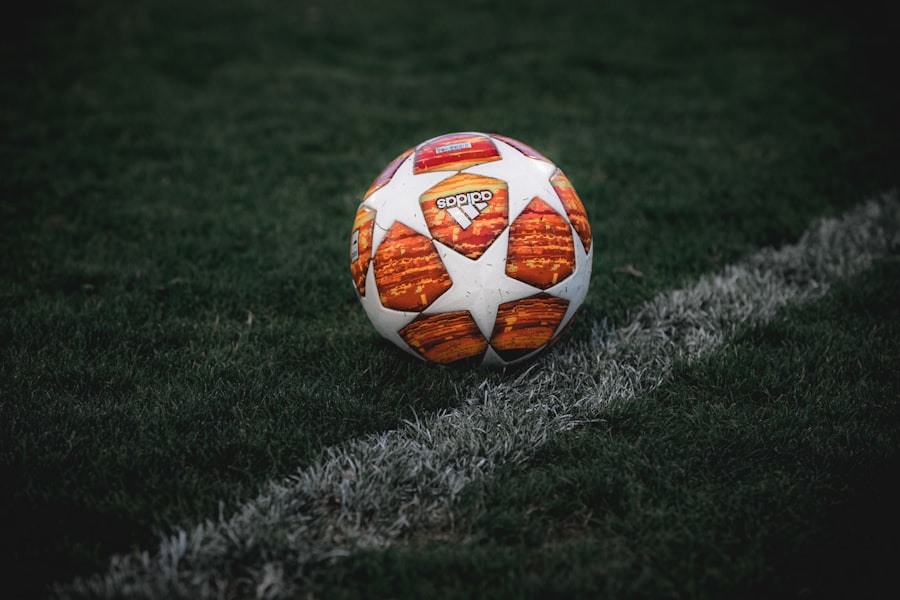
Throughout its illustrious history, certain clubs have distinguished themselves as true giants of the UEFA Champions League. Real Madrid holds the record for the most titles, having lifted the trophy an astonishing 14 times, with their latest victory coming in 2022. Their dominance is matched by AC Milan, who have claimed the title seven times, showcasing their rich footballing heritage.
Other notable clubs include Liverpool and Bayern Munich, each with six titles to their name, reflecting their consistent performances on Europe’s biggest stage. These successful teams have not only excelled in terms of trophies but have also produced some of the most iconic players in football history. Legends such as Alfredo Di Stéfano, Franz Beckenbauer, and Cristiano Ronaldo have graced the tournament, leaving an indelible mark on its legacy.
The rivalry between these clubs has often defined eras in European football, with memorable clashes that have captivated fans and created lasting narratives within the sport.
The Impact of the Champions League on European Football
The UEFA Champions League has had a profound impact on European football, influencing both domestic leagues and international competitions. By providing a platform for clubs to showcase their talent on a global stage, it has elevated the standard of play across Europe. The financial incentives associated with participation have led clubs to invest heavily in player development and infrastructure, resulting in a more competitive landscape within domestic leagues.
Moreover, the Champions League has fostered a sense of unity among European nations while simultaneously intensifying rivalries. The tournament serves as a barometer for club performance, with teams striving to prove themselves against the best in Europe. This competitive spirit has not only enhanced the quality of football but has also contributed to the growth of fan engagement and loyalty across various clubs.
The Financial Rewards of the Champions League
| Season | Champion | Runner-up | Top Scorer | Number of Teams |
|---|---|---|---|---|
| 2022-2023 | Manchester City | Inter Milan | Erling Haaland (12 goals) | 32 |
| 2021-2022 | Real Madrid | Liverpool | Karim Benzema (15 goals) | 32 |
| 2020-2021 | Chelsea | Manchester City | Erling Haaland (10 goals) | 32 |
| 2019-2020 | Bayern Munich | Paris Saint-Germain | Robert Lewandowski (15 goals) | 32 |
| 2018-2019 | Liverpool | Tottenham Hotspur | Mohamed Salah (11 goals) | 32 |
The financial implications of participating in the UEFA Champions League are substantial and can significantly impact a club’s operations. Revenue streams from broadcasting rights, sponsorship deals, and matchday income can amount to hundreds of millions of euros for successful clubs. For instance, reaching the group stage alone can yield around €15 million, while progressing through each knockout round can add millions more to a club’s coffers.
This financial windfall allows clubs to invest in player acquisitions, training facilities, and youth academies, thereby enhancing their competitiveness both domestically and internationally. However, it also creates a disparity between clubs that regularly qualify for the tournament and those that do not, leading to an increasingly polarized footballing landscape. As such, participation in the Champions League has become a critical objective for many clubs seeking long-term sustainability and success.
The Role of the Champions League in Player Development

The UEFA Champions League plays a pivotal role in player development by providing young talents with invaluable experience on an international stage. Competing against some of the best players in the world allows emerging stars to hone their skills and adapt to high-pressure situations. Clubs often use this platform to showcase their youth prospects, giving them opportunities to shine on a grand scale.
Moreover, success in the Champions League can enhance a player’s marketability and attract interest from top clubs around Europe. Many players have leveraged their performances in this tournament to secure lucrative transfers or contract renewals. As such, participation in the Champions League is not only beneficial for clubs but also serves as a crucial stepping stone for players aspiring to reach their full potential.
The Intensity of Champions League Matchdays
Champions League matchdays are characterized by an unparalleled intensity that captivates players and fans alike. The atmosphere surrounding these fixtures is electric, with supporters creating an environment that elevates the stakes of each encounter. Players often describe competing in this tournament as one of the highlights of their careers, driven by the desire to perform at their best under such pressure.
The tactical battles between managers also add another layer of intrigue to these matches. Coaches must devise strategies that account for both their team’s strengths and weaknesses while considering their opponents’ tactics. This level of preparation and analysis contributes to the overall excitement of Champions League matchdays, making them a spectacle that transcends mere football.
The Importance of Home and Away Matches in the Champions League
The home-and-away format employed during the knockout stages of the UEFA Champions League is crucial for determining which teams advance to subsequent rounds. Playing at home provides teams with a distinct advantage due to familiar surroundings and support from local fans. Conversely, away matches present unique challenges that test a team’s resilience and adaptability.
The aggregate scoring system adds further drama to these encounters; teams must balance offensive ambition with defensive solidity over two legs. This dynamic often leads to thrilling comebacks or unexpected upsets, underscoring why home and away matches are integral to the tournament’s allure. The psychological aspect of these fixtures can be just as important as technical ability, making every match a high-stakes affair.
The Influence of the Champions League on Global Football
The UEFA Champions League’s influence extends far beyond Europe; it has become a global phenomenon that captivates audiences worldwide. Broadcasted in over 200 countries, millions tune in to watch matches each season, making it one of the most-watched sporting events globally. This widespread appeal has allowed clubs to expand their brand presence internationally and engage with fans across different continents.
The visibility provided by Champions League matches has led to increased investment in grassroots football initiatives globally, fostering talent development in regions previously overlooked by major leagues. As such, its impact resonates throughout all levels of football.
The Legends of the Champions League
The UEFA Champions League has been graced by numerous legends whose performances have left an indelible mark on its history. Players like Lionel Messi and Cristiano Ronaldo have redefined excellence within this competition through their record-breaking goal tallies and unforgettable moments on the pitch. Their rivalry has captivated fans for over a decade and continues to shape narratives surrounding each season.
Other iconic figures include Paolo Maldini, who epitomized defensive mastery during his illustrious career with AC Milan, and Zinedine Zidane, whose magical moments have become synonymous with this tournament’s legacy. These legends not only represent individual brilliance but also embody what it means to compete at the highest level—an aspiration shared by countless players around the globe.
The Future of the Champions League
As we look ahead to the future of the UEFA Champions League, several factors will shape its evolution. With ongoing discussions about expanding participation formats and potential changes to broadcasting rights agreements, clubs must adapt to an ever-changing landscape while maintaining competitive integrity. Additionally, technological advancements such as VAR (Video Assistant Referee) will continue influencing match outcomes and fan experiences.
Moreover, addressing financial disparities among clubs will be crucial for ensuring fair competition within European football. Initiatives aimed at promoting sustainability and equitable revenue distribution may emerge as key priorities moving forward. Ultimately, while challenges lie ahead for this prestigious tournament, its enduring legacy as one of football’s crown jewels remains secure.
In summary, the UEFA Champions League stands as a testament to excellence in club football—a competition steeped in history that continues to evolve while captivating audiences worldwide. From its rich past and intricate format to its profound impact on player development and global football culture, this tournament remains an essential pillar within the sport’s framework. As we anticipate future developments within this iconic competition, one thing is certain: it will continue inspiring generations of players and fans alike for years to come.
For instance, the article on understanding the role of a lawyer in 2025 provides insights into how legal professionals are navigating changes in technology and client expectations, which can also impact sports law and contracts in leagues like the Liga Mistrů. You can read more about it in this article: Understanding the Role of a Lawyer in 2025.
FAQs
What is the Liga Mistrů?
The Liga Mistrů, known in English as the UEFA Champions League, is an annual club football competition organized by the Union of European Football Associations (UEFA). It features top-division European clubs competing to be crowned the best team in Europe.
How do teams qualify for the Liga Mistrů?
Teams qualify for the Liga Mistrů based on their performance in their respective national leagues and cup competitions. The number of teams from each country depends on the UEFA coefficient rankings, with higher-ranked leagues receiving more spots.
When is the Liga Mistrů held?
The Liga Mistrů season typically begins in June with qualifying rounds, followed by a group stage starting in September, and knockout rounds from February to May. The final is usually held in late May or early June.
How many teams participate in the Liga Mistrů group stage?
A total of 32 teams participate in the group stage of the Liga Mistrů. These teams are divided into eight groups of four, playing home and away matches against each other.
What is the format of the Liga Mistrů knockout stage?
The knockout stage consists of the round of 16, quarter-finals, semi-finals, and the final. Each round, except the final, is played over two legs (home and away), with the team scoring the most goals on aggregate advancing. The final is a single match held at a neutral venue.
Which club has won the most Liga Mistrů titles?
Real Madrid holds the record for the most Liga Mistrů titles, having won the competition 14 times as of 2024.
What is the significance of winning the Liga Mistrů?
Winning the Liga Mistrů is considered one of the highest achievements in club football. The champion qualifies for the UEFA Super Cup and the FIFA Club World Cup, gaining prestige and financial rewards.
Are there any restrictions on player eligibility in the Liga Mistrů?
Yes, UEFA has rules regarding player registration and eligibility, including limits on the number of players over a certain age and requirements for homegrown players in the squad.
Where can I watch Liga Mistrů matches?
Liga Mistrů matches are broadcast worldwide on various sports networks and streaming platforms. Availability depends on regional broadcasting rights.
How has the Liga Mistrů evolved over time?
The competition began in 1955 as the European Champion Clubs’ Cup and was rebranded as the UEFA Champions League in 1992. It has expanded in format and size, incorporating group stages and allowing multiple teams from top leagues to participate.