Now Reading: The Best Laptop for Your Needs: A Comprehensive Guide
-
01
The Best Laptop for Your Needs: A Comprehensive Guide
The Best Laptop for Your Needs: A Comprehensive Guide
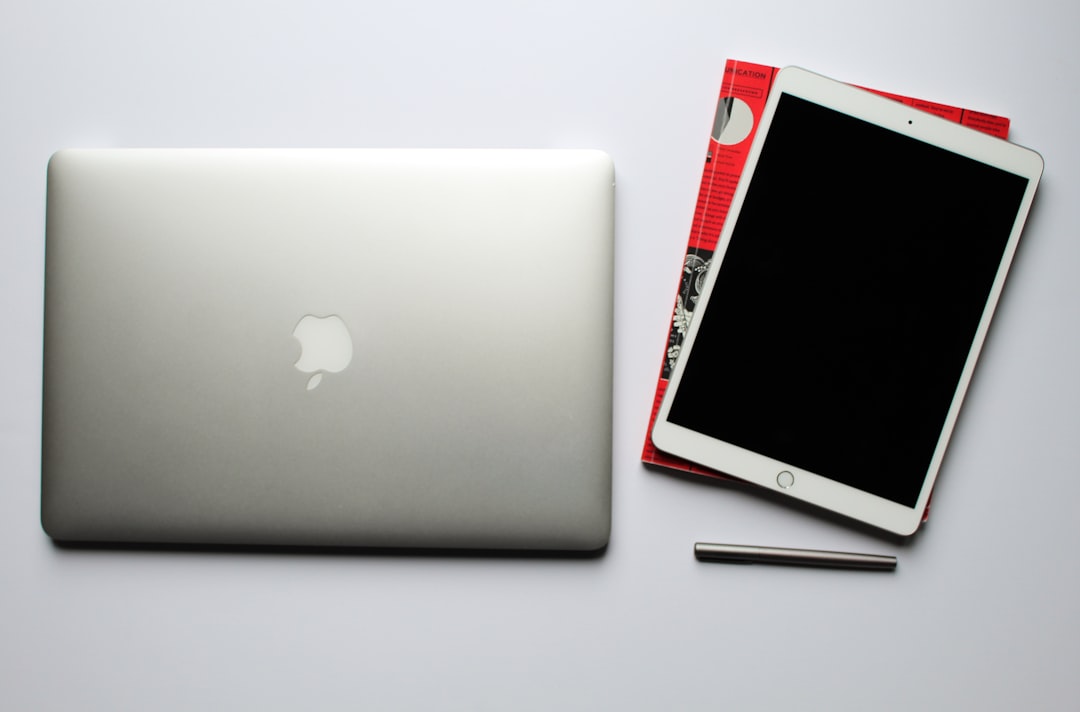
When embarking on the journey to purchase a new laptop, the first step is to thoroughly assess your specific requirements. This involves a careful evaluation of how you intend to use the device. Are you a student who needs a lightweight machine for note-taking and research?
Or perhaps a professional requiring robust performance for graphic design or software development? Identifying your primary use cases will guide you in selecting the right specifications and features. Moreover, understanding your needs extends beyond just the intended use.
Consider factors such as your preferred software applications, multitasking capabilities, and any specialized tasks you may perform. For instance, if you frequently engage in video editing or gaming, a laptop with a dedicated graphics card and higher RAM will be essential. Conversely, if your activities are limited to web browsing and document editing, a more basic model may suffice.
Key Takeaways
- Understand your needs before purchasing a laptop, whether it’s for work, gaming, or casual use.
- Consider your budget and look for laptops that offer the best value for your money.
- Portability and size are important factors to consider, especially if you need to carry your laptop around frequently.
- Look for laptops with good performance and specifications that meet your requirements.
- Choose an operating system that suits your preferences and needs, whether it’s Windows, macOS, or Linux.
Budget Considerations:
Budget is often a decisive factor when purchasing a laptop. Establishing a clear financial framework will help narrow down your options significantly. Laptops can range from budget-friendly models priced under $500 to high-end machines exceeding $2,000.
It is crucial to determine what you are willing to invest based on your needs and the expected lifespan of the device. In addition to the initial purchase price, consider potential long-term costs such as warranties, software licenses, and accessories. Investing in a quality laptop may save you money in the long run by reducing the need for repairs or replacements.
Furthermore, keep an eye out for seasonal sales or student discounts that can provide significant savings on your desired model.
Portability and Size:

Portability is a critical aspect for many users, especially those who travel frequently or work remotely. The size and weight of a laptop can greatly influence its ease of transport. Ultrabooks, typically weighing around 2-3 pounds and featuring screen sizes between 11 to 14 inches, are ideal for individuals seeking maximum portability without sacrificing performance.
However, larger laptops with screens measuring 15 inches or more may offer enhanced usability for tasks requiring more screen real estate, such as graphic design or gaming. It is essential to strike a balance between portability and functionality based on your lifestyle. If you often work in various locations, consider investing in a lightweight model that still meets your performance needs.
Performance and Specifications:
| Metrics | Value |
|---|---|
| Processor | Quad-core 2.5 GHz |
| RAM | 8 GB |
| Storage | 256 GB SSD |
| Display | 15.6 inch Full HD |
| Graphics | NVIDIA GeForce GTX 1650 |
The performance of a laptop is primarily determined by its internal specifications, including the processor, RAM, and storage type. The central processing unit (CPU) is the heart of the machine; modern options include Intel’s Core i3, i5, i7, and i9 series or AMD’s Ryzen 3, 5, 7, and 9 series. For demanding tasks such as gaming or video editing, opt for higher-tier processors that can handle intensive workloads efficiently.
Random Access Memory (RAM) is another critical component influencing multitasking capabilities. A minimum of 8GB is recommended for general use, while 16GB or more is advisable for power users who run multiple applications simultaneously. Additionally, consider the type of storage; Solid State Drives (SSDs) offer faster data access speeds compared to traditional Hard Disk Drives (HDDs), significantly enhancing overall performance.
Operating System:
The choice of operating system (OS) can significantly impact user experience and software compatibility. The most common OS options include Microsoft Windows, macOS, and various distributions of Linux. Windows is widely favored for its versatility and compatibility with a vast array of software applications, making it suitable for both casual users and professionals.
On the other hand, macOS is known for its seamless integration with other Apple products and is often preferred by creative professionals due to its robust multimedia capabilities. Linux offers an open-source alternative that appeals to developers and tech enthusiasts who appreciate customization and control over their systems.
Battery Life:
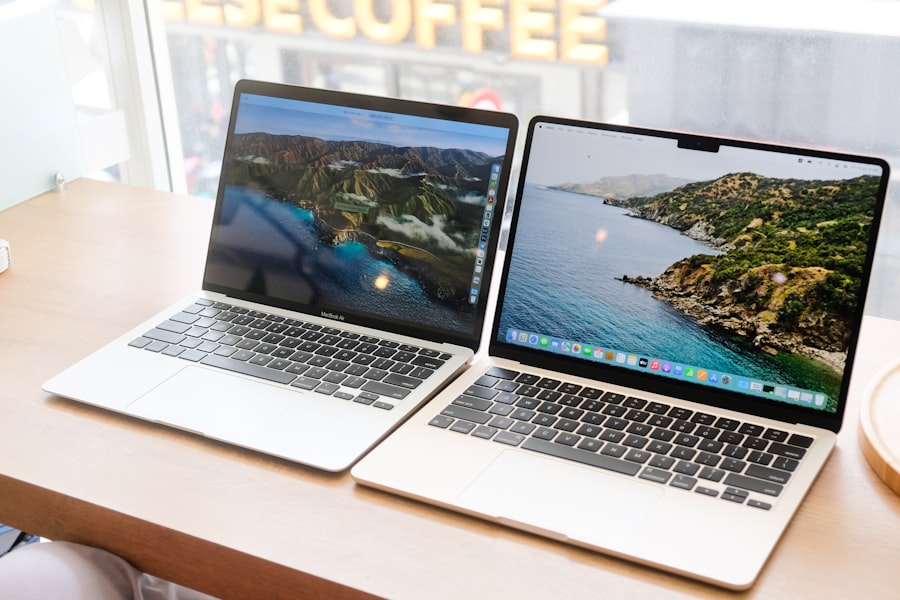
Battery life is an essential consideration for users who require mobility without being tethered to a power outlet. The longevity of a laptop’s battery can vary significantly based on usage patterns and hardware specifications. Generally, laptops with energy-efficient processors and SSDs tend to offer longer battery life compared to those with high-performance components.
When evaluating battery life claims from manufacturers, consider real-world usage scenarios rather than just theoretical maximums. Look for reviews that provide insights into how long the battery lasts under typical workloads such as web browsing or video playback. A laptop with a battery life of at least 8 hours is generally considered adequate for most users.
Display and Graphics:
The display quality of a laptop plays a crucial role in user experience, particularly for tasks involving visual content creation or consumption. Key factors to consider include resolution, panel type, and color accuracy. Full HD (1920 x 1080) resolution is standard for most laptops; however, higher resolutions such as 4K (3840 x 2160) are available for those seeking superior clarity.
Additionally, the type of display panel can affect viewing angles and color reproduction. IPS panels are known for their vibrant colors and wide viewing angles compared to TN panels, which may exhibit color distortion at certain angles. For users engaged in graphic design or video editing, investing in a laptop with excellent color accuracy is paramount.
Storage Options:
Storage capacity is another vital aspect when selecting a laptop. Users should consider their data storage needs based on the types of files they work with regularly. Laptops typically offer various storage options ranging from 256GB SSDs to 2TB HDDs or larger SSDs for those requiring extensive space.
Solid State Drives (SSDs) are preferred for their speed and reliability; they significantly reduce boot times and application loading times compared to traditional Hard Disk Drives (HDDs). For users who require both speed and ample storage space, hybrid solutions combining SSDs for the operating system and HDDs for additional storage can be an effective compromise.
Connectivity and Ports:
Connectivity options are essential for ensuring compatibility with peripherals and external devices.
Additionally, consider whether the laptop supports Wi-Fi 6 or Bluetooth 5.0 for enhanced wireless connectivity.
For professionals who frequently connect to external monitors or projectors, an HDMI port is crucial. Furthermore, if you plan to use external storage devices or peripherals like mice and keyboards, ensure that there are enough USB ports available to accommodate them without requiring constant unplugging.
Additional Features:
Beyond the core specifications, additional features can enhance the overall user experience. Consider aspects such as keyboard quality, touchpad responsiveness, webcam quality, and audio performance. A backlit keyboard can be beneficial for working in low-light environments, while a high-quality touchpad ensures smooth navigation.
Security features such as fingerprint readers or facial recognition technology can provide added protection for sensitive data. Furthermore, some laptops come equipped with advanced cooling systems that prevent overheating during intensive tasks, ensuring consistent performance over extended periods.
Customer Reviews and Recommendations:
Customer reviews serve as invaluable resources when evaluating potential laptop purchases. They provide insights into real-world performance and user satisfaction that specifications alone cannot convey. Look for reviews that highlight both positive experiences and any recurring issues encountered by users.
Additionally, consider recommendations from trusted sources such as technology websites or professional reviewers who conduct thorough testing on various models. These reviews often include benchmarks that assess performance across different tasks, helping you make an informed decision based on empirical data rather than marketing claims. In conclusion, selecting the right laptop requires careful consideration of various factors including your specific needs, budget constraints, portability requirements, performance specifications, operating system preferences, battery life expectations, display quality, storage options, connectivity features, additional functionalities, and customer feedback.
By thoroughly evaluating these aspects before making a purchase decision, you can ensure that your chosen device aligns perfectly with your lifestyle and professional demands. In summary: Understanding your needs is paramount when selecting a laptop; budget considerations will guide your choices; portability affects usability; performance hinges on specifications; operating systems influence compatibility; battery life impacts mobility; display quality enhances experience; storage options cater to data needs; connectivity ensures compatibility; additional features enhance usability; customer reviews provide real-world insights.
If you’re in the market for the best laptop, you may also be interested in reading about Amazon Music Unlimited featuring Dolby Atmos. This article discusses how Amazon is enhancing the music listening experience with cutting-edge technology, much like how you may be looking for a laptop with top-of-the-line features. Check it out to see how advancements in technology are shaping our entertainment options.
FAQs
What are the key factors to consider when choosing the best laptop?
When choosing the best laptop, it’s important to consider factors such as the processor, RAM, storage capacity, display size and resolution, battery life, and portability.
What are the different types of laptops available in the market?
There are various types of laptops available, including ultrabooks, 2-in-1 laptops, gaming laptops, business laptops, and budget laptops.
What are the top brands known for producing the best laptops?
Some of the top brands known for producing the best laptops include Apple, Dell, HP, Lenovo, Asus, and Microsoft.
What is the ideal RAM and storage capacity for a laptop?
The ideal RAM for a laptop is 8GB or higher for smooth multitasking, and the storage capacity should be at least 256GB for storing files and applications.
What are the important features to look for in a laptop for gaming purposes?
For gaming purposes, it’s important to look for a laptop with a powerful graphics card, high refresh rate display, ample RAM, and a fast processor.
How can I ensure that the laptop I choose has a good battery life?
To ensure a good battery life, look for laptops with a battery life of 8 hours or more, and consider user reviews and expert testing for real-world battery performance.
What is the average price range for the best laptops?
The average price range for the best laptops is between $800 to $1500, depending on the brand, specifications, and features.