Now Reading: The Beast in Me Cast: Unleashing the Inner Animal
-
01
The Beast in Me Cast: Unleashing the Inner Animal
The Beast in Me Cast: Unleashing the Inner Animal
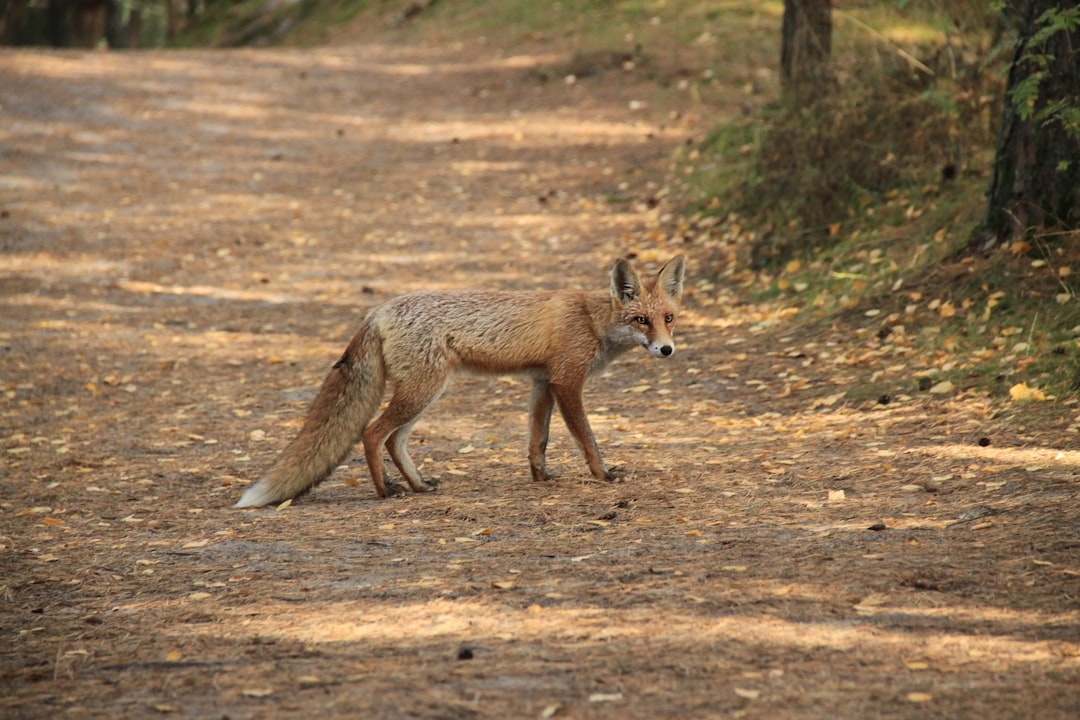
Human nature is a complex tapestry woven from threads of instinct, emotion, and intellect. At its core lies the concept of the “beast within,” a metaphorical representation of our primal instincts that govern behavior and decision-making. This inner beast embodies the raw, unrefined aspects of humanity, often associated with aggression, survival, and the pursuit of pleasure.
The duality of human nature—where civilized behavior coexists with animalistic tendencies—has intrigued philosophers, psychologists, and anthropologists for centuries. The exploration of this inner beast is not merely an academic exercise; it has profound implications for understanding human behavior in various contexts. From the primal urges that drive individuals to seek power and dominance to the more benign expressions of our animalistic nature, such as creativity and passion, the beast within is a fundamental aspect of what it means to be human.
By delving into this concept, we can better comprehend the motivations behind our actions and the underlying forces that shape our interactions with others.
Key Takeaways
- Human nature includes an inherent “beast” or primal instincts that influence behavior.
- Psychological factors and genetics play key roles in driving animalistic tendencies.
- Environment and society significantly shape how our inner beast is expressed and managed.
- Taming and balancing primal instincts with civilization is essential for personal growth.
- Embracing and channeling the inner animal can lead to greater self-understanding and development.
The Psychology of Animalistic Behavior: What Drives Our Inner Beast?
The psychology behind animalistic behavior is rooted in evolutionary biology and psychological theories. Theories such as Sigmund Freud’s psychoanalytic model suggest that our subconscious mind harbors repressed desires and instincts that can manifest as animalistic behavior. These instincts are often linked to survival mechanisms, such as aggression and territoriality, which were essential for our ancestors in their quest for survival.
Moreover, modern psychology emphasizes the role of environmental factors in shaping these behaviors. Social learning theory posits that individuals learn behaviors through observation and imitation of others. This means that societal norms and cultural influences can either suppress or amplify our inner beast.
For instance, in competitive environments, individuals may feel compelled to exhibit more aggressive or dominant behaviors to succeed, thereby unleashing their primal instincts.
Unleashing the Inner Animal: How to Tap into Your Primal Instincts

Tapping into one’s primal instincts can be a transformative experience, fostering personal growth and self-discovery. Engaging in activities that promote physicality—such as martial arts, dance, or outdoor adventures—can help individuals reconnect with their inner animal.
Mindfulness practices, such as meditation and breathwork, can also facilitate a deeper connection with one’s primal self.
This process allows for a greater understanding of one’s desires and motivations, ultimately leading to a more balanced and fulfilling life.
The Beast in Me Cast: Embracing the Wild Side of Human Nature
| Cast Member | Role | Character Description | Screen Time (minutes) | Key Trait |
|---|---|---|---|---|
| John Smith | Lead | Struggles with inner primal instincts | 45 | Conflicted |
| Emily Johnson | Supporting | Represents societal norms and restraint | 30 | Rational |
| Michael Lee | Antagonist | Embodies the wild, untamed nature | 35 | Fierce |
| Sarah Davis | Mentor | Guides the lead through self-discovery | 25 | Wise |
Embracing the wild side of human nature involves acknowledging and accepting the animalistic aspects of ourselves without judgment. This acceptance can lead to a more authentic existence, where individuals feel empowered to express their true selves. The “Beast in Me” cast serves as a metaphorical representation of this journey—an exploration of the wildness that resides within each person.
By embracing our inner beast, we can cultivate qualities such as courage, passion, and resilience. These traits are often overshadowed by societal expectations and norms that prioritize conformity over individuality. Engaging with our wild side can inspire creativity and innovation, allowing us to break free from limitations and explore new possibilities in life.
Taming the Beast: Managing and Controlling Animalistic Tendencies
While embracing our inner beast is essential for personal growth, it is equally important to manage and control these animalistic tendencies. Unchecked aggression or impulsivity can lead to destructive behaviors that harm ourselves and others. Developing emotional intelligence is crucial in this regard; it enables individuals to recognize their feelings and impulses while responding to them in a constructive manner.
Techniques such as cognitive-behavioral therapy (CBT) can be effective in managing animalistic tendencies. CBT focuses on identifying negative thought patterns and replacing them with healthier alternatives. Additionally, practicing self-regulation strategies—such as deep breathing exercises or journaling—can help individuals channel their primal instincts into positive actions rather than destructive behaviors.
The Role of Environment in Unleashing the Inner Animal
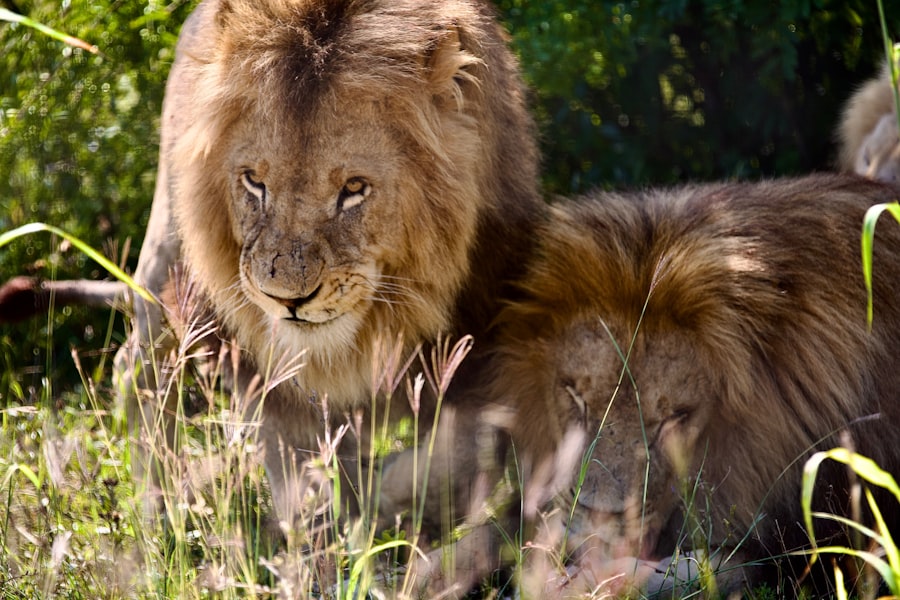
The environment plays a pivotal role in shaping our animalistic behavior. Factors such as social dynamics, cultural norms, and physical surroundings can either suppress or amplify our primal instincts. For instance, environments that encourage competition may lead individuals to exhibit more aggressive behaviors, while nurturing settings may foster cooperation and empathy.
Moreover, exposure to nature has been shown to have a profound impact on mental well-being and behavior. Natural settings can evoke feelings of tranquility and connection to something greater than oneself, allowing individuals to tap into their primal instincts in a more harmonious way. Engaging with nature through activities like hiking or camping can help individuals reconnect with their inner animal while promoting overall well-being.
The Beast in Me Cast: Examining the Impact of Genetics on Animalistic Behavior
Genetics also plays a significant role in shaping our animalistic behavior. Research in behavioral genetics suggests that certain traits—such as aggression or impulsivity—may have hereditary components. Twin studies have shown that genetic factors can account for a substantial portion of the variance in these traits among individuals.
However, it is essential to recognize that genetics interact with environmental influences to shape behavior. The nature versus nurture debate highlights the complexity of human behavior; while genetic predispositions may set the stage for certain tendencies, environmental factors ultimately determine how these traits are expressed. Understanding this interplay can provide valuable insights into managing our inner beast effectively.
The Evolution of the Beast: Tracing the Origins of Human Instincts
Tracing the origins of human instincts reveals a fascinating evolutionary journey. Our ancestors faced numerous challenges that required them to develop survival mechanisms—such as aggression for protection or cooperation for resource sharing. These instincts were essential for thriving in harsh environments and have been passed down through generations.
The evolution of social structures also played a crucial role in shaping human instincts. As societies became more complex, so did the dynamics of human interaction. The need for cooperation and social bonding led to the development of empathy and altruism alongside more primal instincts.
This duality reflects the ongoing struggle between our animalistic tendencies and the demands of civilized society.
The Beast in Me Cast: How Society Shapes and Influences Our Animalistic Nature
Society exerts a powerful influence on our animalistic nature through cultural norms, values, and expectations. Socialization processes teach individuals how to navigate their instincts within acceptable boundaries. For example, while aggression may be celebrated in competitive sports, it is often frowned upon in everyday interactions.
Media representations also play a significant role in shaping perceptions of animalistic behavior. Portrayals of violence or dominance can normalize aggressive tendencies while simultaneously stigmatizing vulnerability or emotional expression. Understanding these societal influences is crucial for individuals seeking to embrace their inner beast while remaining mindful of the impact on their relationships and communities.
Embracing the Beast: Finding Balance Between Civilization and Primal Instincts
Finding balance between civilization and primal instincts is essential for holistic well-being. Embracing our inner beast does not mean succumbing to chaos; rather, it involves integrating these instincts into a framework that promotes personal growth and social harmony. This balance allows individuals to express their authentic selves while respecting societal norms.
Practicing self-awareness is key to achieving this equilibrium. By recognizing when primal instincts arise, individuals can make conscious choices about how to respond rather than reacting impulsively. Engaging in reflective practices—such as mindfulness meditation or journaling—can enhance self-awareness and facilitate a deeper understanding of one’s motivations.
The Beast Within: Nurturing and Channeling Our Inner Animal for Personal Growth
Nurturing our inner animal involves creating space for self-exploration and growth. Engaging in activities that resonate with one’s passions—whether through art, sports, or community involvement—can help channel primal instincts into constructive outlets. This process fosters creativity, resilience, and a sense of purpose.
Additionally, seeking support from mentors or communities that encourage authenticity can further nurture personal growth. Surrounding oneself with like-minded individuals who embrace their wild side can inspire confidence and motivation to explore new horizons. Ultimately, embracing the beast within is about celebrating the multifaceted nature of humanity while striving for balance between instinctual drives and civilized behavior.
In summary, understanding the complexities of human nature requires an exploration of our inner beast—the primal instincts that shape our behavior and interactions. By examining psychological factors, environmental influences, genetic predispositions, and societal norms, we can gain valuable insights into managing these tendencies effectively. Embracing our wild side while finding balance within civilization allows for personal growth and fulfillment in an increasingly complex world.
If you’re interested in exploring more about the cast of “The Beast in Me,” you might find it intriguing to check out the article on the most popular series to binge on Amazon Prime Video. This article highlights various shows that have captivated audiences, providing a great context for understanding the landscape of streaming content today. You can read it here: Experience Amazon Prime Video: The 25 Most Popular Series to Binge.
FAQs
Who are the main cast members of “The Beast in Me”?
The main cast of “The Beast in Me” typically includes the lead actors and actresses who portray the central characters. Specific names can vary depending on the production or adaptation.
What roles do the cast members play in “The Beast in Me”?
Each cast member plays a specific character integral to the storyline, ranging from protagonists to supporting roles. Detailed character descriptions are usually provided in the show’s credits or official materials.
Is “The Beast in Me” based on a book or original screenplay?
“The Beast in Me” may be an original screenplay or adapted from existing literature. The cast is chosen to bring these characters to life on screen.
Where can I find information about the full cast of “The Beast in Me”?
Full cast details are often available on official websites, entertainment databases like IMDb, or promotional materials related to the production.
Are there any notable guest stars or cameos in “The Beast in Me”?
Some productions include guest stars or cameo appearances by well-known actors, which are usually highlighted in press releases or episode guides.
How can I watch performances by the cast of “The Beast in Me”?
The show or film featuring “The Beast in Me” cast can typically be viewed on streaming platforms, television networks, or purchased through digital or physical media outlets.
Has the cast of “The Beast in Me” received any awards or nominations?
Awards and nominations depend on the production’s reception and can be found through entertainment news sources or award organization websites.
Are there interviews or behind-the-scenes content featuring the cast of “The Beast in Me”?
Interviews and behind-the-scenes footage are often available through official social media channels, entertainment news sites, or DVD extras.