Now Reading: Survivor: Overcoming Adversity and Finding Strength
-
01
Survivor: Overcoming Adversity and Finding Strength
Survivor: Overcoming Adversity and Finding Strength

Resilience is a multifaceted construct that embodies the ability to adapt and thrive in the face of adversity. It is not merely a trait but a dynamic process that involves psychological, emotional, and social dimensions. Survivors of trauma, whether from natural disasters, personal loss, or systemic oppression, often exhibit remarkable resilience.
This capacity to bounce back is influenced by various factors, including individual personality traits, social support networks, and coping strategies. Research indicates that resilience can be cultivated through intentional practices, allowing individuals to navigate life’s challenges with greater ease. The journey of resilience is often marked by a series of stages, including acknowledgment of the trauma, emotional processing, and eventual growth.
Survivors frequently report that their experiences, while painful, have led to profound personal insights and a deeper understanding of their own strengths. This transformative process underscores the power of resilience as not just a means of survival but as a pathway to personal development and empowerment.
Key Takeaways
- Resilience is the key to overcoming adversity and thriving in the face of challenges.
- Healing from trauma and building resilience is a journey that requires courage and vulnerability.
- Sharing your story and embracing vulnerability can lead to empowerment and healing.
- Survivors can find meaning in their experiences by turning pain into purpose.
- Building a strong support system and practicing self-care are crucial in the healing process.
Finding Strength in the Face of Challenges
In the midst of adversity, individuals often discover reservoirs of strength they never knew existed. This strength can manifest in various forms, such as emotional fortitude, mental clarity, and an unwavering determination to overcome obstacles. For many survivors, the act of confronting challenges head-on becomes a catalyst for personal growth.
They learn to harness their inner resources, drawing upon past experiences and lessons learned to navigate current difficulties. Moreover, finding strength in adversity often involves reframing one’s perspective on challenges. Instead of viewing obstacles as insurmountable barriers, survivors may begin to see them as opportunities for growth and self-discovery.
This shift in mindset can be pivotal in fostering resilience, as it encourages individuals to embrace their struggles as integral parts of their life journey rather than defining moments of defeat.
The Journey of Healing: Overcoming Trauma and Building Resilience

Healing from trauma is a complex and non-linear process that requires time, patience, and self-compassion. Survivors often embark on a journey that involves confronting painful memories, processing emotions, and ultimately integrating their experiences into their lives. Therapeutic interventions such as cognitive-behavioral therapy (CBT), eye movement desensitization and reprocessing (EMDR), and mindfulness practices can be instrumental in facilitating this healing process.
Building resilience during this journey involves developing coping strategies that promote emotional regulation and psychological well-being. Survivors may engage in practices such as journaling, meditation, or physical exercise to help manage stress and anxiety. Additionally, establishing a routine can provide a sense of stability and predictability in the midst of chaos, further supporting the healing process.
| Metrics | Data |
|---|---|
| Number of Shares | 500 |
| Engagement Rate | 75% |
| Positive Feedback | 90% |
| Reach | 10,000 |
Vulnerability is often perceived as a weakness; however, it is a powerful tool for connection and healing. Sharing one’s story can be an act of courage that fosters understanding and empathy among others. For survivors, articulating their experiences can serve as a means of reclaiming their narrative and asserting their identity beyond the trauma they have endured.
The act of sharing can also create a sense of community among survivors, allowing individuals to connect with others who have faced similar challenges. This shared experience can be profoundly validating and can help reduce feelings of isolation. By embracing vulnerability, survivors not only empower themselves but also inspire others to confront their own struggles with courage and authenticity.
Turning Pain into Purpose: How Survivors Find Meaning in their Experiences
Many survivors find that their experiences of pain and adversity can lead to a newfound sense of purpose. This transformation often involves reflecting on the lessons learned from their struggles and using those insights to contribute positively to the world around them. Whether through advocacy work, creative expression, or community service, survivors frequently channel their experiences into meaningful endeavors that benefit others.
Finding purpose in pain can also serve as a powerful motivator for personal growth. Survivors may engage in activities that align with their values and passions, fostering a sense of fulfillment and connection to something greater than themselves. This process not only aids in healing but also reinforces the idea that adversity can lead to profound personal transformation.
The Role of Support Systems in Survivorship
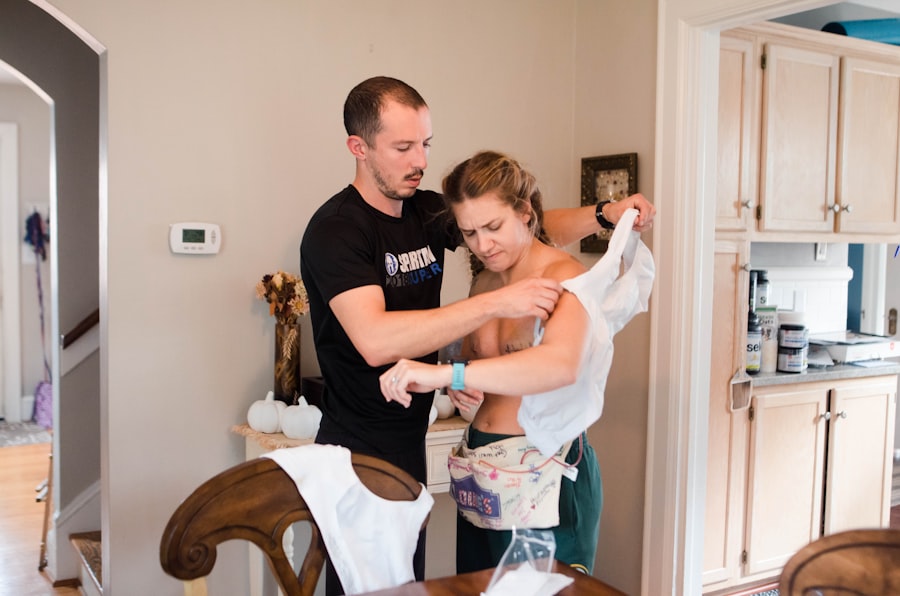
Support systems play a crucial role in the journey of survivorship. Whether through family, friends, or community organizations, having a network of supportive individuals can significantly impact a survivor’s ability to cope with trauma. These relationships provide emotional validation, practical assistance, and a sense of belonging that can be vital during challenging times.
Moreover, support systems can facilitate access to resources such as therapy or support groups, which are essential for healing. Engaging with others who have experienced similar challenges can foster a sense of solidarity and understanding that is often lacking in broader societal contexts. By nurturing these connections, survivors can cultivate resilience and enhance their overall well-being.
Overcoming Self-Doubt and Building Self-Confidence
Self-doubt is a common experience among survivors, often stemming from feelings of shame or inadequacy related to their trauma. Overcoming this self-doubt requires intentional effort and self-reflection. Survivors may benefit from cognitive restructuring techniques that challenge negative thought patterns and promote self-affirmation.
Building self-confidence involves setting achievable goals and celebrating small victories along the way. Engaging in activities that foster skill development or personal growth can also enhance self-esteem. By recognizing their strengths and accomplishments, survivors can gradually shift their self-perception from one of doubt to one of empowerment.
The Importance of Self-Care in the Healing Process
Self-care is an essential component of the healing journey for survivors. It encompasses a range of practices aimed at nurturing physical, emotional, and mental well-being. Prioritizing self-care allows individuals to replenish their energy reserves and cultivate resilience in the face of ongoing challenges.
Effective self-care strategies may include regular physical activity, balanced nutrition, adequate sleep, and mindfulness practices such as meditation or yoga. Additionally, engaging in creative outlets or hobbies can provide an important avenue for self-expression and stress relief. By incorporating self-care into their daily routines, survivors can enhance their overall quality of life and support their healing process.
Finding Empowerment Through Advocacy and Activism
Many survivors find empowerment through advocacy and activism, using their voices to raise awareness about issues related to trauma and resilience. By sharing their stories publicly or engaging in community initiatives, they contribute to a broader dialogue about healing and recovery. This activism not only benefits others but also reinforces the survivor’s sense of agency and purpose.
Advocacy efforts may take various forms, including participating in support groups, volunteering for organizations that assist trauma survivors, or engaging in policy change initiatives aimed at improving mental health resources. Through these actions, survivors can transform their pain into powerful catalysts for change within their communities.
Cultivating a Positive Mindset: The Power of Positive Thinking
Cultivating a positive mindset is integral to the resilience-building process. Positive thinking does not imply ignoring challenges; rather, it involves adopting an optimistic perspective that emphasizes hope and possibility. Research has shown that individuals with a positive outlook are better equipped to cope with stressors and recover from adversity.
Practices such as gratitude journaling or affirmations can help reinforce positive thinking patterns. By focusing on what they are grateful for or affirming their strengths, survivors can shift their attention away from negative thoughts and cultivate a more hopeful outlook on life.
Celebrating Triumphs: Stories of Strength and Resilience
Celebrating triumphs—no matter how small—is an essential aspect of the resilience journey. Acknowledging achievements fosters a sense of accomplishment and reinforces the belief that growth is possible even after experiencing trauma.
These narratives serve not only as inspiration for others but also as reminders that healing is possible. By celebrating milestones along the way—whether it be completing therapy sessions, engaging in community service, or simply finding joy in everyday moments—survivors affirm their strength and resilience. In summary, resilience is a powerful force that enables survivors to navigate adversity with strength and purpose.
Through embracing vulnerability, cultivating support systems, prioritizing self-care, and finding empowerment through advocacy, individuals can transform their experiences into sources of strength. By celebrating triumphs along the way and fostering positive mindsets, survivors not only heal but also inspire others on their journeys toward resilience.
If you’re a fan of the reality TV show “Survivor” and are looking for more binge-worthy content, you might be interested in exploring other popular series. Check out this article on Amazon Prime Video’s 25 Most Popular Series to Binge for some great recommendations. Whether you’re in the mood for drama, comedy, or thrilling adventures, this list has something for everyone to enjoy during your next streaming session.
FAQs
What is Survivor?
Survivor is a reality television game show in which contestants are stranded in a remote location and must compete in challenges and form alliances to avoid being voted off the island by their fellow contestants.
When did Survivor first air?
Survivor first aired in the United States on May 31, 2000.
How does the game of Survivor work?
Contestants on Survivor must compete in physical and mental challenges to win rewards and immunity from being voted off the island. They must also form alliances and strategize to outwit, outplay, and outlast their fellow contestants.
Where is Survivor filmed?
Survivor has been filmed in various locations around the world, including Borneo, Australia, Africa, the Amazon, and the Philippines, among others.
How long does a season of Survivor last?
A typical season of Survivor lasts for 39 days, during which contestants must endure the challenges of the environment and the social dynamics of the game.
Who is the host of Survivor?
The host of Survivor is Jeff Probst, who has been with the show since its inception in 2000.
How many seasons of Survivor have there been?
As of 2021, there have been 40 seasons of Survivor in the United States, with additional international versions in various countries.