Now Reading: Squamous Cells: Understanding Their Role in Human Health
-
01
Squamous Cells: Understanding Their Role in Human Health
Squamous Cells: Understanding Their Role in Human Health
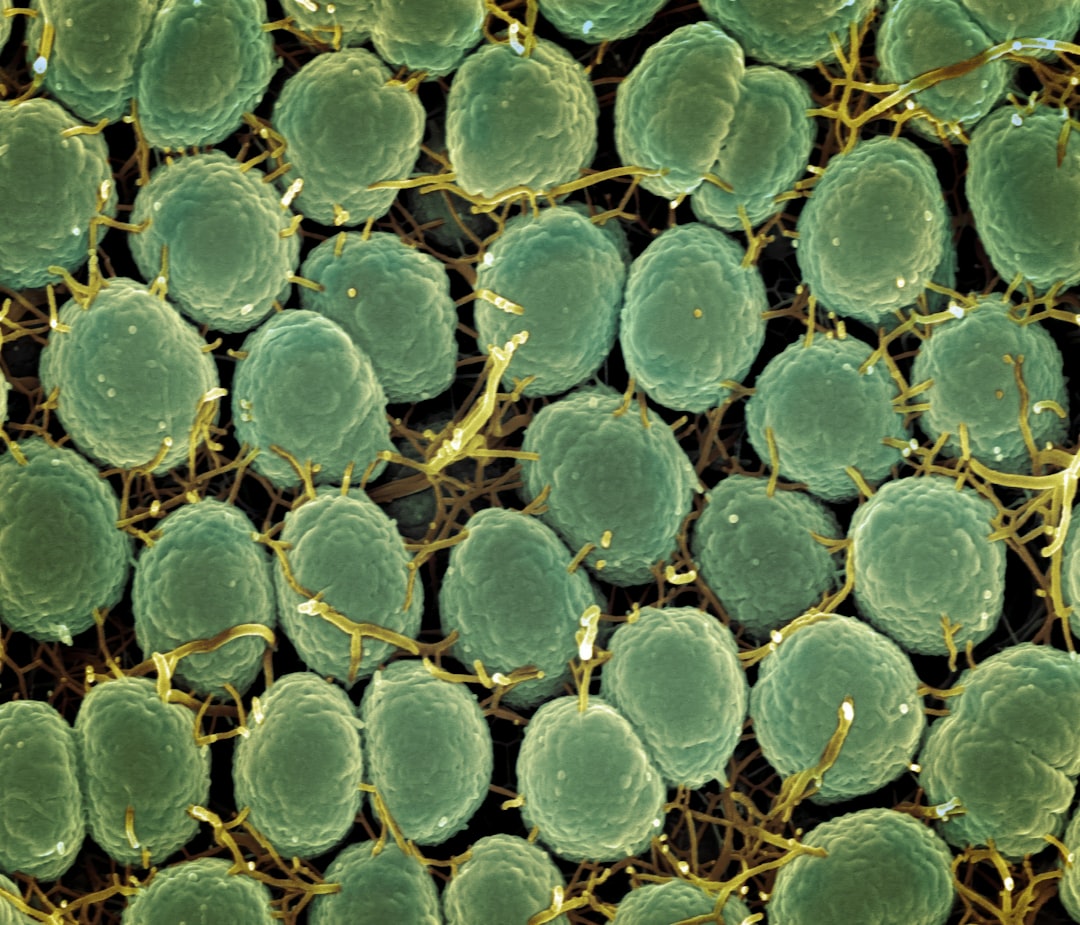
Squamous cells are a type of epithelial cell characterized by their flat, scale-like shape. These cells play a crucial role in various physiological processes and are integral to the structure and function of numerous tissues throughout the human body. Their primary function is to provide a protective barrier, safeguarding underlying tissues from mechanical injury, pathogens, and dehydration.
Understanding squamous cells is essential for comprehending their contributions to health and disease, particularly in areas such as skin integrity and respiratory function. The significance of squamous cells extends beyond mere structural support; they are involved in critical biological processes such as absorption, secretion, and sensation. Their unique morphology allows them to form effective barriers while facilitating the exchange of substances.
This article delves into the intricate world of squamous cells, exploring their structure, distribution, and vital roles in maintaining human health.
Key Takeaways
- Squamous cells are flat, scale-like cells found in various parts of the human body.
- They play a crucial role in protecting and maintaining the health of the skin and respiratory system.
- Squamous cell carcinoma is a type of cancer that can develop from squamous cells.
- Diagnostic techniques for squamous cell disorders include biopsies and imaging tests.
- Lifestyle tips such as avoiding excessive sun exposure and quitting smoking can help maintain healthy squamous cells.
Structure and Function of Squamous Cells
Squamous cells are distinguished by their thin, flattened appearance, which maximizes surface area while minimizing volume. This unique morphology is essential for their primary functions, which include protection, absorption, and secretion. The cytoplasm of squamous cells contains organelles that facilitate metabolic activities, while the cell membrane is rich in proteins that contribute to cell adhesion and communication.
The primary function of squamous cells is to form a protective layer over various surfaces. In the skin, for instance, they constitute the outermost layer known as the epidermis. This layer acts as a barrier against environmental insults, including pathogens and harmful chemicals.
Their ability to undergo rapid turnover ensures that damaged or dead cells are efficiently replaced, maintaining tissue integrity.
Distribution of Squamous Cells in the Human Body

Squamous cells are widely distributed throughout the human body, found in various organs and systems. They primarily reside in areas that require protection from external factors or where rapid absorption is necessary. The most notable locations include the skin, lining of the mouth, esophagus, and respiratory tract.
In the skin, squamous cells form the epidermis, which is composed of several layers that provide a robust barrier against environmental threats. In the oral cavity and esophagus, these cells facilitate the passage of food while protecting underlying tissues from abrasion. In the respiratory system, squamous epithelial cells line the airways, contributing to mucosal defense mechanisms that trap inhaled particles and pathogens.
Importance of Squamous Cells in Skin Health
| Aspect | Importance |
|---|---|
| Protection | Squamous cells form the outermost layer of the skin, providing a barrier against environmental factors such as UV radiation, pathogens, and pollutants. |
| Moisture retention | These cells help to retain moisture in the skin, preventing dehydration and maintaining skin elasticity. |
| Regeneration | Squamous cells play a key role in the regeneration of the skin, replacing old and damaged cells with new ones to maintain skin health. |
| Immune function | They contribute to the skin’s immune function by detecting and responding to potential threats, helping to protect the body from infections and diseases. |
The health of squamous cells is paramount for maintaining skin integrity and function. As the outermost layer of the skin, squamous cells play a critical role in protecting against UV radiation, pathogens, and physical injuries.
When squamous cells are compromised due to factors such as UV exposure or environmental pollutants, it can lead to various skin disorders. Conditions like psoriasis or eczema can arise from dysregulation of squamous cell proliferation and differentiation. Therefore, maintaining healthy squamous cells is vital for preventing skin diseases and ensuring optimal skin function.
Role of Squamous Cells in Respiratory Health
In the respiratory system, squamous cells are integral to maintaining airway health and function. They line the trachea and bronchi, where they contribute to mucociliary clearance—a mechanism that traps inhaled particles and pathogens in mucus and expels them from the airways. This protective function is crucial for preventing respiratory infections and maintaining clear air passages.
Moreover, squamous cells in the lungs can undergo pathological changes due to chronic exposure to irritants such as tobacco smoke or environmental pollutants. These changes can lead to conditions like chronic obstructive pulmonary disease (COPD) or lung cancer. Understanding the role of squamous cells in respiratory health is essential for developing strategies to prevent and treat these diseases effectively.
Squamous Cell Carcinoma: Understanding the Cancerous Growth
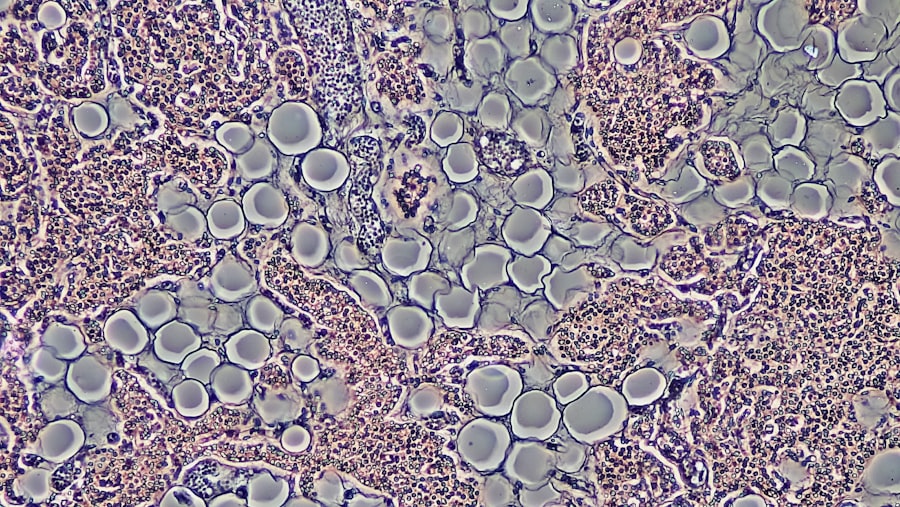
Squamous cell carcinoma (SCC) is a malignant neoplasm arising from squamous epithelial cells. It is one of the most common types of skin cancer and can also occur in other areas lined by squamous epithelium, such as the lungs and esophagus. SCC typically develops due to prolonged exposure to ultraviolet radiation, leading to DNA damage in squamous cells.
The clinical presentation of SCC can vary widely, ranging from a persistent sore that does not heal to a raised, scaly lesion. Early detection is crucial for effective treatment; therefore, individuals should be vigilant about changes in their skin or mucosal surfaces. Risk factors for SCC include fair skin, a history of sunburns, immunosuppression, and exposure to carcinogenic substances.
Diagnostic Techniques for Squamous Cell Disorders
Diagnosing disorders related to squamous cells involves a combination of clinical evaluation and advanced diagnostic techniques. A thorough physical examination is often the first step in identifying abnormalities such as lesions or growths on the skin or mucosal surfaces. Dermatologists may utilize dermatoscopy to enhance visualization of skin lesions.
For suspected cases of SCC or other malignancies, a biopsy is typically performed to obtain tissue samples for histopathological examination. This allows pathologists to assess cellular morphology and determine whether malignancy is present. Imaging studies such as X-rays or CT scans may also be employed to evaluate the extent of disease spread in cases of suspected SCC in internal organs.
Treatment Options for Squamous Cell Disorders
Treatment options for squamous cell disorders vary depending on the specific condition and its severity. For non-malignant conditions such as psoriasis or eczema, topical corticosteroids or immunomodulators may be prescribed to reduce inflammation and promote healing. In cases of SCC, treatment modalities include surgical excision, cryotherapy, radiation therapy, and topical chemotherapeutic agents.
Surgical excision remains the gold standard for localized SCC, aiming to remove cancerous tissue while preserving surrounding healthy structures. Mohs micrographic surgery is a specialized technique that allows for precise removal of cancerous cells while minimizing damage to adjacent tissues. For advanced cases or those with metastasis, systemic therapies such as chemotherapy or targeted therapies may be indicated.
Research and Advancements in Understanding Squamous Cells
Ongoing research into squamous cells has led to significant advancements in understanding their biology and pathology. Studies focusing on molecular pathways involved in squamous cell proliferation and differentiation have provided insights into potential therapeutic targets for conditions like SCAdditionally, research into biomarkers for early detection of malignancies has shown promise in improving patient outcomes. Innovative approaches such as gene therapy and immunotherapy are being explored as potential treatments for squamous cell disorders.
These advancements hold great promise for enhancing treatment efficacy while minimizing side effects associated with traditional therapies.
Lifestyle Tips for Maintaining Healthy Squamous Cells
Maintaining healthy squamous cells requires a multifaceted approach that includes lifestyle modifications aimed at reducing risk factors associated with skin and respiratory disorders. Key strategies include: 1. **Sun Protection**: Regular use of broad-spectrum sunscreen with an SPF of 30 or higher can protect against UV-induced damage.
2.
**Avoiding Tobacco**: Quitting smoking significantly reduces the risk of developing SCC in both skin and lung tissues.
3. **Healthy Diet**: A diet rich in antioxidants—found in fruits and vegetables—can support cellular health.
4. **Hydration**: Adequate water intake helps maintain skin hydration and overall cellular function.
5.
**Regular Check-ups**: Routine dermatological examinations can facilitate early detection of abnormal lesions.
The Importance of Squamous Cells in Human Health
In summary, squamous cells are fundamental components of various tissues throughout the human body, playing critical roles in protection, absorption, and secretion. Their health is vital for maintaining skin integrity and respiratory function while also serving as a focal point in understanding various diseases such as squamous cell carcinoma. Ongoing research continues to unveil new insights into their biology and pathology, paving the way for innovative treatment options.
By adopting preventive measures and promoting healthy lifestyles, individuals can support their squamous cell health and reduce the risk of associated disorders. Ultimately, recognizing the importance of these cells underscores their integral role in overall human health and well-being.
If you’re looking for a break from binge-watching your favorite series on Amazon Prime Video, you might want to take a moment to read about the importance of remembering Memorial Day 2023 and honoring our heroes. Check out the article here to learn more about the significance of this day and how we can pay tribute to those who have served our country.
FAQs
What is squamous?
Squamous refers to a type of epithelial cell that is flat and scale-like in appearance. These cells are found in the skin, the lining of the mouth, throat, esophagus, and other organs.
What are squamous cell carcinomas?
Squamous cell carcinomas are a type of skin cancer that develops in the squamous cells. They are often found on areas of the skin that are frequently exposed to the sun, such as the face, ears, neck, and hands.
What are the functions of squamous cells?
Squamous cells serve as a protective barrier in the body, helping to prevent infection and injury. They also play a role in the exchange of gases in the lungs and the absorption of nutrients in the digestive tract.
What are some common diseases associated with squamous cells?
Some common diseases associated with squamous cells include squamous cell carcinoma, which is a type of skin cancer, and squamous cell carcinoma of the lung, which is a type of lung cancer.
How are squamous cell carcinomas treated?
Treatment for squamous cell carcinomas may include surgical removal of the cancerous cells, radiation therapy, and chemotherapy. The specific treatment plan will depend on the location and stage of the cancer.