Now Reading: SpaceX: Revolutionizing Space Exploration
-
01
SpaceX: Revolutionizing Space Exploration
SpaceX: Revolutionizing Space Exploration
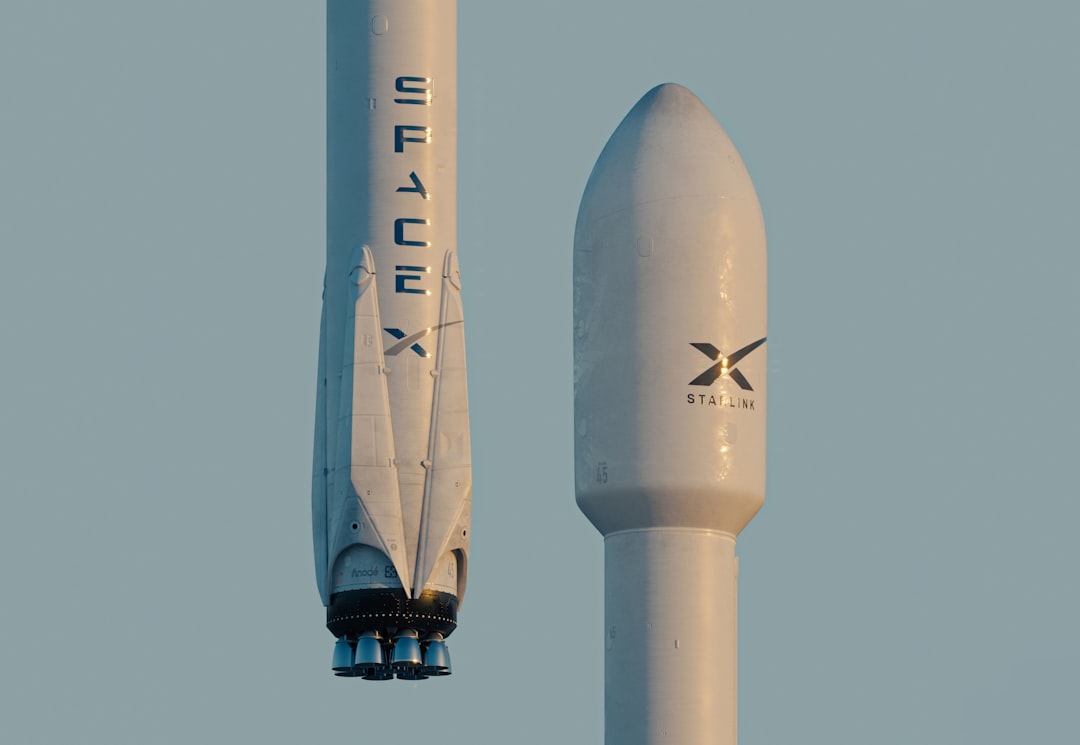
SpaceX, founded by Elon Musk in 2002, has a transformative vision: to make space travel accessible to humanity. This ambitious goal is rooted in the belief that the future of humanity lies beyond Earth. Musk envisions a multi-planetary existence, where humans can thrive on other celestial bodies, particularly Mars.
The company’s mission is not merely to launch satellites or resupply the International Space Station (ISS); it aims to revolutionize the entire space industry by reducing costs and increasing the frequency of space travel. The vision extends beyond mere exploration; it encompasses the democratization of space. By developing reusable rocket technology, SpaceX has significantly lowered the cost of launching payloads into orbit.
This innovation opens the door for a myriad of possibilities, including commercial space travel, scientific research, and even tourism. The overarching goal is to create a sustainable human presence in space, ensuring that future generations can explore and inhabit other worlds.
Key Takeaways
- SpaceX aims to make space travel more accessible and affordable through innovative rocket technology.
- Founded by Elon Musk, SpaceX transformed ambitious space concepts into operational reality.
- The company has achieved numerous successful missions, including reusable rocket landings.
- SpaceX is pioneering plans for Mars colonization, shaping the future of interplanetary exploration.
- Collaborations with NASA and overcoming technical challenges have solidified SpaceX’s leadership in the space industry.
The Founding of SpaceX: From Concept to Reality
The inception of SpaceX was driven by Musk’s desire to reduce the cost of space travel and make it more accessible. After witnessing the high expenses associated with traditional aerospace companies, he recognized a gap in the market for a private entity focused on innovation and efficiency. In March 2002, Musk founded Space Exploration Technologies Corp., or SpaceX, with an initial investment of $7 million.
The early years were fraught with challenges as the company sought to develop its first rocket, the Falcon 1. The journey from concept to reality was marked by several failures, including three unsuccessful launches between 2006 and 2008. However, perseverance paid off when Falcon 1 successfully reached orbit on its fourth attempt in July 2008.
This milestone not only validated Musk’s vision but also established SpaceX as a serious contender in the aerospace industry.
The Innovations of SpaceX: Advancements in Rocket Technology
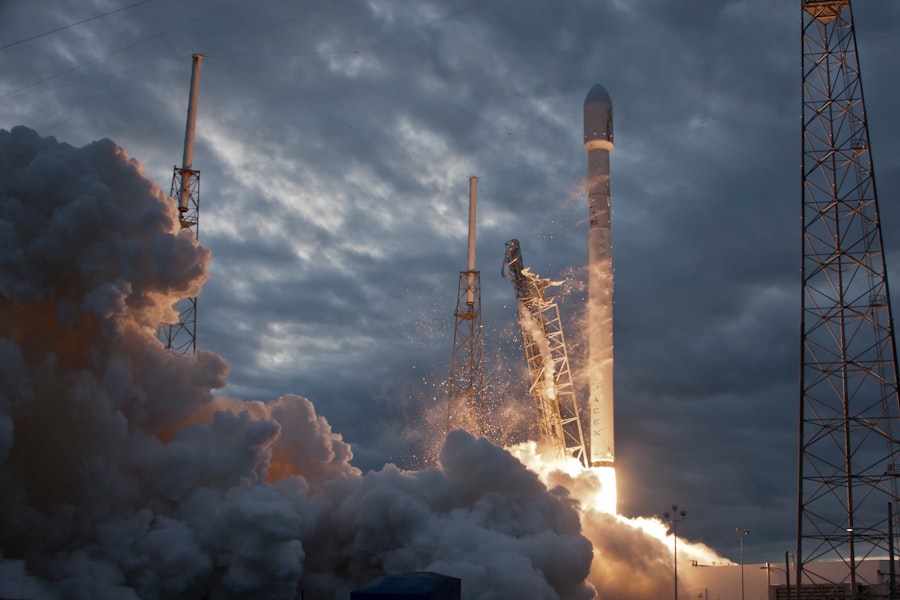
SpaceX has pioneered several groundbreaking innovations that have redefined rocket technology. One of the most significant advancements is the development of reusable rockets. Traditionally, rockets were single-use, leading to exorbitant costs for each launch.
SpaceX’s Falcon 9 rocket features a first stage that can return to Earth and land vertically after launch, allowing it to be refurbished and reused multiple times. This innovation has drastically reduced launch costs and increased the frequency of missions. Another notable advancement is the integration of advanced materials and manufacturing techniques.
SpaceX employs a combination of carbon fiber composites and aluminum alloys to construct its rockets, resulting in lighter and more durable structures. Additionally, the company utilizes 3D printing technology for various components, streamlining production processes and enhancing precision. These innovations not only improve performance but also contribute to the overall sustainability of space travel.
The Achievements of SpaceX: Successful Missions and Landings
SpaceX has achieved numerous milestones that underscore its position as a leader in the aerospace sector.
Following this achievement, the Falcon 9 rocket has completed over 100 missions since its debut in 2010, including resupply missions to the ISS and launching commercial satellites.
One of the most remarkable accomplishments is the successful landing of the Falcon 9 first stage on solid ground and drone ships at sea. This feat was first achieved in December 2015 and has since become a routine aspect of SpaceX operations. The ability to recover and reuse rocket stages has not only revolutionized cost structures but has also set new standards for sustainability in space exploration.
The Impact of SpaceX: Changing the Landscape of Space Exploration
| Metric | Value | Notes |
|---|---|---|
| Founded | 2002 | By Elon Musk |
| Headquarters | Hawthorne, California, USA | |
| Number of Launches | Over 200 | As of mid-2024 |
| Successful Landings | Over 150 | First stage boosters |
| Rocket Types | Falcon 1, Falcon 9, Falcon Heavy, Starship | Falcon 1 retired |
| Starship Status | In development/testing | Designed for Mars missions |
| Crewed Missions | Multiple | Part of NASA’s Commercial Crew Program |
| Starlink Satellites Launched | Over 4000 | Global broadband internet constellation |
| Employees | Approximately 12,000 | As of 2024 |
The impact of SpaceX on the landscape of space exploration is profound and far-reaching. By demonstrating that private companies can successfully conduct space missions, SpaceX has inspired a new wave of entrepreneurial ventures in the aerospace sector. This shift has led to increased competition, innovation, and investment in space technologies.
Moreover, SpaceX’s collaboration with NASA has redefined public-private partnerships in space exploration. The Commercial Crew Program, which aims to transport astronauts to and from the ISS, exemplifies this collaboration. By providing reliable transportation services, SpaceX has alleviated NASA’s reliance on foreign spacecraft, enhancing national security and fostering technological advancements.
The Future of SpaceX: Plans for Mars Colonization
Looking ahead, SpaceX’s ambitions extend far beyond Earth’s orbit. The company is actively developing the Starship spacecraft, designed for deep-space missions and interplanetary travel. Starship aims to facilitate human colonization of Mars, with plans for crewed missions as early as the mid-2020s.
Musk envisions establishing a self-sustaining city on Mars by utilizing local resources for construction and life support systems. This ambitious plan includes developing technologies for in-situ resource utilization (ISRU), which would allow astronauts to produce fuel, water, and oxygen from Martian materials. The long-term goal is to create a thriving human presence on Mars, ensuring humanity’s survival as a multi-planetary species.
The Competition for SpaceX: Other Players in the Space Industry
While SpaceX has established itself as a dominant force in the aerospace industry, it faces competition from several other players. Companies like Blue Origin, founded by Jeff Bezos, are also pursuing ambitious goals in space exploration and tourism. Blue Origin’s New Shepard suborbital vehicle aims to provide commercial space tourism experiences, while its New Glenn rocket is designed for orbital launches.
Additionally, traditional aerospace giants such as Boeing and Lockheed Martin continue to play significant roles in space exploration through their partnerships with NASA and other government agencies. These companies are investing heavily in new technologies and capabilities to remain competitive in an evolving market.
The Challenges of SpaceX: Overcoming Setbacks and Failures
Despite its successes, SpaceX has encountered numerous challenges along its journey. The early failures of Falcon 1 tested the resilience of the company and its team. Each setback provided valuable lessons that informed subsequent designs and operational strategies.
More recently, the development of Starship has faced its own set of challenges, including regulatory hurdles and technical difficulties during testing phases. However, SpaceX’s iterative approach—rapid prototyping and testing—has allowed it to learn from failures quickly and make necessary adjustments. This agile methodology is crucial for overcoming obstacles and achieving long-term goals.
The Leadership of SpaceX: Elon Musk and the Team Behind the Company
Elon Musk’s leadership style is characterized by his relentless pursuit of innovation and his willingness to take risks. His vision for SpaceX is driven by a deep-seated belief in humanity’s potential to explore beyond Earth. Musk fosters a culture of creativity and collaboration within the company, encouraging employees to think outside the box and challenge conventional wisdom.
The team at SpaceX comprises some of the brightest minds in engineering and technology. Their collective expertise spans various disciplines, enabling them to tackle complex challenges effectively. This collaborative environment has been instrumental in driving advancements in rocket technology and achieving ambitious milestones.
The Collaborations of SpaceX: Working with NASA and Other Organizations
SpaceX’s collaborations with NASA have been pivotal in advancing space exploration efforts. The Commercial Crew Program exemplifies this partnership, allowing SpaceX to develop Crew Dragon spacecraft for transporting astronauts to the ISS. This collaboration not only enhances NASA’s capabilities but also demonstrates the effectiveness of public-private partnerships in achieving shared goals.
In addition to NASA, SpaceX collaborates with various organizations across different sectors, including telecommunications companies for satellite launches and international space agencies for joint missions. These partnerships expand opportunities for innovation and contribute to a more interconnected global approach to space exploration.
The Legacy of SpaceX: Influencing the Future of Space Travel
The legacy of SpaceX is already shaping the future of space travel in profound ways. By demonstrating that private companies can successfully conduct complex missions, SpaceX has paved the way for a new era of commercial spaceflight. Its innovations have set new standards for cost efficiency and sustainability, influencing how future missions will be planned and executed.
Moreover, SpaceX’s vision for interplanetary colonization inspires a generation of scientists, engineers, and dreamers who aspire to explore beyond our planet. As humanity stands on the brink of becoming a multi-planetary species, SpaceX’s contributions will undoubtedly leave an indelible mark on the history of space exploration. In summary, SpaceX has revolutionized space travel through its innovative technologies, successful missions, and ambitious vision for humanity’s future beyond Earth.
With plans for Mars colonization on the horizon and ongoing collaborations with various organizations, SpaceX continues to shape the landscape of space exploration while inspiring future generations to reach for the stars.
SpaceX continues to make headlines with its ambitious plans for space exploration and satellite deployment. As the company pushes the boundaries of technology, it’s essential to stay informed about various aspects of life that can impact our future, including legal considerations. For those looking to navigate the complexities of legal needs in the coming years, you might find this article helpful: How to Choose a Lawyer for Your Needs in 2025. Understanding these elements can be crucial as we venture into an era where space travel becomes more commonplace.
FAQs
What is SpaceX?
SpaceX, or Space Exploration Technologies Corp., is an American aerospace manufacturer and space transportation company founded by Elon Musk in 2002. It aims to reduce space transportation costs and enable the colonization of Mars.
What are some of SpaceX’s major achievements?
SpaceX has achieved several milestones, including the first privately-funded spacecraft to reach orbit (Falcon 1), the first privately-funded company to send a spacecraft to the International Space Station (Dragon), and the development of the reusable Falcon 9 rocket. It also launched the Starship prototype for deep space missions.
What rockets does SpaceX currently use?
SpaceX primarily uses the Falcon 9 rocket for satellite launches and cargo missions to the ISS. It also uses the Falcon Heavy, a heavy-lift rocket, and is developing the Starship spacecraft for future missions to the Moon, Mars, and beyond.
What is the Starship program?
Starship is SpaceX’s fully reusable spacecraft designed for missions to Mars, the Moon, and other destinations. It consists of two stages: the Super Heavy booster and the Starship spacecraft. The program aims to enable large-scale space travel and colonization.
How does SpaceX contribute to the International Space Station (ISS)?
SpaceX provides cargo resupply missions to the ISS using its Dragon spacecraft launched on Falcon 9 rockets. It also developed the Crew Dragon capsule, which transports astronauts to and from the ISS as part of NASA’s Commercial Crew Program.
What is the significance of SpaceX’s reusable rockets?
Reusable rockets significantly reduce the cost of access to space by allowing the first stage of the Falcon 9 and Falcon Heavy rockets to land and be flown multiple times. This innovation has transformed the economics of spaceflight.
Does SpaceX offer commercial satellite launches?
Yes, SpaceX provides commercial satellite launch services for a variety of customers, including private companies, governments, and international organizations, using its Falcon 9 and Falcon Heavy rockets.
What is Starlink?
Starlink is SpaceX’s satellite internet constellation project designed to provide high-speed broadband internet globally, especially in underserved and remote areas. It involves deploying thousands of small satellites in low Earth orbit.
Where is SpaceX headquartered?
SpaceX is headquartered in Hawthorne, California, United States.
What are SpaceX’s future goals?
SpaceX aims to enable human colonization of Mars, develop fully reusable spacecraft, expand its Starlink internet service, and continue advancing space technology to make space travel more affordable and accessible.