Now Reading: Severe Thunderstorm Warning: Be Prepared for Extreme Weather
-
01
Severe Thunderstorm Warning: Be Prepared for Extreme Weather
Severe Thunderstorm Warning: Be Prepared for Extreme Weather
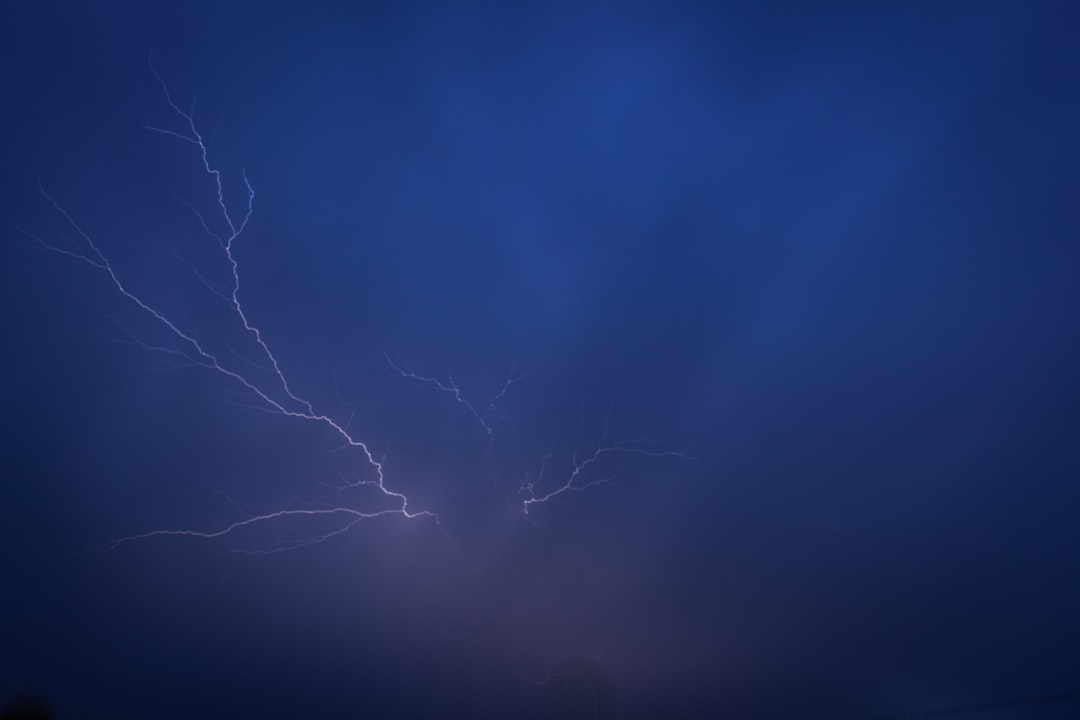
Severe thunderstorms are meteorological phenomena characterized by intense rainfall, strong winds, hail, and sometimes tornadoes. The National Weather Service (NWS) issues a Severe Thunderstorm Warning when conditions are favorable for the development of such storms, or when a storm is already producing severe weather. These warnings are crucial for public safety, as they provide timely alerts that can save lives and minimize property damage.
The criteria for issuing a warning typically include wind gusts exceeding 58 miles per hour and/or hail larger than one inch in diameter. Understanding the implications of a Severe Thunderstorm Warning is essential for preparedness. The warning indicates that severe weather is imminent or occurring in your area, necessitating immediate action.
It is important to differentiate between a watch and a warning; a watch means conditions are favorable for severe weather, while a warning signifies that severe weather is happening or will occur shortly. Awareness of these distinctions can significantly enhance your response to impending storms.
Key Takeaways
- Severe thunderstorm warnings indicate the potential for dangerous weather conditions, including strong winds, hail, and lightning.
- Signs of a severe thunderstorm include dark clouds, strong winds, and frequent lightning.
- Safety precautions during a severe thunderstorm include seeking shelter indoors, staying away from windows, and avoiding electrical appliances.
- Creating an emergency plan for severe weather involves identifying safe locations in your home and establishing a communication plan with family members.
- Protecting your home during a severe thunderstorm can be done by securing outdoor furniture, trimming trees, and reinforcing windows and doors.
Signs and Symptoms of a Severe Thunderstorm
Recognizing the signs of an impending severe thunderstorm can be vital for ensuring safety. Common indicators include darkening skies, an increase in wind speed, and the presence of cumulonimbus clouds, which are towering clouds associated with thunderstorms. Additionally, a sudden drop in temperature may occur as the storm approaches, accompanied by an eerie calmness that can precede the onset of severe weather.
Other symptoms to be aware of include the sound of thunder, which can range from a low rumble to a sharp crack, and the sight of lightning illuminating the sky. Hail may also be observed falling from the clouds, often accompanied by heavy rain. If you notice these signs, it is crucial to take immediate precautions and seek shelter.
Safety Precautions to Take During a Severe Thunderstorm

When a Severe Thunderstorm Warning is issued, taking appropriate safety precautions is paramount. First and foremost, seek shelter indoors, preferably in a basement or an interior room away from windows. This minimizes the risk of injury from flying debris or shattered glass.
If you are in a mobile home or temporary structure, evacuate to a more secure building. It is also advisable to avoid using electrical appliances and landline telephones during a storm, as lightning strikes can cause power surges and electrical fires. Instead, utilize battery-operated devices for communication and information gathering.
Additionally, stay tuned to local weather updates via radio or mobile apps to remain informed about the storm’s progression and any further warnings.
Creating an Emergency Plan for Severe Weather
| Severe Weather Event | Emergency Plan | Key Metrics |
|---|---|---|
| Tornado | Seek shelter in a basement or interior room | Number of tornado drills conducted annually |
| Hurricane | Evacuation plan and secure property | Evacuation time in hours |
| Flood | Move to higher ground and turn off utilities | Number of flood response teams available |
An effective emergency plan is essential for navigating severe weather events. Begin by identifying safe locations within your home where family members can gather during a storm. Designate a primary shelter area, such as a basement or an interior room on the lowest floor, and ensure that all family members are familiar with this location.
Next, establish communication protocols. Designate an out-of-area contact person who can relay information if family members become separated during the storm. Additionally, prepare an emergency kit containing essential supplies such as water, non-perishable food, flashlights, batteries, first aid supplies, and any necessary medications.
Regularly review and update your emergency plan to ensure its effectiveness.
Protecting Your Home and Property During a Severe Thunderstorm
Protecting your home and property from severe thunderstorms requires proactive measures. Start by securing outdoor items that could become projectiles in high winds, such as patio furniture, garden tools, and decorations. If possible, trim trees and remove dead branches that could fall on your home during a storm.
Consider installing storm shutters or reinforcing windows with plywood to prevent breakage from hail or debris. Additionally, ensure that your roof is in good condition and free from leaks. If you live in an area prone to flooding, evaluate your drainage systems and consider investing in sandbags or other flood barriers to protect your property.
What to Do If You’re Caught Outside During a Severe Thunderstorm

If you find yourself caught outside during a severe thunderstorm, your immediate priority should be finding shelter. Look for sturdy buildings or vehicles to protect yourself from wind and hail. Avoid seeking shelter under trees, as they can be struck by lightning or topple over in high winds.
If no shelter is available, crouch down in a low-lying area away from water and cover your head with your arms to protect against flying debris. Stay as low to the ground as possible while avoiding contact with metal objects. If you are in an open field, avoid standing on elevated ground and seek the lowest point available.
Preparing Your Car for Severe Weather
Preparing your vehicle for severe weather is crucial for ensuring safety while traveling during storms. Start by keeping your gas tank at least half full to avoid running out of fuel if you need to evacuate. Additionally, ensure that your tires are properly inflated and in good condition to maintain traction on wet roads.
Pack an emergency kit in your car that includes items such as water, non-perishable snacks, a flashlight, blankets, and a first aid kit. Familiarize yourself with your vehicle’s features, including windshield wipers and defrosters, to ensure optimal visibility during heavy rain. Lastly, avoid driving during severe thunderstorms whenever possible; if you must travel, stay alert for changing weather conditions.
How to Stay Informed During a Severe Thunderstorm
Staying informed during severe thunderstorms is essential for making timely decisions regarding safety. Utilize multiple sources of information to receive updates on weather conditions. Local news stations often provide real-time coverage of severe weather events through television broadcasts and online platforms.
In addition to traditional media outlets, consider downloading weather apps that offer push notifications for severe weather alerts specific to your location. NOAA Weather Radio is another reliable source for continuous weather updates and emergency information. Ensure that your devices are charged and ready for use during storms.
Helping Children and Pets Stay Safe During a Severe Thunderstorm
Ensuring the safety of children and pets during severe thunderstorms requires preparation and communication. Explain the importance of seeking shelter during storms to children in an age-appropriate manner. Practice emergency drills so they know what to do when a warning is issued.
For pets, create a safe space within your home where they can feel secure during storms. This may include providing their favorite toys or blankets in a designated area away from windows. Keep leashes handy in case you need to take them outside quickly if conditions worsen.
After the Storm: Cleaning Up and Assessing Damage
Once the storm has passed, it is crucial to assess any damage to your property carefully. Begin by inspecting your home for structural damage or leaks before entering any affected areas. If you notice downed power lines or gas leaks, contact local authorities immediately and avoid attempting repairs yourself.
Document any damage with photographs for insurance purposes before beginning repairs. If flooding has occurred, ensure that you take necessary precautions against mold growth by drying out affected areas promptly.
Resources for Additional Information and Assistance
Numerous resources are available for individuals seeking additional information about severe thunderstorms and related safety measures. The National Weather Service (NWS) provides comprehensive resources on weather alerts and preparedness tips through its website. Local emergency management agencies also offer valuable information tailored to specific regions.
Community organizations often conduct workshops on disaster preparedness and response strategies. Additionally, consider joining local social media groups focused on emergency preparedness; these platforms can provide real-time updates during severe weather events. In summary, understanding severe thunderstorms involves recognizing their signs and symptoms while taking appropriate safety precautions.
Creating an emergency plan ensures preparedness for all family members, including pets. Protecting property through proactive measures can mitigate damage during storms. Staying informed through reliable sources is essential for making timely decisions regarding safety during severe weather events.
After the storm has passed, assessing damage carefully allows for effective recovery efforts while utilizing available resources can enhance community resilience against future storms.
Severe thunderstorm warnings are critical alerts issued by meteorological agencies to inform the public about impending severe weather conditions that could pose a threat to life and property. These warnings are essential for ensuring public safety and preparedness during extreme weather events. While severe thunderstorms can occur at any time of the year, they are often more prevalent during certain seasons. Interestingly, the month of September, which is known for its various holidays such as Labor Day, Grandparents Day, and Patriot Day, can also experience severe weather conditions in some regions. For more information on September holidays and their significance, you can read this related article: September Holidays: Celebrating Labor Day, Grandparents Day, and Patriot Day.
FAQs
What is a severe thunderstorm warning?
A severe thunderstorm warning is issued by the National Weather Service when a severe thunderstorm has been detected by radar or reported by trained spotters. This warning indicates that the storm is capable of producing damaging winds, large hail, and even tornadoes.
How is a severe thunderstorm warning different from a watch?
A severe thunderstorm watch is issued when conditions are favorable for the development of severe thunderstorms, while a severe thunderstorm warning is issued when severe weather has been reported or detected.
What should I do during a severe thunderstorm warning?
During a severe thunderstorm warning, it is important to seek shelter indoors, away from windows, and to avoid using electrical appliances and plumbing. It is also important to stay informed about the storm’s progress by listening to a weather radio or local news.
How long does a severe thunderstorm warning last?
The duration of a severe thunderstorm warning varies depending on the specific storm and its movement. Typically, a warning will last for 30 to 60 minutes, but it can be extended if the storm continues to pose a threat.
What are the criteria for issuing a severe thunderstorm warning?
The National Weather Service issues a severe thunderstorm warning when a thunderstorm is capable of producing hail that is at least 1 inch in diameter and/or wind gusts of 58 miles per hour or greater. Tornadoes can also prompt a severe thunderstorm warning.