Now Reading: Save on Ozempic with Medicare: Get Your Coupon Now!
-
01
Save on Ozempic with Medicare: Get Your Coupon Now!
Save on Ozempic with Medicare: Get Your Coupon Now!
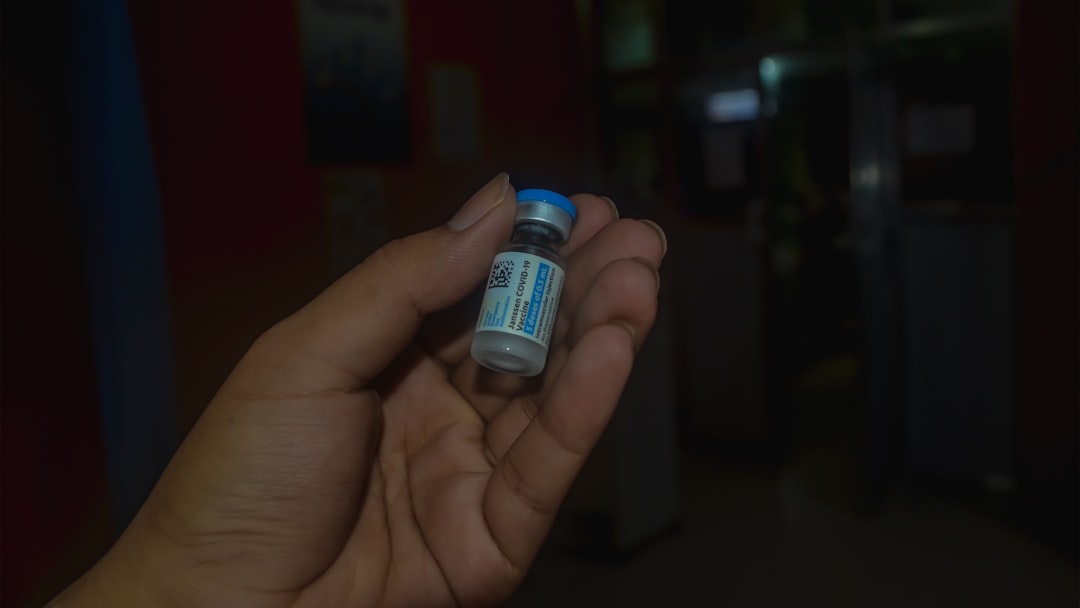
Ozempic, generically known as semaglutide, is a glucagon-like peptide-1 (GLP-1) receptor agonist that has gained significant attention in the management of type 2 diabetes. This medication works by enhancing insulin secretion in response to elevated blood glucose levels, thereby improving glycemic control. Additionally, Ozempic slows gastric emptying, which contributes to a feeling of fullness and can aid in weight loss.
Clinical studies have demonstrated that patients using Ozempic can achieve substantial reductions in HbA1c levels, a key marker for long-term glucose control. The benefits of Ozempic extend beyond glycemic management. Research indicates that it may also reduce the risk of major cardiovascular events in individuals with type 2 diabetes and established cardiovascular disease.
This dual action not only helps in managing diabetes but also promotes overall cardiovascular health, making it a valuable option for patients at risk of heart-related complications. Furthermore, the weight loss associated with Ozempic can lead to improved metabolic health, reducing the likelihood of comorbidities such as hypertension and dyslipidemia.
Key Takeaways
- Ozempic is a medication used to improve blood sugar control in adults with type 2 diabetes
- Medicare coverage for Ozempic may vary depending on the specific plan and individual circumstances
- Using coupons can help save on the cost of Ozempic, even with Medicare coverage
- Obtaining a coupon for Ozempic with Medicare may involve contacting the manufacturer or using online resources
- Maximizing savings on Ozempic with Medicare may involve combining coupons with other cost-saving strategies
How Medicare Coverage Works for Ozempic
Medicare provides coverage for various medications, including Ozempic, under its Part D prescription drug plans. However, the extent of coverage can vary significantly depending on the specific plan chosen by the beneficiary. Generally, Medicare Part D plans categorize medications into tiers, with each tier having different cost-sharing structures.
Ozempic is often placed in a higher tier due to its classification as a specialty medication, which may result in higher out-of-pocket costs for patients. Beneficiaries should be aware that not all Medicare Part D plans cover Ozempic. It is crucial to review the formulary of each plan to determine whether this medication is included and what the associated costs will be.
Additionally, some plans may require prior authorization or step therapy before approving coverage for Ozempic, necessitating additional documentation from healthcare providers to justify its use.
The Importance of Using Coupons to Save on Ozempic

Given the potential high costs associated with Ozempic, utilizing manufacturer coupons can be an effective strategy for reducing out-of-pocket expenses. These coupons are designed to provide financial assistance to patients who may struggle to afford their medications, especially those with high deductibles or limited income. By applying these coupons at the pharmacy, patients can significantly lower their copayments or even obtain the medication at no cost, depending on their eligibility.
Moreover, coupons can be particularly beneficial for individuals whose Medicare Part D plans do not cover Ozempic or impose substantial cost-sharing requirements. In such cases, utilizing a coupon can make this essential medication more accessible and affordable.
How to Obtain a Coupon for Ozempic with Medicare
| Method | Details |
|---|---|
| Medicare Part D | Check if Ozempic is covered by your Medicare Part D plan and what the copay will be. |
| Manufacturer’s Website | Visit the official Ozempic website to see if there are any coupons or savings programs available. |
| Pharmacy Discount Cards | Some pharmacies offer discount cards that can help reduce the cost of Ozempic. |
| Medicare Extra Help | If you have limited income and resources, you may qualify for Medicare Extra Help, which can help with prescription drug costs. |
Obtaining a coupon for Ozempic is a straightforward process that can be accomplished through several avenues. The most direct method is to visit the official website of the manufacturer, Novo Nordisk, where patients can find information about available savings programs and eligibility criteria. Typically, these programs require patients to provide basic personal information and details about their insurance coverage.
Additionally, healthcare providers can assist patients in obtaining coupons by providing necessary documentation or guidance on how to navigate the application process. Some pharmacies also offer coupon programs or discounts that can be applied at the point of sale. Patients should inquire about these options when filling their prescriptions to maximize their savings.
Tips for Maximizing Your Savings on Ozempic with Medicare
To optimize savings on Ozempic while utilizing Medicare coverage, patients should consider several strategies. First and foremost, it is essential to compare different Medicare Part D plans during the annual enrollment period. By evaluating various plans based on their formularies and cost-sharing structures, beneficiaries can select a plan that offers the best coverage for Ozempic.
Additionally, patients should stay informed about any changes in their plan’s formulary or cost-sharing requirements each year. Regular communication with healthcare providers can also help ensure that patients are receiving the most effective treatment while minimizing costs. Furthermore, utilizing patient assistance programs offered by pharmaceutical companies can provide additional financial support for those who qualify.
The Process of Using a Coupon for Ozempic with Medicare

Using a coupon for Ozempic in conjunction with Medicare involves several steps to ensure a seamless experience at the pharmacy. First, patients should obtain their coupon from a reliable source, such as the manufacturer’s website or through their healthcare provider. Once they have the coupon in hand, it is advisable to review the terms and conditions associated with its use.
When visiting the pharmacy to fill their prescription, patients should present both their Medicare card and the coupon to the pharmacist. The pharmacist will then apply the coupon according to its guidelines, which may involve adjusting the copayment amount or providing a discount off the total price of the medication. It is crucial for patients to keep track of any remaining balance or future refills to ensure continued savings.
Common Misconceptions about Using Coupons with Medicare
There are several misconceptions surrounding the use of coupons in conjunction with Medicare that can lead to confusion among beneficiaries. One common myth is that using a coupon will automatically disqualify patients from receiving Medicare benefits or coverage for their medications. In reality, coupons are designed to supplement insurance coverage and do not interfere with Medicare benefits.
Another misconception is that all pharmacies accept manufacturer coupons for prescription medications. While many pharmacies do accept these coupons, some may have specific policies regarding their use. Patients should verify with their pharmacy beforehand to avoid any surprises at the point of sale.
Understanding these misconceptions can empower patients to make informed decisions about their medication management.
Other Cost-Saving Strategies for Ozempic with Medicare
In addition to utilizing coupons, there are several other cost-saving strategies that patients can employ when managing their Ozempic prescriptions under Medicare. One effective approach is to explore generic alternatives or biosimilars if available; however, as of now, semaglutide does not have a generic version on the market. Patients may also consider discussing alternative dosing regimens with their healthcare providers.
For instance, some individuals may benefit from less frequent dosing schedules that could reduce overall costs while maintaining therapeutic efficacy. Additionally, leveraging mail-order pharmacy services can sometimes yield lower prices compared to traditional retail pharmacies.
The Impact of Ozempic on Your Overall Health and Well-being
The impact of Ozempic on overall health extends beyond glycemic control and weight management; it encompasses various aspects of physical and mental well-being. By effectively managing blood sugar levels, patients may experience reduced fatigue and improved energy levels, leading to enhanced daily functioning and quality of life. Moreover, weight loss associated with Ozempic can have profound psychological benefits as well.
Many individuals report increased self-esteem and confidence as they achieve their weight loss goals. Furthermore, improved metabolic health can lead to decreased anxiety related to diabetes management and its complications, fostering a more positive outlook on life.
Resources for Further Assistance with Ozempic and Medicare
Patients seeking further assistance with Ozempic and Medicare coverage have access to numerous resources designed to provide support and information. The official Medicare website offers comprehensive details about coverage options and eligibility requirements for prescription drugs like Ozempic. Additionally, nonprofit organizations such as the American Diabetes Association provide valuable resources related to diabetes management and medication access.
Patients can also reach out to local health departments or community health centers for personalized assistance navigating their healthcare options.
The Future of Ozempic Coverage and Savings with Medicare
As healthcare policies continue to evolve, the future of Ozempic coverage under Medicare remains a topic of interest among stakeholders in the medical community. Ongoing discussions regarding drug pricing reform may lead to changes in how medications like Ozempic are covered under Medicare Part D plans. Furthermore, advancements in diabetes treatment options may result in new formulations or delivery methods that could enhance patient adherence and outcomes while potentially lowering costs over time.
As these developments unfold, it will be essential for patients to stay informed about changes in coverage and available savings opportunities. In summary, understanding Ozempic’s benefits and navigating Medicare coverage can significantly impact patient outcomes in managing type 2 diabetes. Utilizing coupons and exploring various cost-saving strategies are essential steps toward making this vital medication more accessible and affordable.
By staying informed and proactive about their healthcare options, patients can optimize their treatment plans while minimizing financial burdens associated with their medications.
If you are a Medicare patient looking for ways to save on your prescription medications, you may be interested in learning about the Ozempic coupon. This coupon can help lower the cost of Ozempic, a medication used to treat type 2 diabetes. For more information on federal holidays in August, check out this guide to see when you may have time off work to focus on your health.
FAQs
What is Ozempic?
Ozempic is a prescription medication used to improve blood sugar control in adults with type 2 diabetes. It is not recommended for use in people with type 1 diabetes or for the treatment of diabetic ketoacidosis.
What is a Medicare patient?
A Medicare patient is an individual who is eligible for the Medicare program, which is a federal health insurance program for people who are 65 or older, certain younger people with disabilities, and people with end-stage renal disease.
Can Medicare patients use an Ozempic coupon?
Yes, Medicare patients can use an Ozempic coupon to help reduce the cost of their medication. However, it’s important to note that Medicare patients cannot use coupons in conjunction with their Medicare Part D prescription drug coverage.
How can Medicare patients save on Ozempic?
Medicare patients can save on Ozempic by using their Medicare Part D prescription drug coverage. They can also look for manufacturer coupons, patient assistance programs, or other cost-saving options offered by the pharmaceutical company or through third-party organizations.
Are there any restrictions on using an Ozempic coupon for Medicare patients?
Yes, there are restrictions on using an Ozempic coupon for Medicare patients. Medicare patients cannot use coupons for prescription medications that are covered by Medicare Part D. Additionally, Medicare patients cannot use coupons to lower their out-of-pocket costs for medications that are covered by Medicare.