Now Reading: Recognizing Cardiovascular Signs and Symptoms
-
01
Recognizing Cardiovascular Signs and Symptoms
Recognizing Cardiovascular Signs and Symptoms
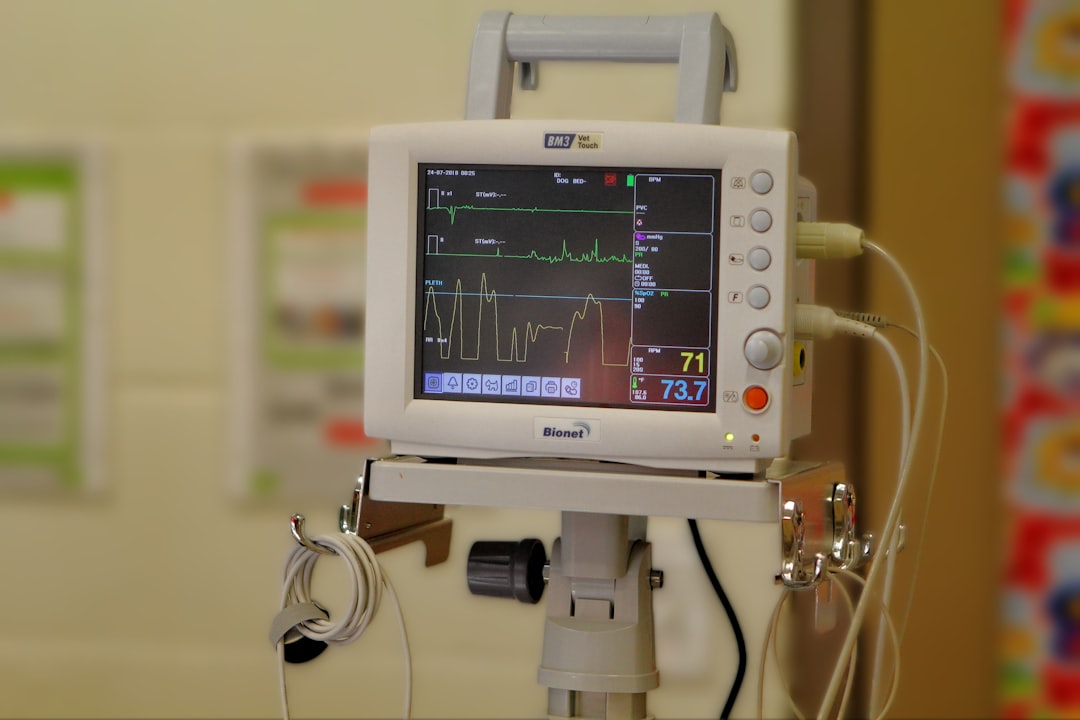
The cardiovascular system, often referred to as the circulatory system, is a complex network responsible for transporting blood, nutrients, oxygen, carbon dioxide, and hormones throughout the body. This intricate system comprises the heart, blood vessels, and blood itself. The heart, a muscular organ located in the thoracic cavity, functions as a pump that propels blood through two primary circuits: the pulmonary circuit, which carries deoxygenated blood to the lungs for oxygenation, and the systemic circuit, which delivers oxygen-rich blood to the rest of the body.
The heart consists of four chambers: the right atrium and ventricle, which handle deoxygenated blood, and the left atrium and ventricle, which manage oxygenated blood. Blood vessels are categorized into arteries, veins, and capillaries. Arteries transport oxygenated blood away from the heart, while veins return deoxygenated blood back to the heart.
Understanding this system is crucial for recognizing cardiovascular health and identifying potential issues that may arise.
Key Takeaways
- The cardiovascular system is responsible for pumping blood and delivering oxygen and nutrients to the body’s tissues.
- Common cardiovascular signs and symptoms include chest pain, shortness of breath, irregular heartbeat, dizziness, fatigue, swelling, nausea, and vomiting.
- Chest pain and discomfort can be a sign of a heart attack or other heart-related issues and should be taken seriously.
- Shortness of breath can be a symptom of heart failure or other cardiovascular conditions and should not be ignored.
- An irregular heartbeat, dizziness, lightheadedness, fatigue, weakness, swelling, nausea, and vomiting can all be signs of underlying cardiovascular problems and should prompt medical attention.
Common Cardiovascular Signs and Symptoms
Cardiovascular diseases (CVD) encompass a range of conditions affecting the heart and blood vessels, including coronary artery disease, heart failure, arrhythmias, and valvular heart disease. Recognizing common signs and symptoms is essential for early detection and intervention. Some prevalent indicators include chest pain or discomfort, shortness of breath, irregular heartbeat, dizziness or lightheadedness, fatigue or weakness, swelling in the legs or abdomen, and gastrointestinal symptoms such as nausea or vomiting.
These symptoms can vary significantly in intensity and duration. For instance, chest pain may manifest as a sharp stabbing sensation or a dull ache that radiates to other areas such as the arms, neck, or jaw. Shortness of breath may occur during physical exertion or even at rest.
It is vital to understand that these symptoms can be indicative of underlying cardiovascular issues and should not be overlooked.
Chest Pain and Discomfort
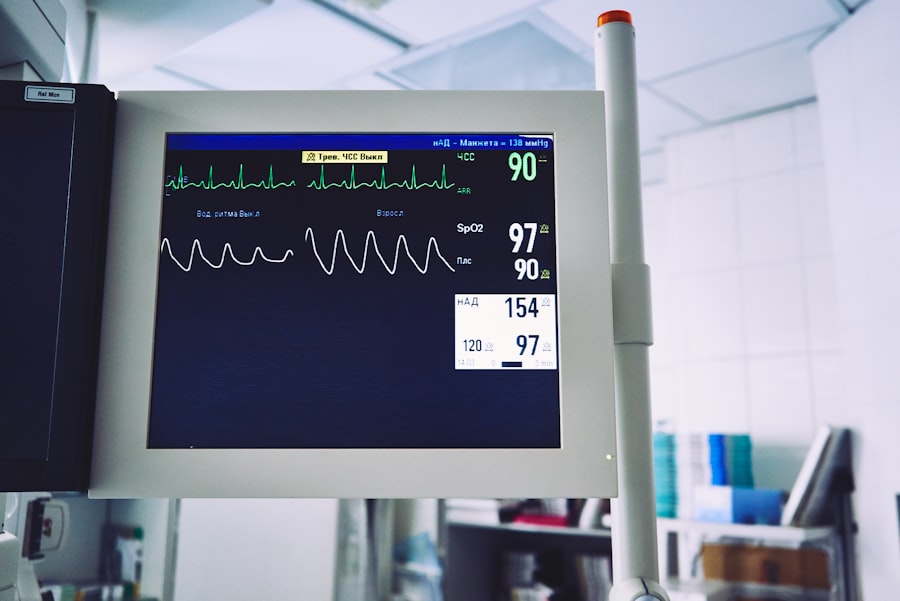
Chest pain is one of the most recognized symptoms associated with cardiovascular problems. It can arise from various causes, including angina pectoris, myocardial infarction (heart attack), or even non-cardiac conditions such as gastroesophageal reflux disease (GERD). Angina typically presents as a feeling of pressure or squeezing in the chest that may radiate to the shoulders, neck, arms, or back.
This discomfort often occurs during physical exertion or emotional stress and subsides with rest. In contrast, a heart attack may present with more severe and prolonged chest pain that does not resolve with rest. Accompanying symptoms may include sweating, nausea, or lightheadedness.
It is crucial to differentiate between these types of chest pain to ensure appropriate medical intervention. Individuals experiencing unexplained chest discomfort should seek immediate medical attention to rule out life-threatening conditions.
Shortness of Breath
| Age Group | Percentage |
|---|---|
| 18-44 | 12% |
| 45-64 | 24% |
| 65+ | 36% |
Dyspnea, or shortness of breath, is another significant symptom that can indicate cardiovascular distress. This condition may arise from various factors such as heart failure, pulmonary hypertension, or coronary artery disease. Patients may experience difficulty breathing during physical activity or even at rest in more severe cases.
The sensation can range from mild discomfort to a feeling of suffocation. In heart failure, fluid accumulation in the lungs can lead to pulmonary congestion, exacerbating shortness of breath. Patients may also notice orthopnea (difficulty breathing while lying flat) or paroxysmal nocturnal dyspnea (sudden nighttime breathlessness).
Irregular Heartbeat
Arrhythmias refer to abnormal heart rhythms that can manifest as palpitations or a racing heart. These irregularities can result from various factors including electrolyte imbalances, structural heart abnormalities, or ischemic heart disease. Patients may describe sensations such as fluttering in the chest or a feeling that their heart is skipping beats.
While some arrhythmias are benign and require no treatment, others can be life-threatening and necessitate immediate medical intervention. A thorough evaluation by a healthcare professional is essential to determine the underlying cause and appropriate management strategies. Treatment options may include lifestyle modifications, medications such as beta-blockers or antiarrhythmics, or invasive procedures like catheter ablation.
Dizziness and Lightheadedness

Dizziness and lightheadedness can be alarming symptoms that may indicate cardiovascular issues such as orthostatic hypotension or arrhythmias. Orthostatic hypotension occurs when there is a sudden drop in blood pressure upon standing up, leading to feelings of faintness or unsteadiness. This condition can be exacerbated by dehydration, certain medications, or autonomic nervous system dysfunction.
Arrhythmias can also contribute to dizziness by disrupting normal blood flow to the brain. Patients may experience episodes of lightheadedness that coincide with palpitations or other cardiovascular symptoms. It is crucial to assess these symptoms in conjunction with other indicators to determine their significance and guide appropriate treatment.
Fatigue and Weakness
Chronic fatigue and weakness are often overlooked symptoms that can signal underlying cardiovascular problems. Patients with heart failure may experience persistent fatigue due to inadequate cardiac output and reduced oxygen delivery to tissues. This fatigue can significantly impact daily activities and quality of life.
Additionally, anemia or thyroid dysfunction can contribute to feelings of weakness and fatigue. A comprehensive evaluation is necessary to identify potential causes and implement appropriate interventions. Treatment may involve optimizing heart function through medications such as ACE inhibitors or diuretics, addressing anemia with iron supplementation or transfusions, or managing thyroid disorders with hormone replacement therapy.
Swelling in the Legs, Ankles, or Abdomen
Peripheral edema refers to swelling in the legs, ankles, or abdomen due to fluid retention. This condition can arise from various cardiovascular issues such as congestive heart failure or venous insufficiency. In heart failure, the heart’s inability to pump effectively leads to fluid accumulation in tissues.
Patients may notice swelling that worsens throughout the day or after prolonged periods of sitting or standing. In some cases, abdominal swelling may indicate ascites due to liver congestion associated with right-sided heart failure. Identifying the underlying cause of edema is crucial for effective management; treatment options may include diuretics to promote fluid excretion or lifestyle modifications such as dietary sodium restriction.
Nausea and Vomiting
Gastrointestinal symptoms such as nausea and vomiting can be atypical presentations of cardiovascular issues. These symptoms may arise from reduced blood flow to the gastrointestinal tract during episodes of angina or myocardial infarction. Patients may experience discomfort in the upper abdomen accompanied by sweating or anxiety.
It is essential to recognize these symptoms as potential indicators of serious cardiovascular events rather than solely gastrointestinal disturbances. Prompt medical evaluation is necessary to rule out cardiac causes and initiate appropriate treatment strategies.
Recognizing the Signs of a Heart Attack
Recognizing the signs of a heart attack is critical for timely intervention and improved outcomes. Classic symptoms include chest pain or discomfort that may radiate to other areas such as the arms or jaw. Other indicators include shortness of breath, nausea, lightheadedness, and cold sweats.
Women may experience atypical symptoms such as fatigue or indigestion more frequently than men. It is vital for individuals to be aware of these variations in presentation and seek immediate medical attention if they suspect a heart attack. Early recognition can significantly impact survival rates and reduce complications associated with myocardial infarction.
When to Seek Medical Attention for Cardiovascular Symptoms
Individuals experiencing any concerning cardiovascular symptoms should not hesitate to seek medical attention. Symptoms such as persistent chest pain, severe shortness of breath, sudden dizziness or fainting spells warrant immediate evaluation in an emergency setting. Additionally, individuals with risk factors for cardiovascular disease—such as hypertension, diabetes mellitus, hyperlipidemia, or a family history of heart disease—should be vigilant about monitoring their health.
Regular check-ups with healthcare providers are essential for early detection and management of cardiovascular conditions. Lifestyle modifications such as maintaining a healthy diet, engaging in regular physical activity, managing stress levels, and avoiding tobacco use can significantly reduce the risk of developing cardiovascular diseases. In summary, understanding the cardiovascular system’s intricacies is vital for recognizing signs and symptoms indicative of potential issues.
Common manifestations include chest pain, shortness of breath, irregular heartbeat, dizziness, fatigue, swelling in extremities, nausea, and vomiting. Timely recognition of these symptoms can lead to early intervention and improved outcomes in managing cardiovascular diseases. Individuals should remain vigilant about their health and seek medical attention when experiencing concerning symptoms to ensure optimal care and prevention strategies are implemented effectively.
If you are experiencing cardiovascular signs and symptoms, it is important to seek medical attention promptly. One related article that may be helpful is How to Choose a Lawyer for Your Needs in 2025. This article discusses the importance of finding the right legal representation for your specific situation, just as it is crucial to find the right medical care for cardiovascular issues. Remember, taking care of your health should always be a top priority.
FAQs
What are common cardiovascular signs and symptoms?
Common cardiovascular signs and symptoms include chest pain or discomfort, shortness of breath, palpitations, dizziness, fainting, fatigue, and swelling in the legs, ankles, or feet.
What are the warning signs of a heart attack?
The warning signs of a heart attack include chest pain or discomfort, upper body pain or discomfort in the arms, back, neck, jaw, or stomach, shortness of breath, and other symptoms such as cold sweats, nausea, or lightheadedness.
What are the symptoms of heart failure?
Symptoms of heart failure include shortness of breath, fatigue and weakness, swelling in the legs, ankles, or feet, rapid or irregular heartbeat, persistent cough or wheezing, and increased need to urinate at night.
What are the symptoms of a stroke?
Symptoms of a stroke include sudden numbness or weakness in the face, arm, or leg, especially on one side of the body, sudden confusion, trouble speaking or understanding, sudden trouble seeing in one or both eyes, sudden trouble walking, dizziness, loss of balance or coordination, and sudden severe headache with no known cause.
When should I seek medical attention for cardiovascular signs and symptoms?
You should seek immediate medical attention if you experience sudden or severe chest pain, shortness of breath, fainting, or symptoms of a stroke. It is important to seek prompt medical care for any new or concerning cardiovascular signs and symptoms.