Now Reading: Protecting Your Investment: The Importance of Homeowner Insurance
-
01
Protecting Your Investment: The Importance of Homeowner Insurance
Protecting Your Investment: The Importance of Homeowner Insurance
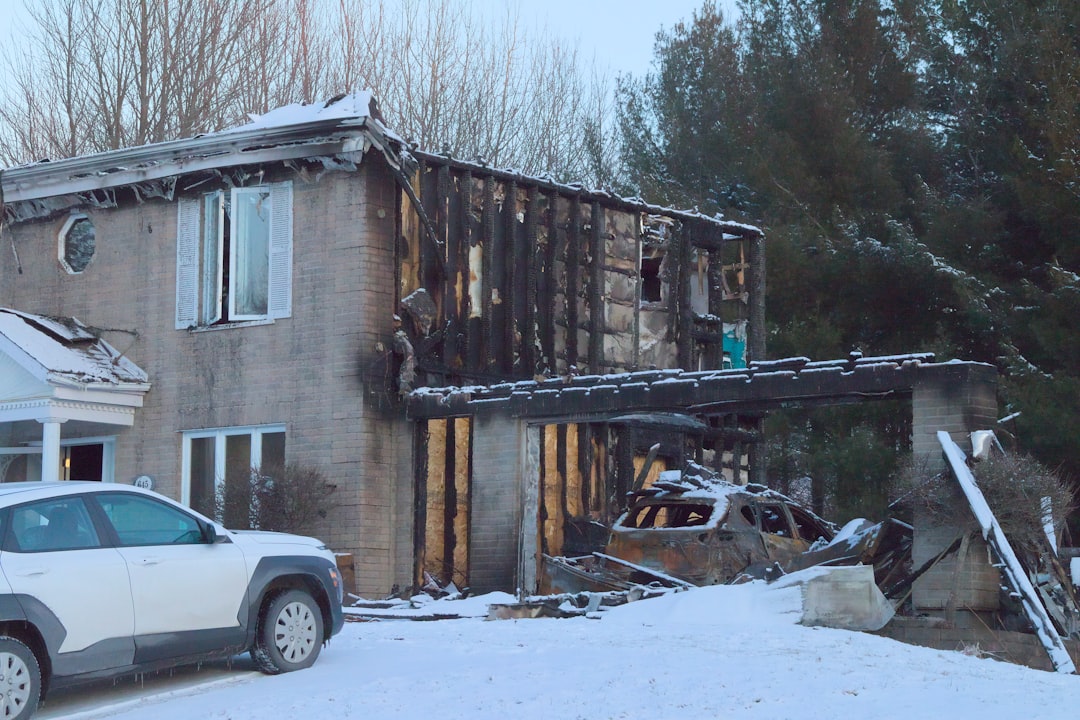
Homeowner insurance is a crucial financial product designed to protect individuals and families from the risks associated with owning a home. This type of insurance provides coverage for various perils, including fire, theft, vandalism, and natural disasters, ensuring that homeowners are safeguarded against significant financial losses. The policy typically encompasses both the physical structure of the home and the personal belongings within it, offering peace of mind to homeowners who invest substantial resources into their properties.
The fundamental purpose of homeowner insurance is to mitigate the financial impact of unforeseen events. In the event of damage or loss, the policyholder can file a claim to receive compensation for repairs or replacements.
Key Takeaways
- Homeowner insurance provides financial protection for your home and belongings in the event of damage or loss.
- There are different types of homeowner insurance coverage, including dwelling coverage, personal property coverage, and additional living expenses coverage.
- Liability coverage is important as it protects you in case someone is injured on your property or if you accidentally damage someone else’s property.
- To protect your home and belongings, it’s important to take inventory, secure your home, and consider additional coverage options such as flood insurance or earthquake insurance.
- Factors affecting homeowner insurance rates include the location of your home, its age, the materials it’s made of, and your credit score.
Types of Homeowner Insurance Coverage
Homeowner insurance policies come in various forms, each tailored to meet specific needs and circumstances. The most common types include HO-1, HO-2, HO-3, HO-4, HO-5, and HO-6 policies. The HO-3 policy is the most widely purchased, providing comprehensive coverage for the dwelling and personal property against all perils except those explicitly excluded in the policy.
This type of policy is ideal for homeowners seeking extensive protection. Conversely, the HO-4 policy, also known as renters insurance, is designed for individuals who rent their living space. It covers personal belongings but does not extend to the physical structure of the property.
For condominium owners, the HO-6 policy offers coverage for personal property and improvements made to the unit while excluding the building’s exterior. Understanding these distinctions is vital for homeowners to select the appropriate policy that aligns with their specific living situation and coverage requirements.
Importance of Liability Coverage

Liability coverage is a critical component of homeowner insurance that protects policyholders from legal claims arising from injuries or damages that occur on their property. This coverage is essential for safeguarding homeowners against potential lawsuits resulting from accidents involving guests or visitors. For instance, if a visitor slips and falls on a homeowner’s property, liability coverage can help cover medical expenses and legal fees associated with the incident.
The importance of liability coverage cannot be overstated, as it provides financial protection in situations where homeowners may be held responsible for injuries or damages. Without adequate liability coverage, homeowners could face significant out-of-pocket expenses that could jeopardize their financial stability. Therefore, it is advisable for homeowners to assess their liability coverage limits and consider increasing them if necessary to ensure comprehensive protection.
Protecting Your Home and Belongings
| Security Measure | Effectiveness | Cost |
|---|---|---|
| Deadbolt Locks | High | |
| Security Cameras | High | |
| Alarm System | High | |
| Security Lights | Medium | |
| Home Insurance | Varies |
Homeowner insurance plays a pivotal role in protecting both the physical structure of a home and its contents. In the event of a covered peril, such as fire or theft, homeowners can file claims to recover losses incurred. This protection extends not only to the dwelling itself but also to personal belongings, including furniture, electronics, clothing, and other valuables.
To maximize protection, homeowners should conduct a thorough inventory of their possessions and document their value. This inventory can serve as a valuable resource when filing claims, ensuring that all items are accounted for and appropriately valued. Additionally, some policies may offer replacement cost coverage, which provides compensation based on the current market value of items rather than their depreciated value.
Homeowners should carefully review their policies to understand the extent of coverage provided for personal belongings.
Factors Affecting Homeowner Insurance Rates
Several factors influence homeowner insurance rates, making it essential for homeowners to understand how these elements can impact their premiums. Key factors include the location of the home, its age and condition, the materials used in construction, and the homeowner’s claims history.
Additionally, credit scores can play a significant role in determining insurance rates. Insurers often use credit history as an indicator of risk; individuals with lower credit scores may face higher premiums. Homeowners can take proactive steps to mitigate costs by improving their credit scores and maintaining a clean claims history.
Furthermore, implementing safety features such as security systems or smoke detectors can lead to discounts on premiums.
Importance of Adequate Coverage

Having adequate homeowner insurance coverage is paramount for protecting one’s investment and ensuring financial security in times of crisis. Underinsuring a property can lead to devastating consequences if a significant loss occurs. Homeowners should regularly assess their coverage limits to ensure they align with current market values and replacement costs.
Inadequate coverage can result in substantial out-of-pocket expenses when filing claims. For example, if a homeowner’s dwelling is insured for less than its actual value, they may only receive partial compensation for repairs or rebuilding after a loss. To avoid such pitfalls, it is advisable for homeowners to consult with insurance professionals who can provide guidance on determining appropriate coverage levels based on individual circumstances.
Benefits of Homeowner Insurance
Homeowner insurance offers numerous benefits beyond mere financial protection against property damage or loss. One significant advantage is peace of mind; knowing that one’s home and belongings are insured allows homeowners to focus on other aspects of life without constant worry about potential risks. Additionally, many policies include additional living expenses (ALE) coverage, which provides financial assistance for temporary housing costs if a home becomes uninhabitable due to a covered event.
This benefit ensures that homeowners can maintain their quality of life during challenging times without incurring excessive financial burdens.
Steps to Take in the Event of a Claim
In the unfortunate event that a homeowner needs to file a claim, there are several critical steps to follow to ensure a smooth process. First and foremost, it is essential to document the damage thoroughly by taking photographs and making detailed notes about what occurred. This documentation will serve as evidence when filing the claim.
Next, homeowners should contact their insurance provider promptly to report the incident and initiate the claims process. Insurers typically have specific timelines for reporting claims, so timely communication is crucial. After filing the claim, it is advisable to keep records of all correspondence with the insurer and any expenses incurred related to the incident.
Importance of Regularly Reviewing and Updating Your Policy
Regularly reviewing and updating homeowner insurance policies is vital for ensuring continued protection against evolving risks and changes in personal circumstances. Life events such as renovations, new purchases, or changes in family size can significantly impact coverage needs. Homeowners should conduct annual reviews of their policies to assess whether their coverage limits are adequate and whether any additional endorsements or riders are necessary.
By staying proactive in managing their insurance policies, homeowners can avoid gaps in coverage that could leave them vulnerable in times of need.
Additional Coverage Options to Consider
While standard homeowner insurance policies provide essential coverage, homeowners may want to consider additional options to enhance their protection further. Endorsements or riders can be added to policies for specific needs such as flood insurance or earthquake coverage—perils often excluded from standard policies. Moreover, valuable items such as jewelry or art may require additional coverage through scheduled personal property endorsements to ensure they are adequately protected against loss or damage.
Homeowners should consult with their insurance agents to explore these options and tailor their policies according to their unique circumstances.
Finding the Right Homeowner Insurance Policy for You
Finding the right homeowner insurance policy involves careful consideration of individual needs and preferences. Homeowners should begin by assessing their property value and personal belongings’ worth to determine appropriate coverage levels. Comparing quotes from multiple insurers can also help identify competitive rates while ensuring comprehensive protection.
Engaging with an experienced insurance agent can provide valuable insights into policy options and help navigate complex terms and conditions. Additionally, reading customer reviews and checking insurer ratings can offer further assurance regarding reliability and customer service quality. In conclusion, homeowner insurance serves as an essential safeguard for individuals and families against unforeseen risks associated with property ownership.
By understanding various types of coverage available, recognizing the importance of liability protection, and regularly reviewing policies, homeowners can ensure they are adequately protected while enjoying peace of mind in their homes.
If you are a homeowner looking to protect your investment, it is important to consider getting the right insurance coverage. One article that may be helpful in understanding the importance of homeowner insurance is this article that discusses the various federal holidays in 2022 and how planning ahead can help you make the most of your year. Just like planning for holidays, having the right homeowner insurance can provide peace of mind and financial security in case of unexpected events.
FAQs
What is home owner insurance?
Home owner insurance is a type of property insurance that provides coverage for a private residence. It protects the home and its contents, as well as providing liability coverage for accidents that may occur on the property.
What does home owner insurance typically cover?
Home owner insurance typically covers damage to the home and other structures on the property, personal belongings, and liability for accidents on the property. It may also provide coverage for additional living expenses if the home becomes uninhabitable due to a covered event.
What are some common exclusions from home owner insurance coverage?
Common exclusions from home owner insurance coverage may include damage caused by floods, earthquakes, and normal wear and tear. Some policies may also have exclusions for certain breeds of dogs or specific types of home businesses.
How is the cost of home owner insurance determined?
The cost of home owner insurance is determined by a variety of factors, including the location and age of the home, the materials used in its construction, the coverage limits and deductibles chosen, and the homeowner’s claims history and credit score.
What are the different types of home owner insurance policies?
The two main types of home owner insurance policies are named peril policies, which only cover specific perils listed in the policy, and all-risk policies, which cover all perils except those specifically excluded. There are also specialized policies for condominiums, renters, and mobile homes.
How can I lower the cost of my home owner insurance?
There are several ways to lower the cost of home owner insurance, including raising the deductible, bundling with other insurance policies, installing security and safety features, maintaining a good credit score, and shopping around for the best rates.