Now Reading: Protect Your Investment: Boat Insurance 101
-
01
Protect Your Investment: Boat Insurance 101
Protect Your Investment: Boat Insurance 101

Boat insurance is a specialized form of coverage designed to protect boat owners from financial loss associated with various risks. Just as automobile insurance safeguards drivers against accidents and liabilities, boat insurance serves a similar purpose for watercraft. It encompasses a range of protections, including damage to the vessel, liability for injuries or damages caused to others, and coverage for personal property on board.
Understanding the fundamentals of boat insurance is crucial for any owner, as it ensures that they are adequately protected while enjoying their time on the water. The primary objective of boat insurance is to mitigate the financial impact of unforeseen events such as accidents, theft, or natural disasters. Policies can vary significantly based on the type of boat, its usage, and the owner’s preferences.
For instance, a fishing boat may require different coverage than a luxury yacht. Additionally, factors such as the geographical area where the boat is used and the owner’s boating experience can influence policy terms and premiums. Familiarizing oneself with these basics is essential for making informed decisions regarding coverage options.
Key Takeaways
- Boat insurance provides financial protection for boat owners in case of accidents, theft, or damage to their vessel.
- Types of coverage available for boat owners include property damage, bodily injury liability, medical payments, and uninsured/underinsured boater coverage.
- Factors that affect boat insurance rates include the type of boat, its age, size, horsepower, and the owner’s boating experience and claims history.
- Liability coverage is important for boat owners to protect themselves from legal and financial consequences in case of accidents or injuries involving their boat.
- Additional coverage options to consider for your boat include towing and assistance, personal effects coverage, and pollution liability coverage.
Types of Coverage Available for Boat Owners
Boat insurance typically includes several types of coverage tailored to meet the diverse needs of boat owners. The most common types are hull coverage, liability coverage, and personal property coverage. Hull coverage protects against physical damage to the vessel itself, whether from collisions, storms, or other incidents.
This type of coverage is vital for safeguarding the investment made in the boat. Liability coverage is another critical component, providing financial protection in case the boat owner is found responsible for causing injury or property damage to others while operating their vessel. This coverage can extend to legal fees and medical expenses incurred by third parties.
Personal property coverage protects belongings on board, such as fishing gear, electronics, and personal items, ensuring that owners are compensated for losses due to theft or damage.
Factors that Affect Boat Insurance Rates

Several factors influence the cost of boat insurance premiums, making it essential for owners to understand how these elements interact. One significant factor is the type and size of the boat. Larger vessels or those with higher horsepower engines typically incur higher premiums due to increased risk exposure.
Additionally, the age and condition of the boat can affect rates; newer boats may have higher replacement costs, while older vessels may be more prone to mechanical failures. Another critical consideration is the owner’s boating experience and history. Insurers often assess an individual’s experience level, including any prior claims or accidents.
A seasoned boater with a clean record may qualify for lower rates compared to a novice with limited experience. Furthermore, geographical location plays a role; areas prone to severe weather or high crime rates may result in elevated premiums due to increased risk factors.
The Importance of Liability Coverage for Boat Owners
| Importance of Liability Coverage for Boat Owners |
|---|
| 1. Protection from Accidents |
| 2. Legal Requirements |
| 3. Financial Security |
| 4. Peace of Mind |
Liability coverage is arguably one of the most crucial aspects of boat insurance. It provides financial protection against claims arising from injuries or damages caused by the insured vessel. In the event of an accident where another party sustains injuries or property damage, liability coverage can cover legal fees, medical expenses, and settlements or judgments awarded to the injured party.
Without adequate liability coverage, boat owners could face significant financial burdens that may jeopardize their personal assets. For instance, if a boater collides with another vessel and causes injuries to passengers onboard, they could be held liable for medical costs that can quickly escalate into thousands or even millions of dollars. Therefore, ensuring sufficient liability limits is essential for safeguarding one’s financial future while enjoying recreational boating activities.
Additional Coverage Options to Consider for Your Boat
In addition to standard coverage options, boat owners may want to explore additional policies that can enhance their protection. One such option is comprehensive coverage, which protects against non-collision-related incidents such as theft, vandalism, or natural disasters. This type of coverage is particularly valuable for those who store their boats in areas susceptible to severe weather conditions.
This coverage can help cover towing costs back to shore or provide assistance in case of breakdowns. Additionally, some insurers offer specialized policies for specific activities such as fishing or racing, which can provide tailored protection based on how the boat will be used.
Tips for Choosing the Right Boat Insurance Policy
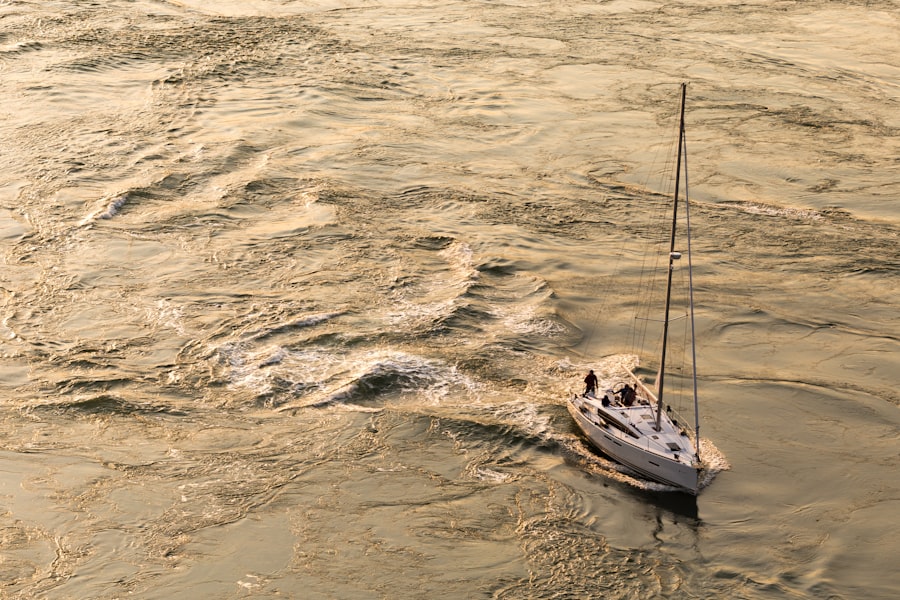
Selecting the appropriate boat insurance policy requires careful consideration and research. First and foremost, it is essential to assess individual needs based on the type of boat owned and how it will be used. Owners should evaluate their risk tolerance and determine what level of coverage they feel comfortable with.
Comparing quotes from multiple insurers is also advisable to ensure competitive pricing and comprehensive coverage options. Reading customer reviews and seeking recommendations from fellow boaters can provide valuable insights into an insurer’s reputation and claims handling process. Additionally, understanding policy exclusions and limitations is crucial; owners should be aware of what is not covered under their policy to avoid surprises in case of a claim.
Understanding the Claims Process for Boat Insurance
Navigating the claims process can be daunting for many boat owners, but understanding how it works can alleviate some stress during challenging times. When an incident occurs that necessitates filing a claim, the first step is to contact the insurance provider promptly. Most insurers have specific timeframes within which claims must be reported.
After reporting the incident, an adjuster will typically be assigned to assess the damage and determine the validity of the claim. This process may involve gathering documentation such as photographs of the damage, police reports (if applicable), and witness statements. Once all necessary information has been collected, the insurer will evaluate the claim and communicate their decision regarding compensation.
Common Misconceptions About Boat Insurance
Several misconceptions about boat insurance can lead to misunderstandings among owners. One prevalent myth is that homeowners’ insurance policies automatically cover boats; however, this is often not the case. While some policies may offer limited coverage for small watercraft, dedicated boat insurance is typically necessary for comprehensive protection.
Another common misconception is that all boats require insurance regardless of size or value. In reality, some states do not mandate insurance for smaller vessels; however, obtaining coverage is still advisable to protect against potential liabilities and losses. Additionally, many owners believe that their insurance will cover all types of damages; understanding policy exclusions is vital to avoid unexpected out-of-pocket expenses.
How to Save Money on Boat Insurance
Boat owners looking to reduce their insurance costs have several strategies at their disposal. One effective approach is to bundle policies; many insurers offer discounts when multiple types of insurance (such as home and auto) are purchased together. Additionally, maintaining a clean boating record free from accidents or claims can lead to lower premiums over time.
Taking advantage of safety courses can also yield discounts; many insurers provide incentives for completing boating safety education programs. Furthermore, increasing deductibles can lower monthly premiums; however, owners should ensure they can afford the deductible amount in case of a claim.
The Difference Between Agreed Value and Actual Cash Value Policies
When selecting a boat insurance policy, understanding the difference between agreed value and actual cash value (ACV) policies is crucial. An agreed value policy establishes a predetermined value for the boat at the time of purchase; in case of a total loss, this amount will be paid out without depreciation considerations. This type of policy provides peace of mind for owners who want assurance that they will receive full compensation in case of a total loss.
Conversely, an actual cash value policy factors in depreciation when determining payout amounts after a loss occurs. This means that if a boat sustains damage or is deemed a total loss, the compensation received will reflect its current market value rather than its original purchase price.
Why Boat Insurance is Essential for Protecting Your Investment
Investing in a boat represents a significant financial commitment; therefore, protecting that investment through adequate insurance coverage is paramount. Boat insurance not only safeguards against physical damage but also provides liability protection that can prevent devastating financial repercussions from accidents or injuries caused by the vessel. Moreover, having proper insurance allows owners to enjoy their boating experiences with peace of mind knowing they are protected against unforeseen events.
Whether navigating calm waters or facing unpredictable weather conditions, having comprehensive coverage ensures that boaters can focus on creating lasting memories rather than worrying about potential risks. In summary, understanding boat insurance involves recognizing its various types of coverage, factors influencing rates, and the importance of liability protection. By exploring additional options and following tips for selecting policies wisely, owners can navigate the complexities of insuring their vessels effectively.
Awareness of common misconceptions and strategies for saving money further enhances their ability to make informed decisions regarding this essential aspect of boat ownership. Ultimately, investing in adequate boat insurance is crucial for protecting both financial investments and personal safety while enjoying recreational activities on the water.
If you’re considering purchasing boat insurance, you may also be interested in learning more about honoring our leaders on Presidents’ Day. Check out this article here to gain insight into the significance of this holiday.
FAQs
What is boat insurance?
Boat insurance is a type of insurance policy that provides coverage for boats and personal watercraft. It typically offers protection against damage to the boat, liability for injuries or damage caused by the boat, and coverage for medical payments.
Why do I need boat insurance?
Boat insurance is important because it provides financial protection in the event of an accident, theft, or damage to your boat. It also offers liability coverage in case you are responsible for causing injury or property damage while operating your boat.
What does boat insurance typically cover?
Boat insurance policies typically cover physical damage to the boat, including damage from collisions, storms, theft, and vandalism. They also provide liability coverage for bodily injury and property damage caused by the boat, as well as coverage for medical payments.
Are there different types of boat insurance?
Yes, there are different types of boat insurance policies, including agreed value policies, actual cash value policies, and liability-only policies. Agreed value policies pay out a set amount agreed upon when the policy is purchased, while actual cash value policies pay out the current market value of the boat at the time of the loss.
How much does boat insurance cost?
The cost of boat insurance can vary depending on factors such as the type of boat, its value, where it will be used, and the coverage limits and deductibles chosen. On average, boat insurance can cost anywhere from a few hundred to a few thousand dollars per year.
Is boat insurance required by law?
In some states, boat insurance is required if the boat is financed or if it is used in certain areas or for certain activities. However, there is no federal law that mandates boat insurance for all boat owners. It is important to check the specific requirements in your state or locality.