
Now Reading: Protect Your Face: Understanding and Preventing Skin Cancer
-
01
Protect Your Face: Understanding and Preventing Skin Cancer
Protect Your Face: Understanding and Preventing Skin Cancer
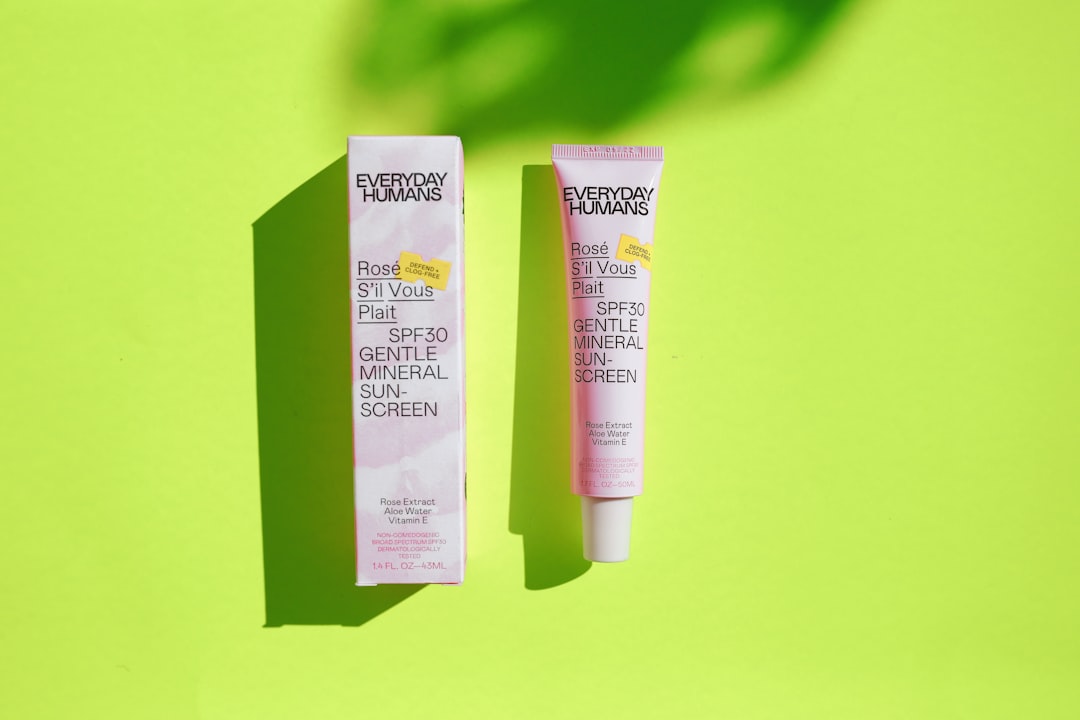
Skin cancer is a malignant growth that arises from the skin cells, primarily due to the uncontrolled proliferation of abnormal cells. It is one of the most prevalent forms of cancer globally, with millions of new cases diagnosed each year. The skin, being the largest organ of the body, serves as a protective barrier against environmental factors, but it is also susceptible to damage from ultraviolet (UV) radiation, chemicals, and other harmful agents.
Skin cancer can manifest in various forms, with varying degrees of severity and treatment options. The three primary types of skin cancer include melanoma, basal cell carcinoma (BCC), and squamous cell carcinoma (SCC). Each type has distinct characteristics, risk factors, and treatment protocols.
Early detection is crucial for effective management and improved prognosis. Understanding the fundamentals of skin cancer is essential for individuals to recognize potential symptoms and seek timely medical intervention.
Key Takeaways
- Skin cancer is the abnormal growth of skin cells and is the most common type of cancer.
- UV radiation from the sun and tanning beds is a major risk factor for skin cancer.
- Melanoma, basal cell carcinoma, and squamous cell carcinoma are the most common types of skin cancer.
- Regular skin checks and self-examinations are crucial for early detection of skin cancer.
- Sun protection, including wearing sunscreen and protective clothing, is essential for preventing skin cancer.
Understanding UV Radiation and its Effects on the Skin
Ultraviolet (UV) radiation is a form of electromagnetic radiation emitted by the sun and artificial sources such as tanning beds. It is classified into three categories: UVA, UVB, and UVUVA rays penetrate deeply into the skin and are primarily responsible for photoaging and the development of skin cancers. UVB rays, on the other hand, are more intense and primarily cause sunburns while also playing a significant role in the development of skin cancer.
UVC rays are mostly absorbed by the Earth’s atmosphere and do not typically reach the surface. The effects of UV radiation on the skin are multifaceted. Prolonged exposure can lead to DNA damage in skin cells, resulting in mutations that may trigger carcinogenesis.
Additionally, UV radiation can suppress the local immune response in the skin, allowing abnormal cells to proliferate unchecked. The cumulative effect of UV exposure over time significantly increases the risk of developing skin cancer, making it imperative for individuals to understand these risks and take preventive measures.
Types of Skin Cancer: Melanoma, Basal Cell Carcinoma, and Squamous Cell Carcinoma

Melanoma is the most aggressive form of skin cancer, originating from melanocytes, the pigment-producing cells in the skin. It is characterized by its ability to metastasize rapidly to other parts of the body if not detected early. Melanoma often presents as a new or changing mole, exhibiting asymmetry, irregular borders, multiple colors, and a diameter larger than 6mm.
Early-stage melanoma can be effectively treated through surgical excision, but advanced stages may require systemic therapies such as immunotherapy or targeted therapy. Basal cell carcinoma (BCC) is the most common type of skin cancer, accounting for approximately 80% of all cases. It arises from basal cells in the epidermis and typically manifests as a pearly or waxy bump on sun-exposed areas of the skin.
BCC is generally slow-growing and rarely metastasizes; however, it can cause significant local tissue destruction if left untreated. Treatment options include surgical excision, Mohs micrographic surgery, cryotherapy, and topical chemotherapy. Squamous cell carcinoma (SCC) originates from squamous cells in the epidermis and is the second most common type of skin cancer. It often appears as a firm red nodule or a flat sore with a scaly crust. SCC can metastasize if not addressed promptly, making early detection vital.
Treatment options for SCC include surgical excision, radiation therapy, and topical chemotherapy.
Risk Factors for Developing Skin Cancer
| Risk Factor | Description |
|---|---|
| Ultraviolet (UV) radiation | Exposure to UV radiation from the sun or tanning beds |
| Fair skin | Having fair skin that burns easily and tans poorly |
| Family history | Having a family history of skin cancer |
| Personal history | Having a personal history of skin cancer or precancerous skin lesions |
| Weakened immune system | Having a weakened immune system due to certain medical conditions or medications |
Several risk factors contribute to an individual’s likelihood of developing skin cancer. One of the most significant factors is excessive exposure to UV radiation from both natural sunlight and artificial sources like tanning beds.
Other risk factors include a personal or family history of skin cancer, a weakened immune system due to conditions such as HIV/AIDS or organ transplantation, and certain genetic syndromes like xeroderma pigmentosum. Additionally, age plays a role; older adults are more susceptible due to cumulative sun exposure over their lifetime. Regular monitoring of moles and skin changes is essential for those with multiple risk factors.
The Importance of Regular Skin Checks and Self-Examinations
Regular skin checks are crucial for early detection of skin cancer. Individuals should perform self-examinations monthly to identify any new or changing moles or lesions. During these examinations, it is important to assess all areas of the body, including hard-to-see regions such as the scalp, back, and between toes.
Noting any changes in size, shape, color, or texture can help in identifying potential malignancies. In addition to self-examinations, professional skin checks by a dermatologist should be conducted annually or more frequently for high-risk individuals. Dermatologists utilize specialized tools and techniques to evaluate suspicious lesions accurately.
Early detection significantly improves treatment outcomes and reduces mortality rates associated with skin cancer.
Sun Protection: Tips for Preventing Skin Cancer

Preventing skin cancer begins with effective sun protection strategies. Individuals should seek shade during peak sun hours (10 AM to 4 PM) when UV radiation is strongest. Wearing protective clothing such as long-sleeved shirts, wide-brimmed hats, and sunglasses can shield the skin from harmful rays.
Additionally, avoiding tanning beds is crucial; these devices emit concentrated UV radiation that significantly increases the risk of developing skin cancer. Instead of tanning beds, individuals can opt for sunless tanning products that provide a bronzed appearance without exposing the skin to harmful UV rays.
The Role of Sunscreen in Preventing Skin Cancer
Sunscreen plays a pivotal role in protecting the skin from UV radiation and preventing skin cancer. Broad-spectrum sunscreens that protect against both UVA and UVB rays should be used with an SPF of at least 30. It is essential to apply sunscreen generously to all exposed areas of the skin at least 15 minutes before sun exposure and reapply every two hours or immediately after swimming or sweating.
Choosing water-resistant formulations can enhance protection during outdoor activities. Individuals should also be aware that sunscreen should not be relied upon solely; it should be part of a comprehensive sun protection strategy that includes seeking shade and wearing protective clothing.
The Impact of Tanning Beds on Skin Cancer Risk
Tanning beds pose a significant risk factor for developing skin cancer due to their emission of concentrated UV radiation. Studies have shown that using tanning beds before the age of 35 increases the risk of melanoma by 75%. The artificial UV exposure from tanning beds can lead to DNA damage in skin cells similar to that caused by natural sunlight.
Despite their popularity among individuals seeking a tanned appearance, tanning beds should be avoided entirely as part of a proactive approach to reducing skin cancer risk. Public health campaigns continue to raise awareness about the dangers associated with indoor tanning.
The Importance of Seeking Professional Medical Advice and Treatment
Seeking professional medical advice is paramount when it comes to managing potential skin cancer concerns. Dermatologists are trained to evaluate suspicious lesions accurately and recommend appropriate diagnostic tests such as biopsies if necessary. Early intervention can lead to more effective treatment options and better outcomes.
For individuals diagnosed with skin cancer, treatment plans may vary based on the type and stage of cancer. Options may include surgical excision, Mohs surgery for BCC and SCC, immunotherapy for advanced melanoma, or targeted therapies that focus on specific genetic mutations within tumors.
Lifestyle Changes to Reduce the Risk of Skin Cancer
In addition to sun protection measures, adopting healthy lifestyle changes can further reduce the risk of developing skin cancer. A balanced diet rich in antioxidants—found in fruits and vegetables—can help combat oxidative stress caused by UV exposure. Regular physical activity promotes overall health and may enhance immune function.
Avoiding tobacco products is also crucial; smoking has been linked to an increased risk of various cancers, including SCStaying hydrated and maintaining healthy skin through proper skincare routines can contribute to overall well-being.
The Importance of Early Detection and Treatment of Skin Cancer
Early detection remains one of the most effective strategies for improving outcomes in skin cancer management. Regular self-examinations combined with professional evaluations can lead to timely diagnosis when treatment options are most effective. The prognosis for individuals diagnosed with early-stage melanoma is significantly better than for those diagnosed at later stages.
Treatment modalities vary based on individual circumstances but may include surgical excision for localized tumors or systemic therapies for advanced cases. Continuous follow-up care is essential for monitoring potential recurrences or new lesions. In summary, understanding skin cancer’s basics—including its types, risk factors, prevention strategies, and treatment options—is vital for effective management and improved outcomes.
Regular self-examinations and professional evaluations play a crucial role in early detection while adopting sun protection measures can significantly reduce risk factors associated with this prevalent disease.
Skin cancer on the face can be a serious issue, especially with the sun’s harmful UV rays constantly affecting our skin. According to a recent article on Boogger, it is important to protect your face from sun exposure to reduce the risk of developing skin cancer. Taking preventative measures such as wearing sunscreen, hats, and sunglasses can greatly reduce the chances of developing this potentially deadly disease. It is crucial to be aware of the dangers of skin cancer and take steps to protect yourself, especially on your face where the skin is more delicate and prone to damage.
FAQs
What is skin cancer on the face?
Skin cancer on the face refers to the abnormal growth of skin cells on the face that can lead to cancerous tumors. It can occur on any part of the face, including the nose, cheeks, forehead, and ears.
What are the common types of skin cancer on the face?
The most common types of skin cancer on the face are basal cell carcinoma, squamous cell carcinoma, and melanoma. Basal cell carcinoma and squamous cell carcinoma are more common and usually develop on areas of the face that are exposed to the sun.
What are the risk factors for developing skin cancer on the face?
The primary risk factor for developing skin cancer on the face is prolonged exposure to ultraviolet (UV) radiation from the sun. Other risk factors include a history of sunburns, fair skin, a weakened immune system, and a family history of skin cancer.
What are the symptoms of skin cancer on the face?
Symptoms of skin cancer on the face may include a new growth or sore that doesn’t heal, a change in the size or color of a mole, or a persistent red or scaly patch on the skin. It is important to consult a dermatologist if any of these symptoms are present.
How is skin cancer on the face diagnosed?
Skin cancer on the face is diagnosed through a skin examination by a dermatologist. If a suspicious lesion is found, a biopsy may be performed to confirm the diagnosis.
What are the treatment options for skin cancer on the face?
Treatment options for skin cancer on the face may include surgical excision, Mohs surgery, radiation therapy, and topical medications. The choice of treatment depends on the type and stage of the cancer.
How can skin cancer on the face be prevented?
Preventive measures for skin cancer on the face include wearing sunscreen with a high SPF, wearing protective clothing and hats, seeking shade during peak sun hours, and avoiding tanning beds. Regular skin examinations by a dermatologist are also important for early detection.


