Now Reading: Presidents Day: Honoring America’s Leaders
-
01
Presidents Day: Honoring America’s Leaders
Presidents Day: Honoring America’s Leaders

Presidents Day, celebrated on the third Monday of February, has a rich history that reflects the evolution of American society and its values. Originally established in 1885 to honor George Washington’s birthday, the day was initially observed on February 22. Washington, as the first President of the United States, holds a revered place in American history, and his contributions to the founding of the nation were monumental.
The day was designated a federal holiday, allowing citizens to commemorate the legacy of a leader who played a pivotal role in shaping the country. As time progressed, the significance of Presidents Day expanded beyond just honoring Washington. In 1971, the Uniform Monday Holiday Act was enacted, which aimed to provide more three-day weekends for the nation’s workers by moving the celebration of certain holidays to Mondays.
This legislation effectively shifted the observance of Washington’s Birthday to the third Monday in February, creating a holiday that could also honor Abraham Lincoln, whose birthday falls on February 12. Thus, Presidents Day became a day to celebrate all U.S. presidents, both past and present, recognizing their contributions to the nation’s history and governance.
How Presidents Day is Celebrated
Education and National Pride
Many schools take this opportunity to educate students about the lives and achievements of various presidents, incorporating lessons on American history and civics into their curricula. Students often engage in projects that highlight the contributions of specific presidents or explore the broader themes of leadership and democracy. This educational aspect fosters a sense of national pride and awareness among younger generations.
Public Events and Parades
Presidents Day is marked by various public events and parades in many cities.
Festive Atmosphere and Family Traditions
Some communities host events that include music, food, and family-friendly activities, creating an atmosphere of festivity and reflection. Furthermore, many people take advantage of the long weekend to spend time with family and friends, enjoying outdoor activities or participating in local traditions that honor the spirit of the holiday.
Honoring America’s Founding Fathers
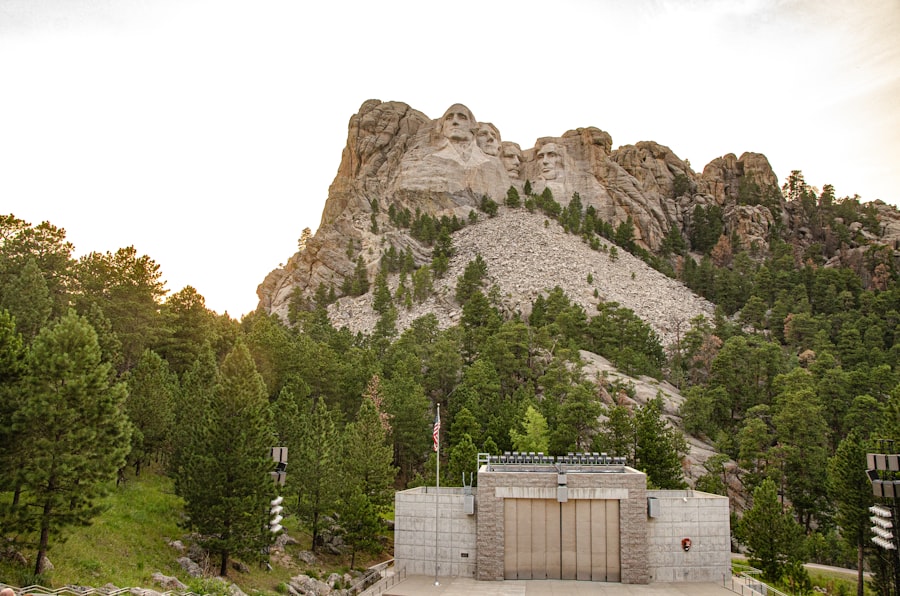
Presidents Day serves as a poignant reminder of the values and principles established by America’s Founding Fathers. These visionary leaders laid the groundwork for a democratic society based on liberty, justice, and equality. The holiday provides an opportunity for citizens to reflect on the ideals that these leaders championed and how they continue to influence contemporary governance.
By honoring figures such as George Washington, Thomas Jefferson, and Benjamin Franklin, Americans are reminded of the sacrifices made to secure their freedoms. In many ways, Presidents Day encourages a deeper understanding of the complexities surrounding these historical figures. While they are celebrated for their contributions to the nation, it is also essential to acknowledge their flaws and the context in which they lived.
For instance, discussions around slavery and civil rights often arise during this time, prompting conversations about how far the nation has come and the work that still lies ahead. By engaging with both the triumphs and shortcomings of America’s Founding Fathers, citizens can cultivate a more nuanced appreciation for their legacies.
The Significance of Presidents Day
| Year | Significance |
|---|---|
| 1732 | Birth of George Washington |
| 1885 | First recognized as a federal holiday |
| 1971 | Officially observed on the third Monday of February |
| 2022 | Celebrated on February 21st |
The significance of Presidents Day extends beyond mere commemoration; it serves as a vital reminder of the responsibilities that come with leadership and citizenship. As Americans reflect on the lives of their presidents, they are encouraged to consider what it means to be an engaged citizen in a democratic society. The holiday prompts individuals to think critically about their role in shaping the future of their country and upholding the values that define it.
Moreover, Presidents Day highlights the importance of unity and collaboration in governance. The diverse backgrounds and ideologies of past presidents illustrate that effective leadership often requires compromise and dialogue. In an era marked by political polarization, this holiday serves as a call to action for citizens to engage in constructive conversations about their differences while working towards common goals.
By fostering a sense of community and shared purpose, Presidents Day reinforces the idea that democracy thrives when individuals come together to support one another.
The Evolution of Presidents Day
Over the years, Presidents Day has undergone significant changes in its observance and meaning. Initially focused solely on George Washington’s birthday, it has transformed into a broader celebration of all U.S. presidents. This evolution reflects changing societal values and an increasing recognition of the diverse contributions made by various leaders throughout American history. As new generations emerge, so too does the understanding of what it means to honor those who have held the highest office in the land. The commercialization of Presidents Day is another notable aspect of its evolution. While originally intended as a day of reflection and education, it has increasingly become associated with sales and promotions across various industries. Retailers capitalize on the holiday by offering discounts on everything from furniture to electronics, transforming it into a shopping event that rivals Black Friday. This shift raises questions about how society balances commercial interests with meaningful observance, prompting discussions about consumerism’s role in cultural celebrations.
Presidential Trivia and Fun Facts
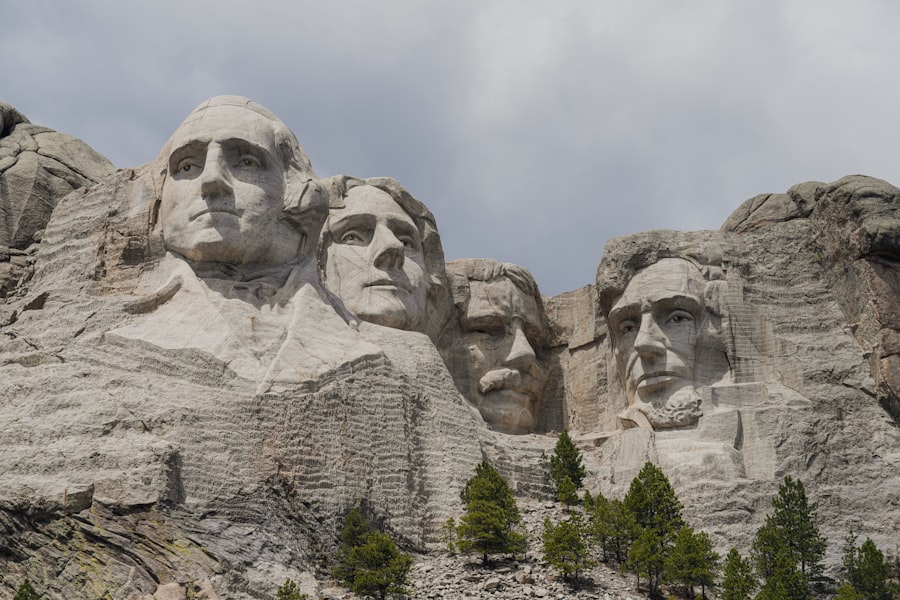
Presidents Day is not only an occasion for reflection but also an opportunity for fun and engaging trivia about America’s leaders. For instance, did you know that George Washington was not only the first president but also a skilled surveyor? His expertise in land surveying played a crucial role in his military strategies during the Revolutionary War.
Additionally, Abraham Lincoln is remembered not only for his leadership during the Civil War but also for being a self-taught lawyer who had a passion for reading. Another interesting fact is that Theodore Roosevelt was awarded the Nobel Peace Prize in 1906 for his role in negotiating peace between Russia and Japan during the Russo-Japanese War. This achievement marked him as the first sitting president to receive such an honor.
These tidbits not only entertain but also serve to deepen our understanding of each president’s unique contributions to American history.
Presidents Day Sales and Deals
In contemporary society, Presidents Day has become synonymous with sales and discounts across various retail sectors. Many consumers eagerly anticipate this holiday as an opportunity to score significant deals on everything from appliances to automobiles. Retailers often promote “Presidents Day Sales” as a way to attract shoppers looking for bargains during this long weekend.
This trend has transformed what was once primarily a day of remembrance into a commercial event that stimulates economic activity. While some may view this commercialization as detracting from the holiday’s original purpose, others appreciate the chance to save money while participating in a national observance. The influx of sales can also encourage families to come together for shopping excursions or online purchases, fostering a sense of community even amidst consumerism.
Ultimately, Presidents Day sales reflect a blend of tradition and modernity, showcasing how cultural observances can adapt over time while still retaining their core significance.
The Legacy of America’s Presidents
The legacy of America’s presidents is woven into the very fabric of the nation’s identity. Each leader has left an indelible mark on history through their policies, decisions, and personal stories. From Washington’s establishment of precedents for future leaders to Lincoln’s fight for unity during one of America’s darkest periods, these figures have shaped not only governmental structures but also societal values.
As citizens celebrate Presidents Day each year, they are reminded that these legacies are not static; they continue to evolve as new generations interpret their significance through contemporary lenses. The ongoing discussions about leadership qualities, ethical governance, and civic responsibility are essential components of this legacy. By honoring past presidents while engaging with their stories critically, Americans can ensure that their contributions remain relevant in shaping future leaders and guiding national discourse.
In conclusion, Presidents Day serves as both a celebration and a reflection on America’s past leaders. It invites citizens to engage with history while considering their roles in shaping democracy today. Through education, community events, and even commercial activities, this holiday fosters a sense of unity and purpose among Americans as they honor those who have served as stewards of their nation’s ideals.
In honor of Presidents Day, it is important to reflect on the leadership qualities that make a great president. One article that delves into this topic is “The 10 Qualities of a Great Leader” from Boogger. This article discusses the key characteristics that successful leaders possess, such as integrity, vision, and communication skills. By embodying these qualities, presidents can effectively lead their country and make a positive impact on society.
FAQs
What is Presidents Day?
Presidents Day is a federal holiday in the United States that is celebrated on the third Monday in February. It is a day to honor and celebrate the contributions and achievements of the country’s presidents, past and present.
Why is Presidents Day celebrated?
Presidents Day was originally established to honor the birthday of George Washington, the first President of the United States. Over time, the holiday has evolved to also recognize the contributions of all U.S. presidents.
When is Presidents Day celebrated?
Presidents Day is celebrated on the third Monday in February. This date was chosen to create a long weekend for Americans, as it falls between the birthdays of Presidents George Washington and Abraham Lincoln.
How is Presidents Day celebrated?
Presidents Day is celebrated with various activities and events across the United States. Many people take advantage of the long weekend to travel, spend time with family, or participate in community events that honor the country’s presidents.
Is Presidents Day a national holiday?
Yes, Presidents Day is a federal holiday in the United States. This means that federal government offices, banks, and many businesses are closed on this day. However, some businesses and schools may remain open or have modified hours.