Now Reading: Police Department Implements New Community Policing Strategy
-
01
Police Department Implements New Community Policing Strategy
Police Department Implements New Community Policing Strategy
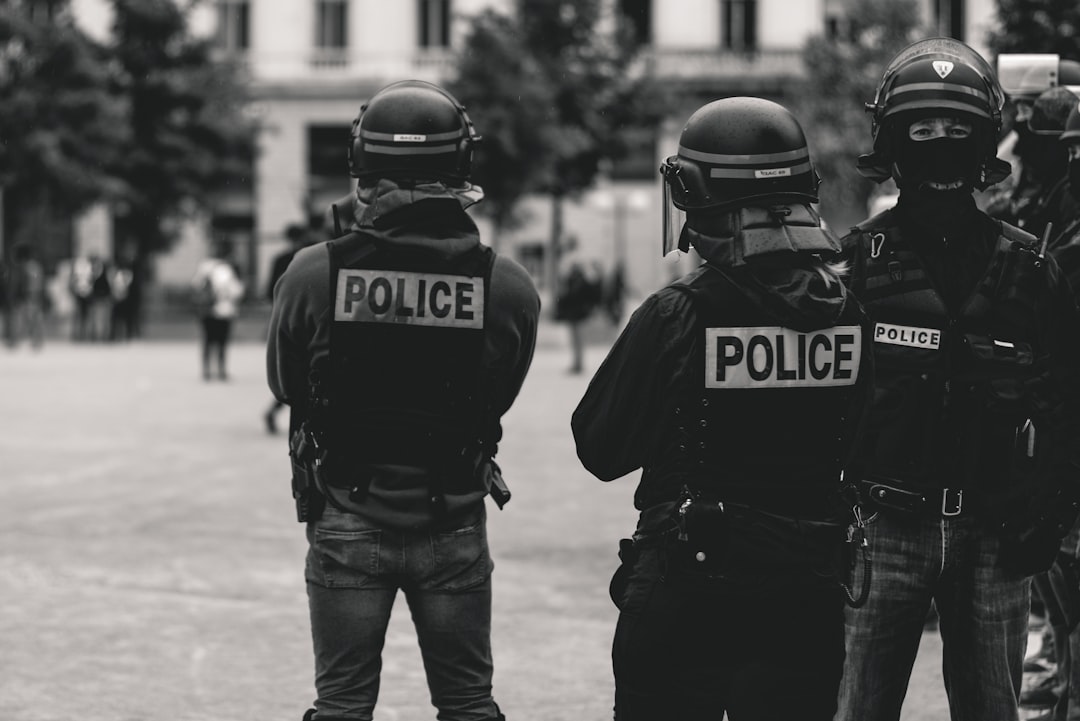
In recent years, law enforcement agencies worldwide have recognized the need to change their policing methods.
This strategy emphasizes active engagement, positioning officers as community members rather than just law enforcers.
By focusing on relationship-building instead of traditional enforcement, this model aims to improve public safety while addressing underlying causes of criminal behavior. The strategy is characterized by its comprehensive approach to community safety, which includes crime reduction alongside efforts to strengthen social cohesion and community wellness. By incorporating community feedback into policing practices, law enforcement agencies can develop targeted approaches for diverse populations with specific needs.
This article examines how policing strategies have evolved, explains the evidence supporting this new approach, and analyzes its potential effects on crime prevention and public safety outcomes.
Key Takeaways
- The new community policing strategy emphasizes collaboration between police and local communities to enhance public safety.
- It replaces the previous approach by focusing more on proactive engagement rather than reactive enforcement.
- Key components include specialized training for officers, increased community involvement, and transparent accountability measures.
- Early impacts show improvements in crime prevention and stronger trust between police and residents.
- Ongoing challenges exist, but community feedback is largely positive, with plans for further expansion underway.
Overview of the Previous Policing Approach
Historically, policing has often been characterized by a top-down, reactive model that emphasizes law enforcement as a primary function. This traditional approach typically involved a significant presence of uniformed officers patrolling neighborhoods, responding to calls for service, and enforcing laws with little interaction with community members. While this model may have been effective in certain contexts, it often fostered an adversarial relationship between police and citizens, leading to mistrust and a lack of cooperation.
The previous strategy was largely focused on crime statistics and arrest rates as indicators of success. Officers were often evaluated based on their ability to respond quickly to incidents and make arrests, which inadvertently encouraged a culture of enforcement over engagement. This approach frequently overlooked the underlying social issues contributing to criminal behavior, such as poverty, lack of education, and mental health challenges.
As a result, communities often felt alienated from their police forces, leading to increased tensions and a cycle of distrust.
Rationale for Implementing the New Strategy

The shift towards a New Community Policing Strategy is driven by several compelling factors. First and foremost, there is a growing recognition that effective policing requires collaboration with community members to address the root causes of crime. Research has shown that communities with strong social ties and active citizen participation experience lower crime rates.
By fostering relationships with residents, police can gain valuable insights into local issues and work collaboratively to develop solutions. Moreover, incidents of police misconduct and systemic racism have prompted calls for reform within law enforcement agencies. The New Community Policing Strategy aims to rebuild trust by promoting transparency, accountability, and community involvement in policing practices.
By prioritizing community engagement, police departments can demonstrate their commitment to serving all citizens equitably and justly.
Key Components of the New Community Policing Strategy
The New Community Policing Strategy encompasses several key components designed to enhance collaboration between law enforcement and community members. One fundamental aspect is the establishment of community advisory boards that include diverse stakeholders from various backgrounds. These boards serve as platforms for dialogue, allowing residents to voice their concerns and provide input on policing practices.
Another critical component is the implementation of neighborhood policing teams that focus on specific areas within communities. These teams consist of officers who are assigned to particular neighborhoods for extended periods, enabling them to build relationships with residents and gain a deeper understanding of local dynamics. This localized approach fosters familiarity and trust, making it easier for officers to address issues collaboratively.
Additionally, the strategy emphasizes problem-oriented policing, which involves identifying specific problems within communities and developing tailored interventions. This proactive approach encourages officers to work alongside community members to devise solutions that address underlying issues rather than merely responding to incidents after they occur.
Training and Education for Police Officers
| Metric | Value | Year |
|---|---|---|
| Number of Police Officers in the US | 697,195 | 2023 |
| Average Police Response Time (minutes) | 7.5 | 2023 |
| Police Clearance Rate for Violent Crimes (%) | 46 | 2022 |
| Police Clearance Rate for Property Crimes (%) | 18 | 2022 |
| Number of Police-Related Fatalities | 1,100 | 2023 |
| Percentage of Police Officers Wearing Body Cameras | 70 | 2023 |
| Average Training Hours per Police Officer | 600 | 2023 |
To effectively implement the New Community Policing Strategy, comprehensive training and education for police officers are paramount. Traditional training programs often focus primarily on law enforcement techniques; however, the new strategy necessitates a broader curriculum that includes conflict resolution, cultural competency, and community engagement skills. Officers must be equipped with the tools to navigate complex social dynamics and understand the diverse backgrounds of the communities they serve.
Training programs should incorporate scenario-based exercises that simulate real-life interactions with community members, allowing officers to practice de-escalation techniques and effective communication strategies. Furthermore, ongoing professional development is essential to ensure that officers remain informed about best practices in community policing. Regular workshops and seminars can provide opportunities for officers to learn from experts in fields such as social work, mental health, and community organizing, thereby enhancing their ability to address multifaceted issues within communities.
Community Engagement and Collaboration

Community engagement is at the heart of the New Community Policing Strategy. Building trust requires consistent interaction between police officers and residents through various initiatives such as neighborhood meetings, community events, and outreach programs. These interactions create opportunities for open dialogue, allowing residents to express their concerns while also providing officers with insights into local issues.
Collaboration with local organizations is another vital aspect of community engagement. Police departments can partner with schools, non-profits, and faith-based organizations to address social challenges collectively. For instance, initiatives focused on youth mentorship or mental health support can help mitigate factors contributing to criminal behavior while fostering positive relationships between police and community members.
Moreover, leveraging technology can enhance community engagement efforts. Social media platforms can serve as tools for communication, allowing police departments to share information about local events, safety tips, and crime trends while also providing residents with a space to voice their concerns or report issues anonymously.
Impact on Crime Prevention and Public Safety
The anticipated impact of the New Community Policing Strategy on crime prevention and public safety is significant.
Research indicates that communities with active engagement in policing efforts experience lower crime rates compared to those with minimal interaction.
When residents trust their police force, they are more likely to cooperate in investigations and provide valuable information that can lead to crime prevention. Additionally, addressing underlying social issues through collaborative initiatives can lead to long-term reductions in crime. Programs focused on education, job training, and mental health support can help mitigate factors that contribute to criminal behavior while promoting overall community well-being.
Measures for Accountability and Evaluation
To ensure the effectiveness of the New Community Policing Strategy, robust measures for accountability and evaluation must be established. Police departments should implement performance metrics that go beyond traditional crime statistics to assess the success of community engagement efforts. Surveys measuring community perceptions of safety and trust in law enforcement can provide valuable insights into the effectiveness of policing strategies.
Additionally, regular assessments of community advisory boards’ feedback can help identify areas for improvement while ensuring that residents feel heard and valued. Transparency is also crucial in maintaining accountability. Police departments should publicly share data related to crime rates, officer interactions with community members, and outcomes of community engagement initiatives.
This openness fosters trust between law enforcement agencies and the communities they serve.
Challenges and Potential Obstacles
While the New Community Policing Strategy holds great promise, several challenges may arise during its implementation. Resistance from within law enforcement agencies can hinder progress; some officers may be reluctant to embrace a more collaborative approach or may feel that it undermines traditional policing methods. Additionally, systemic issues such as budget constraints or lack of resources can impede efforts to fully realize the strategy’s potential.
Adequate funding is essential for training programs, community outreach initiatives, and technology investments that facilitate engagement. Moreover, building trust in communities with a history of negative interactions with law enforcement may take time. Overcoming deep-seated mistrust requires consistent effort from police departments to demonstrate their commitment to serving all citizens equitably.
Community Feedback and Support
Community feedback is invaluable in shaping the New Community Policing Strategy’s effectiveness. Engaging residents in discussions about their experiences with law enforcement can provide critical insights into areas needing improvement or adjustment. Police departments should actively solicit feedback through surveys, town hall meetings, or focus groups that allow residents to share their perspectives on policing practices.
This input can inform policy changes while fostering a sense of ownership among community members regarding their safety. Support from local leaders and organizations is also crucial in promoting the strategy’s success. Collaborating with influential figures within communities can help amplify messages about the importance of community policing while encouraging residents to participate actively in safety initiatives.
Future Plans and Expansion of the Strategy
Looking ahead, there are plans for expanding the New Community Policing Strategy across various jurisdictions. As more police departments recognize its potential benefits, efforts will be made to share best practices and lessons learned from successful implementations. Future initiatives may include developing specialized units focused on addressing specific issues such as youth violence or substance abuse through collaborative approaches involving community stakeholders.
Additionally, leveraging technology advancements can enhance communication channels between police forces and residents. Ultimately, the goal is to create a sustainable model of policing that prioritizes community well-being while ensuring public safety through collaboration and trust-building efforts. In summary, the New Community Policing Strategy represents a transformative approach aimed at fostering collaboration between law enforcement agencies and communities.
By prioritizing engagement over enforcement, this strategy seeks to build trust while addressing underlying social issues contributing to crime. Through comprehensive training for officers, active community involvement, accountability measures, and ongoing evaluation efforts, this model aims to enhance public safety while promoting social cohesion within diverse populations. The future holds promise for expanding these initiatives as more jurisdictions recognize their potential impact on creating safer communities for all citizens.
In recent discussions about police work and community relations, understanding the impact of federal holidays on law enforcement schedules is crucial. For instance, the article on federal paid holidays provides insights into how these days off can affect police staffing and community safety. You can read more about it in this informative piece: Federal Paid Holidays: A Guide for Time Off.
FAQs
What is the primary role of the police?
The primary role of the police is to maintain public order, enforce laws, prevent crime, and protect citizens and property.
How are police officers trained?
Police officers typically undergo training at a police academy, where they learn about law enforcement techniques, criminal law, firearms handling, emergency response, and community relations.
What powers do police officers have?
Police officers have the authority to arrest individuals suspected of committing crimes, conduct investigations, issue citations, and use reasonable force when necessary to enforce the law.
Are police departments government agencies?
Yes, police departments are government agencies that operate at local, state, or federal levels to enforce laws within their jurisdiction.
What is community policing?
Community policing is a strategy that emphasizes building relationships between police officers and community members to collaboratively address safety concerns and improve trust.
How can citizens report a crime to the police?
Citizens can report crimes by calling emergency numbers like 911, visiting a local police station, or using online reporting tools provided by some police departments.
What rights do individuals have when interacting with the police?
Individuals have rights such as the right to remain silent, the right to legal counsel, protection against unlawful searches and seizures, and the right to be free from excessive force.
What is the difference between local police and federal law enforcement?
Local police enforce laws within cities or municipalities, while federal law enforcement agencies handle crimes that cross state lines or involve federal laws.
How do police departments handle complaints against officers?
Complaints are typically investigated by internal affairs divisions or independent oversight bodies to ensure accountability and address misconduct.
What equipment do police officers commonly use?
Police officers commonly use equipment such as firearms, handcuffs, radios, body cameras, batons, and protective gear to perform their duties safely and effectively.