
Now Reading: Ozempic Shortage: What to Do?
-
01
Ozempic Shortage: What to Do?
Ozempic Shortage: What to Do?

Ozempic, a glucagon-like peptide-1 (GLP-1) receptor agonist, has gained significant attention for its efficacy in managing type 2 diabetes and aiding in weight loss. This injectable medication works by enhancing insulin secretion, suppressing glucagon release, and slowing gastric emptying, which collectively contribute to improved glycemic control. However, the recent shortage of Ozempic has left many patients and healthcare providers grappling with the implications of this scarcity.
The demand for this medication has surged, leading to challenges in accessibility and availability. The Ozempic shortage is not merely a logistical issue; it represents a critical concern for individuals relying on this medication for their diabetes management. Patients who have experienced positive outcomes with Ozempic may find themselves in a precarious situation, as the absence of this treatment can lead to deteriorating health conditions.
Understanding the nuances of this shortage is essential for both patients and healthcare professionals to navigate the complexities of diabetes management effectively.
Key Takeaways
- The Ozempic shortage is impacting many individuals who rely on this medication to manage their diabetes.
- The shortage may be caused by various factors such as manufacturing issues, supply chain disruptions, and increased demand.
- Patients can explore alternative medications with their healthcare provider to effectively manage their diabetes during the shortage.
- It is important to consult with your healthcare provider to discuss the best course of action for managing your diabetes without Ozempic.
- Seeking support from diabetes communities and staying informed about the availability of Ozempic can help individuals cope with the emotional impact of the shortage and advocate for access to the medication.
Exploring the Causes of the Shortage
Several factors contribute to the ongoing Ozempic shortage, each interlinked and multifaceted. One primary reason is the unprecedented increase in demand for GLP-1 receptor agonists, driven by rising obesity rates and an increasing prevalence of type 2 diabetes. As more individuals seek effective treatment options, pharmaceutical companies struggle to keep pace with production demands.
This surge in demand has outstripped supply capabilities, resulting in significant shortages across various regions.
The production of Ozempic involves intricate processes that require stringent quality control measures.
Any disruptions in manufacturing, whether due to equipment malfunctions or regulatory compliance issues, can lead to delays in product availability. Furthermore, global supply chain disruptions, particularly those stemming from the COVID-19 pandemic, have impacted the distribution of raw materials necessary for drug production. These compounding factors have created a perfect storm, leading to the current shortage of Ozempic.
Finding Alternative Medications

In light of the Ozempic shortage, it is crucial for patients to explore alternative medications that can effectively manage their diabetes. Several other GLP-1 receptor agonists are available on the market, such as Trulicity (dulaglutide) and Victoza (liraglutide). These alternatives share similar mechanisms of action and can provide comparable benefits in terms of glycemic control and weight management.
Moreover, other classes of diabetes medications may also be considered. For instance, sodium-glucose cotransporter-2 (SGLT-2) inhibitors like Jardiance (empagliflozin) and Farxiga (dapagliflozin) offer unique benefits by promoting glucose excretion through urine while also providing cardiovascular protection. Additionally, metformin remains a cornerstone in diabetes management due to its effectiveness and safety profile.
Patients should engage in discussions with their healthcare providers to identify suitable alternatives tailored to their individual health needs.
Consulting with Your Healthcare Provider
| Metrics | Data |
|---|---|
| Number of Consultations | 25 |
| Average Consultation Duration | 30 minutes |
| Consultation Satisfaction Rate | 90% |
| Consultation Cost | 100 per session |
Consultation with a healthcare provider is paramount during this period of uncertainty regarding Ozempic availability. Patients should proactively reach out to their endocrinologists or primary care physicians to discuss their treatment options and any concerns they may have regarding their diabetes management. Healthcare professionals can provide personalized recommendations based on a patient’s medical history, current health status, and treatment goals.
During these consultations, it is essential for patients to communicate openly about their experiences with Ozempic and any side effects they may have encountered. This information can guide healthcare providers in selecting alternative medications that align with the patient’s preferences and lifestyle.
Managing Your Diabetes Without Ozempic
Managing diabetes without Ozempic requires a comprehensive approach that encompasses lifestyle modifications, dietary changes, and regular monitoring of blood glucose levels. Patients should prioritize a balanced diet rich in whole foods, including fruits, vegetables, lean proteins, and whole grains while minimizing processed foods high in sugars and unhealthy fats. Portion control is also vital in maintaining stable blood sugar levels.
Incorporating physical activity into daily routines can significantly enhance insulin sensitivity and overall metabolic health. Engaging in at least 150 minutes of moderate-intensity aerobic exercise per week, combined with strength training exercises twice a week, can yield substantial benefits for individuals with type 2 diabetes. Furthermore, stress management techniques such as mindfulness meditation or yoga can help mitigate the impact of stress on blood sugar levels.
Coping with the Emotional Impact of the Shortage
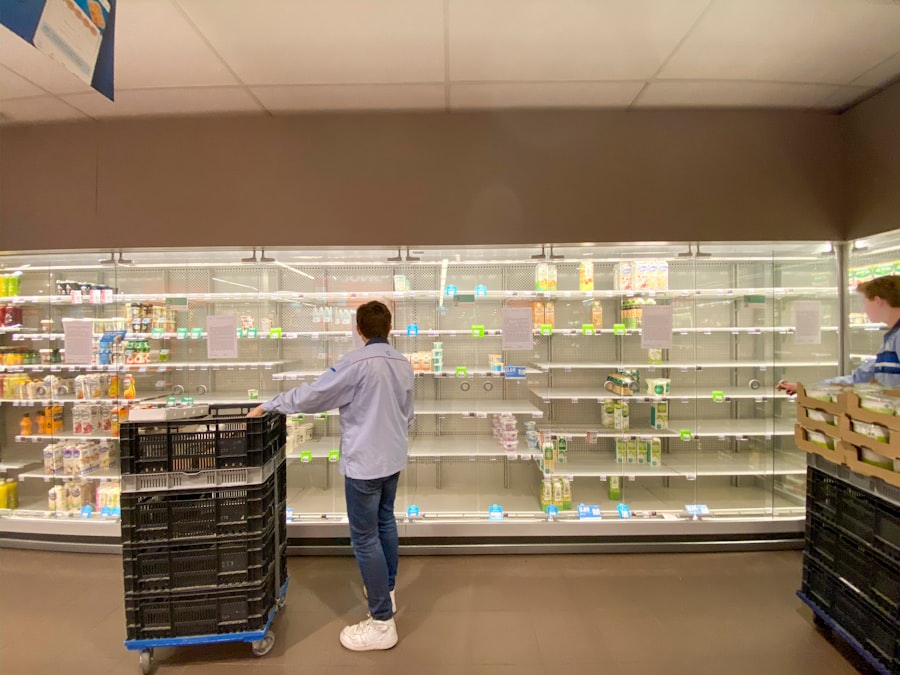
The emotional toll of the Ozempic shortage cannot be understated. Many patients may experience feelings of anxiety, frustration, or helplessness as they navigate their diabetes management without their preferred medication. It is essential to acknowledge these emotions and seek support from mental health professionals or diabetes support groups.
Engaging in open conversations with family members or friends about these feelings can also provide emotional relief. Sharing experiences with others who are facing similar challenges can foster a sense of community and understanding. Additionally, practicing self-care strategies such as journaling or engaging in hobbies can help alleviate stress and promote emotional well-being during this challenging time.
Staying Informed about the Availability of Ozempic
Staying informed about the availability of Ozempic is crucial for patients who rely on this medication for their diabetes management. Regularly checking with local pharmacies and healthcare providers can provide updates on stock levels and anticipated restocking dates. Patients may also consider signing up for notifications from pharmaceutical companies or pharmacy chains regarding product availability.
Furthermore, utilizing online resources such as patient advocacy organizations or diabetes-focused websites can offer valuable insights into the current state of the Ozempic shortage. These platforms often provide updates on supply chain issues and potential solutions for patients seeking alternative treatments.
Advocating for Access to Ozempic
Advocacy plays a vital role in addressing the Ozempic shortage and ensuring that patients have access to necessary medications. Patients can engage in advocacy efforts by contacting their local representatives or participating in campaigns aimed at raising awareness about the challenges posed by medication shortages. Sharing personal stories about the impact of the shortage on diabetes management can help humanize the issue and drive change.
Additionally, collaborating with diabetes advocacy organizations can amplify efforts to address systemic issues contributing to medication shortages. These organizations often have established channels for communicating with policymakers and pharmaceutical companies, making them valuable allies in advocating for improved access to essential medications like Ozempic.
Seeking Support from Diabetes Communities
Connecting with diabetes communities can provide invaluable support during the Ozempic shortage. Online forums, social media groups, and local support networks offer platforms for individuals to share experiences, exchange information about alternative treatments, and provide emotional support to one another. Engaging with others who understand the challenges of living with diabetes can foster a sense of belonging and reduce feelings of isolation.
Participating in community events or educational workshops can also enhance knowledge about diabetes management strategies beyond medication reliance. These gatherings often feature expert speakers who can provide insights into emerging treatments and lifestyle modifications that can benefit individuals living with diabetes.
Taking Care of Your Overall Health during the Shortage
During the Ozempic shortage, prioritizing overall health is essential for individuals managing diabetes. Regular health check-ups are crucial for monitoring not only blood glucose levels but also other health parameters such as blood pressure and cholesterol levels. Maintaining a healthy weight through balanced nutrition and physical activity can significantly impact overall well-being.
Additionally, staying up-to-date with vaccinations is vital for preventing infections that could complicate diabetes management. Patients should consult their healthcare providers about recommended vaccinations based on their individual health profiles.
Planning for the Future of Your Diabetes Management
As the landscape of diabetes management continues to evolve, it is essential for patients to develop a proactive plan for their future care. This includes setting realistic goals for blood sugar control and exploring various treatment options available beyond Ozempic. Engaging in continuous education about diabetes management can empower patients to make informed decisions regarding their health.
Moreover, establishing a strong partnership with healthcare providers will facilitate ongoing discussions about treatment adjustments as new medications become available or as individual health needs change over time. By remaining adaptable and informed, patients can navigate their diabetes journey more effectively despite challenges such as medication shortages. In summary, the Ozempic shortage presents significant challenges for individuals managing type 2 diabetes; however, understanding its causes and exploring alternative medications are crucial steps toward effective management.
Consulting healthcare providers and engaging with supportive communities can alleviate emotional distress while promoting overall health during this period of uncertainty. Advocacy efforts play a vital role in ensuring access to necessary medications moving forward, empowering patients to take charge of their health journey amidst adversity.
There has been a recent surge in demand for the popular diabetes medication Ozempic, causing it to be out of stock in many pharmacies. This shortage has left many patients scrambling to find alternative options. For more information on managing diabetes and finding suitable alternatives during this time, check out this insightful article on


