Now Reading: National Day Tomorrow: Celebrating Our Country’s Pride
-
01
National Day Tomorrow: Celebrating Our Country’s Pride
National Day Tomorrow: Celebrating Our Country’s Pride

National Day is a significant occasion that commemorates the establishment of a nation, marking its independence, unification, or the adoption of a constitution. The origins of National Day can be traced back to various historical events that shaped the identity and sovereignty of a country. For many nations, this day serves as a reminder of the struggles and sacrifices made by their forebears in the pursuit of freedom and self-determination.
The specific date and events celebrated vary widely from one country to another, reflecting the unique historical narratives that define each nation. In some cases, National Day is linked to pivotal moments in history, such as the signing of a declaration of independence or the end of colonial rule. For instance, in the United States, Independence Day on July 4th celebrates the adoption of the Declaration of Independence in 1776, while in India, August 15th marks the end of British rule in 1947.
These historical milestones are not merely dates on a calendar; they encapsulate the spirit of resilience and unity that characterizes a nation’s journey. As countries evolve, so too do their National Days, often adapting to reflect contemporary values and aspirations while honoring their past.
Traditions and Customs
The traditions and customs associated with National Day vary significantly across different cultures, yet they all share a common thread: a deep sense of national pride. In many countries, National Day is marked by parades, fireworks, and public ceremonies that bring citizens together in celebration. These events often feature displays of national symbols, such as flags and anthems, which serve to reinforce a collective identity among the populace.
In some nations, traditional dances and music are integral to the festivities, showcasing the rich cultural heritage that contributes to national identity. In addition to public celebrations, many families observe National Day through personal rituals that reflect their own connections to their country. This may include decorating homes with national flags, hosting gatherings with friends and family, or participating in community service projects that promote national unity.
Such customs foster a sense of belonging and encourage individuals to reflect on their role within the larger tapestry of their nation. As people come together to celebrate their shared history and values, these traditions help to strengthen social bonds and cultivate a spirit of cooperation among citizens.
Importance of National Day

National Day holds profound significance for citizens as it serves as a reminder of their shared history and collective identity. It is an opportunity for individuals to reflect on the values that underpin their nation—values such as freedom, justice, and equality.
This day acts as a catalyst for national reflection, prompting discussions about progress, challenges, and aspirations. Moreover, National Day plays a crucial role in fostering unity among diverse populations within a country. In many nations, citizens come from various ethnic, cultural, and religious backgrounds.
National Day celebrations provide a platform for individuals to set aside their differences and come together in solidarity. This sense of unity is essential for social cohesion and national stability, as it reinforces the idea that despite individual differences, all citizens share a common bond rooted in their nationality. By celebrating together, people can cultivate mutual respect and understanding, which are vital for building a harmonious society.
National Day Celebrations
| Country | Date | Activities |
|---|---|---|
| United States | July 4th | Fireworks, parades, barbecues |
| Canada | July 1st | Fireworks, concerts, carnivals |
| India | August 15th | Flag hoisting, cultural events |
The celebrations surrounding National Day are often grand and multifaceted, reflecting the unique character of each nation. In many countries, the day begins with official ceremonies attended by government officials and dignitaries. These events typically include speeches that highlight the significance of the day and honor those who have contributed to the nation’s development.
The presence of military parades is also common, showcasing national pride through displays of strength and discipline. Such spectacles not only serve as entertainment but also reinforce a sense of security and patriotism among citizens. In addition to formal events, communities across the nation engage in various festivities that bring people together.
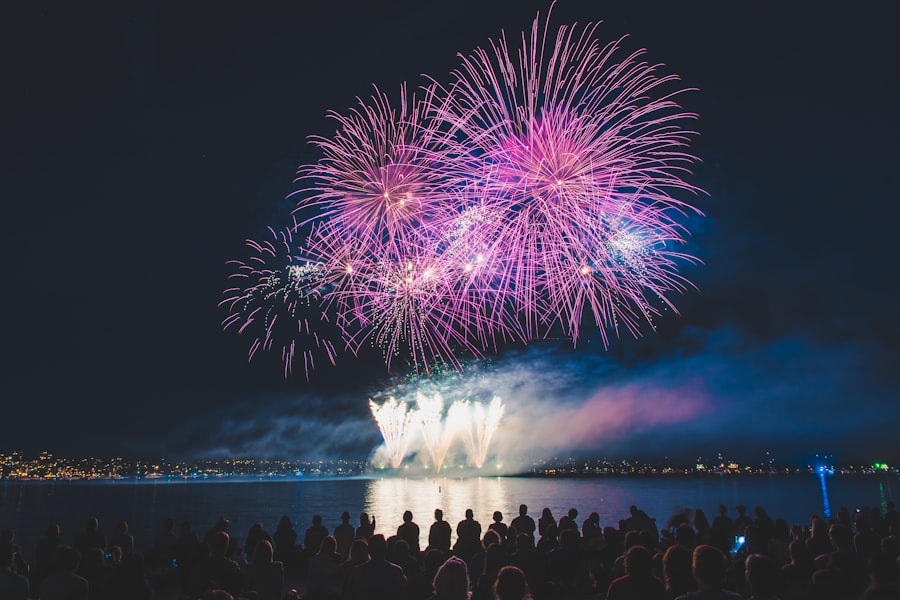
Concerts featuring local artists, cultural exhibitions showcasing traditional crafts, and food fairs celebrating regional cuisines are just a few examples of how citizens participate in the joy of National Day. Fireworks light up the night sky in many places, symbolizing hope and celebration. These communal activities foster a sense of belonging and create lasting memories for families and friends as they come together to honor their nation.
National Day Events and Activities
National Day is often marked by a plethora of events and activities designed to engage citizens of all ages. From educational programs in schools to community service initiatives, there are numerous ways for individuals to participate in the celebrations. Schools may organize special assemblies or projects that teach students about their country’s history and values, instilling a sense of pride from an early age.
These educational activities not only inform young minds but also encourage them to think critically about their role in society. Community events play a vital role in fostering engagement on National Day as well. Local governments often sponsor festivals that include games, contests, and performances by local artists.
These gatherings provide an opportunity for families to enjoy quality time together while celebrating their national identity. Additionally, many organizations use this day to promote charitable causes or environmental initiatives, encouraging citizens to give back to their communities. Such activities not only enhance the spirit of camaraderie but also remind individuals that they can contribute positively to their nation beyond mere celebration.
National Day Symbols and Emblems
Symbols and emblems play an essential role in conveying the essence of a nation during National Day celebrations. The national flag is perhaps the most recognizable symbol; it represents the values and ideals that unite citizens under one banner. During National Day festivities, flags are prominently displayed on buildings, homes, and public spaces as a visual representation of national pride.
The colors and designs of flags often carry historical significance or reflect cultural heritage, making them powerful symbols of identity. In addition to flags, national anthems serve as another important emblem during celebrations. The singing of the national anthem evokes feelings of patriotism and unity among citizens as they join together in expressing their love for their country.
Other symbols may include national animals or flowers that hold special meaning within a culture. These emblems serve not only as reminders of what it means to be part of a nation but also as sources of inspiration for future generations who will carry forward the legacy of their ancestors.
National Day Food and Cuisine
Food plays an integral role in National Day celebrations across cultures, serving as both sustenance and a means of bringing people together. Traditional dishes often take center stage during these festivities, showcasing regional flavors and culinary heritage that reflect the diversity within a nation. Families may prepare special meals that have been passed down through generations or participate in potluck-style gatherings where everyone contributes their favorite dishes.
This culinary exchange fosters community spirit while allowing individuals to share their cultural backgrounds. In many countries, street food festivals or food fairs are organized as part of National Day celebrations. Vendors set up stalls offering an array of local delicacies that entice passersby with tantalizing aromas and vibrant presentations.
These events not only celebrate culinary traditions but also provide an opportunity for local businesses to thrive while promoting regional specialties. Sharing food during National Day festivities reinforces social bonds among citizens as they gather around tables or food stalls to enjoy meals together.
National Day Reflection and Unity
As National Day comes to a close each year, it offers an opportunity for reflection on what it means to be part of a nation. Citizens are encouraged to contemplate their roles within society and consider how they can contribute positively to their communities moving forward. This period of introspection is vital for fostering civic responsibility; it reminds individuals that they are not just passive observers but active participants in shaping their nation’s future.
Moreover, National Day serves as a powerful reminder of unity amidst diversity. In an increasingly globalized world where divisions can easily arise based on differences in opinion or background, this day encourages citizens to embrace their shared identity as members of one nation. By celebrating together—regardless of individual differences—people can cultivate empathy and understanding toward one another.
Ultimately, National Day is not just about commemorating historical events; it is about reinforcing the bonds that unite citizens in pursuit of common goals for a brighter future.
Tomorrow is National Day, a day to celebrate and honor our country. In preparation for this special day, it is important to reflect on the significance of our nation and the values it stands for. One article that delves into the history and importance of National Day is this insightful piece that explores the origins of this holiday and its impact on our society. It is a reminder of the unity and pride that comes with being a citizen of our great nation. Let us all come together to commemorate National Day and show our appreciation for the freedoms and opportunities we enjoy.
FAQs
What is National Day?
National Day is a day of celebration and commemoration for a country, marking its independence, founding, or another significant event in its history.
Why do countries celebrate National Day?
Countries celebrate National Day to honor and remember important events in their history, such as gaining independence or establishing a new government. It is a time for citizens to come together and celebrate their national identity and pride.
How do countries celebrate National Day?
Countries celebrate National Day with various activities and events, such as parades, fireworks, concerts, cultural performances, and official ceremonies. It is also a time for citizens to display national flags and symbols, and for leaders to give speeches and address the nation.
Is National Day a public holiday?
In many countries, National Day is a public holiday, meaning that government offices, schools, and businesses are closed to allow citizens to participate in the celebrations.
What is the significance of National Day?
National Day is significant because it serves as a reminder of a country’s history, culture, and values. It is a time for citizens to reflect on their nation’s achievements and progress, and to reaffirm their commitment to the country’s future.