Now Reading: MLK Day: Honoring a National Hero
-
01
MLK Day: Honoring a National Hero
MLK Day: Honoring a National Hero

Martin Luther King Jr. was born on January 15, 1929, in Atlanta, Georgia, into a family deeply rooted in the African American church. His father, Martin Luther King Sr., was a prominent pastor, and his mother, Alberta Williams King, was a skilled musician and educator.
Growing up in a segregated society, King experienced firsthand the injustices faced by African Americans. This early exposure to racial discrimination would shape his worldview and ignite his passion for social justice. After completing his undergraduate studies at Morehouse College, he went on to earn a doctorate in systematic theology from Boston University.
It was during this time that he was influenced by the teachings of Mahatma Gandhi, particularly the principles of nonviolent resistance.
His leadership and eloquence galvanized the African American community and drew national attention to the struggle for civil rights.
Over the next decade, King would lead numerous campaigns against racial segregation and discrimination, advocating for equality through peaceful protests, marches, and powerful speeches. His most famous address, delivered during the 1963 March on Washington for Jobs and Freedom, encapsulated his vision of a racially integrated and harmonious America. Tragically, King’s life was cut short when he was assassinated on April 4, 1968, but his legacy endures as a symbol of hope and resilience in the face of adversity.
Martin Luther King Jr. Day, observed on the third Monday of January each year, serves as a powerful reminder of King’s contributions to American society and the ongoing struggle for civil rights. Established as a federal holiday in 1983, it honors King’s tireless efforts to combat racial injustice and promote equality for all Americans.
The significance of this day extends beyond mere commemoration; it is a call to action for individuals to reflect on the values that King championed—justice, equality, and nonviolence. By dedicating a day to honor his legacy, the nation acknowledges the profound impact that one individual can have on the course of history. The establishment of MLK Day also represents a broader recognition of the Civil Rights Movement’s importance in shaping contemporary American society.
It serves as an opportunity for citizens to engage with the history of racial inequality and to consider how far the nation has come—and how far it still has to go. The holiday encourages discussions about systemic racism and social justice, prompting individuals to examine their own roles in fostering equality within their communities. In this way, MLK Day is not just a day off from work or school; it is a day of reflection and commitment to the principles that King fought for throughout his life.
How MLK Day is Celebrated Across the Country
Across the United States, Martin Luther King Jr. Day is celebrated in various ways that reflect the diverse communities and cultures within the nation. Many cities host parades and marches that honor King’s legacy and promote messages of unity and peace.
These events often feature speakers who share personal stories about how King’s work has influenced their lives or their communities. In addition to parades, educational programs are organized in schools and community centers to teach people about King’s life and the Civil Rights Movement. These programs aim to inspire younger generations to continue advocating for social justice.
In many areas, local organizations collaborate to host community service events on MLK Day. These initiatives often focus on addressing pressing social issues such as poverty, homelessness, and education inequality. Volunteers come together to clean up neighborhoods, serve meals at shelters, or mentor youth in underserved communities.
This spirit of service aligns with King’s belief that “life’s most persistent and urgent question is: ‘What are you doing for others?'” By engaging in acts of service on this day, individuals not only honor King’s legacy but also contribute to building stronger, more equitable communities.
MLK Day: A Day of Service and Volunteerism
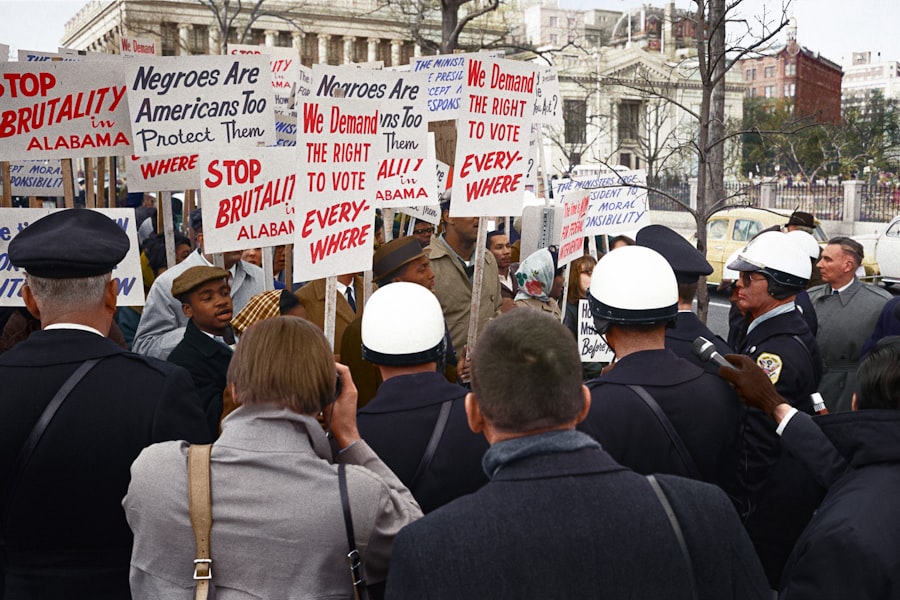
One of the most significant aspects of Martin Luther King Jr. Day is its designation as a national day of service. This initiative encourages Americans to engage in volunteer activities that benefit their communities, reflecting King’s commitment to social justice and community empowerment.
The Corporation for National and Community Service (CNCS) plays a pivotal role in promoting this day of service by providing resources and support for organizations looking to organize volunteer opportunities. From food drives to neighborhood clean-ups, countless projects take place across the country, allowing individuals to make a tangible difference in their communities. Participating in service activities on MLK Day not only honors King’s legacy but also fosters a sense of community among volunteers.
Many people find that working alongside others who share their values creates lasting connections and inspires further involvement in social causes. This collective effort reinforces the idea that change is possible when individuals come together with a shared purpose. Moreover, engaging in service can be transformative for volunteers themselves; it provides an opportunity for personal growth and a deeper understanding of the challenges faced by marginalized communities.
MLK Day: A Time for Reflection and Education
| Event | Date | Location | Attendees |
|---|---|---|---|
| MLK Day Celebration | January 18, 2021 | Virtual | 500+ |
| MLK Day March | January 18, 2021 | City Center | 1000+ |
| MLK Day Educational Seminar | January 18, 2021 | Community Center | 200+ |
MLK Day serves as an important occasion for reflection on the progress made since King’s time as well as the challenges that remain in achieving true equality. Schools and organizations often hold discussions, workshops, and seminars focused on King’s teachings and their relevance today. These educational initiatives encourage participants to critically examine issues such as systemic racism, economic inequality, and social justice movements.
By fostering open dialogue about these topics, communities can work towards greater understanding and empathy. In addition to formal educational programs, many individuals take time on MLK Day to reflect personally on King’s message and its implications for their own lives. This might involve reading his writings or watching documentaries about his life and work.
Such activities can inspire individuals to consider how they can contribute to social change in their own communities. By taking time to reflect on King’s legacy, people are reminded of the importance of standing up against injustice and advocating for those who are marginalized.
The Continued Relevance of MLK’s Message in Today’s Society
The message of Martin Luther King Jr. remains profoundly relevant in today’s society as issues of racial inequality and social injustice continue to persist. In recent years, movements such as Black Lives Matter have emerged as powerful responses to systemic racism and police brutality, echoing King’s call for justice and equality.
Activists today draw inspiration from King’s teachings on nonviolence and civil disobedience as they seek to address contemporary challenges facing marginalized communities. Moreover, King’s emphasis on love and understanding as tools for social change resonates with many who are striving for unity in an increasingly polarized world.
As society grapples with issues such as immigration reform, economic disparity, and climate change, King’s vision of a just world continues to inspire individuals to work towards solutions that prioritize compassion and equity.
Honoring MLK’s Legacy Through Social Justice and Activism

Honoring Martin Luther King Jr.’s legacy goes beyond commemorating his life; it involves actively engaging in social justice efforts that align with his vision for a more equitable society. Many organizations dedicated to civil rights continue to advocate for policies that address systemic inequalities in education, housing, healthcare, and employment. By supporting these initiatives—whether through donations, volunteering, or advocacy—individuals can contribute to the ongoing fight for justice that King championed.
Activism today takes many forms, from grassroots organizing to digital campaigns aimed at raising awareness about social issues. Young people are particularly active in using social media platforms to mobilize support for causes they believe in, echoing King’s ability to inspire collective action through powerful messaging. By participating in these movements or starting their own initiatives focused on social change, individuals can honor King’s legacy while working towards a future where equality is not just an aspiration but a reality.
The Importance of Teaching MLK’s Legacy to Future Generations
As we reflect on Martin Luther King Jr.’s life and contributions, it is crucial to ensure that future generations understand his legacy and its significance in shaping American history. Teaching young people about King’s work fosters an awareness of civil rights issues and encourages them to become active participants in their communities. Educational institutions play a vital role in this process by incorporating lessons about King into their curricula—highlighting not only his achievements but also the broader context of the Civil Rights Movement.
Moreover, instilling values such as empathy, compassion, and social responsibility in young people can empower them to carry forward King’s message into their own lives. By encouraging critical thinking about social justice issues and providing opportunities for engagement through service projects or activism, educators can inspire students to become advocates for change. In doing so, they help ensure that King’s vision of equality continues to resonate with future generations—reminding them that they too have the power to make a difference in the world around them.
In honor of Martin Luther King Jr. Day, a national holiday that celebrates the civil rights leader’s legacy, it is important to reflect on the ongoing fight for equality and justice. One related article that delves into this topic further can be found here. This article discusses the significance of MLK Day and the continued relevance of Dr. King’s message in today’s society. It serves as a reminder of the work that still needs to be done to achieve his dream of a more just and equitable world for all.
FAQs
What is MLK Day?
MLK Day, or Martin Luther King Jr. Day, is a federal holiday in the United States that honors the civil rights leader Martin Luther King Jr. It is observed on the third Monday of January each year.
When is MLK Day celebrated?
MLK Day is celebrated on the third Monday of January each year. In 2022, it falls on January 17th.
Why is MLK Day a national holiday?
MLK Day became a national holiday to honor the legacy of Martin Luther King Jr. and his contributions to the civil rights movement in the United States. It was signed into law by President Ronald Reagan in 1983 and first observed as a federal holiday on January 20, 1986.
How is MLK Day celebrated?
MLK Day is celebrated with various events and activities that honor Martin Luther King Jr.’s legacy, including community service projects, parades, and educational programs. Many people also take the day to reflect on the principles of equality, justice, and nonviolence that Dr. King advocated for.
Is MLK Day a paid holiday?
MLK Day is a federal holiday, which means that federal employees are given a day off with pay. However, whether it is a paid holiday for employees in the private sector depends on the company’s policies.
Is MLK Day a state holiday?
MLK Day is a federal holiday, and all 50 states in the United States also observe it as a state holiday.