Now Reading: Measles Prevention: The Key to Protecting Your Health
-
01
Measles Prevention: The Key to Protecting Your Health
Measles Prevention: The Key to Protecting Your Health
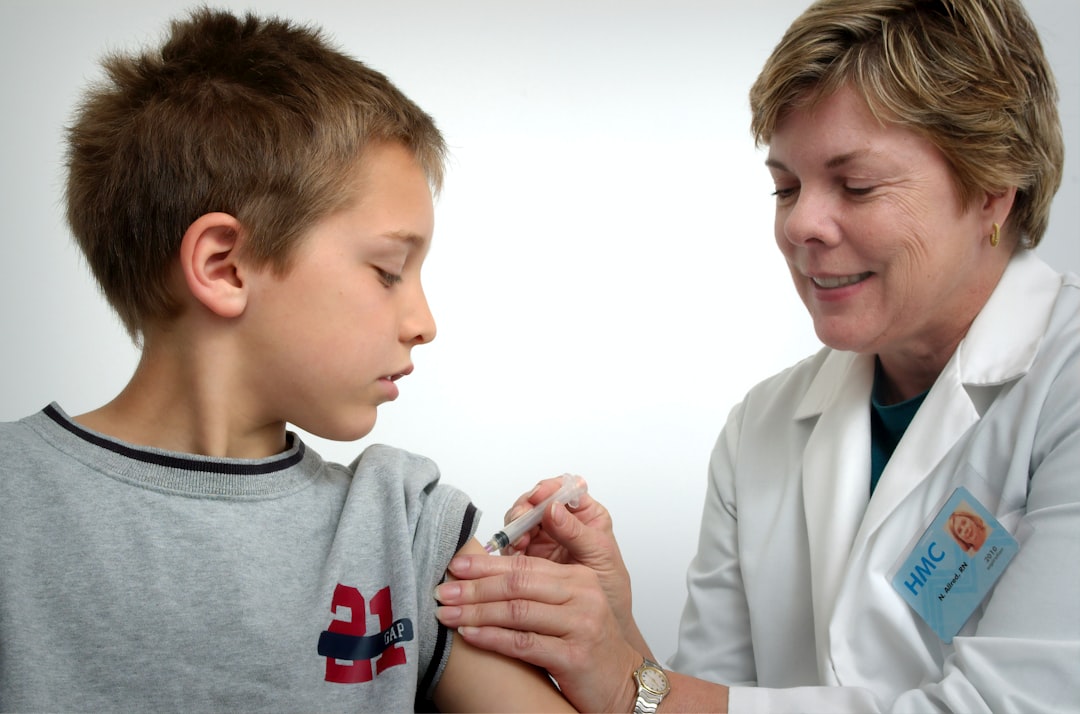
Measles is a highly contagious viral infection caused by the measles virus, which belongs to the Paramyxoviridae family. The disease is characterized by a distinct set of symptoms that typically manifest about 10 to 14 days after exposure to the virus. Initial symptoms often resemble those of a common cold, including high fever, cough, runny nose, and conjunctivitis (inflammation of the eyes).
As the illness progresses, a characteristic red, blotchy rash appears, usually starting on the face and spreading to the rest of the body. This rash is often accompanied by Koplik spots—small white lesions that can be found inside the mouth, which serve as an early indicator of measles. Complications from measles can be severe and even life-threatening.
Approximately one in three individuals who contract measles will experience complications such as diarrhea, otitis media (ear infections), and pneumonia. More serious complications include encephalitis, an inflammation of the brain that can lead to permanent neurological damage or death. The risk of complications is particularly high in young children under five years of age and in adults over twenty.
Furthermore, measles can lead to subacute sclerosing panencephalitis (SSPE), a rare but fatal degenerative neurological condition that can occur years after the initial infection. Understanding these symptoms and potential complications is crucial for early diagnosis and effective management of the disease.
Importance of Measles Vaccination
Vaccination against measles is one of the most effective public health interventions available today. The measles vaccine, typically administered as part of the measles, mumps, and rubella (MMR) vaccine, has been shown to provide long-lasting immunity against the virus. The World Health Organization (WHO) recommends that children receive two doses of the MMR vaccine: the first dose at around 12 months of age and a second dose between ages four and six.
This vaccination schedule has been instrumental in reducing the incidence of measles globally. The importance of vaccination extends beyond individual protection; it plays a critical role in community health. High vaccination coverage within a population helps to establish herd immunity, which protects those who cannot be vaccinated due to medical reasons, such as infants or individuals with compromised immune systems.
When a significant portion of the population is immunized, the spread of the virus is significantly curtailed, thereby reducing the likelihood of outbreaks. This collective immunity is essential for maintaining public health and preventing the resurgence of diseases that were once under control.
Measles Outbreaks: Risks and Impact on Public Health
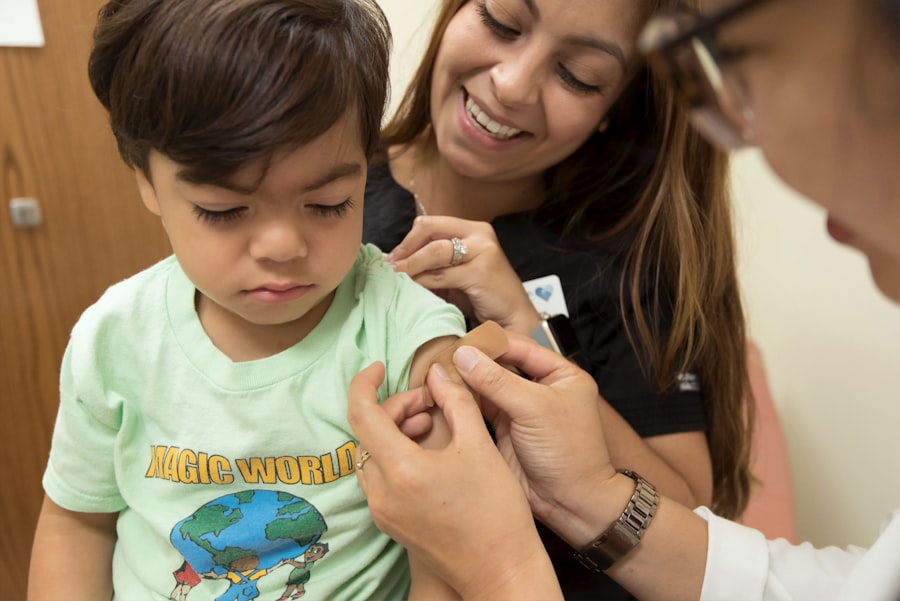
Despite the availability of an effective vaccine, measles outbreaks continue to occur in various parts of the world, often fueled by vaccine hesitancy and misinformation. In recent years, several countries have experienced significant outbreaks, leading to thousands of reported cases. For instance, in 2019, the United States witnessed its largest outbreak in nearly three decades, with over 1,200 confirmed cases across multiple states.
These outbreaks not only pose a direct risk to those infected but also strain healthcare systems and resources. The impact of measles outbreaks on public health is profound. Beyond the immediate health risks associated with the disease itself, outbreaks can lead to increased healthcare costs, lost productivity due to illness, and heightened anxiety within communities.
Public health officials often face challenges in controlling outbreaks due to misinformation about vaccines and resistance to vaccination campaigns. The ripple effects can extend beyond individual cases; for example, schools may be forced to close or implement quarantine measures, disrupting education and community life.
Measles Prevention Strategies: Vaccination and Hygiene
| Measles Prevention Strategies | Vaccination | Hygiene |
|---|---|---|
| Effectiveness | Highly effective in preventing measles | Good hygiene practices can help reduce the spread of measles |
| Implementation | Administered through vaccination programs | Practiced through regular handwashing, covering mouth when coughing or sneezing |
| Accessibility | Available in healthcare facilities and clinics | Easily accessible through basic hygiene education |
| Impact | Significantly reduces measles cases and outbreaks | Contributes to overall public health by preventing the spread of infectious diseases |
Preventing measles requires a multifaceted approach that emphasizes both vaccination and hygiene practices. Vaccination remains the cornerstone of measles prevention; however, complementary strategies are essential for reducing transmission rates. Good hygiene practices can help mitigate the spread of infectious diseases, including measles.
Simple measures such as frequent handwashing with soap and water, using hand sanitizers when soap is unavailable, and maintaining clean living environments can significantly reduce the risk of infection.
Awareness campaigns can help dispel myths surrounding vaccines and encourage parents to immunize their children on schedule.
Schools and childcare facilities play a vital role in these efforts by promoting vaccination requirements for enrollment and providing information about available resources for families. By combining vaccination efforts with hygiene education, communities can create a robust defense against measles outbreaks.
Herd Immunity: How it Protects Against Measles
Herd immunity occurs when a significant portion of a population becomes immune to an infectious disease, either through vaccination or previous infections. This phenomenon is particularly important for highly contagious diseases like measles, which has an R0 (basic reproduction number) estimated between 12 and 18—meaning that one infected person can potentially infect 12 to 18 others in a susceptible population. To achieve herd immunity against measles, vaccination coverage must reach approximately 95%.
This threshold is crucial for preventing outbreaks and protecting vulnerable individuals who cannot be vaccinated. The concept of herd immunity underscores the interconnectedness of community health. When vaccination rates are high, even those who are unvaccinated benefit from reduced exposure to the virus.
This is especially important for individuals with medical contraindications to vaccination or those who are too young to be vaccinated. However, when vaccination rates decline due to hesitancy or misinformation, herd immunity weakens, increasing the risk of outbreaks. Public health campaigns must emphasize this collective responsibility to foster a culture of vaccination that prioritizes community well-being.
Measles Vaccination: Safety and Effectiveness
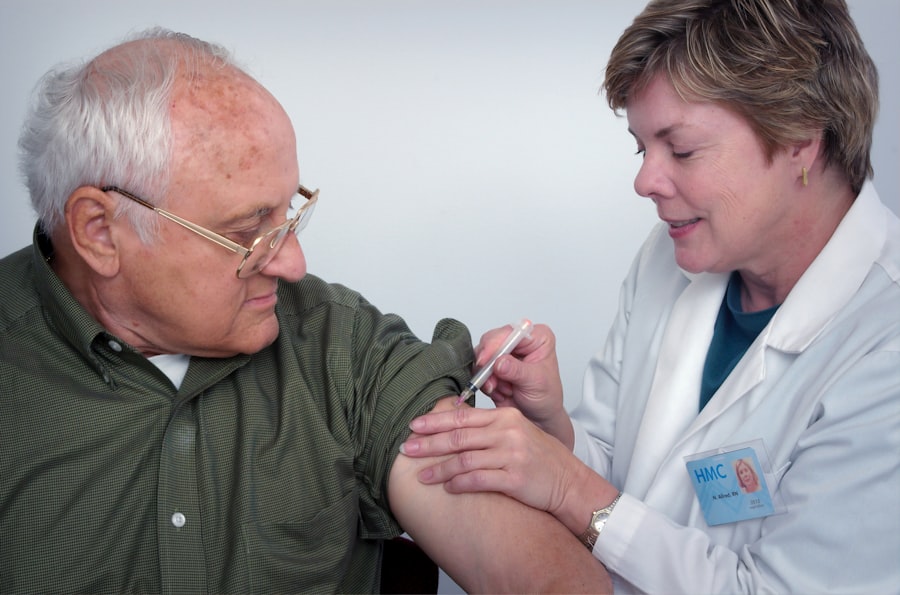
The safety and effectiveness of measles vaccination have been extensively studied and documented over several decades. The MMR vaccine has undergone rigorous testing in clinical trials before receiving approval from health authorities worldwide. Common side effects are generally mild and may include fever or a rash shortly after vaccination; serious adverse events are exceedingly rare.
The benefits of vaccination far outweigh these risks, as evidenced by the dramatic decline in measles cases since the introduction of the vaccine. Effectiveness studies show that two doses of the MMR vaccine provide approximately 97% immunity against measles. This high level of effectiveness is crucial for controlling outbreaks and preventing transmission within communities.
Additionally, vaccinated individuals who do contract measles tend to experience milder symptoms compared to those who are unvaccinated. Continuous monitoring and research ensure that any potential safety concerns are addressed promptly, reinforcing public confidence in vaccination programs.
Measles Prevention in High-Risk Populations
Certain populations are at higher risk for severe complications from measles due to underlying health conditions or age factors. Infants under one year old are particularly vulnerable because they are too young to receive the MMR vaccine. Pregnant women who have not been vaccinated or previously infected with measles also face increased risks for complications that can affect both mother and child.
Additionally, individuals with compromised immune systems—such as those undergoing chemotherapy or living with HIV—are at heightened risk for severe outcomes if they contract measles. To protect these high-risk groups, targeted public health strategies are essential. For instance, ensuring that pregnant women receive appropriate vaccinations before conception can help prevent maternal and neonatal complications associated with measles infection during pregnancy.
Community outreach programs can also focus on educating caregivers about the importance of vaccinating older siblings or family members who may come into contact with infants or immunocompromised individuals. By implementing tailored prevention strategies for high-risk populations, public health officials can significantly reduce morbidity and mortality associated with measles.
The Role of Public Health Campaigns in Measles Prevention
Public health campaigns play a pivotal role in raising awareness about measles prevention and promoting vaccination uptake within communities. These campaigns often utilize various media platforms—such as social media, television advertisements, community workshops, and school programs—to disseminate accurate information about measles and its prevention. By addressing common misconceptions about vaccines and highlighting their safety and effectiveness, public health initiatives aim to build trust within communities.
Moreover, collaboration with healthcare providers is crucial for successful public health campaigns. Physicians and nurses serve as trusted sources of information for patients; therefore, equipping them with accurate data about measles vaccination can enhance their ability to counsel families effectively. Additionally, community engagement through partnerships with local organizations can help tailor messages to specific populations based on cultural beliefs or concerns regarding vaccination.
By fostering an informed public through comprehensive campaigns, communities can work together to eliminate barriers to vaccination and ultimately protect against measles outbreaks.
Measles prevention is crucial in order to protect individuals from this highly contagious virus. One related article that provides valuable information on this topic can be found at