
Now Reading: Independence Day USA: Celebrating Freedom
-
01
Independence Day USA: Celebrating Freedom



Independence Day, celebrated annually on July 4th, marks a pivotal moment in American history—the adoption of the Declaration of Independence in 1776. This day symbolizes the birth of a nation that sought to break free from British colonial rule, asserting its right to self-governance and individual liberties. The historical context surrounding this event is crucial for understanding its significance.
The American colonies, frustrated by oppressive taxation and lack of representation, united in their quest for autonomy. The Continental Congress convened, leading to the drafting of a document that would not only declare independence but also articulate the fundamental principles of democracy and human rights. The significance of Independence Day extends beyond mere celebration; it serves as a reminder of the sacrifices made by those who fought for freedom.
The day is steeped in historical narratives that highlight the struggles and triumphs of the American Revolution. It is a time for reflection on the values of liberty, equality, and justice that underpin the nation’s identity. As citizens gather to commemorate this day, they honor the legacy of those who laid the foundation for a democratic society, ensuring that the ideals of freedom continue to resonate through generations.
Key Takeaways
- Independence Day is a significant holiday in the United States, marking the country’s freedom from British rule.
- The Declaration of Independence, signed on July 4, 1776, is the document that sparked the holiday and outlined the principles of liberty and equality.
- Americans celebrate Independence Day with traditions such as fireworks, barbecues, picnics, parades, and patriotic music.
- Fireworks are an iconic symbol of Independence Day, representing the spirit of freedom and the birth of the nation.
- Independence Day is a time for reflection, gratitude, and appreciation for the freedom and independence that the United States enjoys.
The Declaration of Independence: Exploring the document that sparked the holiday
The Declaration of Independence is not merely a historical artifact; it is a profound statement of human rights and governance. Drafted primarily by Thomas Jefferson, this document articulates the colonies’ grievances against King George III and asserts their right to dissolve political ties with Britain. The Declaration famously begins with the assertion that “all men are created equal,” establishing a philosophical framework that emphasizes individual rights and the pursuit of happiness.
This foundational text has had far-reaching implications, influencing democratic movements worldwide. The Declaration’s significance lies in its eloquent expression of Enlightenment ideals, which championed reason, liberty, and the social contract. It boldly proclaims that governments derive their just powers from the consent of the governed, a revolutionary concept at the time.
The document’s adoption on July 4, 1776, marked a turning point in history, igniting a fervor for independence that would inspire countless nations to seek self-determination. As Americans celebrate Independence Day, they reflect on the enduring principles enshrined in this document, recognizing its role in shaping not only their own nation but also global notions of democracy and human rights.
Traditions and Customs: How Americans celebrate Independence Day

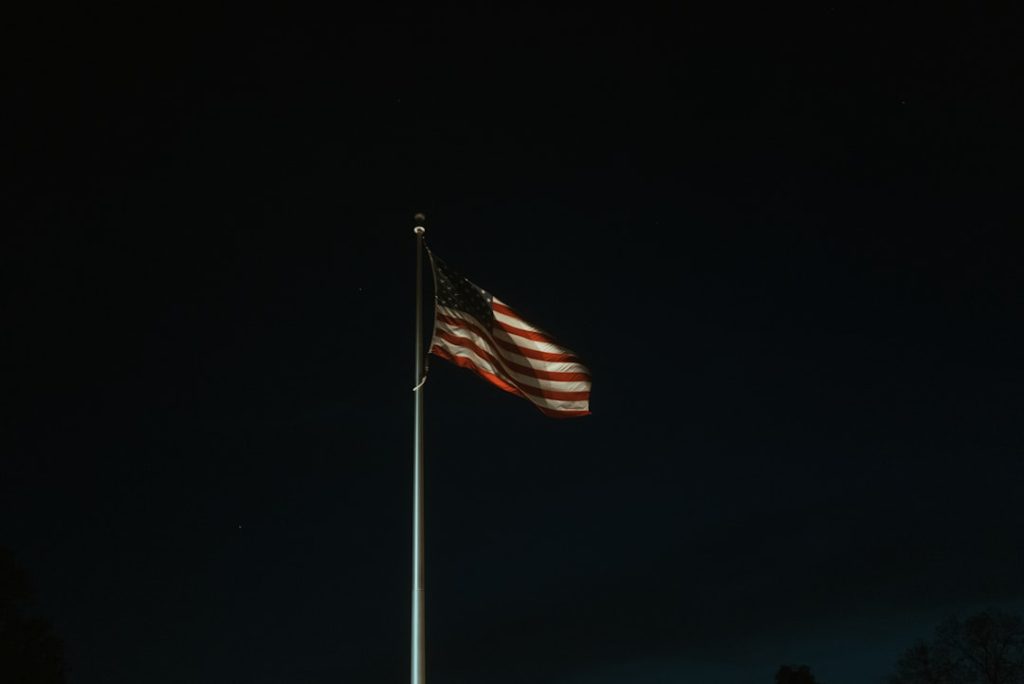
Independence Day is characterized by a rich tapestry of traditions and customs that vary across regions but share a common theme of patriotism and celebration. One of the most enduring customs is the display of the American flag, which adorns homes, public buildings, and streets.
Additionally, many communities organize events such as fireworks displays, parades, and concerts, fostering a sense of unity among citizens. Barbecues and family gatherings are also integral to Independence Day celebrations.
Families often come together to enjoy traditional American fare such as hamburgers, hot dogs, and apple pie. These communal meals not only provide an opportunity for socializing but also reinforce familial bonds and cultural heritage. Many Americans take part in outdoor activities, from picnics in local parks to beach outings, embracing the summer weather while celebrating their nation’s independence.
These customs create lasting memories and strengthen community ties, making Independence Day a cherished occasion for many.
Fireworks: The iconic symbol of Independence Day
| Year | Amount Spent on Fireworks (in millions) | Number of Firework Injuries |
|---|---|---|
| 2015 | 675 | 11,900 |
| 2016 | 755 | 11,000 |
| 2017 | 885 | 12,900 |
| 2018 | 945 | 9,100 |
| 2019 | 1,010 | 10,000 |
Fireworks have become synonymous with Independence Day celebrations in the United States. Their vibrant colors and explosive sounds evoke feelings of joy and excitement, making them a highlight of the holiday. The tradition of fireworks dates back to the very first Independence Day in 1777 when they were used to commemorate the anniversary of the Declaration’s adoption.
Since then, fireworks displays have evolved into grand spectacles that draw crowds from all walks of life. The science behind fireworks involves a combination of chemistry and artistry. Various chemical compounds produce different colors when ignited; for instance, strontium creates red hues while barium produces green.
Fireworks are meticulously designed to create intricate patterns in the sky, captivating audiences with their beauty. Communities invest significant resources into organizing these displays, often synchronizing them with music to enhance the experience. As families gather to watch fireworks light up the night sky, they partake in a tradition that symbolizes both celebration and reflection on the freedoms they enjoy.
Barbecues and Picnics: A staple of Independence Day celebrations
Barbecues and picnics are quintessential elements of Independence Day festivities, embodying the spirit of camaraderie and celebration. These gatherings often feature an array of grilled foods such as ribs, chicken, and vegetables, accompanied by classic sides like coleslaw and potato salad. The act of cooking outdoors fosters a sense of community as friends and family come together to share meals and stories.
In addition to food, barbecues often include games and activities that engage participants of all ages. From cornhole tournaments to sack races, these playful competitions enhance the festive atmosphere and create lasting memories. Many families also incorporate traditional desserts like watermelon or flag-themed cakes into their celebrations, adding a sweet touch to the day’s festivities.
Overall, barbecues and picnics serve as a reminder of the importance of community and togetherness on this significant holiday.
Parades and Festivities: Community events that bring people together

Parades are a hallmark of Independence Day celebrations across America, showcasing local pride and patriotism. These events often feature marching bands, floats adorned with red, white, and blue decorations, and community organizations displaying their spirit. Parades provide an opportunity for citizens to come together as a community, celebrating their shared values and history.
In addition to parades, many towns host festivals that include live music performances, craft fairs, and children’s activities. These events foster a sense of belonging and encourage participation from all age groups. Local businesses often take part by sponsoring activities or providing food stalls, further enhancing community engagement.
As families gather to enjoy these festivities, they reinforce their connection to one another while honoring their nation’s independence.
Patriotic Music and Songs: The soundtrack of Independence Day
Music plays an integral role in shaping the atmosphere of Independence Day celebrations. Patriotic songs such as “The Star-Spangled Banner,” “America the Beautiful,” and “God Bless America” resonate deeply with citizens as they reflect on their national identity. These songs evoke feelings of pride and nostalgia while reminding individuals of the sacrifices made for freedom.
Concerts featuring patriotic music are common during Independence Day celebrations, with many communities organizing performances by local bands or orchestras. These events often culminate in sing-alongs where attendees join together in expressing their love for their country through song. The power of music to unite people cannot be overstated; it serves as both a celebration of freedom and a reminder of shared values that transcend individual differences.
Independence Day in the 21st Century: How the holiday has evolved over time
As society evolves, so too does the way Americans celebrate Independence Day. In the 21st century, technology has transformed many aspects of holiday observance. Social media platforms allow individuals to share their celebrations with friends and family across distances, creating virtual connections that enhance communal experiences.
Additionally, live-streaming events has become increasingly popular, enabling people to participate in parades or fireworks displays from their homes.
Many communities are making efforts to recognize diverse cultural contributions to American history while fostering an environment where all citizens feel represented.
This evolution reflects broader societal changes toward inclusivity and recognition of varied experiences within the American narrative.
Reflection and Gratitude: Taking a moment to appreciate freedom and independence
Independence Day serves as an opportunity for reflection on the values that underpin American society—freedom, equality, and justice. As citizens celebrate with fireworks and barbecues, it is essential to take a moment to appreciate the sacrifices made by those who fought for these ideals throughout history. This day encourages individuals to consider what freedom means to them personally while recognizing its importance in fostering a just society.
Gratitude is also extended toward those currently serving in the military or working in public service roles that protect these freedoms daily. Many Americans take time on July 4th to honor veterans or participate in charitable activities aimed at supporting active-duty service members or their families. This spirit of gratitude reinforces community bonds while acknowledging that freedom is not merely given but earned through dedication and sacrifice.
Independence Day Around the World: How other countries celebrate their own independence
While July 4th is uniquely American, many countries around the world celebrate their own independence days with similar fervor. For instance, Mexico commemorates its independence from Spain on September 16th with parades featuring traditional music and dance performances. Similarly, France celebrates Bastille Day on July 14th with fireworks displays over iconic landmarks like the Eiffel Tower.
These global celebrations often include cultural elements unique to each nation while emphasizing themes such as freedom and self-determination. By exploring how other countries observe their independence days, Americans can gain insight into shared values across cultures while appreciating diverse expressions of patriotism.
The Meaning of Freedom: Why Independence Day is a time for reflection and appreciation
At its core, Independence Day embodies profound meanings associated with freedom—both personal and collective. It serves as an annual reminder that liberty is not guaranteed; it must be actively preserved through civic engagement and participation in democratic processes. As citizens reflect on what freedom means within their lives—whether it be political rights or personal autonomy—they are encouraged to engage thoughtfully with these concepts.
Moreover, Independence Day prompts individuals to consider how they can contribute positively toward fostering an inclusive society where everyone enjoys equal rights regardless of background or identity. By embracing this spirit of reflection and appreciation during celebrations each year—whether through acts of service or simply expressing gratitude—citizens can honor those who fought for freedom while committing themselves to uphold its values moving forward. In summary, Independence Day is more than just a holiday; it represents a significant moment in history that continues to shape American identity today.
From its origins rooted in revolutionary ideals to modern-day celebrations filled with traditions like fireworks displays and barbecues—this day serves as both a commemoration of past struggles for freedom as well as an opportunity for reflection on what it means to be truly free in contemporary society.
In addition to celebrating Independence Day in the United States, another federal holiday that commemorates exploration is Columbus Day. This holiday, which falls on October 12th, honors the arrival of Christopher Columbus in the Americas in 1492. To learn more about the significance of Columbus Day and the history behind it, check out this insightful article on Columbus Day: A Federal Holiday Celebrating Exploration.
FAQs
What is Independence Day in the United States?
Independence Day, also known as the Fourth of July, is a federal holiday in the United States commemorating the adoption of the Declaration of Independence on July 4, 1776. It is a day of patriotic celebration and fireworks.
How is Independence Day celebrated in the United States?
Independence Day is celebrated with various events such as parades, barbecues, carnivals, fairs, concerts, and fireworks displays. Many people also display the American flag and participate in patriotic activities.
Why is Independence Day important in the United States?
Independence Day is important in the United States because it marks the country’s declaration of independence from British rule and the birth of the United States as a free and independent nation.
What are some traditional activities on Independence Day?
Traditional activities on Independence Day include attending parades, having outdoor barbecues, watching fireworks displays, and participating in patriotic ceremonies and events.
Is Independence Day a national holiday in the United States?
Yes, Independence Day is a federal holiday in the United States, meaning that government offices, schools, and many businesses are closed on this day to allow people to celebrate and commemorate the occasion.