Now Reading: Exploring the History and Beauty of Fackham Hall
-
01
Exploring the History and Beauty of Fackham Hall
Exploring the History and Beauty of Fackham Hall
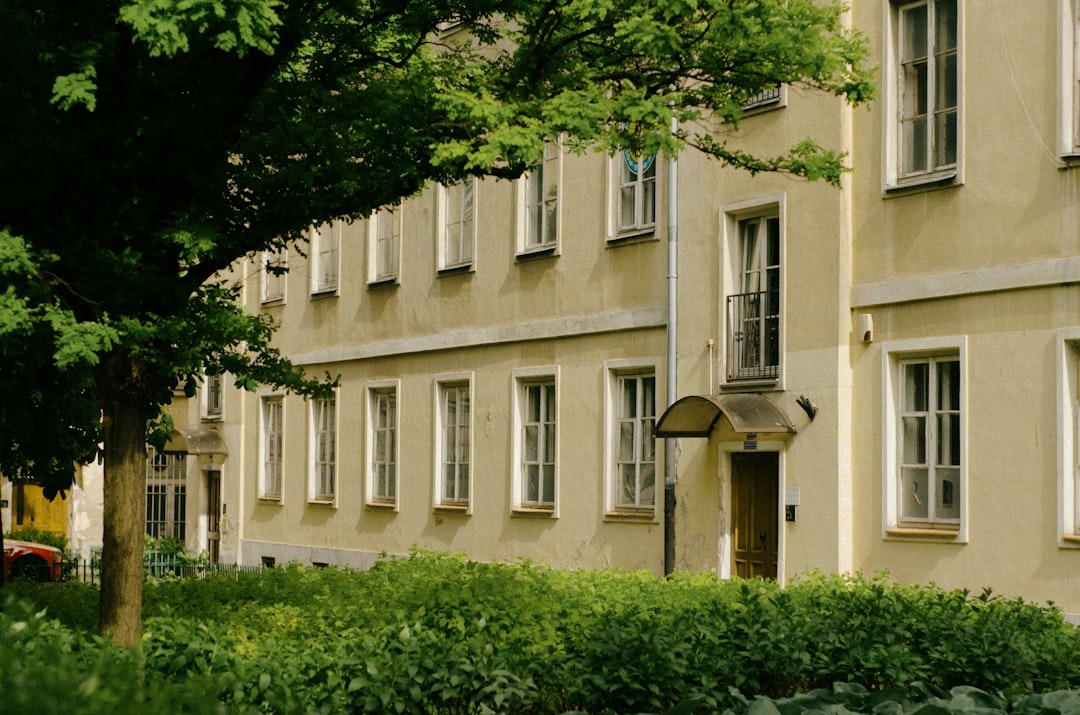
Fackham Hall, a stately manor located in the picturesque village of Fackham, Kent, boasts a rich tapestry of history that dates back to the 16th century. Originally constructed as a private residence, the hall has undergone numerous transformations, reflecting the architectural and social changes of its time. The earliest records suggest that the estate was established during the reign of Queen Elizabeth I, a period marked by significant cultural and political shifts in England.
The hall’s foundation is believed to have been laid by a prominent local landowner, who sought to create a symbol of wealth and status amidst the burgeoning English gentry. Over the centuries, Fackham Hall has witnessed pivotal historical events, including the English Civil War and the Industrial Revolution. Its strategic location made it a focal point for various local and national developments.
The estate has served not only as a residence but also as a gathering place for influential figures, contributing to its storied legacy. The hall’s architecture and design have evolved, mirroring the changing tastes and styles of different eras, from Tudor influences to Georgian elegance.
Key Takeaways
- Fackham Hall has a rich historical background with origins dating back several centuries.
- Its distinctive architectural features reflect various styles and periods.
- The hall has been home to several notable residents who influenced local and national history.
- Restoration efforts have been key to preserving Fackham Hall’s heritage and gardens.
- Today, Fackham Hall serves as a cultural hub offering tours, events, and community activities.
Architectural Features of Fackham Hall
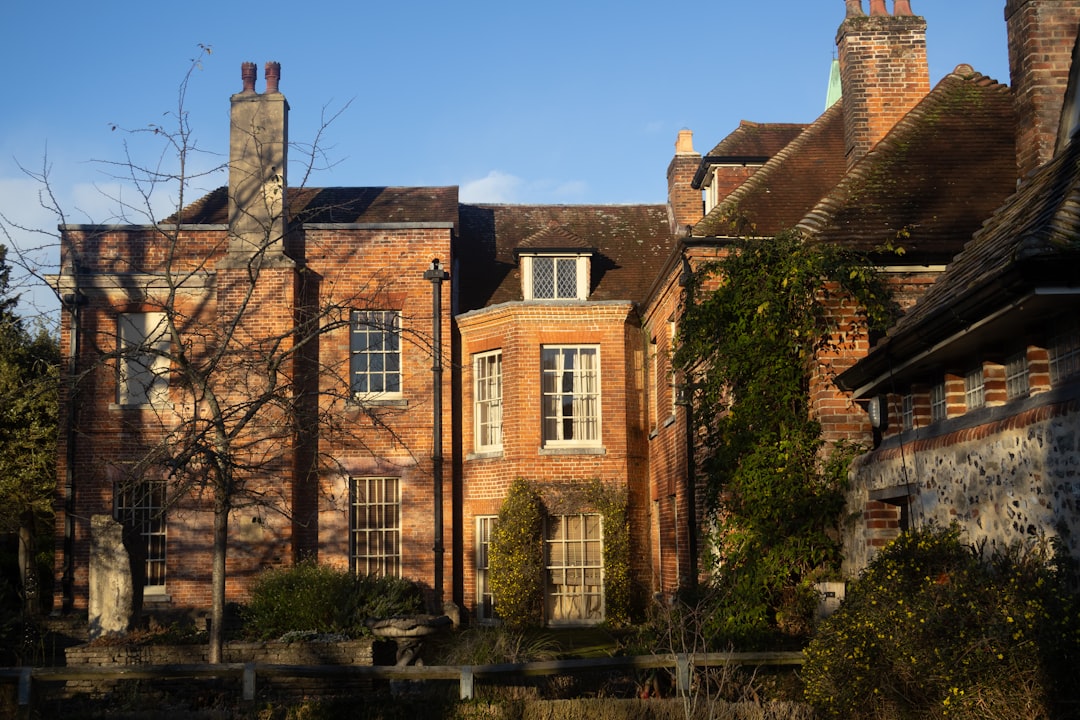
Fackham Hall is an architectural gem that showcases a blend of styles, reflecting its long history and the various renovations it has undergone. The exterior features a striking façade characterized by red brickwork, intricate stone detailing, and large sash windows that allow natural light to flood the interior spaces. The grand entrance is adorned with a portico supported by elegant columns, leading visitors into a world of historical grandeur.
Inside, the hall boasts an array of opulent rooms, each with its unique character. The great hall, with its soaring ceilings and ornate plasterwork, serves as a testament to the craftsmanship of the period. Richly decorated fireplaces and antique furnishings create an atmosphere of timeless elegance.
The library, lined with shelves of leather-bound books, offers a glimpse into the intellectual pursuits of its former residents. Additionally, the intricate woodwork and decorative moldings throughout the hall exemplify the artistry that went into its construction.
The Notable Residents of Fackham Hall Throughout History
Throughout its history, Fackham Hall has been home to several notable residents who have left an indelible mark on its legacy. One of the earliest recorded inhabitants was Sir John Fackham, a prominent figure in the local community during the late 16th century. His contributions to agriculture and local governance helped shape the village’s development.
Following Sir John, various aristocratic families took residence in the hall, each adding their unique touch to its history. In the 18th century, Fackham Hall became associated with the esteemed Hargreaves family, known for their philanthropic endeavors and contributions to local education. Their influence extended beyond the estate, as they played a significant role in shaping community initiatives and supporting local artisans.
The hall also served as a refuge for notable figures during tumultuous times, including political exiles and artists seeking inspiration in its serene surroundings.
Fackham Hall’s Role in Local and National Events
Fackham Hall has played a significant role in both local and national events throughout its storied past. During the English Civil War, it served as a strategic meeting point for Royalist supporters who sought refuge from advancing Parliamentary forces. The hall’s expansive grounds provided ample space for clandestine gatherings and discussions that would shape the course of history.
In more recent times, Fackham Hall has hosted various community events and celebrations that reflect the spirit of the village. From agricultural fairs to art exhibitions, the hall has become a cultural hub that fosters connections among residents and visitors alike. Its historical significance has also attracted attention from historians and researchers interested in exploring its role in broader national narratives.
The Gardens and Grounds of Fackham Hall: A Stroll Through History
| Metric | Value |
|---|---|
| Name | Fackham Hall |
| Location | Fackham, Kent, England |
| Type | Historic Country House |
| Architectural Style | Georgian |
| Year Built | 18th Century |
| Listing Status | Grade II Listed Building |
| Current Use | Private Residence |
| Land Area | Approximately 10 acres |
The gardens and grounds surrounding Fackham Hall are as captivating as the manor itself. Spanning several acres, these meticulously landscaped gardens offer visitors a glimpse into the horticultural practices of different eras. Originally designed in the formal style popular during the 17th century, the gardens have evolved over time to incorporate elements of romantic landscaping.
Visitors can wander through lush flowerbeds, manicured hedges, and serene water features that evoke a sense of tranquility. The gardens are home to several rare plant species, some of which date back to the hall’s early days. Seasonal blooms create a vibrant tapestry of colors throughout the year, attracting nature enthusiasts and photographers alike.
Additionally, walking paths meander through the grounds, providing opportunities for leisurely strolls while soaking in the historical ambiance.
Fackham Hall’s Influence on Art and Literature

Fackham Hall has served as an inspiration for numerous artists and writers over the centuries. Its picturesque setting and rich history have captured the imaginations of many creative minds. Renowned painters have depicted the hall in their works, showcasing its architectural beauty against the backdrop of lush landscapes.
These artistic representations have contributed to Fackham Hall’s status as a cultural landmark. Literature has also been influenced by this historic estate. Several authors have drawn upon its rich history and enchanting surroundings to craft compelling narratives.
The hall’s ambiance has provided a backdrop for stories that explore themes of love, loss, and resilience. As such, Fackham Hall stands not only as a physical structure but also as a symbol of artistic expression that continues to resonate with contemporary creators.
Restoration and Preservation Efforts at Fackham Hall
In recent years, significant efforts have been made to restore and preserve Fackham Hall for future generations. Recognizing its historical importance, local authorities and heritage organizations have collaborated on restoration projects aimed at maintaining the integrity of the structure while enhancing visitor experiences. These initiatives include careful restoration of original architectural features, such as ornate ceilings and period furnishings.
Preservation efforts extend beyond the physical structure; educational programs have been developed to raise awareness about Fackham Hall’s history among local communities and visitors. Guided tours provide insights into its architectural significance and historical context, fostering appreciation for this cultural treasure. By engaging with local schools and organizations, preservationists aim to instill a sense of pride in Fackham Hall’s legacy.
The Haunting Legends of Fackham Hall
Fackham Hall is steeped in folklore and legends that add an air of mystery to its historical narrative. Tales of ghostly apparitions and unexplained phenomena have circulated among locals for generations. One popular legend involves the spirit of Lady Eleanor Hargreaves, who is said to wander the halls in search of her lost love.
Visitors have reported eerie encounters, including unexplained cold spots and fleeting shadows. These haunting legends have contributed to Fackham Hall’s allure as a destination for paranormal enthusiasts and curious visitors alike. Ghost tours are occasionally organized to explore these tales further, allowing participants to delve into the hall’s enigmatic past while experiencing its atmospheric surroundings after dark.
Fackham Hall’s Role in the Community: Events and Activities
Fackham Hall serves as a vital hub for community engagement through various events and activities that foster connections among residents. Throughout the year, the hall hosts seasonal festivals that celebrate local culture and traditions. These events often feature artisan markets, live performances, and interactive workshops that encourage participation from all age groups.
Educational programs are also integral to Fackham Hall’s community role. Schools frequently organize field trips to explore its historical significance while engaging students in hands-on learning experiences related to art, architecture, and local history. By providing a platform for cultural exchange and collaboration, Fackham Hall strengthens community bonds while preserving its legacy.
Visiting Fackham Hall: Tours and Experiences
For those interested in exploring Fackham Hall firsthand, guided tours offer an immersive experience into its rich history and architectural splendor. Knowledgeable guides lead visitors through opulent rooms while sharing captivating stories about notable residents and significant events that shaped its legacy. Audio-visual displays enhance understanding by providing context about various artifacts on display.
Seasonal events often coincide with holidays or local celebrations, creating memorable experiences for families seeking educational outings or cultural enrichment.
The Future of Fackham Hall: Preservation and Continued Legacy
As Fackham Hall looks toward the future, ongoing preservation efforts remain paramount in ensuring its continued legacy as a cultural landmark. Collaborations between local authorities, heritage organizations, and community stakeholders will play a crucial role in maintaining both its physical structure and historical significance. Innovative approaches to preservation may include incorporating modern technology into educational programs or enhancing visitor experiences through interactive exhibits that highlight different aspects of Fackham Hall’s history.
By fostering community involvement and encouraging public engagement with this historic estate, Fackham Hall can continue to thrive as an enduring symbol of Kent’s rich heritage. In summary, Fackham Hall stands as a testament to centuries of history intertwined with architectural beauty and cultural significance.
Fackham Hall, a historic venue known for its stunning architecture and rich history, often hosts various events and celebrations throughout the year. For those interested in planning a memorable gathering, you might find inspiration in our article on federal holidays, which discusses the significance of these occasions and how to honor our nation. You can read more about it here: Federal Holiday Honoring Our Nation.
FAQs
What is Fackham Hall?
Fackham Hall is a historic country house located in Kent, England. It is known for its architectural significance and picturesque setting.
Where is Fackham Hall situated?
Fackham Hall is situated near the village of Fackham, close to the town of Canterbury in Kent, England.
What is the historical significance of Fackham Hall?
Fackham Hall dates back several centuries and is an example of traditional English country house architecture. It has been associated with local gentry and has historical value in the region.
Is Fackham Hall open to the public?
Fackham Hall is primarily a private residence and is not generally open to the public. However, it may occasionally be accessible during special events or by prior arrangement.
What architectural style is Fackham Hall known for?
Fackham Hall features elements typical of English country houses, including period architecture that may include timber framing, brickwork, and traditional design features.
Are there any notable gardens or grounds at Fackham Hall?
Yes, Fackham Hall is often noted for its well-maintained gardens and surrounding grounds, which contribute to its charm and historical ambiance.
Can Fackham Hall be rented for events or accommodations?
Depending on ownership and management, some historic houses like Fackham Hall may offer rental options for private events or accommodations, but specific availability would need to be confirmed with the current owners.
How can I learn more about the history of Fackham Hall?
Information about Fackham Hall can be found through local historical societies, archives in Kent, or publications related to English country houses and heritage properties.