Now Reading: Exploring Mannheim: The Fascinating History of Flugzeug
-
01
Exploring Mannheim: The Fascinating History of Flugzeug
Exploring Mannheim: The Fascinating History of Flugzeug
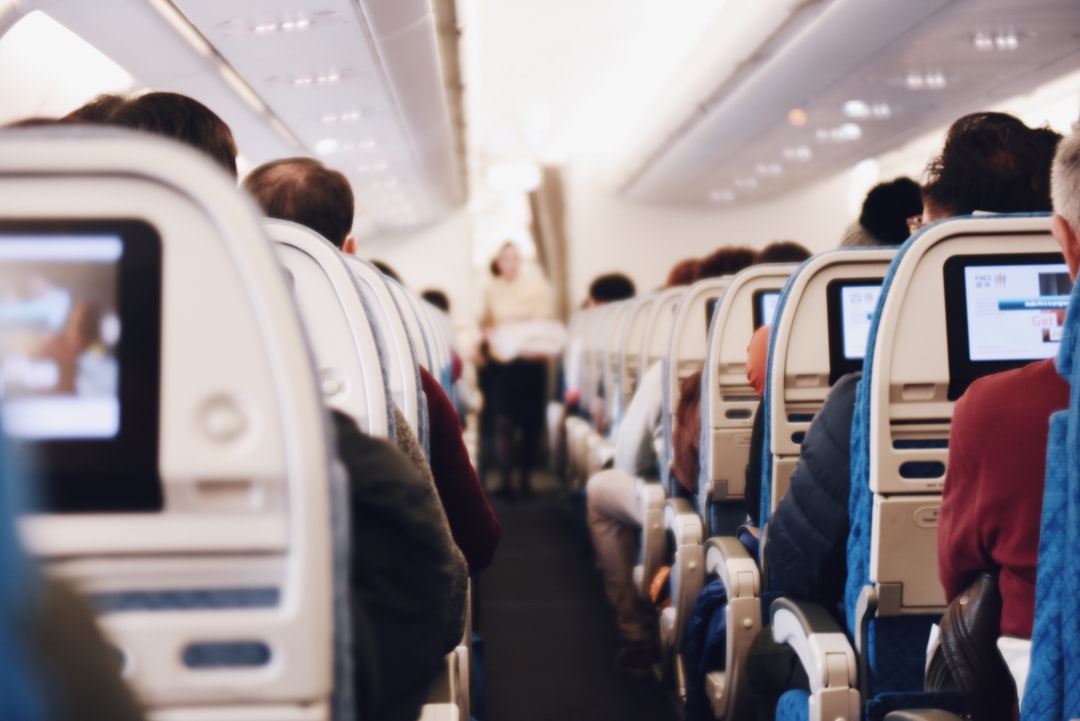
The evolution of aviation is a fascinating journey that began with the majestic airships known as Zeppelins. These dirigibles, developed in the late 19th century, represented the first significant leap in human flight, allowing for controlled navigation through the skies. The Zeppelin, named after Count Ferdinand von Zeppelin, was characterized by its rigid structure and gas-filled envelopes, which provided buoyancy.
This innovation laid the groundwork for future advancements in aeronautics, leading to the development of fixed-wing aircraft. As the 20th century approached, the limitations of airships became apparent. While they offered a unique mode of transport, their slow speeds and vulnerability to weather conditions prompted engineers and inventors to explore alternative designs.
The Wright brothers’ historic flight in 1903 marked a pivotal moment in aviation history, transitioning from lighter-than-air travel to heavier-than-air flight. This shift catalyzed a wave of innovation that would ultimately lead to the creation of the modern airplane, or Flugzeug, as it is known in German.
Key Takeaways
- Flugzeug evolved from early Zeppelin airships to pioneering airplanes, marking significant advancements in aviation.
- Mannheim played a crucial role as an innovation hub, fostering the development and growth of Flugzeug aircraft design.
- During World War I, Flugzeug contributed significantly to military aviation technology and operations.
- In the interwar period, Flugzeug transitioned from military to commercial aviation, influencing the industry’s expansion.
- Flugzeug’s legacy continues to shape modern aviation, with Mannheim preserving its history through museums and cultural celebrations.
Mannheim’s Role in Aviation History: A Hub for Innovation
Mannheim, a city located in southwestern Germany, played a crucial role in the early development of aviation technology. Its strategic location along the Rhine River made it an ideal site for industrial growth and innovation. The city’s rich history of engineering and manufacturing provided a fertile ground for aviation pioneers to experiment with new designs and technologies.
In the early 20th century, Mannheim became synonymous with aviation advancements, attracting visionaries who sought to push the boundaries of flight. The establishment of several key aviation companies in Mannheim further solidified its status as an aviation hub. Notably, the Mannheim-based company, Albatros Flugzeugwerke, emerged as a significant player in aircraft manufacturing during World War
The Rise of Flugzeug in Mannheim: Pioneering Aircraft Design

The early 20th century witnessed a surge in aircraft design and production in Mannheim, with local manufacturers leading the charge. The city became home to several pioneering aircraft designs that would shape the future of aviation. One notable example is the Albatros D-series fighters, which gained prominence during World War I for their exceptional performance and agility.
These aircraft were characterized by their innovative biplane design and powerful engines, setting new standards for military aviation. Mannheim’s engineers and designers were not only focused on performance but also on safety and reliability. The introduction of advanced materials and construction techniques allowed for lighter and more durable aircraft.
Innovations such as cantilever wings and improved control surfaces enhanced maneuverability, making Mannheim a breeding ground for cutting-edge aviation technology. The collaborative spirit among local manufacturers fostered an environment where ideas could flourish, leading to breakthroughs that would influence aircraft design for decades to come.
Flugzeug During World War I: Contributions to Military Aviation
World War I marked a transformative period for aviation, with Flugzeug playing a pivotal role in military operations.
Mannheim’s manufacturers rose to the occasion, producing a range of military aircraft that would become integral to the war effort.
The Albatros D.Va, one of the most famous fighters produced in Mannheim, became synonymous with German air superiority during the conflict. Its combination of speed, agility, and firepower made it a formidable opponent in dogfights. The aircraft’s success was a testament to the engineering prowess of Mannheim’s designers, who continually refined their designs based on battlefield experiences.
This period not only showcased the capabilities of Flugzeug but also highlighted the importance of aviation in modern warfare.
The Interwar Years: Flugzeug’s Transition to Commercial Aviation
| Metric | Value | Details |
|---|---|---|
| Airport Name | Mannheim City Airport | Located in Mannheim, Germany |
| IATA Code | MHG | International Air Transport Association code |
| ICAO Code | EDFM | International Civil Aviation Organization code |
| Runway Length | 1,200 meters | Suitable for small to medium aircraft |
| Annual Passenger Traffic | Approx. 100,000 | Data from recent years |
| Aircraft Movements | Approx. 50,000 per year | Takeoffs and landings combined |
| Primary Use | General Aviation and Business Flights | Includes private and charter flights |
| Location | Rhein-Neckar Metropolitan Region | Southwest Germany |
Following World War I, the aviation industry underwent significant changes as military demand waned and commercial opportunities emerged. Mannheim’s manufacturers adapted to this new landscape by shifting their focus from military aircraft to commercial aviation. The interwar years saw a burgeoning interest in passenger transport, with airlines seeking reliable and efficient aircraft to meet growing demand.
Mannheim’s engineers embraced this transition by developing innovative designs tailored for commercial use. Aircraft such as the Junkers F.13, one of the world’s first all-metal transport planes, exemplified this shift towards passenger aviation. Its spacious cabin and advanced safety features made it popular among airlines and travelers alike.
This era marked a turning point for Flugzeug as it evolved from a tool of war to a means of connecting people across distances.
Flugzeug’s Impact on Mannheim’s Economy: Creating Jobs and Driving Growth

The flourishing aviation industry in Mannheim had profound implications for the local economy. As manufacturers expanded their operations to meet increasing demand for aircraft, they created thousands of jobs across various sectors. Skilled laborers, engineers, and support staff found employment opportunities within the burgeoning aviation ecosystem, contributing to economic growth and stability.
Moreover, the presence of aviation companies attracted ancillary industries such as manufacturing suppliers, maintenance services, and research institutions. This interconnected network fostered innovation and collaboration, further solidifying Mannheim’s position as an aviation hub. The economic impact extended beyond job creation; it also stimulated investment in infrastructure and education, ensuring that future generations would continue to benefit from the city’s rich aviation heritage.
The Legacy of Flugzeug: How it Shaped Modern Aviation
The legacy of Flugzeug extends far beyond its historical significance; it has profoundly influenced modern aviation practices and technologies. The innovations pioneered by Mannheim’s engineers laid the groundwork for contemporary aircraft design principles that prioritize safety, efficiency, and performance. Many design features that are now standard in commercial and military aircraft can trace their origins back to early developments in Mannheim.
Furthermore, the collaborative spirit that characterized Mannheim’s aviation industry continues to inspire modern aerospace endeavors. Today’s engineers draw upon lessons learned from past experiences while embracing new technologies such as composite materials and advanced avionics systems. The legacy of Flugzeug serves as a reminder of the importance of innovation and adaptability in shaping the future of aviation.
Exploring Flugzeug’s Historic Sites in Mannheim: Museums, Factories, and Airfields
For those interested in exploring Mannheim’s rich aviation history, several historic sites offer insights into the city’s contributions to Flugzeug development. The Technoseum Mannheim is a prominent museum that showcases the evolution of technology, including exhibits dedicated to aviation history. Visitors can explore artifacts, models, and interactive displays that highlight key milestones in aircraft design.
Additionally, remnants of former factories and airfields can be found throughout Mannheim, serving as tangible reminders of the city’s aviation legacy. Guided tours provide an opportunity to learn about the historical significance of these sites while appreciating their architectural beauty. For aviation enthusiasts, these locations offer a unique glimpse into the past and an appreciation for the innovations that shaped modern flight.
The Influence of Flugzeug on Aircraft Technology: Advancements in Engineering and Design
The advancements made during the era of Flugzeug have had a lasting impact on aircraft technology. Engineers in Mannheim pioneered several key innovations that continue to influence modern aircraft design today. For instance, the introduction of monoplane designs allowed for improved aerodynamics and reduced drag, enhancing overall performance.
Moreover, advancements in engine technology during this period laid the foundation for more powerful and efficient propulsion systems. The transition from piston engines to turbojet engines revolutionized air travel by enabling faster speeds and greater altitudes. These technological breakthroughs not only improved military capabilities but also paved the way for commercial aviation advancements that would follow.
Flugzeug’s Enduring Impact on Mannheim’s Culture: Celebrating Aviation Heritage
Mannheim’s cultural identity is deeply intertwined with its aviation heritage. The city’s residents take pride in their historical contributions to flight, celebrating this legacy through various events and initiatives. Annual airshows showcase vintage aircraft alongside modern planes, allowing spectators to appreciate the evolution of aviation firsthand.
Additionally, local organizations work tirelessly to promote awareness of Mannheim’s aviation history through educational programs and community outreach efforts. Schools often incorporate lessons on flight science and engineering into their curricula, inspiring future generations to pursue careers in aerospace fields. This cultural celebration ensures that Mannheim’s aviation legacy remains alive and relevant in contemporary society.
Preserving Flugzeug’s History: Efforts to Protect and Promote the Legacy of Mannheim’s Aviation Industry
Efforts to preserve Mannheim’s aviation history are ongoing as local organizations collaborate with government agencies to protect historic sites and artifacts related to Flugzeug development.
Moreover, educational initiatives seek to engage young people with hands-on experiences related to aviation technology.
Workshops, internships, and mentorship programs provide aspiring engineers with opportunities to learn from industry professionals while fostering a passion for flight. In conclusion, Mannheim’s journey through aviation history is marked by innovation, resilience, and cultural pride. From its early contributions during World War I to its transition into commercial aviation, Flugzeug has left an indelible mark on both the city and the broader field of aeronautics.
As efforts continue to preserve this legacy, future generations will undoubtedly benefit from the rich heritage that has shaped modern flight. In summary, Mannheim has played an instrumental role in shaping aviation history through its pioneering contributions to aircraft design and technology. From its origins with Zeppelins to its impact on military and commercial aviation during critical periods like World War I and beyond, Mannheim’s legacy continues to influence modern aerospace practices while celebrating its rich cultural heritage through various initiatives aimed at preserving its historical significance.
If you’re interested in the aviation industry and the significance of holidays in relation to travel, you might find the article on federal holidays particularly relevant. Understanding these holidays can help you plan your trips more effectively, especially if you’re considering flying to or from Mannheim. For more information, check out this article on federal holidays.
FAQs
What is Mannheim Flugzeug?
Mannheim Flugzeug refers to aircraft-related activities, services, or companies based in Mannheim, Germany. This can include aircraft manufacturing, maintenance, repair, or aviation services associated with the Mannheim region.
Where is Mannheim located?
Mannheim is a city in southwestern Germany, located in the state of Baden-Württemberg. It is situated at the confluence of the Rhine and Neckar rivers.
Does Mannheim have an airport?
Mannheim does not have a major international airport. The nearest large airports are Frankfurt Airport and Stuttgart Airport, both of which are accessible from Mannheim by train or car.
Are there any aviation companies based in Mannheim?
Yes, Mannheim is home to several aviation-related companies, including those specializing in aircraft maintenance, repair, and aviation technology services.
Can I take flights directly from Mannheim?
Mannheim does not have a commercial passenger airport with regular scheduled flights. Travelers typically use nearby airports such as Frankfurt or Stuttgart for commercial flights.
Is there a flying club or flight school in Mannheim?
There may be local flying clubs or flight schools in or near Mannheim offering pilot training and recreational flying opportunities. It is advisable to check local listings for the most current information.
What types of aircraft services are available in Mannheim?
Aircraft services in Mannheim may include maintenance, repair, overhaul (MRO), aircraft sales, and aviation consulting, depending on the companies operating in the area.
How can I get to Mannheim from major airports?
Mannheim is well connected by train and road. From Frankfurt Airport, travelers can take a direct train to Mannheim, which typically takes about 30 to 45 minutes. From Stuttgart Airport, train connections are also available, usually requiring a transfer.
Is Mannheim involved in aircraft manufacturing?
While Mannheim is an industrial city, it is not widely known as a major center for aircraft manufacturing. However, it may host companies involved in aerospace components or related technologies.
Where can I find more information about Mannheim aviation services?
For detailed information, you can visit Mannheim’s official city website, local business directories, or contact regional aviation authorities and chambers of commerce.