Now Reading: Exploring Chinese National Holidays: A Cultural Celebration
-
01
Exploring Chinese National Holidays: A Cultural Celebration
Exploring Chinese National Holidays: A Cultural Celebration

Chinese national holidays are a vibrant tapestry woven into the fabric of the nation’s culture, history, and social life. These holidays not only provide a break from the daily grind but also serve as a time for families to reunite, for traditions to be honored, and for the rich heritage of China to be celebrated. With a population that spans over a billion people, the way these holidays are observed can vary significantly from one region to another, reflecting the diverse customs and practices that exist within the country.
From the bustling streets of Beijing to the serene landscapes of rural China, national holidays are marked by a sense of unity and shared identity among the Chinese people. The significance of these holidays extends beyond mere celebration; they are deeply rooted in historical events, cultural beliefs, and social values. Each holiday carries its own unique story and meaning, often linked to ancient traditions or pivotal moments in Chinese history.
As such, they offer a glimpse into the collective consciousness of the nation, showcasing how past events continue to shape contemporary society. Understanding these holidays is essential for anyone looking to grasp the essence of Chinese culture and the values that underpin it.
The History and Significance of Chinese National Holidays
The origins of Chinese national holidays can be traced back thousands of years, with many of them rooted in ancient agricultural practices, religious beliefs, and historical events. For instance, the Spring Festival, or Chinese New Year, has its roots in agrarian society, where it marked the end of winter and the beginning of a new planting season. This holiday has evolved over time, incorporating various customs and traditions that reflect the changing dynamics of Chinese society.
Similarly, other holidays like the Dragon Boat Festival and the Mid-Autumn Festival have historical significance tied to folklore and ancient rituals. The significance of these holidays is multifaceted.
During these times, people often reflect on their roots and express gratitude for their ancestors. The observance of these holidays fosters a sense of belonging and continuity, allowing individuals to connect with their heritage in meaningful ways. Moreover, they play a crucial role in promoting national pride and unity, as citizens come together to celebrate their shared identity.
Traditional Customs and Activities during Chinese National Holidays
Traditional customs during Chinese national holidays are as diverse as the regions they originate from. For example, during the Spring Festival, families engage in various activities such as cleaning their homes to sweep away bad luck, decorating with red lanterns and couplets to invite good fortune, and setting off fireworks to ward off evil spirits. These customs are steeped in symbolism and are intended to usher in a prosperous new year filled with happiness and health.
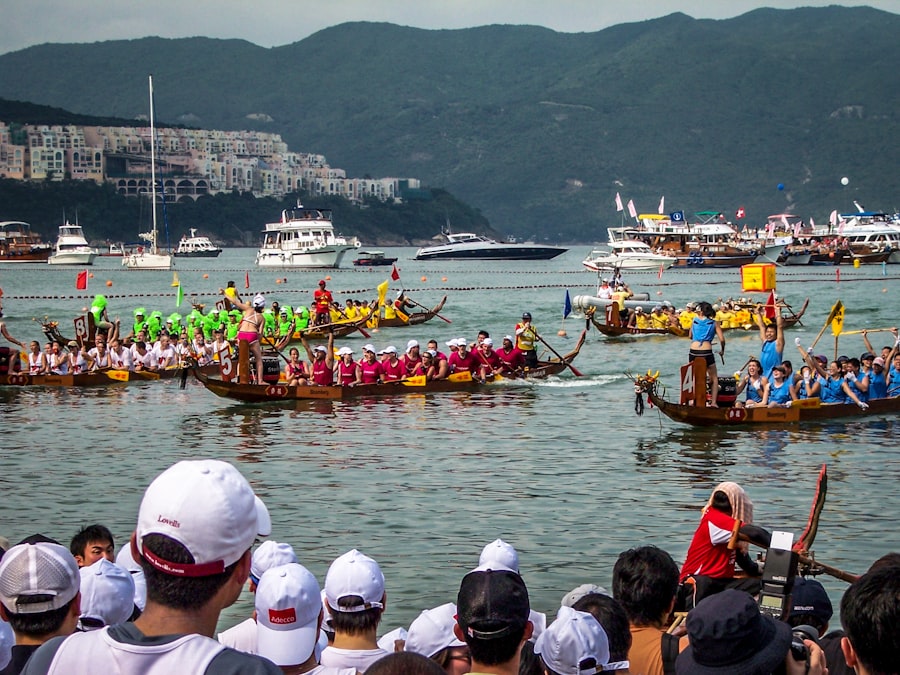
In addition to these practices, many holidays feature unique activities that highlight local traditions. The Dragon Boat Festival is celebrated with exciting dragon boat races, where teams paddle in unison to honor Qu Yuan, a revered poet. The Mid-Autumn Festival is marked by moon-gazing and sharing mooncakes among family members, symbolizing reunion and harmony.
These activities not only enrich the holiday experience but also serve as a means of preserving cultural heritage for future generations.
Popular Chinese National Holidays and Their Celebrations
| Holiday | Date | Celebration |
|---|---|---|
| Chinese New Year | First day of the Chinese lunar calendar | Family gatherings, feasting, dragon and lion dances, fireworks |
| Mid-Autumn Festival | 15th day of the 8th lunar month | Mooncakes, family reunions, lanterns, moon-watching |
| Dragon Boat Festival | 5th day of the 5th lunar month | Dragon boat races, eating zongzi (sticky rice dumplings), honoring Qu Yuan |
| National Day | October 1st | Flag-raising ceremonies, fireworks, cultural performances |
Among the myriad of national holidays celebrated in China, several stand out due to their widespread recognition and unique customs. The Spring Festival is undoubtedly the most significant holiday, celebrated by millions across the country. It typically lasts for 15 days and culminates in the Lantern Festival, where colorful lanterns illuminate the night sky.
Families gather for reunion dinners on New Year’s Eve, sharing traditional dishes that symbolize prosperity and good fortune. Another notable holiday is Qingming Festival, also known as Tomb-Sweeping Day. This day is dedicated to honoring ancestors by visiting their graves, cleaning tombstones, and making offerings.
It is a time for reflection and remembrance, emphasizing the importance of filial piety in Chinese culture. The Mid-Autumn Festival follows closely behind in popularity, celebrated with family gatherings under the full moon while enjoying mooncakes and appreciating the beauty of nature.
The Role of Food in Chinese National Holiday Celebrations
Food plays an integral role in Chinese national holiday celebrations, serving as both a centerpiece for gatherings and a symbol of cultural identity. Each holiday features specific dishes that carry significant meanings. For instance, during the Spring Festival, dumplings are often prepared as they resemble ancient gold ingots, symbolizing wealth and prosperity for the coming year.
Fish is also commonly served since its pronunciation in Mandarin sounds like “surplus,” representing abundance. The act of sharing food during these holidays fosters a sense of community and togetherness. Families come together to prepare elaborate meals that often include a variety of dishes representing different regions of China.
This culinary diversity not only showcases the richness of Chinese cuisine but also highlights regional specialties that have been passed down through generations. The preparation and enjoyment of food during these celebrations create lasting memories and strengthen familial bonds.
Modern Celebrations and Festivities of Chinese National Holidays

In recent years, modern celebrations of Chinese national holidays have evolved significantly due to globalization and technological advancements. While traditional customs remain at the heart of these festivities, contemporary influences have introduced new elements that appeal to younger generations. For example, urban areas often see large-scale public celebrations featuring concerts, light shows, and cultural performances that attract crowds from all walks of life.
Social media has also transformed how people celebrate these holidays. Families may share their experiences online through photos and videos, showcasing their festive preparations and gatherings. This digital sharing fosters a sense of connection among those who may be far from home or unable to participate in traditional celebrations due to work or other commitments.
As a result, modern celebrations reflect a blend of tradition and innovation that continues to shape the way Chinese national holidays are experienced.
The Impact of Chinese National Holidays on Chinese Culture and Society
Chinese national holidays have a profound impact on culture and society, serving as a catalyst for social cohesion and cultural preservation. These holidays provide opportunities for individuals to reconnect with their roots and engage in practices that reinforce cultural identity. As families gather to celebrate together, they pass down traditions and values to younger generations, ensuring that their heritage remains alive.
Moreover, these holidays contribute significantly to the economy through increased consumer spending on travel, food, and entertainment. The travel industry experiences a surge during peak holiday seasons as millions embark on journeys to reunite with family or explore new destinations within China. This economic activity not only supports local businesses but also promotes cultural exchange as people experience different regional customs firsthand.
Exploring Chinese National Holidays: A Cultural Experience for Visitors
For visitors seeking an authentic cultural experience in China, participating in national holiday celebrations offers a unique opportunity to immerse themselves in local traditions. Travelers can witness vibrant parades during the Spring Festival or join in the festivities at local temples during Qingming Festival. Engaging with local communities allows visitors to gain insights into the significance of these holidays while forging connections with residents.
Additionally, culinary experiences during these holidays provide an avenue for exploration. Visitors can indulge in traditional dishes prepared specifically for each celebration while learning about their meanings from local chefs or families willing to share their recipes. This hands-on approach not only enhances understanding but also fosters appreciation for the rich culinary heritage that accompanies Chinese national holidays.
In conclusion, Chinese national holidays are more than just days off from work; they are profound expressions of culture, history, and community spirit. From traditional customs to modern celebrations, these holidays encapsulate the essence of what it means to be part of Chinese society.
If you are interested in learning more about Chinese national holidays, you may want to check out the article “10 Chinese National Holidays You Need to Know” on Boogger.com. This article provides a comprehensive overview of the most important holidays in China, including their significance and how they are celebrated. You can read the full article here.
FAQs
What are the major national holidays in China?
The major national holidays in China include Chinese New Year (Spring Festival), Qingming Festival, May Day, Dragon Boat Festival, Mid-Autumn Festival, and National Day.
How long are the national holidays in China?
The length of national holidays in China varies, but typically Chinese New Year and National Day are 7-day holidays, while other holidays such as Qingming Festival and Mid-Autumn Festival are 1-3 day holidays.
Are businesses and schools closed during national holidays in China?
Yes, businesses and schools are generally closed during national holidays in China. Many people take the opportunity to travel and spend time with family during these holidays.
What are some common customs and traditions during Chinese national holidays?
Common customs and traditions during Chinese national holidays include family gatherings, feasting on traditional foods, giving and receiving red envelopes with money, and participating in cultural activities such as dragon boat racing and lantern festivals.
Are there any specific travel tips for visiting China during national holidays?
It is advisable to book transportation and accommodations well in advance if planning to visit China during national holidays, as these are peak travel times and can be very crowded. Additionally, be prepared for large crowds at popular tourist attractions.