Now Reading: Dental Insurance Plans: Finding the Right Coverage
-
01
Dental Insurance Plans: Finding the Right Coverage
Dental Insurance Plans: Finding the Right Coverage

Dental insurance is a specialized form of health insurance designed to cover a portion of the costs associated with dental care. It serves as a financial safety net, helping individuals manage the expenses related to routine check-ups, preventive care, and necessary dental procedures. The primary objective of dental insurance is to promote oral health by making dental services more accessible and affordable.
Typically, these plans operate on a reimbursement model, where the insured pays a premium in exchange for coverage that mitigates the financial burden of dental treatments. The structure of dental insurance can vary significantly from one plan to another. Most plans include a combination of coverage for preventive services, basic procedures, and major treatments.
Understanding the nuances of these plans is crucial for individuals seeking to maintain their oral health without incurring exorbitant costs. By familiarizing oneself with the terminology and components of dental insurance, patients can make informed decisions that align with their specific needs and financial situations.
Key Takeaways
- Dental insurance helps cover the cost of dental care, including preventive, basic, and major procedures.
- There are different types of dental insurance plans, including preferred provider organizations (PPOs) and health maintenance organizations (HMOs).
- When choosing a dental insurance plan, consider factors such as coverage for preventive care, network providers, annual maximums, and deductibles.
- Network providers are important as they offer discounted rates for services and can help lower out-of-pocket expenses.
- It’s important to evaluate the cost of premiums, out-of-pocket expenses, waiting periods, and additional benefits when selecting a dental insurance plan.
Types of Dental Insurance Plans
Dental insurance plans can be broadly categorized into three main types: indemnity plans, preferred provider organizations (PPOs), and health maintenance organizations (HMOs). Indemnity plans offer the most flexibility, allowing patients to choose any dentist without restrictions.
PPOs, on the other hand, provide a network of preferred providers, offering lower out-of-pocket costs when patients choose in-network dentists. This type of plan strikes a balance between flexibility and cost-effectiveness. HMOs are typically more restrictive, requiring members to select a primary care dentist and obtain referrals for specialist services.
While these plans often have lower premiums, they may limit access to certain providers and services. Additionally, some plans may offer unique features such as discount dental plans or direct reimbursement plans, which can further diversify the options available to consumers. Understanding these distinctions is essential for individuals seeking a plan that best fits their lifestyle and dental care needs.
Factors to Consider When Choosing a Dental Insurance Plan
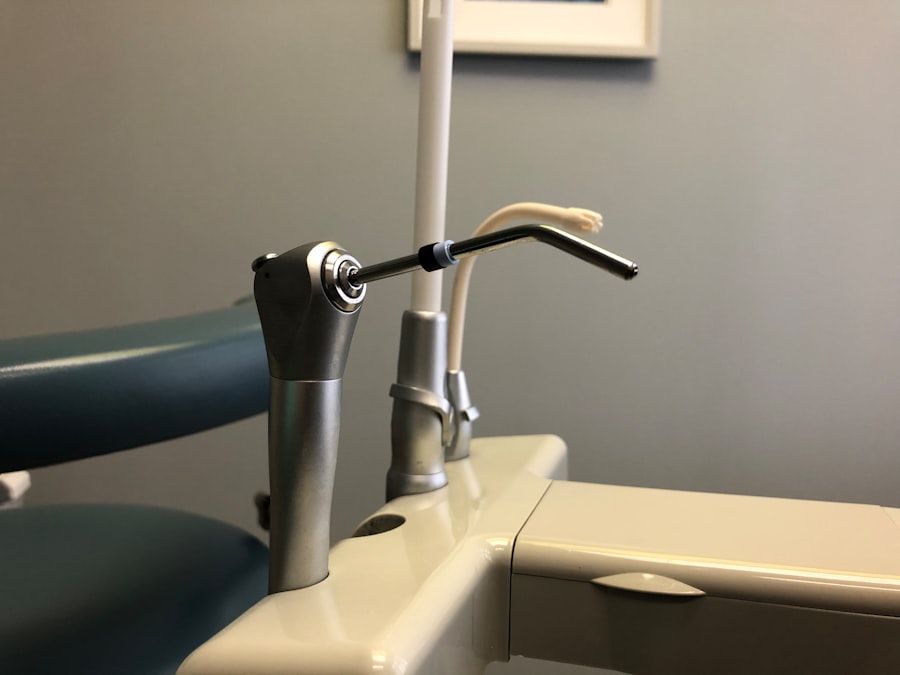
When selecting a dental insurance plan, several critical factors warrant consideration. First and foremost is the scope of coverage. Individuals should assess whether the plan includes preventive services such as cleanings and exams, as well as basic procedures like fillings and extractions.
Additionally, it is vital to evaluate coverage for major treatments such as crowns, bridges, and orthodontics, as these can significantly impact overall dental expenses. Another important factor is the network of providers associated with the plan. Patients should ensure that their preferred dentist is included in the network to avoid higher out-of-pocket costs.
Furthermore, understanding the plan’s annual maximums and deductibles is crucial for budgeting purposes. These financial limits can dictate how much coverage is available each year and how much individuals will need to pay before insurance kicks in. By carefully weighing these factors, individuals can make informed choices that align with their dental health goals.
The Importance of Network Providers
| Network Providers | Importance |
|---|---|
| Reliability | Ensures consistent connectivity |
| Speed | Fast data transfer and communication |
| Security | Protects sensitive information |
| Coverage | Wide reach for communication |
Network providers play a pivotal role in the effectiveness of dental insurance plans. These are dentists and specialists who have agreed to provide services at negotiated rates for members of specific insurance plans. Utilizing network providers can lead to significant cost savings for patients, as in-network services typically incur lower copayments and deductibles compared to out-of-network providers.
Moreover, network providers often have established relationships with insurance companies, which can streamline the claims process and reduce administrative burdens for patients. This relationship can also enhance the quality of care received, as network dentists are familiar with the specific requirements and limitations of the insurance plan. Therefore, when evaluating dental insurance options, it is essential to consider the availability and reputation of network providers to ensure optimal care and financial efficiency.
Coverage for Preventive Care and Basic Procedures
Preventive care is a cornerstone of dental health, and most dental insurance plans prioritize coverage for these essential services. Preventive care typically includes routine examinations, professional cleanings, fluoride treatments, and X-rays. These services are designed to detect potential issues early on and maintain optimal oral health.
Many plans cover preventive care at 100%, meaning there are no out-of-pocket costs for patients when visiting an in-network provider. Basic procedures encompass treatments that address common dental issues but do not require extensive intervention. This category includes fillings for cavities, extractions of non-complicated teeth, and periodontal treatments for gum disease.
Coverage for basic procedures usually ranges from 70% to 80%, meaning patients are responsible for a portion of the costs after meeting their deductible. Understanding the specifics of coverage for preventive care and basic procedures is vital for individuals seeking to maintain their oral health while managing expenses effectively.
Coverage for Major Dental Procedures

Major dental procedures often involve more complex treatments that require significant intervention or specialized care. This category includes services such as root canals, crowns, bridges, dentures, and orthodontic treatments like braces. Coverage for major procedures typically varies widely among different insurance plans; some may cover up to 50% of the costs after deductibles are met.
Patients should carefully review their plan’s coverage limits for major procedures, as these treatments can be costly without adequate insurance support. Additionally, some plans may impose waiting periods before coverage for major procedures becomes effective, which can impact individuals needing immediate treatment. Understanding these nuances is essential for patients planning for potential future dental needs.
Annual Maximums and Deductibles
Annual maximums and deductibles are critical components of dental insurance that directly affect out-of-pocket expenses. The annual maximum refers to the cap on how much an insurance plan will pay for covered services within a calendar year. This limit can range from $1,000 to $2,500 or more, depending on the plan.
Once this maximum is reached, patients are responsible for any additional costs incurred during that year. Deductibles represent the amount individuals must pay out-of-pocket before their insurance coverage begins. Deductibles can vary significantly among plans; some may have low deductibles while others may require higher upfront payments before benefits kick in.
Understanding these financial parameters is essential for effective budgeting and planning for dental care expenses throughout the year.
Waiting Periods and Pre-existing Conditions
Waiting periods are common in many dental insurance plans and refer to the time frame during which certain services are not covered after enrollment. These periods can range from a few months to over a year, particularly for major procedures like crowns or orthodontics. Patients should be aware of any waiting periods associated with their chosen plan to avoid unexpected costs when seeking treatment.
Pre-existing conditions may also impact coverage eligibility under certain plans. Some insurers may exclude coverage for conditions that existed prior to enrollment or impose waiting periods before coverage becomes effective. It is crucial for individuals to disclose their complete medical history when applying for dental insurance to ensure they understand any limitations that may apply.
Cost of Premiums and Out-of-Pocket Expenses
The cost of premiums represents a significant factor in selecting a dental insurance plan. Premiums are typically paid monthly or annually and can vary based on factors such as age, location, and coverage level. While lower premiums may seem appealing, they often come with higher deductibles or limited coverage options.
Out-of-pocket expenses encompass all costs incurred by patients beyond their premiums, including copayments, deductibles, and any amounts exceeding annual maximums. Evaluating both premiums and potential out-of-pocket expenses is essential for individuals seeking comprehensive yet affordable dental care solutions. By understanding these financial aspects, patients can make informed decisions that align with their budgetary constraints.
Evaluating Additional Benefits and Services
In addition to standard coverage options, many dental insurance plans offer additional benefits that can enhance overall value.
Some plans may also provide access to tele-dentistry services or wellness programs aimed at promoting oral health education.
Evaluating these additional benefits can help individuals identify plans that align with their specific needs beyond basic coverage requirements. For instance, those interested in cosmetic dentistry may prioritize plans offering discounts on elective procedures while others may focus on preventive care initiatives.
Tips for Comparing and Selecting the Right Dental Insurance Plan
When comparing dental insurance plans, it is essential to conduct thorough research and consider multiple factors before making a decision. Start by assessing your current dental health needs and anticipated future treatments based on your history or family history of dental issues. This will help you identify which types of coverage are most relevant.
Next, create a list of potential providers based on recommendations from friends or family members or by researching online reviews. Once you have narrowed down your options, compare premiums alongside coverage limits for preventive care, basic procedures, and major treatments. Pay close attention to network providers’ availability and reputation as well as any additional benefits offered by each plan.
Finally, consider reaching out directly to insurance representatives with any questions or concerns regarding specific policies or coverage details before making your final selection. By taking these steps diligently, individuals can ensure they choose a dental insurance plan that meets their needs while providing peace of mind regarding their oral health care. In summary, understanding dental insurance involves navigating various types of plans while considering factors such as provider networks, coverage limits for preventive and major procedures, annual maximums, waiting periods, premiums, out-of-pocket expenses, additional benefits offered by different policies—all crucial elements in making informed decisions about oral health care management.
If you are considering the importance of dental insurance plans, you may also be interested in learning about federal holidays and how they can impact your healthcare coverage. Check out this article on List of Federal Holidays: Plan Your Year Ahead to see how holidays can affect your access to dental care and insurance benefits. Understanding how federal holidays may impact your coverage can help you plan ahead and ensure you have the necessary resources for your dental health needs.
FAQs
What is dental insurance?
Dental insurance is a type of insurance coverage that helps offset the costs of dental care. It typically covers a portion of the expenses for preventive care, basic procedures, and major dental work.
What does a dental insurance plan typically cover?
Dental insurance plans typically cover a range of services including routine cleanings, X-rays, fillings, extractions, root canals, crowns, and in some cases, orthodontic treatment. The coverage can vary depending on the specific plan and insurance provider.
How does dental insurance work?
With dental insurance, individuals pay a monthly premium to the insurance company in exchange for coverage of a portion of their dental expenses. When they receive dental care, they may have to pay a deductible and/or a percentage of the cost, while the insurance plan covers the remaining portion, up to a certain annual maximum.
Are there different types of dental insurance plans?
Yes, there are different types of dental insurance plans, including preferred provider organization (PPO) plans, dental health maintenance organization (DHMO) plans, and fee-for-service plans. Each type has its own network of dentists and specific coverage options.
Can I use any dentist with a dental insurance plan?
It depends on the type of dental insurance plan. PPO plans typically allow you to visit any licensed dentist, but you may pay less if you choose a dentist within the plan’s network. DHMO plans require you to choose a primary dentist from the plan’s network and receive care from that dentist or a specialist referred by them.
Is dental insurance worth it?
Whether dental insurance is worth it depends on an individual’s dental care needs and financial situation. For those who require regular dental care or anticipate needing major dental work, having insurance can help offset the costs. It’s important to carefully consider the coverage options and costs of the plan to determine if it’s worth it for your specific situation.